If you have ever read that plant proteins are “incomplete,” you have probably wondered whether you need a powder, a pill, or at least a chicken breast to cover your bases. The short answer: no. The longer answer is more interesting.
Most plant foods do contain all nine essential amino acids. The real issue is proportion. Some amino acids show up in lower concentrations in certain plants, which is why nutritionists historically called them incomplete. But eating a variety of whole foods across a single day, or even combining a couple of foods in one meal, can easily close that gap. You do not need to obsess over every gram, but knowing which complete plant protein whole foods lead the pack helps you build meals that are genuinely satisfying and nutritionally solid.
Below is a comparison of the strongest options, ranked by amino acid completeness, then considered alongside cost and realistic prep time.
The Gold-Standard Tier: Naturally Complete Plant Proteins
A handful of plant foods deliver a full, balanced amino acid profile without any combining required.
Edamame (fresh or frozen soybeans)
Edamame is one of the most complete plant protein whole foods available. A one-cup serving provides roughly 18 grams of protein with a profile that compares favorably to eggs in terms of essential amino acid balance, according to data from the USDA FoodData Central database. Cost is low, especially from frozen. Prep time is about five minutes in boiling water or a microwave. It is an easy addition to grain bowls, salads, or eaten alone with a pinch of sea salt.
Tempeh
Made from fermented whole soybeans, tempeh delivers around 20 grams of protein per 100 grams and retains the complete amino acid profile of soy while adding the digestive benefit of fermentation. Research published by the National Institutes of Health suggests fermented soy products may support gut microbiome diversity. Cost is moderate (typically $2 to $4 per block). Prep time is under 15 minutes when pan-seared or baked. For meal ideas, the Five Whole-Food Dinner Recipes That Deliver Complete Protein on a Plant-Based Budget guide includes tempeh-based options worth bookmarking.
Tofu (firm or extra-firm)
Tofu is the most familiar soy-based protein and is also nutritionally complete. Protein content ranges from 8 to 12 grams per half-cup depending on firmness. It is one of the most affordable proteins per gram in the grocery store, especially when bought in bulk. Firm tofu takes well to marinating and cooks in 10 to 15 minutes.
Hemp seeds
Hemp seeds are a rare non-soy plant food that is genuinely complete on its own. Three tablespoons provide about 10 grams of protein with a good ratio of essential amino acids, including adequate methionine, which is the amino acid most commonly limited in plant foods. They also contribute omega-3 fatty acids. No cooking required. Sprinkle on oatmeal, blend into a smoothie, or stir into yogurt.
The Strong-Pairing Tier: Become Complete With Simple Combinations
These foods are nutritionally dense but slightly low in one or two amino acids. Combining them within a meal or across the day fills in those gaps naturally, without any tracking.
Lentils + whole grain (rice, barley, oats)
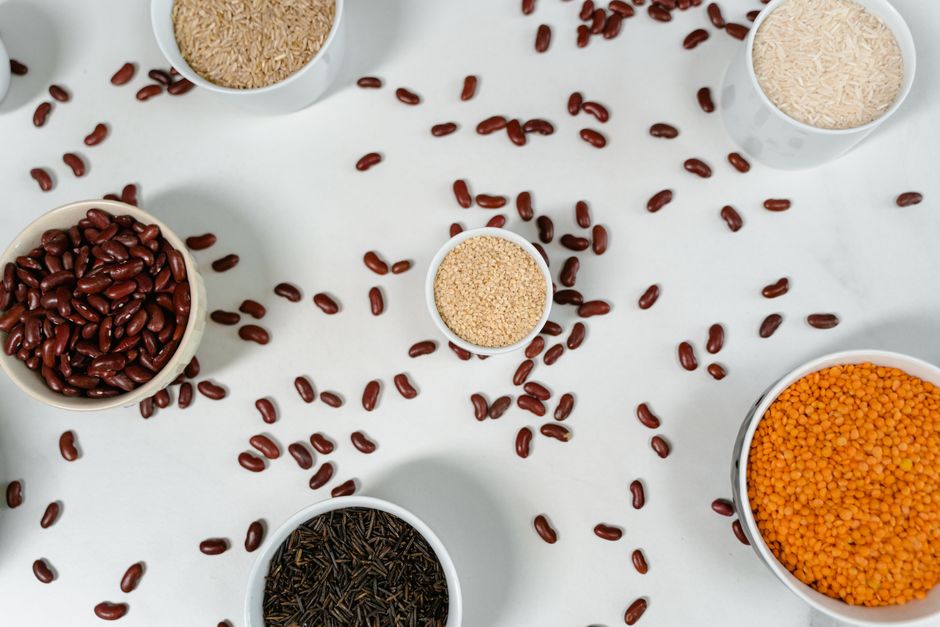
Lentils are rich in lysine but relatively low in methionine. Whole grains flip that balance: lower in lysine, higher in methionine. Together, they deliver a complete amino acid profile. A cup of cooked lentils provides about 18 grams of protein. Paired with brown rice or barley, you get a satisfying, affordable plate. Cost is among the lowest of any protein source. Prep time is 20 to 30 minutes from dried, or about five minutes with canned lentils.
If digestive comfort is a concern when you increase legume intake, the Fiber Without the Bloat: A Progressive Eating Plan to Add Plant Foods Without Digestive Distress guide offers a practical ramp-up approach.
Black beans + corn or quinoa
Black beans share the lysine-strong, methionine-limited pattern of lentils. Corn, surprisingly, is higher in methionine and provides a complementary profile. Quinoa is an even stronger partner because it is technically a complete protein on its own (more on that below). A bean and corn taco or a black bean quinoa bowl works nutritionally and practically. Cost is very low. Prep with canned beans: under 10 minutes.
Chickpeas + sesame (tahini or whole seeds)
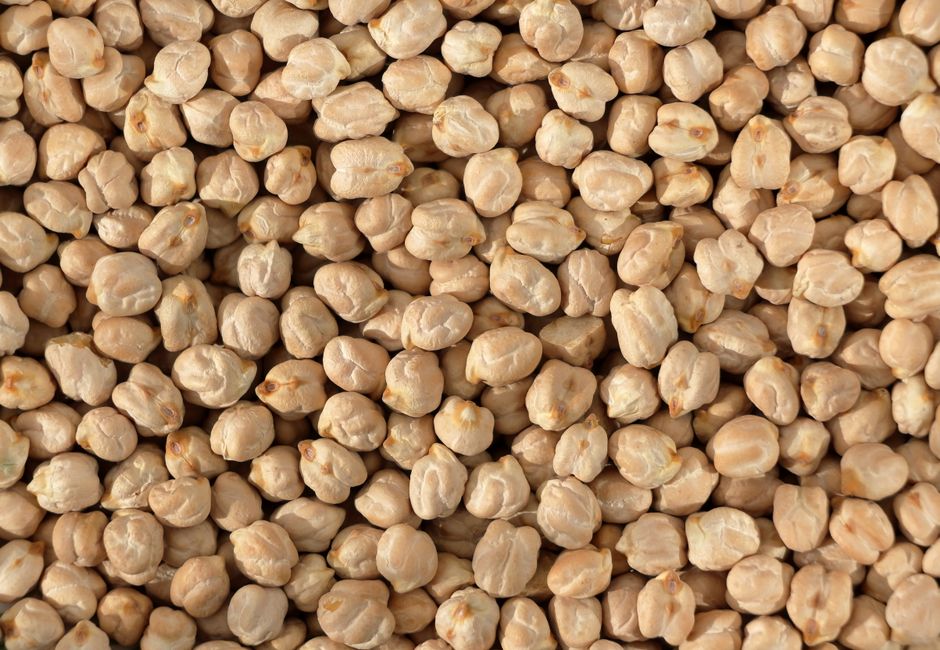
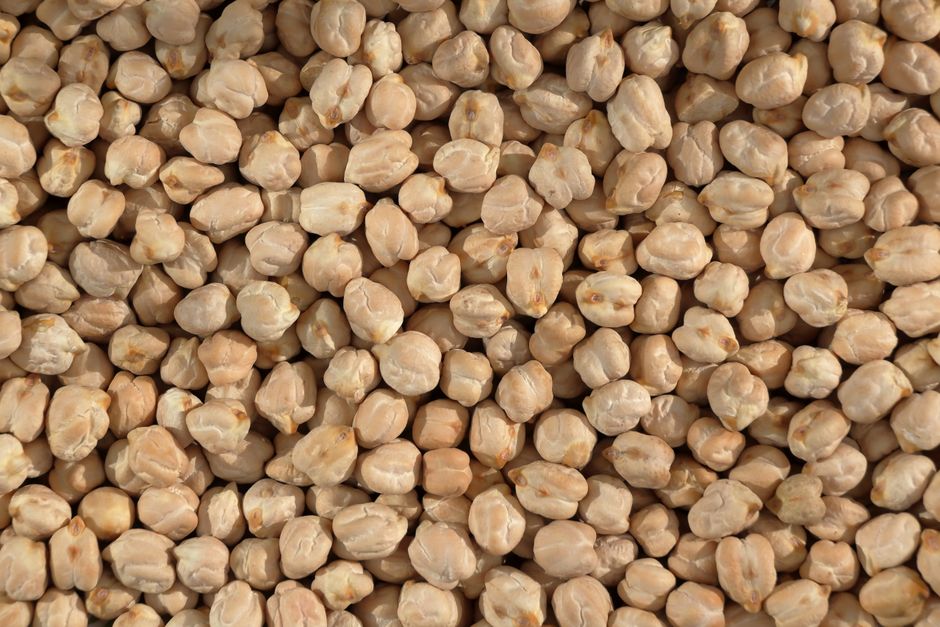
Chickpeas are slightly low in methionine and cysteine. Sesame seeds are relatively rich in those same amino acids. A chickpea bowl with tahini dressing (hummus, essentially) is a classic combination that happens to close the amino acid gap naturally. Protein per cup of chickpeas: approximately 15 grams. Adding two tablespoons of tahini contributes another 5 grams and fills in the profile.
The Surprising Contender: Quinoa
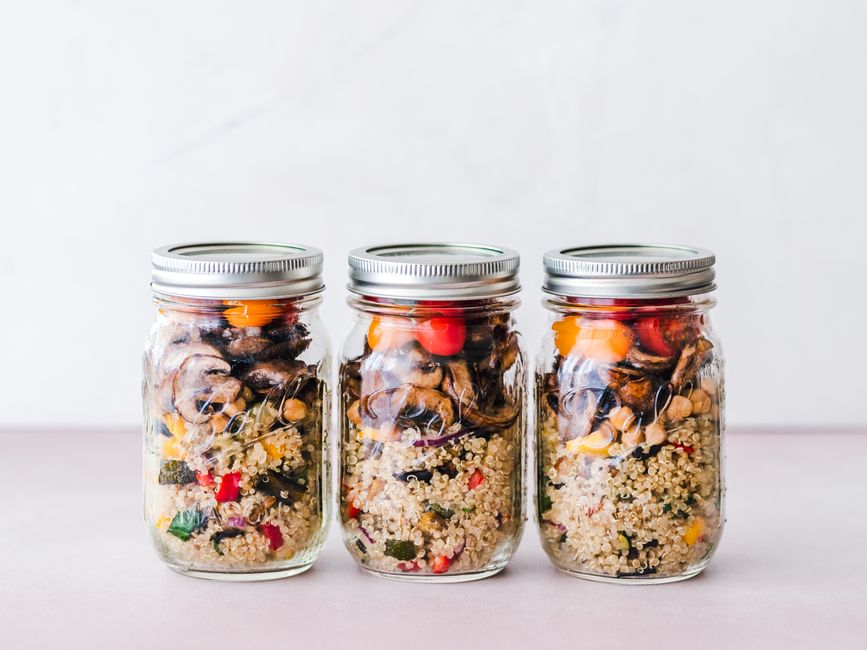
Quinoa deserves its own note. Though often grouped with grains, it is technically a seed and one of the few plant foods that qualifies as a complete protein whole food on its own. It delivers about 8 grams of protein per cooked cup with a solid balance across all nine essential amino acids. Cost is higher than rice or oats, but quinoa doubles as a grain base, so it replaces rather than adds to your grocery list. Prep time is about 15 minutes.
For balanced, budget-conscious meal planning, Whole-Food Plant Proteins Ranked by Satiety, Cost, and Prep Time: A Beginner’s Real-Life Comparison goes deeper on how these foods stack up for keeping you full.
Quick Ranking Summary
| Food | Complete on Its Own? | Protein (approx.) | Cost | Prep Time |
|---|---|---|---|---|
| Edamame | Yes | 18g / cup | Low | 5 min |
| Tempeh | Yes | 20g / 100g | Moderate | 15 min |
| Tofu (firm) | Yes | 10g / half-cup | Low | 10-15 min |
| Hemp seeds | Yes | 10g / 3 tbsp | Moderate | None |
| Quinoa | Yes | 8g / cup | Moderate | 15 min |
| Lentils + grain | With pairing | 18g+ combined | Very low | 5-30 min |
| Black beans + corn | With pairing | 15g+ combined | Very low | 10 min |
| Chickpeas + tahini | With pairing | 20g+ combined | Low | 5 min |
How to Actually Use This in Your Week
You do not need a different strategy for every meal. A simpler approach: rotate two or three of these combinations each week so variety happens naturally. Edamame as a snack, a lentil-and-barley soup on a weeknight, tempeh in a stir-fry on another, and quinoa as the base for a Friday bowl covers your bases without effort or boredom.
For structured inspiration, Five Plant-Based Lunch Combinations That Deliver Complete Protein and Stop Afternoon Bloating offers ready-to-use pairings you can slot directly into your week.
Pick one food from the ranking above that you do not currently eat and try it this week in one meal. That single small shift, practiced consistently, builds the kind of eating pattern that supports real, sustainable health without rigidity or restriction. If you want more practical guidance delivered weekly, joining the Clean Body Mentor newsletter is a good next step.
Sources
- USDA FoodData Central database (fdc.nal.usda.gov): amino acid and macronutrient data for edamame, tofu, tempeh, hemp seeds, lentils, quinoa, chickpeas, and black beans.
- National Institutes of Health, Office of Dietary Supplements: protein and essential amino acid reference values.
- Messina M. “Soy and Health Update: Evaluation of the Clinical and Epidemiologic Literature.” Nutrients, 2016 (via PubMed/NIH).
- Food and Agriculture Organization of the United Nations (FAO): Dietary Protein Quality Evaluation in Human Nutrition, 2013 report on DIAAS methodology for plant proteins.
This article is for general educational and informational purposes only and is not a substitute for medical advice, diagnosis, or treatment. Health needs vary by individual. Consult a qualified healthcare professional before making significant changes to your diet, exercise routine, supplements, medication, or treatment plan, especially if you have a medical condition, are pregnant or breastfeeding, take medication, or have concerns about your symptoms.