

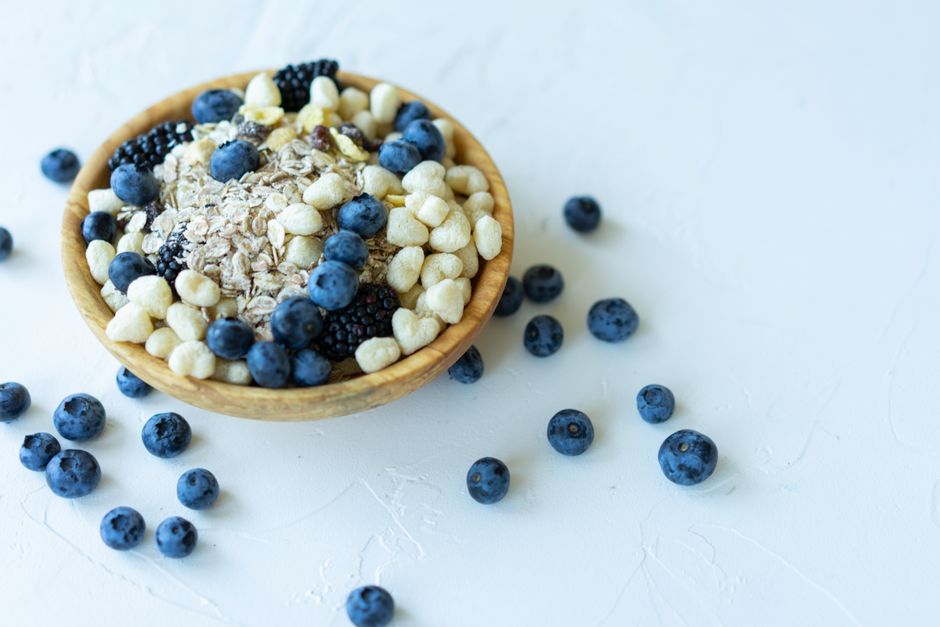
You decide to eat more vegetables and whole grains. Three days later you feel like a balloon. So you back off, frustrated, and the high-fiber eating plan quietly disappears.
This is one of the most common reasons people abandon balanced eating, and it has almost nothing to do with willpower. It is a timing and pacing problem. Your gut microbiome needs time to produce the enzymes and bacteria that break down plant fiber efficiently. Rush it, and gas and bloating follow. Give it a gradual on-ramp, and most people adapt surprisingly well within four to six weeks.
Here is a practical, step-by-step guide on how to increase fiber intake without bloating, built around how digestion actually works.

1. Understand Why Fiber Causes Bloating in the First Place
Dietary fiber falls into two broad categories. Soluble fiber (found in oats, beans, apples, and psyllium) dissolves in water and forms a gel that slows digestion. Insoluble fiber (found in wheat bran, vegetable skins, and seeds) moves material through the intestines faster.
Both types are fermented by gut bacteria in your large intestine, and fermentation produces gas. The amount of gas depends largely on which bacteria you have and how accustomed they are to processing plant matter. When you go from a low-fiber diet to a high-fiber one overnight, your bacterial community is not ready for the workload, and pressure builds.
Research from the Academy of Nutrition and Dietetics notes that most adults consume only about half of the recommended fiber intake (25 grams per day for women, 38 grams per day for men, according to the USDA Dietary Guidelines for Americans 2020-2025). That gap means there is real room to grow, but the key is growing slowly.
For a closer look at how your digestive system adjusts to plant foods over time, see Fiber Without the Bloat: How to Add Plant Foods Gradually So Your Digestion Adapts.
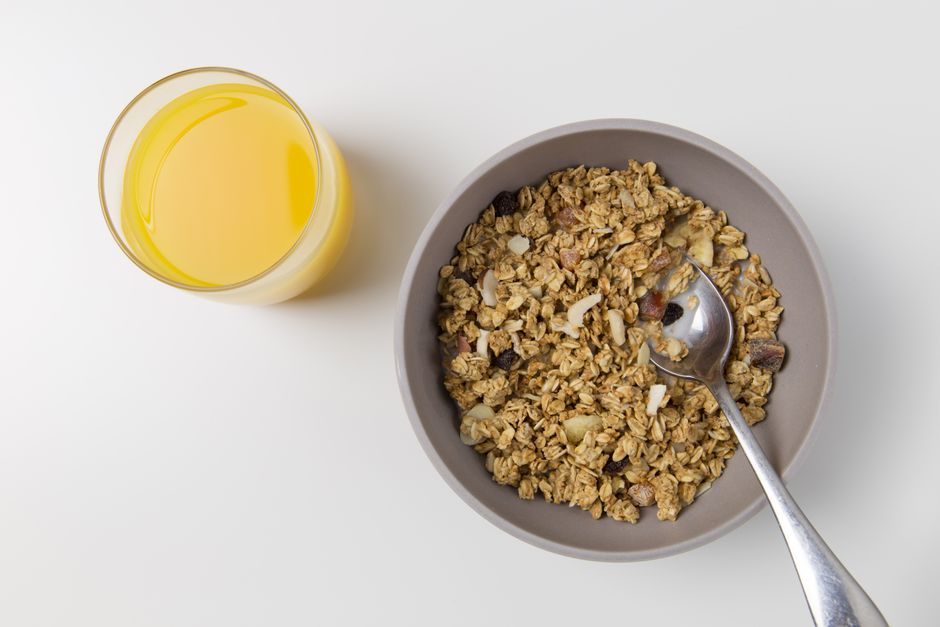
2. Start With Low-FODMAP Plant Foods in Weeks One and Two
FODMAPs are fermentable carbohydrates that even a healthy gut ferments quickly, producing noticeable gas. Starting with lower-FODMAP fiber sources lets you build volume without triggering the worst bloating.
Lower-FODMAP fiber starters to use first:
- Zucchini and cucumber
- Carrots and parsnips (cooked)
- Spinach and kale (cooked rather than raw)
- Unripe bananas (higher in resistant starch)
- Oats (rolled or steel-cut, not instant)
- Brown rice
- Quinoa
Portion guidance for weeks one and two: Aim for one additional serving of these foods per day beyond what you currently eat. A serving is roughly half a cup of cooked vegetables or grains. Do not try to hit the full recommended fiber target yet.
The goal here is not restriction. It is sequencing. You are teaching your gut what is coming before sending the full shipment.
3. Introduce Legumes in Week Three, Starting Small
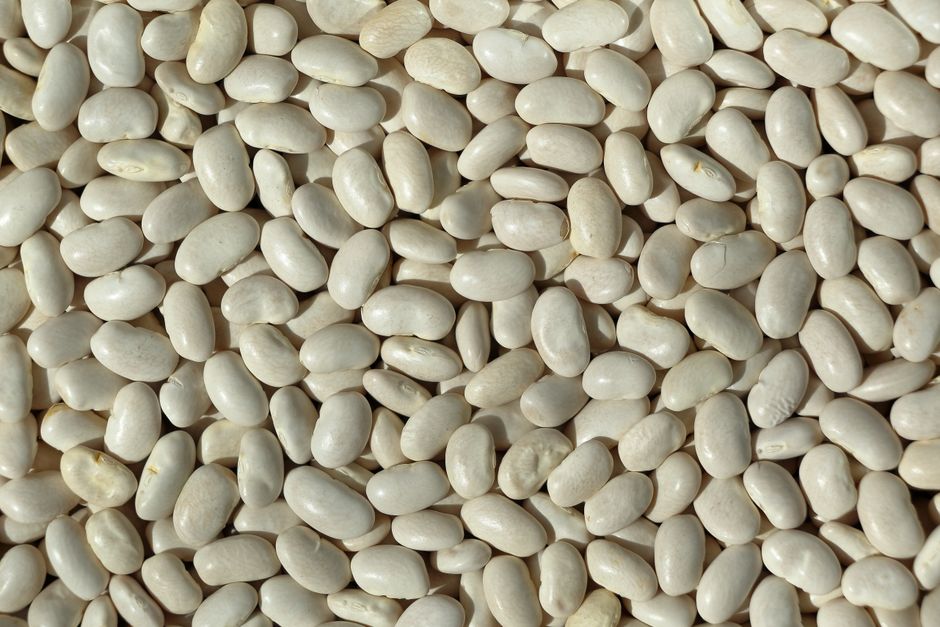
Legumes, including lentils, chickpeas, black beans, and edamame, are among the most nutrient-dense fiber sources available. They are also among the most gas-producing for newcomers.
The classic approach is to start with two to three tablespoons of cooked legumes per meal rather than a full half-cup serving, then increase by a tablespoon or two each week.
Tips that genuinely reduce legume-related gas:
- Use canned legumes and rinse them thoroughly under running water. This removes oligosaccharides that collect in the liquid.
- Cook dried beans from scratch and discard the soaking water before cooking.
- Start with red lentils, which are hulled and tend to cause less gas than whole lentils or kidney beans.
- Add a strip of kombu seaweed to cooking water. It contains enzymes that partially break down gas-producing compounds (a practice with traditional backing, though large clinical trials are limited).
If you are curious whether digestive enzyme supplements might help during this transition period, Digestive Enzyme Supplements vs. Whole Foods: When Pills Help and When Your Meals Do the Work Better offers a balanced breakdown.

4. Hydration and Meal Pacing Are Not Optional
Fiber absorbs water. Without adequate fluid, it can slow in the intestine and cause constipation rather than healthy transit. The general guidance from the National Academies of Sciences, Engineering, and Medicine is about 3.7 liters of total water per day for men and 2.7 liters for women from all sources, including food.
Beyond water, how fast you eat matters more than most people realize. Eating quickly swallows excess air, which compounds the gas produced by fermentation. Slowing down is one of the most underrated strategies for managing bloating during a fiber increase.
If rushed workday eating is already making your digestion worse, Why Digestive Bloating Worsens on Rushed Workdays and How Eating Order Fixes It Without Food Restriction addresses that specific pattern directly.
5. Scale Up Whole Grains in Weeks Four and Five
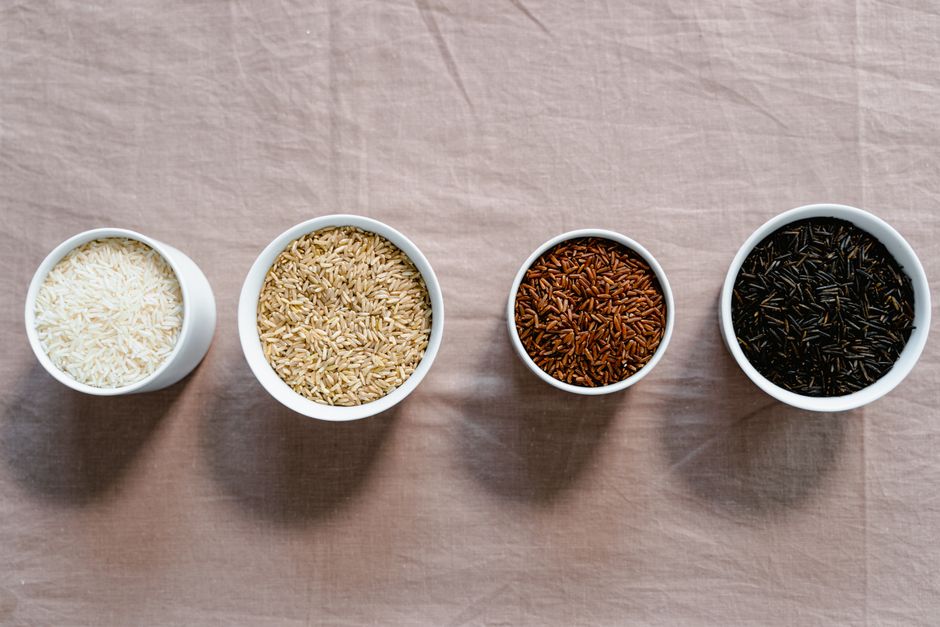
Once legumes feel manageable, it is time to swap refined grains for whole grains more consistently. Whole grain bread, whole wheat pasta, barley, and farro all add meaningful fiber without the fermentation intensity of legumes.
A realistic swap sequence:
- Replace white rice with brown rice or quinoa in one meal per day.
- Choose whole grain bread (look for whole wheat or whole grain as the first ingredient) in place of white bread.
- Add a quarter cup of barley to soups or grain bowls once or twice a week.
Note: barley is high in beta-glucan, a soluble fiber that research suggests may support healthy cholesterol levels (Harvard T.H. Chan School of Public Health, The Nutrition Source). It is also quite fermentable, so introduce it gradually.
6. Track Patterns, Not Perfection
Keep a simple log for the first four weeks. You do not need an app. A few notes on what you ate and how your digestion felt that afternoon and evening will reveal your personal tolerance pattern faster than any generic plan.
Common patterns worth noting:
- Raw versus cooked vegetables: cooking breaks down cell walls and typically reduces gas significantly.
- Morning versus evening legumes: many people tolerate legumes better at lunch when there is still time for digestion before lying down.
- Combination effects: pairing high-fiber meals with fatty foods slows digestion further and can intensify bloating. Leaner pairings often work better during the adaptation period.
For meals built specifically to deliver fiber without provoking discomfort, Five Recipes for High-Fiber Meals That Reduce Bloating Instead of Causing It provides tested options you can try during weeks three and four.
7. What a Realistic Six-Week Progression Looks Like
| Week | Daily Fiber Target | Primary New Food Group |
|---|---|---|
| 1-2 | Add 3-5 g above baseline | Low-FODMAP vegetables and oats |
| 3 | Add 5-8 g above baseline | Small portions of legumes |
| 4 | Add 8-12 g above baseline | Whole grains replacing refined |
| 5-6 | Approaching full daily target | Full legume servings, raw vegetables |
This is a guide, not a contract. If week three feels rough, extend week two by another seven days. Your gut does not follow a calendar.

A Note on When to Seek Help
Bloating during a fiber increase is normal. Persistent sharp pain, blood in stool, unexplained weight loss, or symptoms that worsen rather than improve after four to six weeks of gradual introduction are reasons to speak with a qualified healthcare professional rather than push through. Conditions such as irritable bowel syndrome or inflammatory bowel disease respond differently to fiber, and a registered dietitian familiar with gut health can personalize your approach in ways a general plan cannot.
Sources
- USDA Dietary Guidelines for Americans 2020-2025 (dietaryguidelines.gov)
- National Academies of Sciences, Engineering, and Medicine, Dietary Reference Intakes for Water
- Academy of Nutrition and Dietetics, Position Paper on Dietary Fiber (Journal of the Academy of Nutrition and Dietetics)
- Harvard T.H. Chan School of Public Health, The Nutrition Source: Fiber
This article is for general educational and informational purposes only and is not a substitute for medical advice, diagnosis, or treatment. Health needs vary by individual. Consult a qualified healthcare professional before making significant changes to your diet, exercise routine, supplements, medication, or treatment plan, especially if you have a medical condition, are pregnant or breastfeeding, take medication, or have concerns about your symptoms.
Pick one step from this list and use it this week. Even adding a half cup of cooked zucchini or rinsed chickpeas to a meal you already make is a meaningful start. Consistent small actions build the gut tolerance that makes long-term healthy eating feel effortless rather than miserable.


