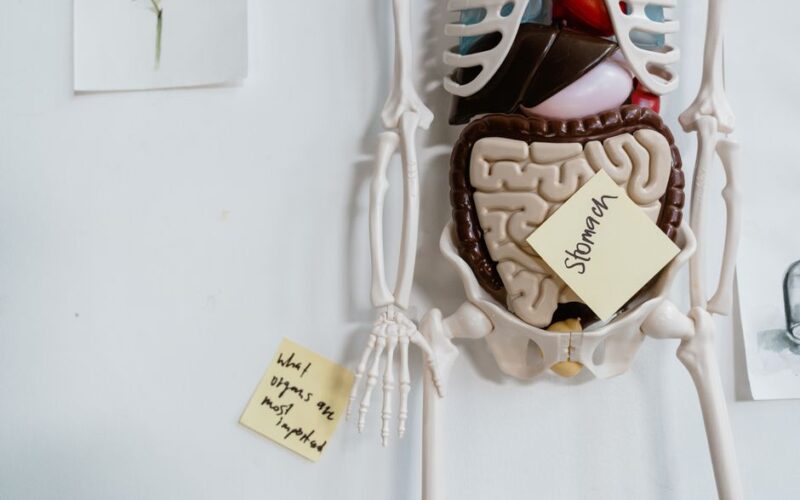

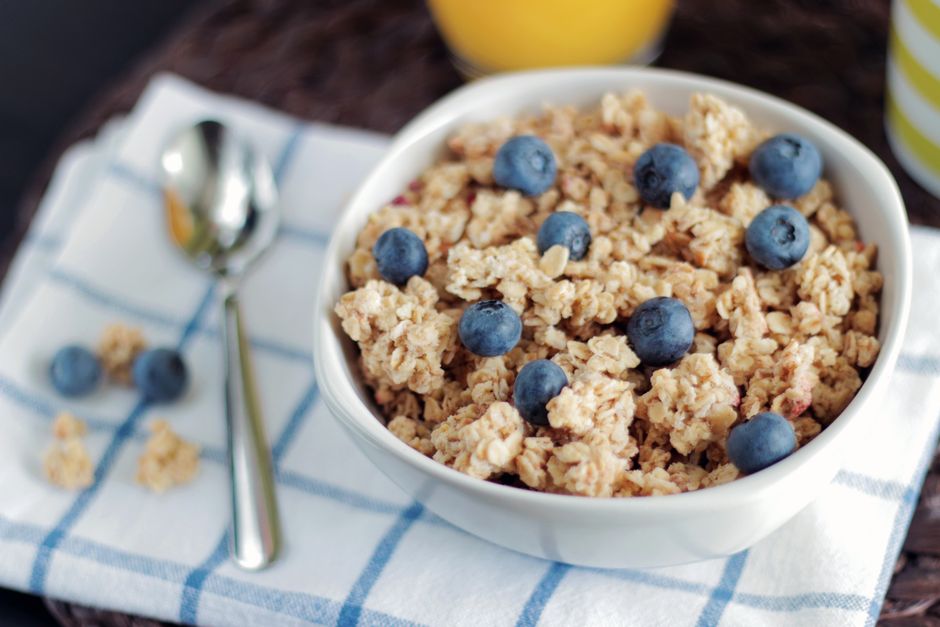
You decide to eat more vegetables, beans, and whole grains. You do great for three days, then the cramps and gas arrive and the whole experiment ends. Sound familiar? You are not alone, and your gut is not broken. The problem is almost always pace, not the food itself.
Here is the good news: your digestive system can absolutely learn to handle high-fiber eating. It just needs a few weeks to catch up. This tutorial gives you a practical, week-by-week plan for building fiber without bloating, along with honest signals to watch so you know when to slow down versus push forward.

Why Fiber Causes Discomfort in the First Place
Most of the bloating and gas you experience from plant foods is the result of fermentation. Your small intestine cannot fully digest certain fibers, so they travel to the large intestine, where bacteria ferment them and produce gas as a byproduct. This is actually healthy gut activity, but it can feel miserable when your microbiome is not yet equipped for the workload.
The current dietary fiber recommendation for adults is 25 to 38 grams per day, according to the Dietary Guidelines for Americans published by the USDA and HHS. Most adults in the US consume roughly half that amount. Jumping from 12 grams to 35 grams in a week gives your gut bacteria very little time to multiply and diversify in ways that handle the extra load efficiently.
Water is equally important here. Fiber absorbs fluid, and without adequate hydration, soluble fiber can slow transit instead of supporting it, which makes bloating worse. Aim for at least 6 to 8 cups of water daily as you increase plant foods.
The Three-Week Progression
Week One: Swap Before You Stack
In week one, your goal is not to add new food. It is to swap lower-fiber versions of foods you already eat for slightly higher-fiber ones. This keeps your total calorie and meal volume roughly the same while gently nudging fiber upward by 3 to 5 grams per day.
Practical swaps to try:
- White bread to whole grain bread (adds roughly 2 grams per slice)
- White rice to brown rice or quinoa (adds roughly 2 grams per cup cooked)
- Regular pasta to chickpea or lentil pasta (adds 5 to 7 grams per serving)
- Peeled cucumber or iceberg lettuce to skin-on zucchini or romaine (modest but real)
Avoid adding beans, lentils, or cruciferous vegetables like broccoli and cauliflower this week. These are wonderful foods, but they are the most fermentable and tend to cause the strongest gas response in people whose microbiomes are not yet adapted. There is a right time for them, and week one is not it.
If you notice mild gas after meals, that is normal and a sign fermentation is happening. If you experience sharp cramping or significant discomfort, slow down further. You might need two weeks at this stage instead of one.
Week Two: Add One New Plant Food Every Two to Three Days
By day eight, most people feel noticeably more comfortable with the week-one swaps. Now you can begin introducing new plant foods, but the key is adding them one at a time with space between each addition.
Good second-week additions, roughly in order of digestive ease:
- Cooked carrots, zucchini, or green beans
- Canned lentils rinsed thoroughly (rinsing removes some fermentable oligosaccharides from the liquid)
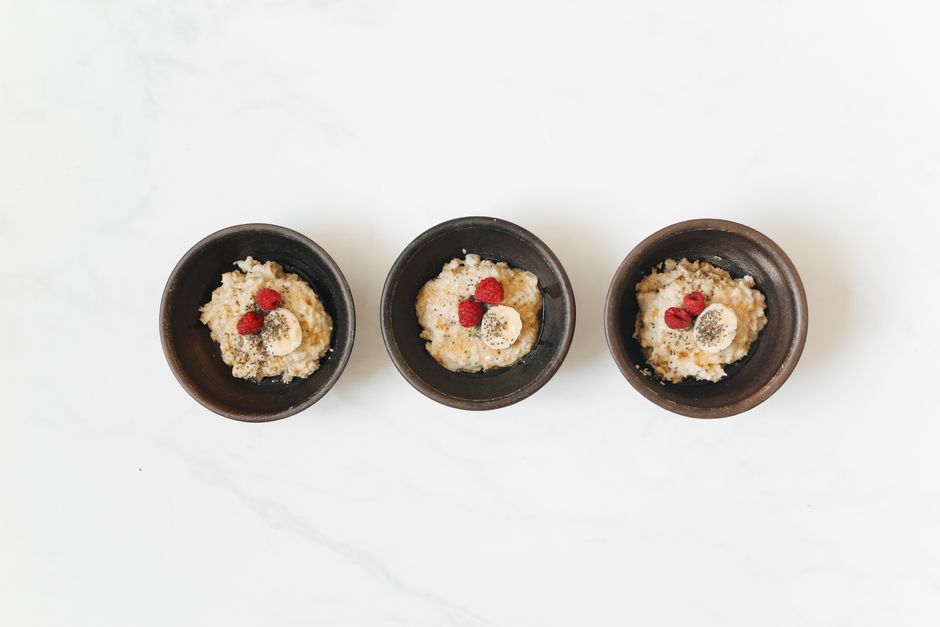
- A small portion of oats with chia seeds for soluble fiber
- Berries and pears, which are high in fiber but also high in water content, which aids transit
Keep portions modest. A quarter cup of cooked lentils is a reasonable starting point, not a full cup. You can build up portion size during week three.
For meal ideas that are already designed with digestive comfort in mind, the Five Recipes for High-Fiber Meals That Reduce Bloating Instead of Causing It guide is a helpful companion to this progression.
Week Three: Introduce the Heavier Hitters
Week three is when you can start adding the more fermentable plant foods: black beans, chickpeas, broccoli, cabbage, onions, garlic, and Brussels sprouts. These are among the most beneficial foods for long-term gut health, but they earn their reputation for causing gas precisely because they contain fructans and galactooligosaccharides (GOS), both of which are fermented rapidly.
Tips for minimizing discomfort with these foods:
- Cook beans from dried rather than canned when possible, discarding the soaking water
- Always rinse canned legumes under cold water for 30 to 60 seconds
- Start with a small serving (two to three tablespoons of beans) and double it weekly
- Cook cruciferous vegetables until tender rather than eating them raw, which reduces fermentable compounds somewhat
- Add a short walk after eating to support motility; research published in the Journal of Gastrointestinal and Liver Diseases links post-meal movement with reduced bloating
If certain foods still cause significant discomfort by week four, that is useful information. It does not mean you can never eat them. It often means your microbiome needs more time, or that a different preparation method helps. If symptoms are severe or persistent, a registered dietitian can assess whether something like a low-FODMAP approach might be worth exploring short term.
For context on how gut health connects with your broader well-being, the guide on Digestive Health and Mood: How Gut Function Changes Your Mental Well-Being Without Supplements offers a useful bigger picture.

Signs You Are Moving at the Right Pace
You are adapting well if you notice:
- Mild, temporary gas that diminishes within a day or two of adding a new food
- More regular bowel movements without urgency or cramping
- Improved energy and less afternoon heaviness after meals
Slow down if you experience:
- Gas and bloating that persist beyond three days with a new food
- Sharp cramps during or after meals
- Loose stools or significant constipation
These signals do not mean high-fiber eating is wrong for you. They mean your pace needs adjusting.

A Few Supporting Habits That Make a Real Difference
Fiber does not work in isolation. Two habits tend to make the biggest difference in how well your digestive system adapts:
Chew thoroughly. Digestion begins in the mouth. Breaking food down more completely before it reaches your stomach reduces the fermentable load hitting your large intestine at once.
Eat mindfully and without rushing. Eating quickly tends to increase swallowed air, which adds to bloating that has nothing to do with fiber. Slowing down gives your digestive enzymes more time to work before food moves on.
If you want to understand how movement timing and body position also affect how comfortably you digest meals, Why Your Digestion Feels Bloated on Rest Days and How Movement Timing Fixes It covers this in detail.
Your Next Move
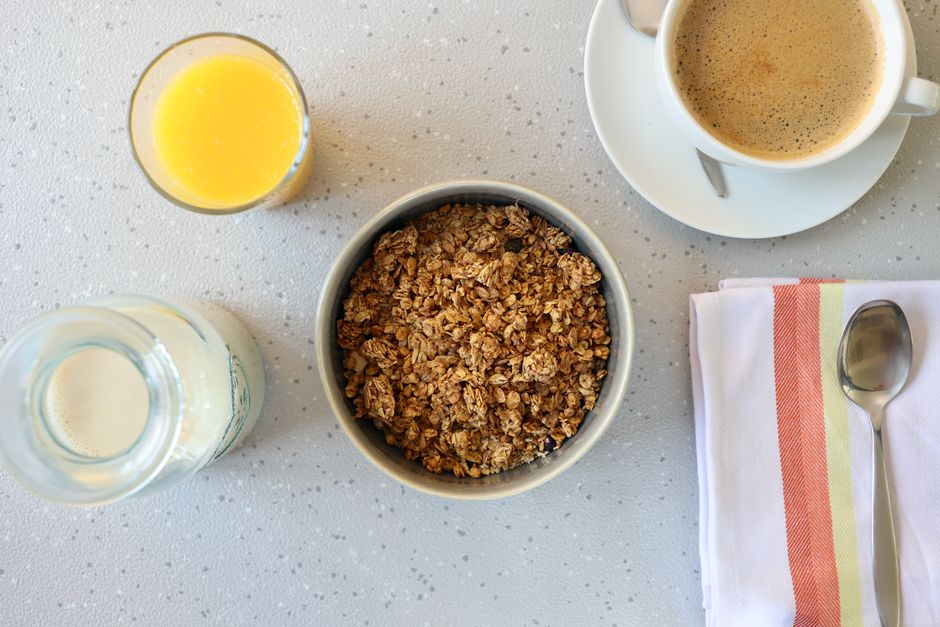
Pick one swap from week one and make it at your next meal. Just one. Consistency over three weeks matters far more than a dramatic overnight overhaul. If you find the adjustment easier than expected, add a second swap mid-week. If it feels harder, give yourself an extra week before moving forward.
For practical weekly guidance on nutrition, digestion, and whole-person wellness, consider joining the Clean Body Mentor newsletter, where new evidence-informed guides arrive regularly.
This article is for general educational and informational purposes only and is not a substitute for medical advice, diagnosis, or treatment. Health needs vary by individual. Consult a qualified healthcare professional before making significant changes to your diet, exercise routine, supplements, medication, or treatment plan, especially if you have a medical condition, are pregnant or breastfeeding, take medication, or have concerns about your symptoms.
Sources
- U.S. Department of Agriculture and U.S. Department of Health and Human Services. Dietary Guidelines for Americans, 2020-2025. DietaryGuidelines.gov.
- Dahl WJ, Stewart ML. “Position of the Academy of Nutrition and Dietetics: Health Implications of Dietary Fiber.” Journal of the Academy of Nutrition and Dietetics, 2015.
- Algera J, et al. “Review article: the management of acute colonic pseudo-obstruction and bloating in relation to movement.” Journal of Gastrointestinal and Liver Diseases, various issues.
- Sonnenburg J, Sonnenburg E. The Good Gut: Taking Control of Your Weight, Your Mood, and Your Long-Term Health. Penguin Press, 2015 (referenced for microbiome adaptation framing).