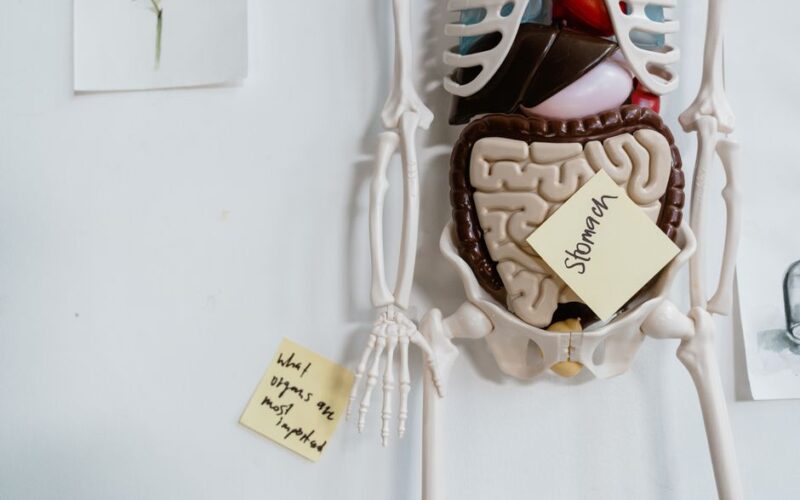

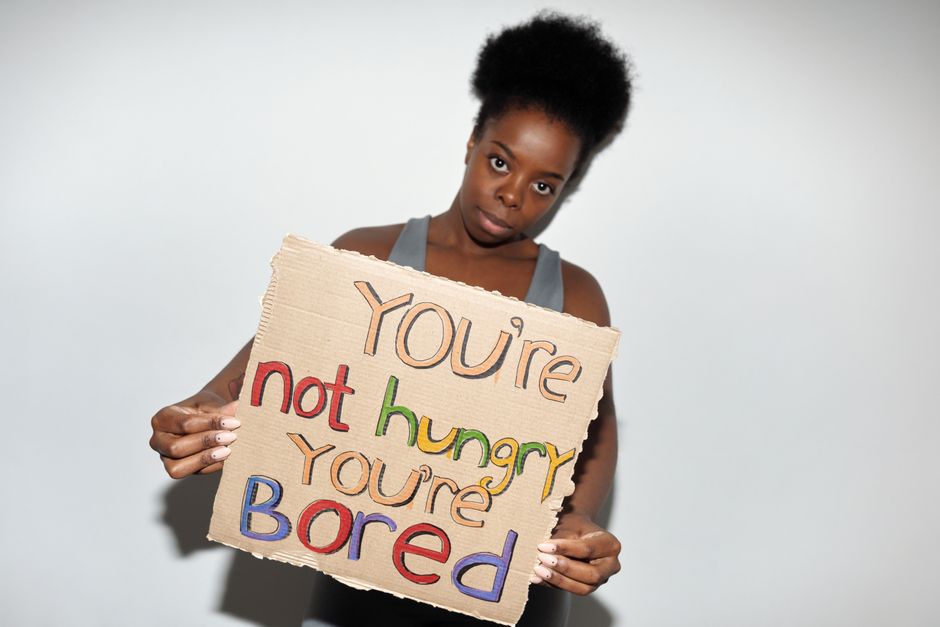
It is 3pm. You have been staring at the same spreadsheet for two hours, a meeting ran long, and now your hand is already in the snack drawer. The question worth pausing on is not whether you should eat, but what is actually driving the urge.
Emotional eating vs hunger is one of the most misunderstood tensions in everyday wellness. Both can feel identical in the moment: urgent, physical, and hard to ignore. But they come from different places and respond to different things. The goal is not to suppress either, but to notice which one you are experiencing so you can respond in a way that actually helps.
This case study follows three professionals who worked through exactly that. Their experiences show what distinguishing emotional eating from true hunger looks like in real life, without shame or rigid rules.

Why the Signals Overlap
Physical hunger builds gradually. It shows up as an empty feeling in the stomach, mild lightheadedness, or difficulty concentrating on anything except food. Research from the National Institute of Diabetes and Digestive and Kidney Diseases notes that hormones like ghrelin rise steadily between meals, creating a biological drive to eat.
Emotional or stress-driven eating tends to arrive differently. It often comes on suddenly, targets specific comfort foods, and persists even after eating a full meal. According to research published in Appetite (Elsevier), chronic stress elevates cortisol, which can increase cravings for high-calorie, high-fat foods even when the body has adequate fuel.
The overlap is real: your brain genuinely interprets emotional discomfort as a form of urgency. That is not a character flaw. It is physiology. Understanding this is step one.
For more on how afternoon energy and hunger interact, Five Unexpected Reasons Your Afternoon Hunger Spikes at 3pm and What to Eat to Stop It is a helpful companion read.
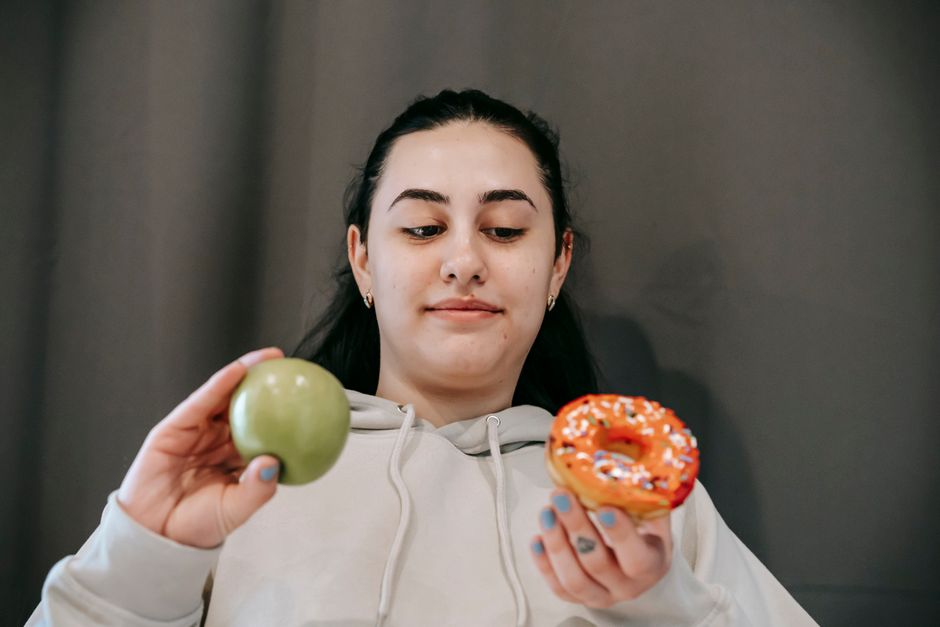
Case Study 1: Maya, Project Manager
Maya noticed she reached for chips every afternoon around 2:30pm, even on days when she had eaten a solid lunch. When she started paying attention, she realized the urge appeared strongest right after her daily status call, a meeting that often felt contentious and out of her control.
Her body check: Was she physically hungry? Not really. Her stomach was not empty. She was tense, slightly annoyed, and wanted something crunchy.
Her response was not to restrict. Instead, she kept a small bowl of roasted chickpeas at her desk for days when the craving was partly hunger, and on other days she took a five-minute walk after the call before deciding whether she actually wanted a snack. Walking helped her nervous system settle. On most days, the urgent need for chips faded within ten minutes.
Maya still ate snacks. She just started choosing from a steadier place rather than a reactive one.
Walking for Stress Relief and Mood: A Three-Week Progressive Plan for Beginners offers a structured way to build this kind of movement habit into a workday.

Case Study 2: Daniel, Remote Software Developer
Daniel worked from home and found himself in the kitchen every afternoon without fully registering how he got there. He described it as “boredom autopilot.” He rarely felt full from whatever he ate because he was not paying attention to eating at all.
His pattern was not emotional eating in a crisis sense. It was habit-driven grazing triggered by transitions: closing a browser tab, finishing a task block, waiting for a build to run.
Two shifts helped him. First, he started eating lunch away from his desk, which made the meal feel like an event rather than background noise. Digestive Discomfort From Rushed Eating: Why Pace and Chewing Beat Food Restriction Every Time explains why that small change matters more than most people expect. Second, he added a higher-protein lunch, drawing on combinations from Building a High-Protein Lunch for Stable Afternoon Energy: Macros, Meal Combos, and Real-Life Examples. Satiety from a more balanced lunch reduced the frequency of his kitchen visits significantly over two weeks.
Daniel did not stop snacking. He just became more intentional about when he was actually hungry versus when he was just restless.

Case Study 3: Priya, School Administrator
Priya experienced a different pattern. Her afternoons involved real physical hunger, because she often ate a rushed, light lunch around 11am and then worked straight through until 5pm. By 3pm she was genuinely depleted, but she also felt guilty eating “between meals” and would oscillate between ignoring the hunger and eating a large amount quickly.
The guilt was creating its own cycle. Research in the journal Eating Behaviors suggests that labeling foods or eating events as forbidden tends to increase their appeal and can contribute to loss-of-control eating patterns.
Priya’s shift came from accepting that a structured afternoon snack was appropriate for her schedule, not a failure of self-control. She started eating a small, protein-anchored snack around 3pm: Greek yogurt with a handful of walnuts, or apple slices with almond butter. Her evening appetite normalized, and the frantic 5pm eating she had struggled with largely resolved on its own.
Her case is a reminder that emotional eating vs hunger is not always about stress. Sometimes it is about under-eating earlier and then blaming yourself for the predictable result.

A Simple Body Check You Can Use Today
All three cases circled around the same tool: a brief internal pause before eating. It does not need to be a formal mindfulness practice. Try asking yourself:
- Where do I feel hunger in my body right now?
- Has this urge come on suddenly or built over time?
- What emotion am I feeling in this moment? (Stress, boredom, loneliness, frustration?)
- If a full meal were not an option, would a glass of water or a brief walk help?
- What do I actually want, and is there a version of that which also nourishes me?
The goal of this check is not to talk yourself out of eating. It is to bring choice back into the moment so you can respond rather than react.
Breathing Patterns That Calm Your Nervous System Without Meditation: A Practical Guide for Stress Relief on Demand offers a quick tool you can use in those few seconds of pause when emotions are running high.

What All Three Cases Share
None of these professionals followed a restrictive plan. None labeled foods as bad or off-limits. The common thread was small, repeatable awareness practices layered onto existing routines, paired with practical nutrition patterns that reduced the gap between biological hunger and emotional urgency.
Building this kind of awareness takes time, and some days it will not work perfectly. That is expected and normal. Progress in this area is not linear, and missing a mindful moment is not a reason to abandon the practice.
Choose one thing from this article to try this week. It might be a brief body check before your next afternoon snack, a short walk after a stressful call, or adjusting your lunch to include more protein. One consistent habit practiced with patience is worth far more than ten habits started and dropped.
For broader guidance on sustainable eating habits and body awareness, explore the Clean Body Mentor newsletter for practical weekly wellness content.
This article is for general educational and informational purposes only and is not a substitute for medical advice, diagnosis, or treatment. Health needs vary by individual. Consult a qualified healthcare professional before making significant changes to your diet, exercise routine, supplements, medication, or treatment plan, especially if you have a medical condition, are pregnant or breastfeeding, take medication, or have concerns about your symptoms.

Sources
- National Institute of Diabetes and Digestive and Kidney Diseases. Hunger and satiety regulation. U.S. Department of Health and Human Services.
- Dallman MF et al. “Chronic stress and obesity: a new view of comfort food.” Proceedings of the National Academy of Sciences, 2003.
- Markus CR et al. Stress, food choice, and cortisol. Appetite (Elsevier), multiple publications.
- Polivy J, Herman CP. “Distress and eating: why do dieters overeat?” International Journal of Eating Disorders, 1999.
- Eating Behaviors journal (Elsevier): research on dietary restraint and disinhibition patterns.