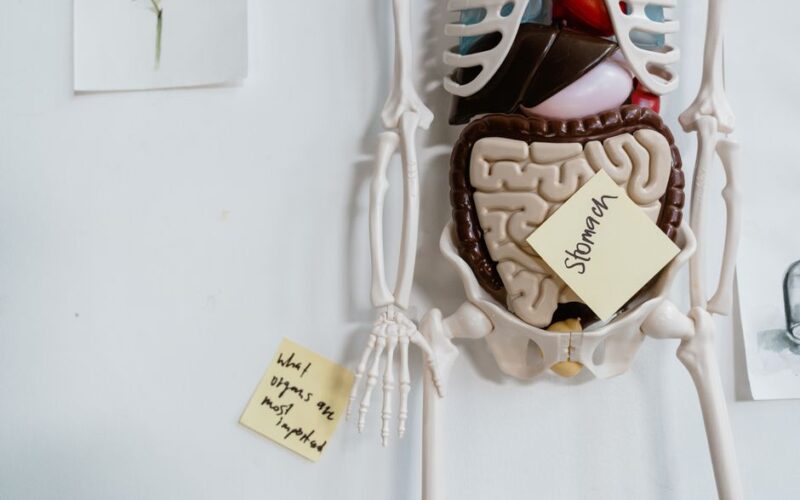


It hits right on schedule: the clock nudges toward 3pm, your focus softens, and suddenly the kitchen feels like a magnet. Most people write this off as weak willpower or a sweet tooth, but afternoon hunger at 3pm usually has a more specific cause rooted in what happened hours earlier. The good news is that once you identify your particular trigger, the fix is surprisingly concrete.
Here are five reasons the 3pm wall keeps finding you, and a practical food pairing to address each one.

1. You Skipped Protein at Lunch
Protein is the most satiating macronutrient, partly because it stimulates appetite-regulating hormones like peptide YY and GLP-1, which signal fullness to the brain. Research published in resources from the National Institutes of Health confirms that higher protein intakes are associated with reduced subsequent calorie intake at later eating occasions.
When lunch is mostly refined carbs (a wrap without filling, pasta with light sauce), that satiety signal fades within two hours, leaving your hunger hormones surging well before dinner.
What to eat instead: Build lunch around at least 25 to 30 grams of protein. Think grilled chicken or canned salmon over greens, a high-protein grain bowl with edamame and tempeh, or a wrap loaded with cottage cheese and roasted vegetables. Building a high-protein lunch for stable afternoon energy walks through practical macro combos if you want a template.
If the 3pm spike still hits, a small bridge snack of Greek yogurt with a handful of nuts (roughly 15 grams of protein) can close the gap without triggering a bigger craving cycle.
2. Your Morning Fat Intake Was Too Low
Dietary fat slows gastric emptying, which means a breakfast that is mostly carbohydrate-based moves through your stomach faster. A low-fat, high-carb morning meal such as toast with jam or a plain bagel can produce a blood sugar rise followed by a gradual drop, and that drop often lands squarely in the early-to-mid afternoon.
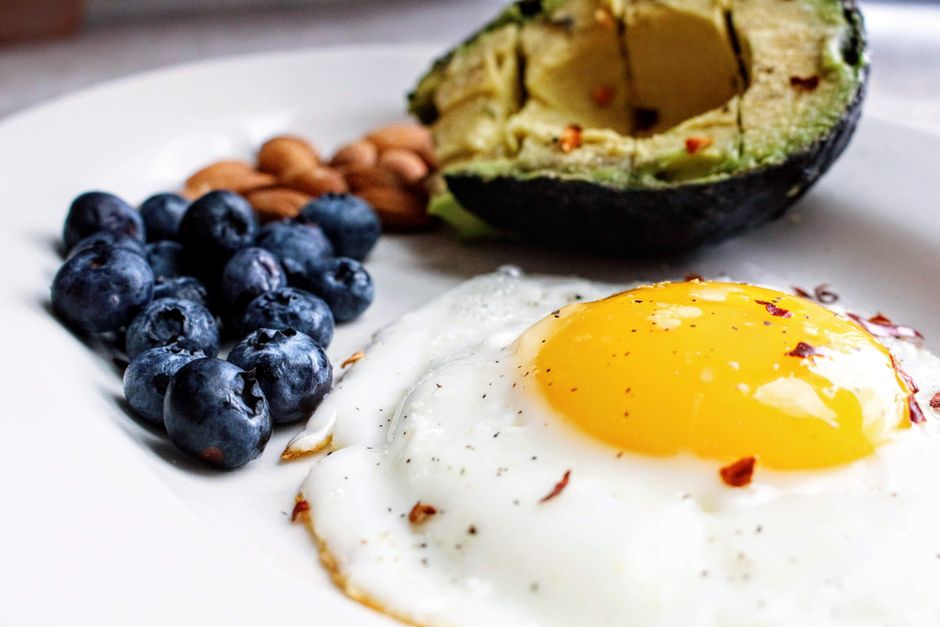
Healthy fats from whole foods, including avocado, eggs, nuts, and olive oil, extend the feeling of fullness by keeping food in the digestive tract longer and by supporting fat-soluble nutrient absorption.
What to eat instead: Add a moderate fat source to breakfast even if it is small. Half an avocado with eggs, a tablespoon of nut butter alongside oatmeal, or a small handful of walnuts with fruit all qualify. Seven high-protein breakfast combos that stop morning hunger by 10am offers combinations that pair protein and fat together for lasting morning satiety.
3. You Are Mildly Dehydrated
The hypothalamus manages both hunger and thirst signals, and because they share neural real estate, mild dehydration can register as hunger before it ever feels like thirst. A 2016 review in the journal Physiology and Behavior noted that thirst and appetite regulation overlap at the hypothalamic level, which helps explain why people sometimes eat when they actually need to drink.
Many people drink coffee in the morning, forget water through a busy midday, and arrive at 3pm in a state of mild fluid deficit that their brain interprets as a food craving.
What to drink instead: Aim for a glass of water or an electrolyte-balanced drink before reaching for a snack. If plain water feels unappealing, sparkling water with a squeeze of citrus or a light herbal tea can help. Why your afternoon thirst spikes and what to drink when water alone won’t satisfy it covers practical hydration strategies for this exact midday pattern.

4. You Have Been Sitting Still for Hours
This one surprises people. Extended sitting does not suppress appetite. In fact, research suggests that long bouts of sedentary behavior can dampen insulin sensitivity and slow the glucose clearance that normally keeps blood sugar stable between meals. When blood sugar drifts lower without the benefit of any movement to support circulation and metabolism, hunger signals can arrive earlier than expected.
There is also a behavioral element: sitting at a desk for hours often leads to a kind of low-level restlessness that the brain interprets as a need for stimulation, and food is a convenient, fast answer.
What to do instead: Break up sitting with a brief walk or a 5-minute mobility session around 2pm, before hunger peaks. Even short bouts of movement after lunch may help moderate post-meal blood sugar, according to a 2022 meta-analysis in Sports Medicine. If your hips and lower back lock up from desk work, this 5-exercise mobility routine that fits your lunch break is a practical starting point. The physical reset often reduces the craving urge alongside the glucose benefit.
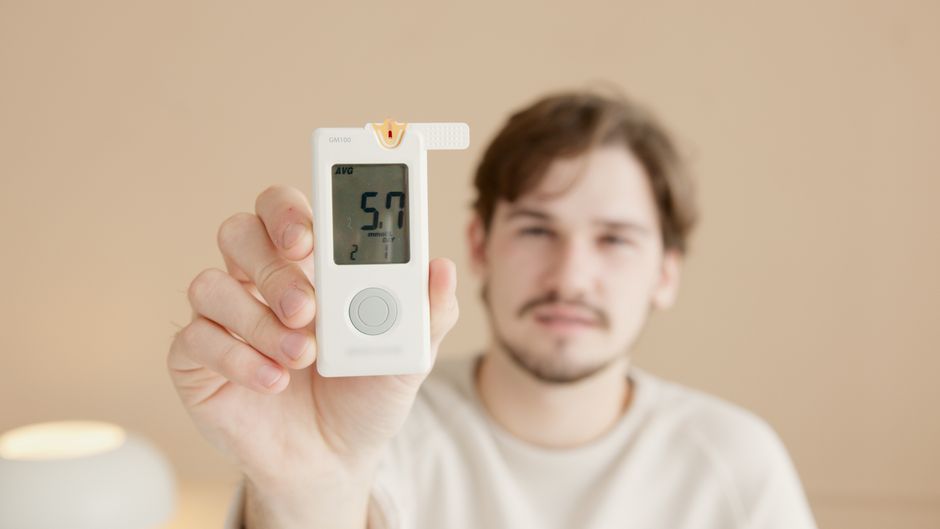
5. Your Blood Sugar Dips With Your Circadian Rhythm
Human alertness and metabolism follow a roughly 24-hour circadian rhythm regulated in part by the hypothalamus. Research from Brigham and Women’s Hospital, published in the Proceedings of the National Academy of Sciences, documented a natural decline in core body temperature and alertness in the early-to-mid afternoon. This circadian dip, sometimes called the post-lunch dip, occurs even in people who skip lunch, which means it is at least partly biological rather than meal-driven.
This dip lowers both energy and cognitive performance, and the brain often reaches for a quick-energy food source (usually something sugary or starchy) as a shortcut to alertness.
What to eat instead: Rather than fighting biology with willpower, time a small, balanced snack to arrive just before the dip hits. A combination of complex carbohydrate plus protein plus a small amount of fat provides a steady glucose release without a spike-and-crash pattern. Examples include an apple with almond butter, whole-grain crackers with hummus, or a small smoothie built with protein and fiber rather than fruit juice. How to pair foods for natural energy without afternoon crashes explains the macro logic behind snacks that keep focus steady through the 3pm window.
For a deeper look at how the timing of these triggers plays out across real eating patterns, afternoon cravings vs. true hunger: a case study of four readers who broke the 3pm snacking cycle is worth reading alongside this guide.

Putting It Together Without Overhauling Everything
You do not need to change every meal at once. Start with one of these five triggers, specifically the one that matches your typical morning or midday pattern, and adjust it consistently for a week before layering in another change. Sustainable habits build on small wins rather than wholesale overhauls.
If you find that the 3pm hunger spike shifts to the evening instead, why your evening hunger spikes after 7pm and four food timing shifts that calm it explores a closely related pattern worth addressing in sequence.
Consider signing up for the Clean Body Mentor newsletter for practical, weekly guidance on meals, movement, and whole-person wellness habits that fit real schedules.
This article is for general educational and informational purposes only and is not a substitute for medical advice, diagnosis, or treatment. Health needs vary by individual. Consult a qualified healthcare professional before making significant changes to your diet, exercise routine, supplements, medication, or treatment plan, especially if you have a medical condition, are pregnant or breastfeeding, take medication, or have concerns about your symptoms.
Sources
- Leidy, H. J., et al. (2015). The role of protein in weight loss and maintenance. American Journal of Clinical Nutrition. National Institutes of Health reference.
- Mattes, R. D., & Campbell, W. W. (2009). Effects of food form and timing of ingestion on appetite and energy intake. Journal of the American Dietetic Association.
- Millard-Stafford, M., et al. (2012). Thirst and hydration status in everyday life. Nutrition Reviews.
- Dempsey, P. C., et al. (2022). Interrupting prolonged sitting with brief bouts of light walking or simple resistance activities reduces fatigue and metabolic risk markers. Sports Medicine.
- Ayala, D. E., et al. (2013). Circadian rhythm of core body temperature and alertness. Referenced from research conducted at Brigham and Women’s Hospital, Proceedings of the National Academy of Sciences.