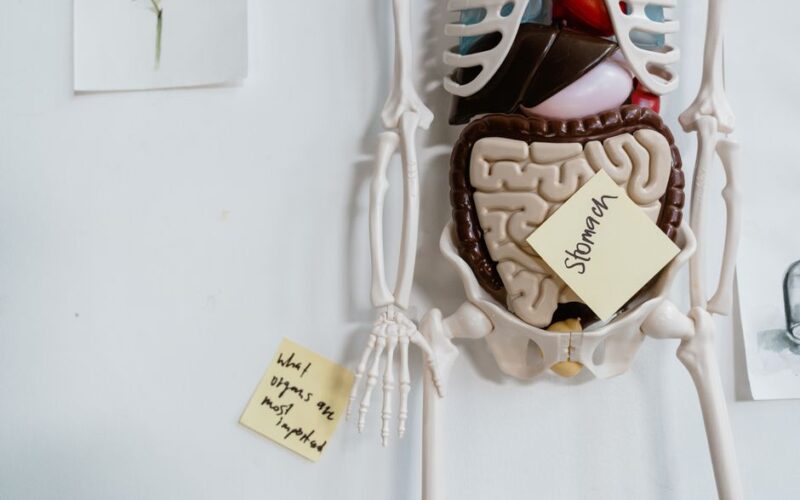

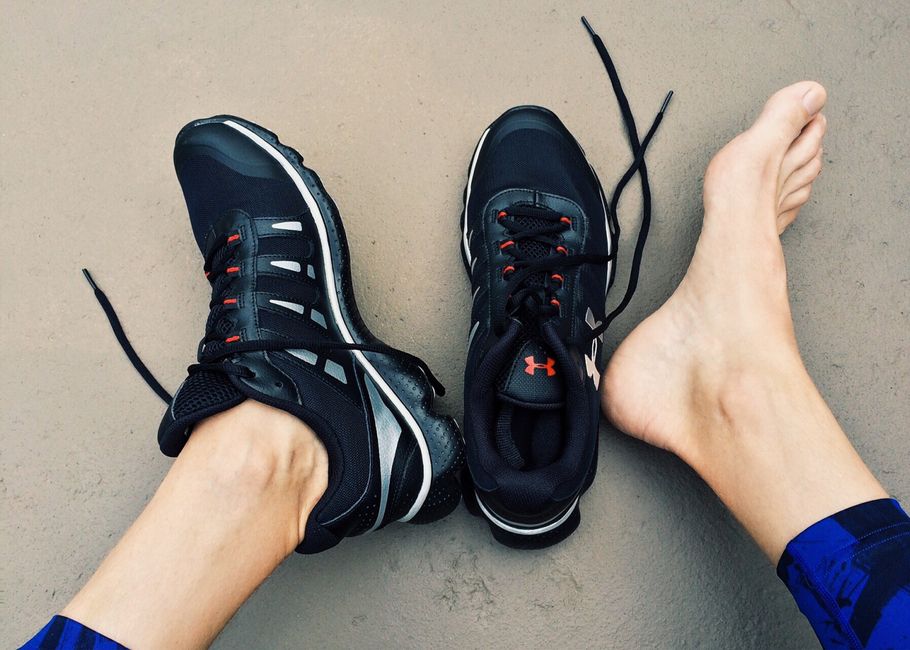
Your feet contain 26 bones, 33 joints, and more than 100 muscles, tendons, and ligaments. That architecture is designed for movement, but most of us spend the majority of our day in shoes that do much of the structural work for us. Now a growing wave of barefoot advocates argues that ditching cushioned footwear will restore natural foot strength, while podiatrists and sports medicine clinicians caution that the transition can cause real harm if done carelessly.
Both camps have a point. The question is not which approach is universally better for barefoot walking vs shoes foot strength. It is which approach fits your current foot condition, your terrain, and your lifestyle goals.
What Barefoot Walking Actually Does for Your Feet
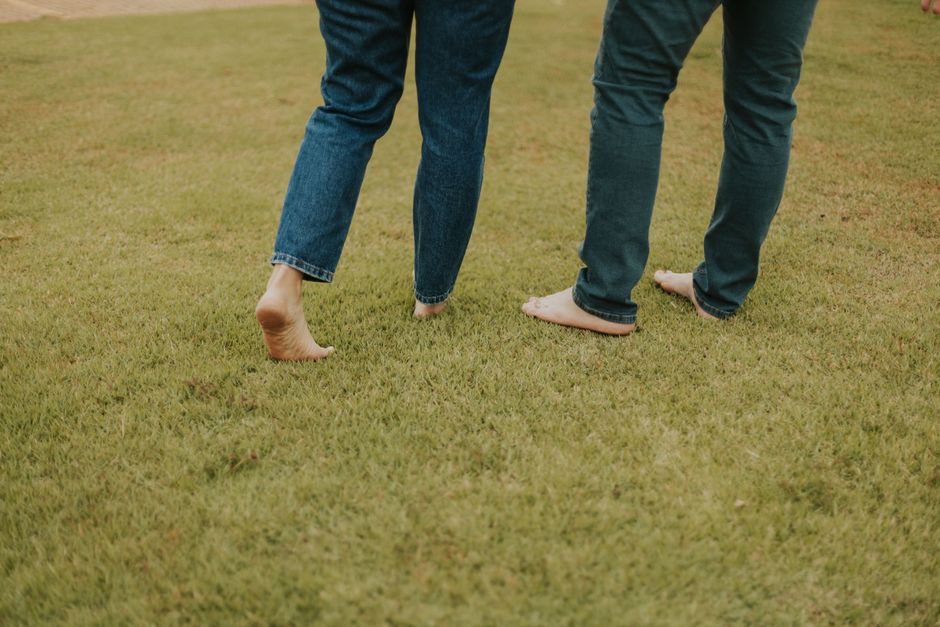
When you walk without shoes on soft, natural ground, your intrinsic foot muscles (the small muscles inside the foot itself) are recruited more actively than when a cushioned midsole does the stabilizing. A 2022 study published in Scientific Reports found that habitual barefoot walkers had significantly thicker, stiffer plantar fascia and larger toe flexor muscles compared to shoe-wearing adults. In practical terms, this translates to stronger arches, better balance, and improved proprioception, which is your body’s ability to sense where your foot is in space.
That sensory feedback matters beyond the foot itself. Research suggests that richer ground-contact information may improve gait mechanics and reduce compensatory patterns higher up in the kinetic chain, including the knees and hips.
Where barefoot walking shines:
- Soft grass, sand, or smooth indoor flooring
- Gradual transition programs (starting with 10-15 minutes daily)
- Foot-strengthening drills like toe spreads, single-leg balances, and short-foot exercises
- Individuals with naturally strong arches and no existing foot pathology
What Supportive Shoes Actually Do for Your Feet
Modern supportive footwear is engineered to absorb shock, control pronation, and reduce stress on vulnerable structures. For many adults, especially those with flat feet, plantar fasciitis, bunions, diabetes-related neuropathy, or a history of stress fractures, cushioned and structured shoes are genuinely protective, not just comfortable.
The American Academy of Orthopaedic Surgeons notes that people with certain biomechanical differences often benefit from arch support and motion control features to reduce overuse injury risk. On hard urban surfaces like concrete and asphalt, shoes also protect the plantar fascia and Achilles tendon from the kind of repetitive impact that unpadded feet struggle to absorb safely.
Where supportive shoes shine:
- Hard, uneven, or unpredictable terrain
- Longer distance walking or running (over 30-45 minutes)
- Individuals with existing foot conditions, recent lower-limb injuries, or chronic pain
- Cold, wet, or hazardous environments where skin integrity matters
If you are working on overall movement consistency, pairing good footwear with a sustainable habit like a walking plan for stress relief and mood can keep you progressing without foot strain becoming a barrier.
The Injury Risks: An Honest Look at Both Sides
Neither option is risk-free, and this is where the online debate often oversimplifies things.
Barefoot walking risks:
- Plantar fasciitis and Achilles tendinopathy from rapid load increases
- Metatarsal stress fractures, particularly in adults transitioning too quickly from heavily cushioned shoes
- Cuts, puncture wounds, and skin abrasions in outdoor environments
- Increased fall risk on slippery or unstable surfaces for older adults
Supportive shoe risks:
- Gradual weakening of intrinsic foot muscles over years of passive support
- Reduced proprioceptive sensitivity, which may contribute to ankle instability
- Toe box compression in narrow shoes, which can worsen bunions and hammer toes
- Potential overconfidence in cushioning, leading to higher impact forces than the body expects
A 2020 review in the British Journal of Sports Medicine concluded that transitioning to minimalist footwear requires a structured, progressive approach similar to beginning a new strength training program. Rushing the adaptation is consistently where injuries occur.
If you are building lower-body resilience more broadly, progressive bodyweight drills for calves and ankles are a logical complement to any footwear transition.
How to Choose or Blend Both Approaches
For most adults, the smartest strategy is not a binary choice. It is a thoughtful blend based on context.
Start here:
- Assess your baseline. Do you have flat feet, a history of plantar fasciitis, or current foot pain? If yes, consult a podiatrist or sports medicine physician before transitioning away from supportive shoes.
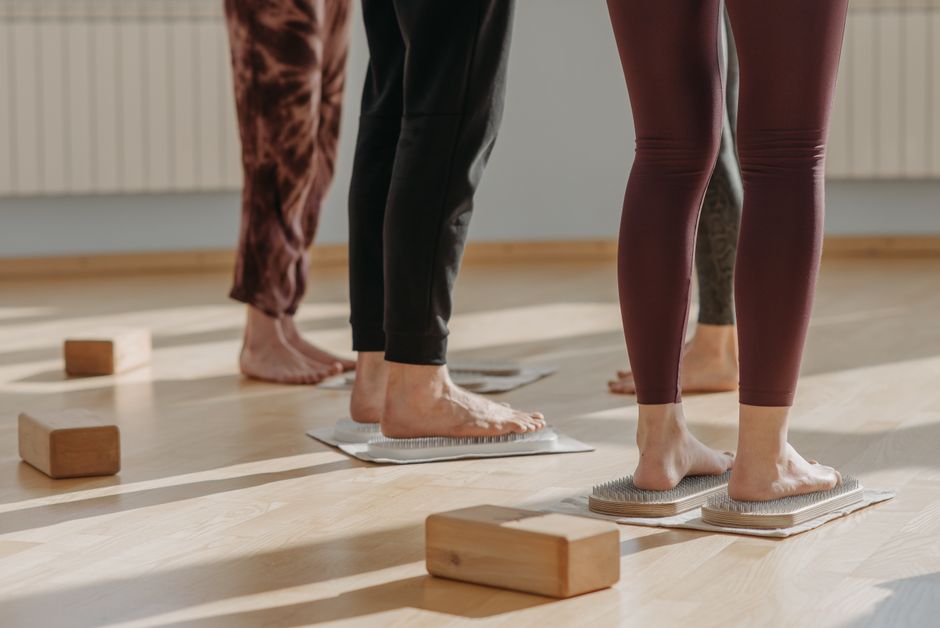
- Begin barefoot time indoors. Even 10-20 minutes of barefoot standing, toe exercises, or light walking on carpet or yoga mats each day begins rebuilding intrinsic muscle strength without injury risk.
- Progress terrain gradually. Move from indoor flooring to soft grass before attempting gravel, pavement, or long distances. This mirrors the gradual progression used in any solid home workout program.
- Keep supportive shoes for high-load or high-risk situations. Long walks on pavement, hilly terrain, and cold or wet days still call for appropriate footwear.
- Add targeted foot exercises. Toe splay holds, single-leg balances, and towel-scrunching drills build the same intrinsic muscles that barefoot walking develops, making them useful for people who cannot go barefoot safely.
Footwear middle ground: Wide-toe-box minimalist shoes (brands like Xero or Vivobarefoot) offer reduced cushioning and more sensory feedback without full barefoot exposure. They are a practical bridge for people who walk primarily on pavement.
A Practical Blending Template
Here is a simple weekly pattern that suits most healthy beginners:
- Morning (5-10 min): Barefoot toe and arch exercises on a yoga mat
- Short errands or indoor movement: Bare feet or minimalist house shoes
- Daily walk (20-45 min on pavement or uneven ground): Supportive shoes appropriate for the terrain
- Longer walks or hikes: Motion-controlled or cushioned shoes matched to distance and surface
This approach lets you build foot strength progressively without abandoning the protection that hard surfaces require. For ideas on making movement a consistent part of your day, building intuitive movement into your workday offers accessible strategies that pair naturally with foot-strengthening habits.
The Bottom Line
Barefoot walking and supportive shoes each develop different capacities. Barefoot time builds intrinsic foot muscle strength, proprioception, and sensory awareness. Supportive shoes protect against impact, reduce injury risk on demanding terrain, and remain essential for certain foot conditions. Research suggests that a gradual, blended approach, not a dramatic switch to either extreme, is the most sustainable path to stronger, healthier feet over time.
Choose one small action from this article, whether that is 10 minutes of barefoot indoor time today, a targeted toe exercise, or simply swapping to a wider toe box shoe. Consistency over weeks matters far more than perfection on day one. For more practical movement guidance, explore the Clean Body Mentor newsletter for weekly evidence-informed tips delivered to your inbox.
This article is for general educational and informational purposes only and is not a substitute for medical advice, diagnosis, or treatment. Health needs vary by individual. Consult a qualified healthcare professional before making significant changes to your diet, exercise routine, supplements, medication, or treatment plan, especially if you have a medical condition, are pregnant or breastfeeding, take medication, or have concerns about your symptoms.
Sources
- Holowka, N.B., et al. (2022). “Foot muscle size and plantar fascia stiffness in habitually barefoot vs. shod adults.” Scientific Reports. Nature Publishing Group.
- Esculier, J.F., et al. (2020). “Is combining gait retraining or an exercise programme with education better than education alone in runners with patellofemoral pain?” British Journal of Sports Medicine. BMJ Publishing Group.
- American Academy of Orthopaedic Surgeons. “Foot and Ankle Overview.” AAOS OrthoInfo (aaos.org).
- Lieberman, D.E. (2012). “What we can learn about running from barefoot running.” Exercise and Sport Sciences Reviews. National Institutes of Health, PubMed.