

You ate a reasonable dinner. You cleaned up the kitchen, settled onto the couch, and within an hour your stomach is signaling again. If this sounds familiar, you are not alone and you are not lacking willpower. Evening hunger control is less about discipline and more about what happened earlier in the day.
Research published in Obesity (2013, Scheer et al.) found that appetite-regulating hormones follow a circadian pattern: ghrelin, the hunger hormone, naturally peaks in the evening. Pair that biological tendency with a day that was low in protein or fiber, or one interrupted by stress and erratic meals, and nighttime cravings become almost predictable. The good news is that adjusting when and how you eat earlier in the day can make late-evening hunger noticeably quieter.

What Is Actually Driving the Craving
Before jumping to solutions, it helps to understand the three most common drivers of post-dinner hunger:
Blood sugar fluctuations. A dinner heavy in refined carbohydrates can cause a quick rise in blood sugar followed by a dip roughly 90 to 120 minutes later. That dip often reads as hunger even when your body has adequate energy stores. This is not a character flaw; it is physiology.
Insufficient protein or fiber earlier in the day. Both nutrients slow gastric emptying and support satiety hormones like peptide YY and GLP-1 (according to research compiled by the NIH’s National Library of Medicine). When breakfast and lunch are light on these, your body plays catch-up by evening.
Circadian and stress signals. Cortisol, which rises with stress, can suppress appetite during the day, only for hunger signals to reassert themselves once you relax at night. This pattern can make it feel like you are suddenly ravenous the moment you sit down.
If you have wondered whether your cravings are truly physical or something else, the guide on Emotional Hunger vs. Boredom Eating: A Case Study of How Four Readers Built Awareness Without Shame is a useful companion read.
Shift 1: Anchor Your Afternoon Snack With Protein and Fiber
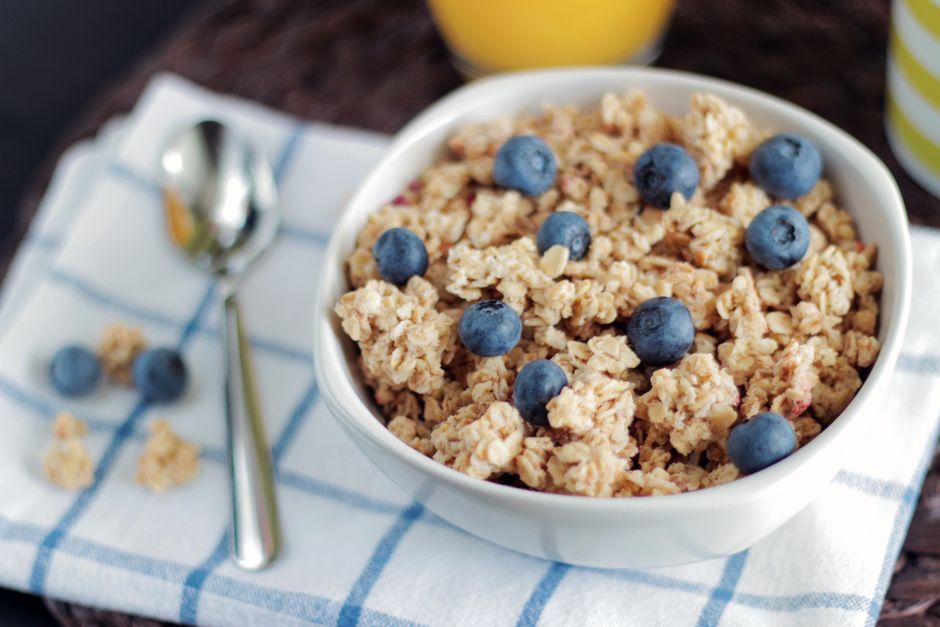
The most underestimated lever for evening hunger control is your 3pm to 4pm snack. Most people reach for crackers, fruit alone, or a handful of granola. These spike blood sugar briefly and leave you underfueled by dinnertime, which means you are more likely to eat a rushed, carb-heavy dinner and feel hungry again an hour later.
Instead, pair a slow-digesting carbohydrate with a protein source. A few practical options:
- Apple slices with two tablespoons of almond or peanut butter
- Greek yogurt with a tablespoon of chia seeds
- Hummus with raw vegetables and a small handful of pumpkin seeds
- A small portion of cottage cheese with berries
This approach stabilizes blood sugar going into dinner so you arrive hungry but not ravenous, and you are less likely to overload on carbohydrates. For more on why the afternoon window matters, see Afternoon Cravings vs. True Hunger: A Case Study of Four Readers Who Broke the 3pm Snacking Cycle.

Shift 2: Rebalance Your Dinner Macronutrients
A pasta-heavy or grain-dominant dinner is not inherently bad, but when protein and fiber are secondary players, blood sugar tends to drop faster after the meal. Research suggests that meals containing at least 25 to 30 grams of protein are more likely to sustain satiety through the evening (per a 2015 review in the American Journal of Clinical Nutrition).
A practical rebalance does not mean a dramatic overhaul. It might look like:
- Shrinking the pasta portion and adding a palm-size piece of salmon or chicken
- Swapping white rice for a half-and-half mix of cauliflower rice and brown rice
- Adding a side of roasted lentils or white beans to a vegetable-based dinner
- Starting the meal with a broth-based soup or a salad with chickpeas before the main course
The eating-order approach has real support. Digestive Comfort Through Eating Order and Pace: Why Timing Your Food Matters More Than Portion Size explains how starting with fiber-rich vegetables before the carbohydrate-heavy portion of your meal can blunt the glucose spike that sets up later cravings.

Shift 3: Front-Load Calories and Protein Earlier in the Day
This shift requires the longest runway to feel, but it consistently produces the most durable results. When breakfast and lunch are nutrient-dense and satisfying, your body is not trying to compensate for a calorie and protein shortfall in the evening hours.
This does not require a large breakfast if you are genuinely not hungry in the morning. It means making sure your first two meals contain meaningful protein, healthy fat, and fiber rather than skipping meals or relying on coffee and a granola bar until noon.
A useful starting point: Building a Breakfast Routine for Stable Morning Energy: Protein, Timing, and Real-Life Combinations covers practical, realistic options for people who are not natural breakfast eaters.
Meal Timing for Stable Blood Sugar and Sustained Energy: Why When You Eat Matters as Much as What You Eat also provides a broader framework for understanding how calorie and nutrient distribution across the day affects hunger patterns.

Shift 4: Adjust Your Evening Hydration Pattern
Thirst and hunger share overlapping signals, and many people are mildly dehydrated by evening without realizing it. If your fluid intake was low during the day, your body may interpret the deficit as hunger once activity slows and you become more aware of internal signals.
A few low-effort adjustments:
- Drink a full glass of water 20 to 30 minutes before dinner to distinguish true hunger from thirst
- Set a reminder to sip water or herbal tea between 6pm and 8pm
- Try a warm, caffeine-free herbal tea (ginger, chamomile, or peppermint) after dinner. The warmth, volume, and ritual can reduce the impulse to snack significantly
Caffeine-free herbal teas deserve a mention here: they support digestion, provide a sensory experience that mimics eating, and do not disrupt sleep. For specific blends worth trying, Herbal Tea for Digestion and Recovery: A Tasting Guide to Blends That Actually Work After Meals and Workouts is worth bookmarking.
It is also worth noting that eating late and eating frequently in the hours before sleep can affect sleep quality. If you find that evening snacking leaves you feeling heavy or restless at bedtime, the guide Building Better Sleep Without a Bedroom Overhaul: How Meal Timing and Evening Digestion Shape Rest covers the connection in practical detail.

One Small Action Worth Starting Tonight
You do not need to change everything at once. Pick the one shift that fits your current routine most easily. For many people, upgrading the afternoon snack from a simple carbohydrate to a protein-and-fiber combination is the change that produces the fastest noticeable difference in evening hunger control.
Practice it consistently for a week before adding another adjustment. Sustainable habits build on small, repeated wins rather than complete overhauls.
If you want weekly practical guidance on nutrition, movement, and whole-person wellness delivered simply, consider joining the Clean Body Mentor newsletter.

Sources
- Scheer FA et al. (2013). Obesity. “Circadian rhythms in the human plasma proteome.” Related ghrelin circadian peak data is supported by research at Brigham and Women’s Hospital (Harvard).
- Leidy HJ et al. (2015). American Journal of Clinical Nutrition. “The role of protein in weight loss and maintenance.”
- National Library of Medicine (NIH). Overview of satiety hormones including GLP-1 and peptide YY. Available at nlm.nih.gov.
This article is for general educational and informational purposes only and is not a substitute for medical advice, diagnosis, or treatment. Health needs vary by individual. Consult a qualified healthcare professional before making significant changes to your diet, exercise routine, supplements, medication, or treatment plan, especially if you have a medical condition, are pregnant or breastfeeding, take medication, or have concerns about your symptoms.