


You ate a reasonable breakfast. You chose a decent lunch. And yet by 3pm you are staring at a vending machine or reaching for your third cup of coffee. Sound familiar?
The problem might not be what you ate. It might be when you ate it, and how much time passed between each meal. Meal timing for energy is one of the most underrated levers you can pull for feeling steadier, sharper, and less hungry throughout the day. And the good news: you do not need to track macros obsessively or eat at exact 90-minute intervals to see a difference.
Here is a practical guide to how meal timing works and what you can actually do about it.
Why Blood Sugar Rhythm Drives Your Energy (Not Just Your Food Choices)
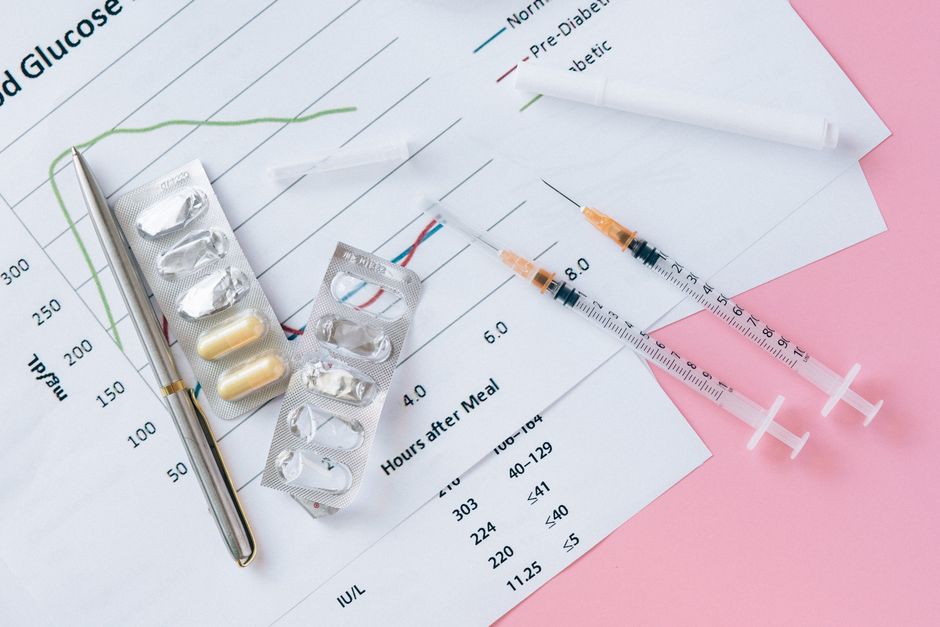
Every time you eat carbohydrates, your blood glucose rises. Your pancreas releases insulin to move that glucose into your cells. When this process is well-paced, you feel alert and satisfied. When the rise is too sharp or too prolonged, the correction can overshoot, leaving you tired, foggy, and craving sugar again.
Research published in Cell Metabolism (Sonnenberg et al., 2015, as cited in subsequent glycemic variability reviews) and studies through the National Institute of Diabetes and Digestive and Kidney Diseases confirm that frequent large glucose swings are associated with fatigue, irritability, and increased hunger, even in people without diabetes.
Meal timing shapes how pronounced those swings become. Going five or six hours between meals without protein or fiber to slow digestion often leads to a sharper glucose drop, a bigger hunger signal, and a stronger craving for fast-absorbing carbohydrates when you finally do eat. That cycle is self-reinforcing.
For a closer look at how the order of foods within a single meal affects this process, see Protein Sequencing for Stable Blood Sugar: Why the Order You Eat Your Meal Matters.

How to Structure Your Eating Windows for Steadier Energy
You do not need to eat six meals a day. But you probably do need to stop treating meal gaps as a test of willpower. Here is a pattern that research suggests works well for most healthy adults.
Space Main Meals Roughly 4 to 5 Hours Apart
Aiming for three meals spaced about four to five hours apart gives your digestive system time to clear the previous meal while preventing glucose from dropping so far that hunger becomes urgent. A 2019 review in Advances in Nutrition found that consistent meal timing, compared to erratic eating patterns, was associated with better metabolic outcomes and lower reported fatigue.
A practical example:
- Breakfast around 7:00 to 8:00am
- Lunch around 12:00 to 1:00pm
- Dinner around 5:30 to 7:00pm
This is a rough framework, not a rule. Shift it to match your actual life.
Front-Load More of Your Calories Earlier
Your body processes carbohydrates more efficiently earlier in the day. Insulin sensitivity tends to be higher in the morning and decreases through the afternoon, according to research published in the Proceedings of the Nutrition Society (Pot et al., 2016). This means the same portion of rice or bread raises blood sugar less at breakfast than it does at 9pm.
Practically, this does not mean skipping dinner. It means making breakfast and lunch do more of the nutritional heavy lifting, and keeping your evening meal a bit lighter if late-night blood sugar spikes and disrupted sleep are patterns you notice.
Meal Timing for Hormonal Balance: Why When You Eat Shapes Your Metabolism and Mood goes deeper into how this timing shift interacts with hormones beyond insulin.
Use a Strategic Afternoon Snack, Not a Random One
If four to five hours between lunch and dinner leaves you genuinely hungry, a small afternoon snack is a practical bridge, but the composition matters. A snack that pairs protein with a small amount of fiber-rich carbohydrate digests slowly enough to prevent another spike-and-crash cycle.
Options that tend to work well:
- Plain Greek yogurt with a few berries
- A small handful of almonds with an apple
- Cottage cheese with sliced cucumber
This is very different from grabbing a granola bar or a sweetened coffee drink, both of which deliver a quick glucose hit followed by another crash. For more ideas, Seven High-Protein Snacks That Keep You Full Without Bars or Powders has practical real-food options.
Do Not Skip Breakfast to “Save” Calories
Skipping breakfast is a common instinct for people trying to eat less, but research suggests it often backfires. A 2017 study in Obesity found that people who skipped breakfast consumed more calories at lunch and showed greater glycemic variability across the day than those who ate a balanced morning meal.
You do not need a large or elaborate breakfast. A meal that includes protein (eggs, Greek yogurt, cottage cheese, legumes) along with some fiber from vegetables or whole grains can anchor your blood sugar rhythm for the rest of the day. Five Whole-Food Breakfast Combinations That Stabilize Morning Energy Without Refined Sugar or Heavy Carbs offers beginner-friendly ideas.

Timing Around Movement Adds Another Layer
Eating and physical activity interact more than most people realize. A short walk after a meal, even just 10 to 15 minutes, helps muscles absorb glucose more efficiently, reducing post-meal blood sugar spikes. A meta-analysis in Sports Medicine (2022) found that post-meal walking lowered postprandial glucose by a meaningful margin compared to sitting.
If you work a desk job, a brief walk after lunch may be one of the highest-value habits you can add. Walking for Digestion: How Post-Meal Movement Supports Gut Health and Blood Sugar covers how to make this habit stick without disrupting your workday.

What About Skipping Meals Intentionally?
Intermittent fasting has real supporters and real evidence, but it is not a universal answer. For some people, compressing the eating window works well. For others, it amplifies hunger hormones in ways that lead to overeating or blood sugar instability. If you are curious about how it compares to regular meal timing, Intermittent Fasting vs. Regular Meal Timing: Which Eating Pattern Actually Supports Your Weight Loss and Energy Goals walks through the tradeoffs clearly.
If you have a history of disordered eating, diabetes, or take blood-sugar-affecting medications, please consult a registered dietitian before experimenting with fasting windows.

One Small Step to Start
You do not need to overhaul your schedule. Pick one change from this guide and practice it consistently for two weeks:
- Add a protein source to your breakfast if you are not already eating one.
- Move dinner 30 minutes earlier and observe how your evening hunger and sleep feel.
- Take a 10-minute walk after lunch and notice whether your 3pm energy holds better.
Small, consistent shifts in meal timing tend to compound. If you want more support building practical nutrition habits, subscribing to the Clean Body Mentor newsletter delivers one approachable wellness strategy to your inbox each week.
This article is for general educational and informational purposes only and is not a substitute for medical advice, diagnosis, or treatment. Health needs vary by individual. Consult a qualified healthcare professional before making significant changes to your diet, exercise routine, supplements, medication, or treatment plan, especially if you have a medical condition, are pregnant or breastfeeding, take medication, or have concerns about your symptoms.

Sources
- National Institute of Diabetes and Digestive and Kidney Diseases. Blood Glucose and Insulin. U.S. Department of Health and Human Services.
- Pot GK, et al. “Meal irregularity and cardiometabolic consequences.” Proceedings of the Nutrition Society, 2016.
- Leidy HJ, et al. “The role of protein in weight loss and maintenance.” American Journal of Clinical Nutrition, 2015.
- Jakubowicz D, et al. “High caloric intake at breakfast vs. dinner differentially influences weight loss.” Obesity, 2017.
- Buffey AJ, et al. “The acute effects of interrupting prolonged sitting with light walking or simple resistance activities on biomarkers of cardiometabolic health.” Sports Medicine, 2022.
- Ruddick-Collins LC, et al. “Timing of daily calorie loading affects appetite and hunger responses without changes in energy metabolism.” Advances in Nutrition, 2019.