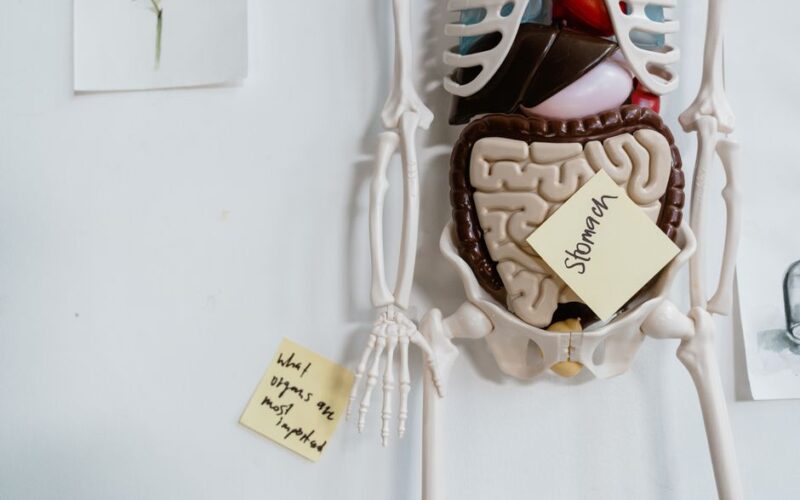


Most people eat the way they were raised to: bread or chips first while waiting for the main course, a bite of pasta before the chicken, crackers while the soup cools down. It feels harmless, but research suggests the order in which you eat food groups at a single meal can have a meaningful impact on your blood sugar response, your hunger hormones, and how full you feel two hours later.
This is called protein sequencing (sometimes meal sequencing or food order), and it does not require you to change what you eat, count anything, or follow a restrictive eating plan. It simply asks you to rearrange what is already on your plate.
What the Research Actually Shows
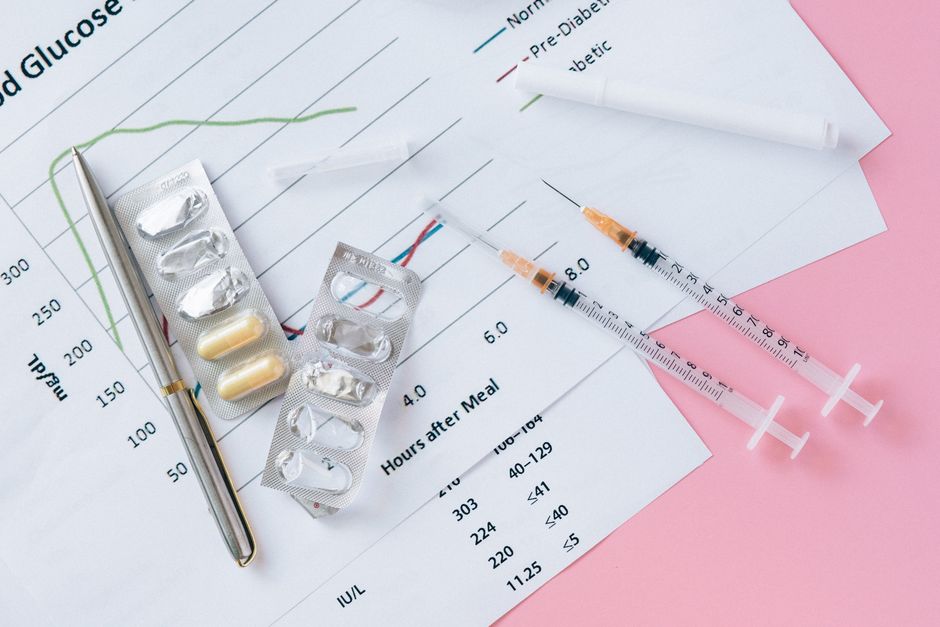
A well-cited 2015 study published in Diabetes Care (Cornell University researchers Alpana Shukla and colleagues) found that participants with type 2 diabetes had significantly lower blood glucose levels after eating protein and vegetables before carbohydrates compared to eating carbohydrates first, even though every meal contained the exact same foods. Glucose levels at 30 and 60 minutes post-meal were notably lower in the protein-and-vegetable-first condition.
A follow-up study from the same group, published in BMJ Open Diabetes Research and Care in 2017, extended findings to people without diabetes. Participants who ate protein and fat before carbohydrates showed reduced glucose and insulin peaks compared to those who ate carbohydrates first.
The proposed mechanism involves two main pathways. First, protein and fat slow gastric emptying, meaning food moves more gradually from your stomach into the small intestine. Slower gastric emptying translates to a gentler, more gradual release of glucose into your bloodstream. Second, eating protein early stimulates glucagon-like peptide-1 (GLP-1), a gut hormone that reduces appetite and improves insulin sensitivity. You may have heard of GLP-1 in connection with certain diabetes and weight-loss medications; protein sequencing is one natural way to trigger a modest version of that same response.
Research also suggests that fiber eaten before carbohydrates can blunt glucose spikes, since soluble fiber forms a viscous barrier in the gut that slows carbohydrate absorption. This is why the practical recommendation is protein and non-starchy vegetables before starches and sugars, not protein alone.
For a broader look at how energy crashes and blood sugar stability connect to your meal choices throughout the day, that guide covers complementary strategies worth pairing with sequencing.

How to Apply Protein Sequencing at Each Meal
The core principle is straightforward: start with protein and non-starchy vegetables, then move to starchy carbohydrates or sweets once you have taken several bites of each.
Breakfast
Breakfast is often the most carbohydrate-heavy meal of the day: cereal, toast, orange juice, pastries. If you want to experiment with protein sequencing here, try eating your eggs, Greek yogurt, or cottage cheese before touching your toast or fruit.
- Scrambled eggs with spinach eaten first, then a slice of whole grain toast
- Plain Greek yogurt with a few nuts before adding a drizzle of honey or granola
- A high-protein smoothie base (protein powder, plain yogurt) before blending in banana
If building a satisfying high-protein morning feels challenging, this practical guide to high-protein breakfast ideas for steady energy and satiety walks through specific combinations that hold hunger effectively.
Lunch
Lunch is where sequencing becomes easy to practice because many meals already separate components: a salad, a protein, a grain.
- Start with your salad or roasted vegetables, then your chicken, fish, or legumes, then rice or bread
- If eating a grain bowl, mix-and-eat everything except save the higher-carb elements like quinoa or corn to phase in after your first several bites of greens and protein
- Soup with a roll: finish most of the broth and protein-rich ingredients before tearing into the bread
For ideas that turn this approach into a satisfying midday meal, building a high-protein lunch that holds your energy until dinner is a useful companion resource.
Dinner
Dinner tends to be the meal where people feel most locked into a routine. The simplest shift is serving yourself vegetables and protein on your fork before starchy sides.
- Roasted salmon and broccoli first, then pasta or potatoes
- Stir-fry: eat the vegetables and tofu before scooping in the rice
- At a restaurant, ask for salad first and resist the bread basket until your entree arrives
Snacks
Snack sequencing works the same way on a smaller scale. If your snack combines protein and carbohydrate, eat the protein element first.
- Apple slices and almond butter: a few bites of almond butter before adding apple
- Crackers and hummus: eat hummus first with a vegetable, then add crackers
- Cheese and fruit: cheese before grapes or berries
For snack timing strategies that work alongside sequencing, snack timing for sustained energy covers when to eat between meals to avoid afternoon crashes.
Realistic Expectations and Who Benefits Most
Protein sequencing is not a replacement for overall dietary quality or medical care. If you have type 2 diabetes, prediabetes, or insulin resistance, the effect sizes in the studies above are clinically meaningful and worth discussing with your healthcare provider or a registered dietitian. For generally healthy adults, the benefit is more moderate but still practical: smoother energy, reduced post-meal sleepiness, and improved satiety, which may support sustainable weight management over time without any restriction.
It is also worth noting that most of the studies use controlled lab settings. Real-life meals are messier. You do not need to rigidly eat every bite of protein before touching a carbohydrate. Even shifting your general eating pattern toward protein-and-vegetable-forward meals appears to support a lower glycemic response.
If you are curious how afternoon energy crashes connect to food pairing decisions, that guide explains which meal combinations consistently perform best for blood sugar stability throughout the day.

One Small Shift to Start
You do not need to overhaul your diet to experiment with protein sequencing. Pick one meal today, look at your plate, and eat the protein and vegetables first. That is the whole experiment. If it feels easier after a week, apply it to a second meal.
Progress over perfection is what sustainable habits actually look like. If you want more practical, evidence-informed guidance on building a diet that supports steady energy and a healthy weight, consider signing up for the Clean Body Mentor newsletter for weekly ideas you can use right away.
This article is for general educational and informational purposes only and is not a substitute for medical advice, diagnosis, or treatment. Health needs vary by individual. Consult a qualified healthcare professional before making significant changes to your diet, exercise routine, supplements, medication, or treatment plan, especially if you have a medical condition, are pregnant or breastfeeding, take medication, or have concerns about your symptoms.
Sources
- Shukla AP, et al. “Food Order Has a Significant Impact on Postprandial Glucose and Insulin Levels.” Diabetes Care, 2015. Cornell University.
- Shukla AP, et al. “Meal Sequence and Postprandial Glucose Excursion in Type 2 Diabetes.” BMJ Open Diabetes Research and Care, 2017.
- Falony G, et al. Research on GLP-1 and dietary protein: general reference to peer-reviewed gastroenterology literature on incretin hormone responses to protein intake.
- Weickert MO, Pfeiffer AFH. “Impact of Dietary Fiber Consumption on Insulin Resistance and the Prevention of Type 2 Diabetes.” Journal of Nutrition, 2018 (Oxford Academic).