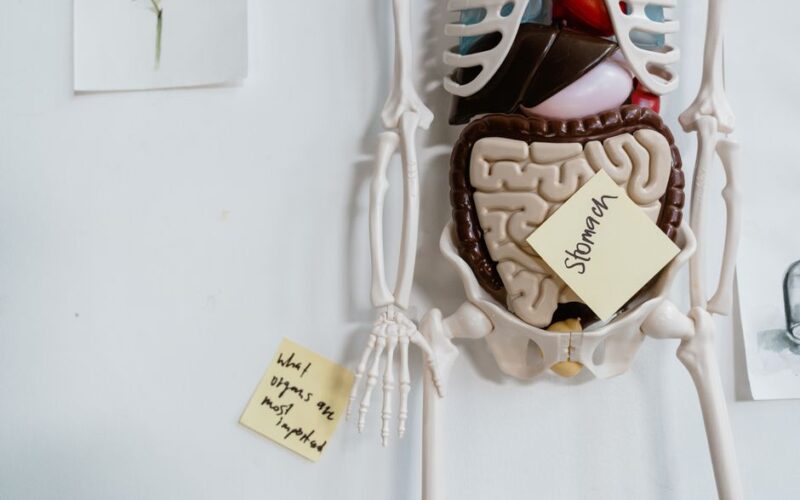

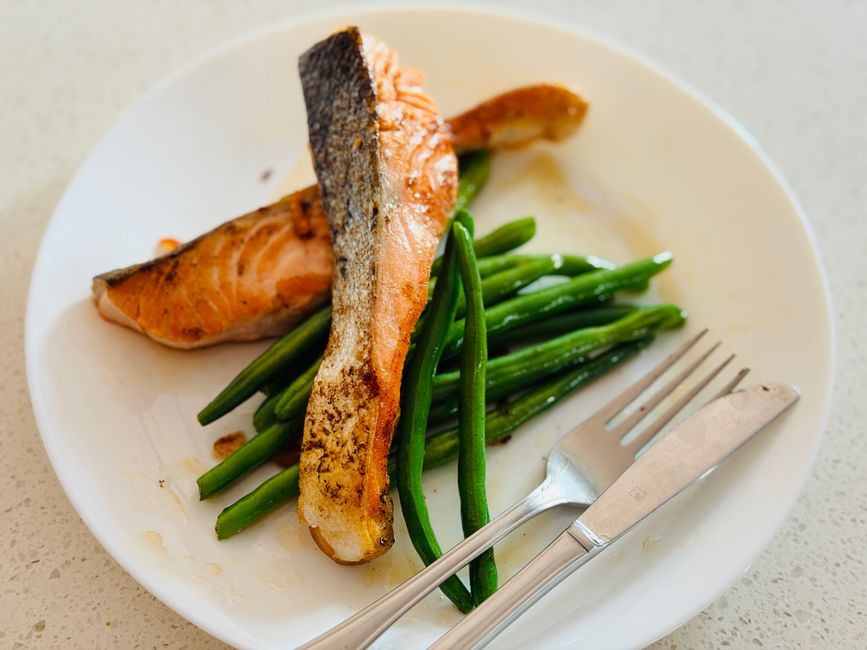
You eat lunch, feel okay for an hour, then hit a wall somewhere around 3 p.m. Sound familiar? That cycle often traces back to a midday meal that does not deliver enough protein or pairs too many refined carbohydrates together without the nutrients to slow digestion and steady blood sugar.
A well-built high-protein lunch for sustained energy does not have to be complicated. It just needs a few reliable components working together. Below you will find the framework and then seven real lunch combinations you can use starting today.
Why Protein at Lunch Changes Your Whole Afternoon
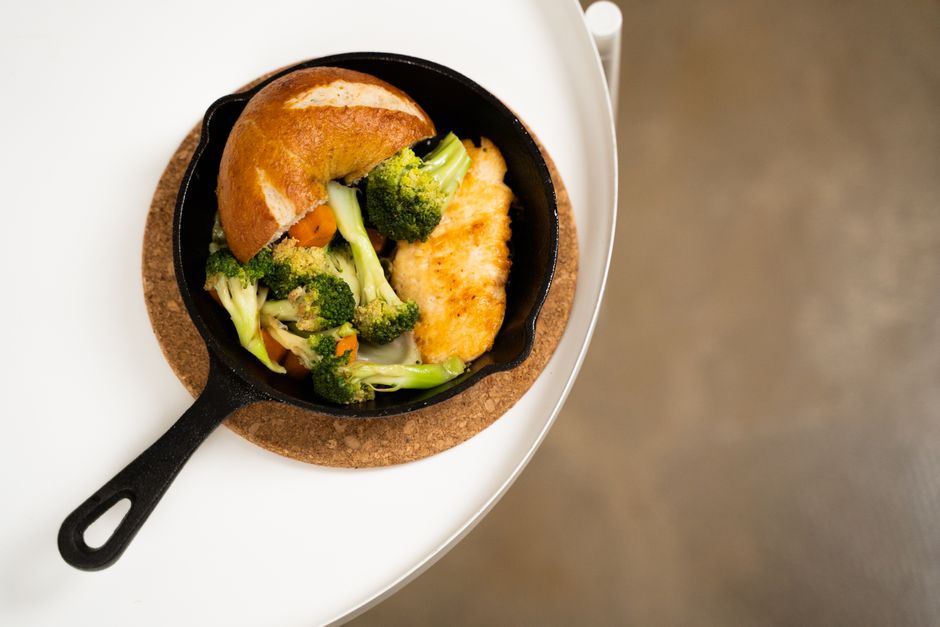
Protein takes longer to digest than simple carbohydrates, and research suggests it triggers satiety hormones, including peptide YY and GLP-1, more effectively than fat or carbohydrate alone (National Institute of Diabetes and Digestive and Kidney Diseases). That delayed gastric emptying is what keeps you feeling full and mentally sharp rather than foggy and hungry by mid-afternoon.
Aim for roughly 25 to 40 grams of protein at lunch, a range supported by several satiety and muscle-protein-synthesis studies. Pairing that protein with fiber-rich vegetables and a moderate portion of complex carbohydrates gives you a blood-sugar curve that rises gradually and falls gently, rather than spiking and crashing. For a deeper look at how macro combinations influence energy throughout the day, Eating for Sustained Energy Without the Afternoon Crash: Macro Combinations That Actually Work covers the science clearly.
If you also want to carry that energy strategy earlier in the day, Building a High-Protein Breakfast That Actually Keeps You Full Until Lunch offers a useful companion approach.
The Simple Formula Behind Every Combination Below
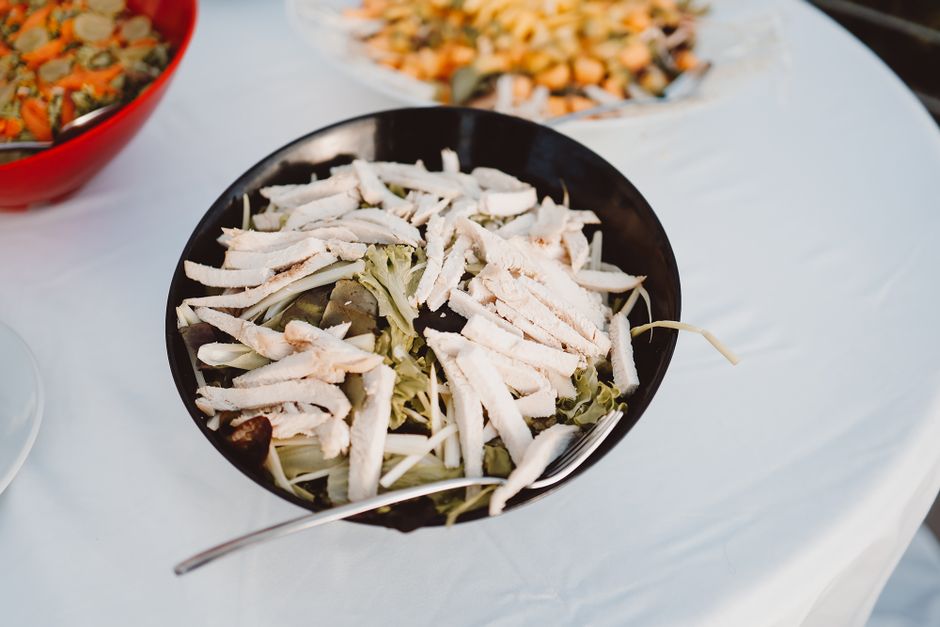
Every lunch on this list follows the same quiet logic:
- 25-40 g protein from a whole-food source (animal or plant-based)
- Fiber-rich vegetables or legumes to slow digestion and add micronutrients
- A modest portion of complex carbohydrates to fuel the brain without spiking glucose
- A small amount of healthy fat to extend satiety and help absorb fat-soluble vitamins
This is not a rigid rule. It is a useful lens. Once you recognize the pattern, you can apply it to almost any cuisine or dietary preference.
7 High-Protein Lunch Combinations That Actually Hold You
1. Greek Yogurt Chicken Salad Wrap
Swap mayonnaise for plain Greek yogurt (about 17 g protein per cup) and mix in rotisserie chicken, chopped celery, Dijon mustard, and a squeeze of lemon. Serve in a whole-grain tortilla with a handful of spinach. Total protein: roughly 35-40 g depending on portion size. Greek yogurt adds both protein and probiotics, which may support gut health and digestion.
2. Lentil and Roasted Vegetable Bowl
Cooked green or brown lentils (about 18 g protein per cup) paired with roasted zucchini, bell peppers, and chickpeas, drizzled with tahini and a little lemon juice. Add half a cup of cooked farro or brown rice for complex carbohydrates. This plant-based combination delivers protein, iron, and a significant fiber payload to keep hunger quiet all afternoon.
3. Canned Salmon Over Greens With White Beans
Canned salmon is one of the most underrated high-protein lunch shortcuts: roughly 22 g of protein per 3-ounce serving, plus omega-3 fatty acids. Flake it over arugula with white beans, cherry tomatoes, and a simple olive oil and red wine vinegar dressing. White beans add another 8-10 g of protein and a generous dose of fiber. This bowl comes together in under five minutes.
4. Egg and Hummus Grain Bowl
Two hard-boiled or jammy eggs (12 g protein), a quarter cup of hummus (5 g protein), and a scoop of cooked quinoa (8 g per cup) over mixed greens with cucumber, olives, and a sprinkle of za’atar. This combination draws on complementary plant and animal proteins. Quinoa is one of the few plant foods containing all nine essential amino acids (per USDA FoodData Central).
5. Ground Turkey and Black Bean Taco Bowl
Cook seasoned ground turkey (about 22 g protein per 3 oz) with onion, garlic, and cumin. Serve over romaine with black beans, salsa, a small scoop of brown rice, and plain Greek yogurt instead of sour cream. The combination of turkey and legumes pushes protein well above 35 g while keeping the meal colorful and filling. This also reheats well, making it ideal for meal prep.
6. Cottage Cheese and Roasted Veggie Flatbread
Spread half a cup of low-fat cottage cheese (14 g protein) on a whole-grain flatbread or pita. Top with roasted cherry tomatoes, sauteed spinach, and a drizzle of olive oil. Add sliced turkey breast if you want more protein. Cottage cheese is rich in casein protein, which digests slowly and may help sustain fullness longer than faster-digesting whey.
7. Tofu Stir-Fry With Edamame and Brown Rice
Firm tofu (about 20 g protein per cup) stir-fried with edamame, snap peas, broccoli, and a low-sodium soy-ginger sauce served over brown rice. Edamame contributes an additional 8 g of protein per half-cup. This plant-forward meal is high in fiber and antioxidants, and the complex carbohydrates in brown rice provide lasting fuel without spiking blood sugar sharply.
Small Choices That Amplify Any of These Meals
Beyond the combinations themselves, a couple of small habits can sharpen the energy benefit:
- Eat protein first or early in the meal. Research published in journals covering glycemic response suggests eating protein and fiber before refined carbohydrates can blunt the postmeal blood sugar rise. For more on this, Protein Sequencing: Why the Order You Eat Carbs and Protein Matters for Blood Sugar and Hunger is worth reading.
- Stay hydrated through the meal and afterward. Mild dehydration mimics hunger and fatigue. A glass of water before or during lunch can help you read satiety signals accurately. For specifics on hydration and energy, see Hydration for Energy and Mood: Why Water Timing Matters More Than You Think.
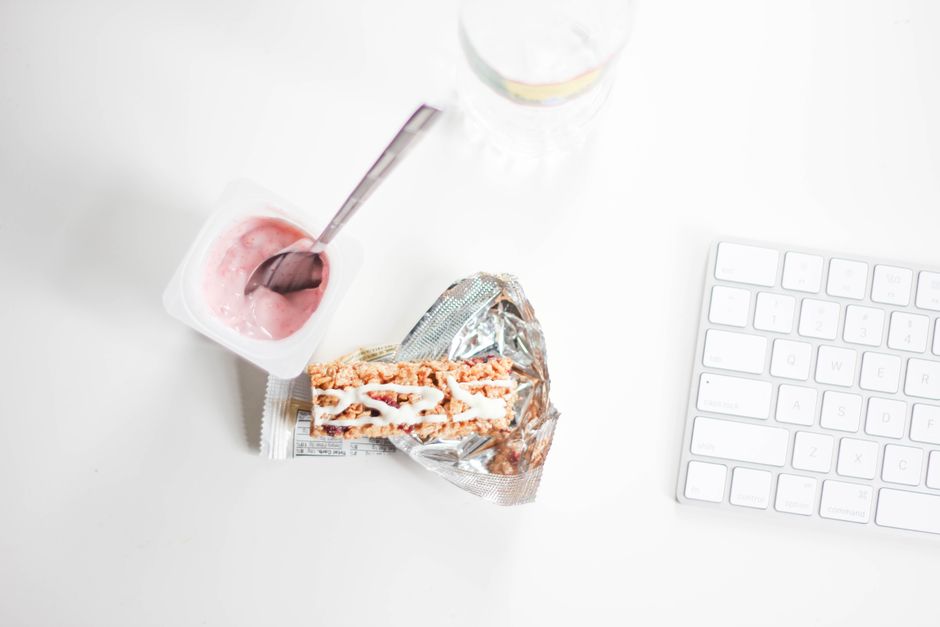
- Watch the refined-carb ratio. A sandwich made with white bread, a bag of chips, and a sweet drink is not really a protein-forward lunch, even if it contains some protein. The carbohydrate load will outpace the protein’s stabilizing effect.
Putting This Into Practice
You do not have to overhaul every meal at once. Pick one combination from the list above that fits your schedule and tastes this week. Cook it two or three times. Notice how your energy and hunger feel through the afternoon compared to your usual lunch.
Gradual progress is more sustainable than a dramatic overhaul. Even shifting one lunch per week toward a higher-protein, more nutrient-dense option builds a real habit over time.
If you find your appetite or snack cravings keep pulling you off course in the late afternoon, Afternoon Energy Crashes and Food Pairing: Which Meal Combinations Stabilize Blood Sugar Best explores that specific problem in detail.
For more practical weekly guidance on balanced eating and sustainable habits, consider joining the Clean Body Mentor newsletter.
Sources
- National Institute of Diabetes and Digestive and Kidney Diseases (NIDDK): information on satiety hormones and protein digestion
- USDA FoodData Central: nutrient profiles for quinoa, lentils, canned salmon, cottage cheese, and tofu
- Published reviews on protein and satiety via PubMed (search: dietary protein satiety hormones GLP-1 peptide YY)
This article is for general educational and informational purposes only and is not a substitute for medical advice, diagnosis, or treatment. Health needs vary by individual. Consult a qualified healthcare professional before making significant changes to your diet, exercise routine, supplements, medication, or treatment plan, especially if you have a medical condition, are pregnant or breastfeeding, take medication, or have concerns about your symptoms.