When stress builds up, two practices come up again and again as evidence-informed tools for calming your nervous system: breathwork and meditation. They are often lumped together, and understandably so. Both involve slowing down, paying attention, and shifting your physiological state. But they work through different mechanisms, feel quite different in the moment, and suit different people and situations.
If you have tried one and found it frustrating, or if you are new to both and not sure where to start, this comparison will help you figure out which approach to try first and whether combining them might serve you best.

How Each Practice Affects Your Nervous System
Understanding the basic biology makes the choice much clearer.
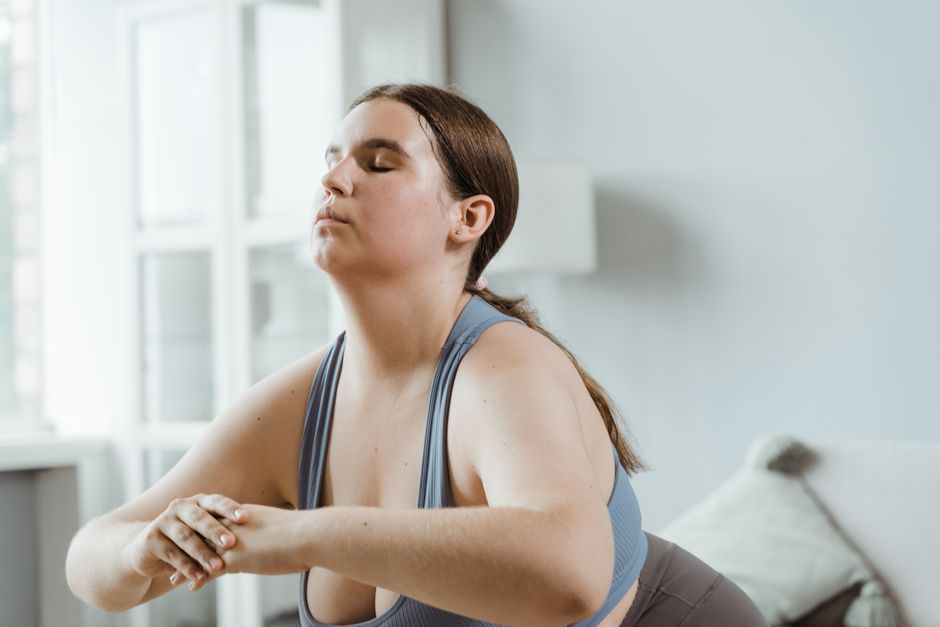
Breathwork uses deliberate manipulation of your breathing rate, depth, or rhythm to directly influence your autonomic nervous system. Slow, extended exhales activate the parasympathetic branch, often called the rest-and-digest system, by stimulating the vagus nerve. Research published in the journal Cell Reports Medicine (2023) found that just five minutes of structured breathwork, including box breathing and cyclic sighing, produced measurable reductions in self-reported anxiety and physiological arousal compared to an equivalent mindfulness session. Because breathing is a voluntary action with direct ties to involuntary nervous-system regulation, you can shift your stress response relatively quickly, sometimes within a few minutes.
Meditation, particularly mindfulness-based forms, works more through attention training. You observe your thoughts, sensations, and emotions without trying to control them. Over time, this builds what researchers call cognitive flexibility, loosening the grip that stressful thoughts have over your mood and behavior. A substantial body of evidence, including a 2014 meta-analysis in JAMA Internal Medicine, found that mindfulness-based programs produced moderate improvements in anxiety, depression, and pain. These changes tend to be more gradual, building over weeks rather than sessions.
In short, breathwork can produce faster, more immediate physiological relief. Meditation tends to build deeper, longer-term shifts in how you relate to stress.
When Breathwork Has the Edge
Breathwork tends to work better for you if:
- You feel anxious or wound up right now and need something that works within minutes
- You have a busy, fragmented schedule and cannot commit to a quiet 15-20 minute sitting practice
- Your mind races when you try to sit still, making traditional meditation feel defeating
- You are drawn to something with a tangible, physical sensation you can feel immediately
- You are newer to stress-management practices and want fast feedback that something is working
Techniques worth trying include box breathing (inhale 4 counts, hold 4, exhale 4, hold 4), the 4-7-8 pattern, and cyclic sighing, which involves a double inhale through the nose followed by a long exhale through the mouth. If you want to go deeper into how these techniques support emotional regulation, the Building Emotional Resilience Through Breathwork: A Practical Guide to Calming Your Nervous System When Stress Hits guide covers the mechanics and a beginner-friendly progression.

When Meditation Has the Edge
Meditation tends to work better for you if:
- Your stress is driven more by rumination or worry than by acute physical tension
- You want to build a practice that improves your focus and emotional resilience over time
- You respond well to reflective, quiet practices and find structured breathing exercises feel mechanical
- You want to develop a skill that generalizes across your whole day, including work, parenting, and difficult conversations
- You have the schedule to protect 10-20 minutes consistently
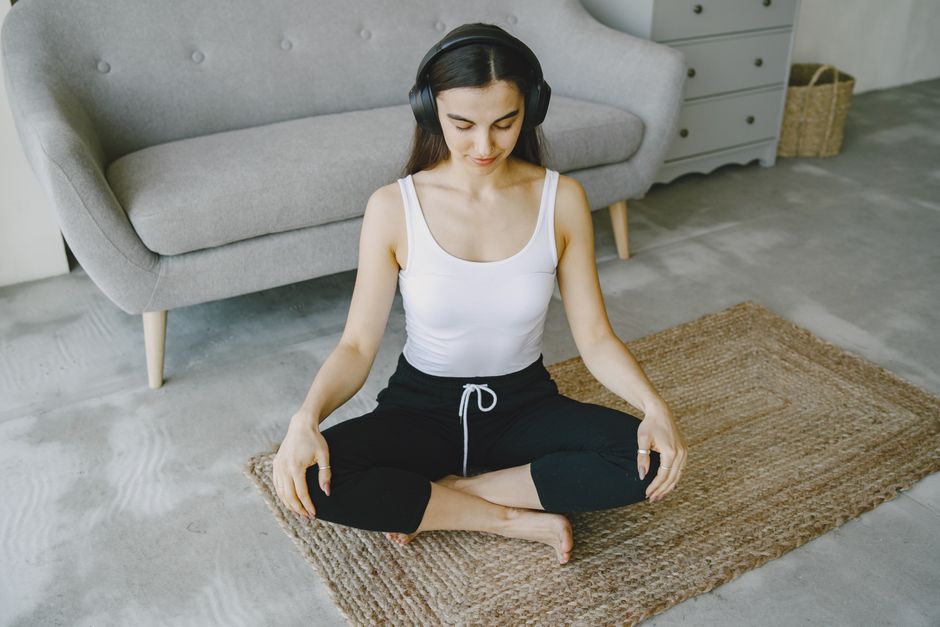
Research consistently shows that regular meditation, even brief daily sessions, can reduce cortisol reactivity and improve attentional control over time. Apps, guided recordings, and community classes all lower the barrier to entry considerably.
The Real Tradeoffs
Neither practice is universally superior. Here is a side-by-side summary of the key differences:
| Factor | Breathwork | Meditation |
|---|---|---|
| Speed of relief | Fast (minutes) | Gradual (weeks) |
| Primary mechanism | Physiological (nervous system) | Cognitive (attention training) |
| Beginner accessibility | High (immediate feedback) | Moderate (takes patience) |
| Flexibility for a busy day | High (usable in 2-5 min) | Moderate (works best in a quiet block) |
| Long-term resilience | Moderate | High |
| Works for racing mind | Yes (occupies attention) | Harder at first |
One honest note: some people find certain breathwork patterns overstimulating, particularly hyperventilation-style techniques used in intensive workshops. If you have cardiovascular concerns, a history of panic disorder, or respiratory conditions, check with a qualified healthcare professional before trying intensive breathwork. Gentle techniques like slow diaphragmatic breathing carry very low risk and are a reasonable starting point for most healthy adults.
Using Both Practices Together
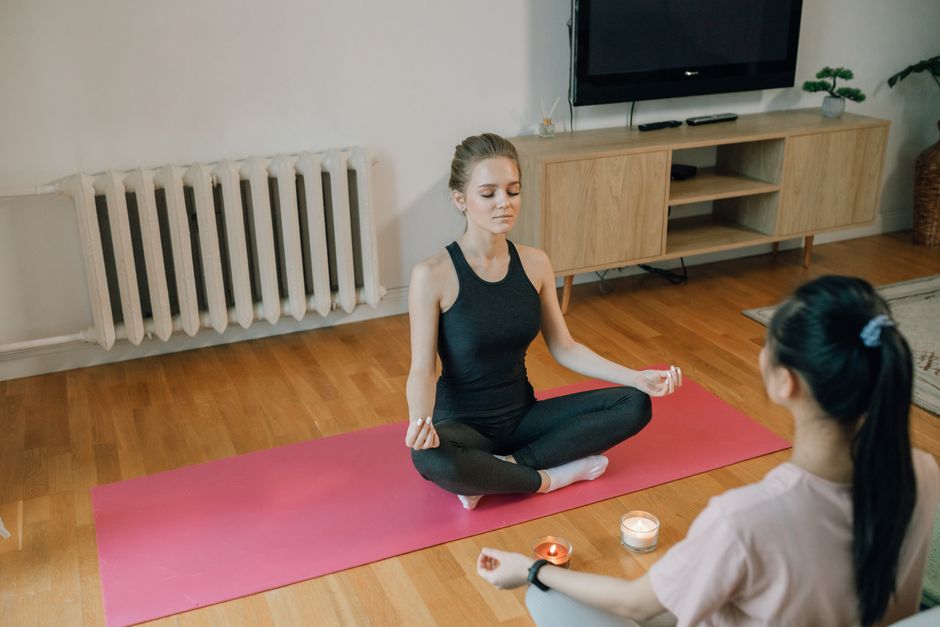
For many people, the most practical approach is not choosing one but layering them. A simple example:
- Start a seated session with two to three minutes of slow, extended-exhale breathing to settle your nervous system
- Transition into 10-15 minutes of mindfulness meditation, using the breath as an anchor without controlling it
- Close with another minute of slow breathing to consolidate the calm
This sequence uses breathwork’s fast physiological effect to create a better entry point for meditation, which can otherwise feel frustrating when you sit down stressed. It also reinforces the relaxation response at the end.
If stress is affecting your sleep or if you are looking at complementary physical recovery approaches alongside these practices, you might find it useful to explore Cold Water Immersion vs. Sauna Use: Which Temperature Stress Practice Fits Your Recovery and Resilience Goals, which covers the nervous system effects of temperature-based stress tools.
Choosing Based on Your Life Right Now
Instead of committing to a philosophy, start by matching your practice to your current reality:
- High stress, no time: Start with 5 minutes of box breathing during a bathroom break, a commute, or just before a difficult meeting
- Moderate stress, occasional quiet mornings: Try a 10-minute guided mindfulness session three to four times per week
- Want both: Begin with the layered sequence described above, starting with 15 minutes total
The goal is not to find the perfect practice. It is to find the one you will actually do today, then build from there. Consistency matters far more than technique. Even five mindful minutes most days produces measurable benefits over time, according to research from the Greater Good Science Center at UC Berkeley.
Choose one small action from this article, whether that is trying box breathing before your next stressful task or setting a 10-minute meditation timer tomorrow morning, and practice it consistently for two weeks before evaluating. For broader stress-management support, the Mindful Eating vs. Intuitive Eating: Which Approach Fits Your Life and Your Goals guide applies similar comparison thinking to food and stress. You are also welcome to join the Clean Body Mentor newsletter for practical, evidence-informed wellness guidance each week.
This article is for general educational and informational purposes only and is not a substitute for medical advice, diagnosis, or treatment. Health needs vary by individual. Consult a qualified healthcare professional before making significant changes to your diet, exercise routine, supplements, medication, or treatment plan, especially if you have a medical condition, are pregnant or breastfeeding, take medication, or have concerns about your symptoms.
Sources
- Balban et al. (2023). “Brief structured respiration practices enhance mood and reduce physiological arousal.” Cell Reports Medicine. Published by Elsevier.
- Goyal et al. (2014). “Meditation programs for psychological stress and well-being.” JAMA Internal Medicine. Published by the American Medical Association.
- Greater Good Science Center, UC Berkeley: research summaries on mindfulness and well-being (greatergood.berkeley.edu).
- National Institutes of Health (NIH): overview of mind and body practices (nccih.nih.gov).