

Two wellness practices could not feel more opposite: sinking into near-freezing water versus baking in a cedar-lined room. Yet cold water immersion and sauna use share one key mechanism: they force your body to adapt to controlled stress. That adaptation, repeated over time, may support faster muscle recovery, better circulation, improved mood, and stronger mental resilience.
But they are not interchangeable. The research behind each practice points to different strengths, different risks, and different ideal users. Before you buy a chest freezer or book a sauna session, here is a clear comparison to help you decide.
How Each Practice Creates Stress and Adaptation
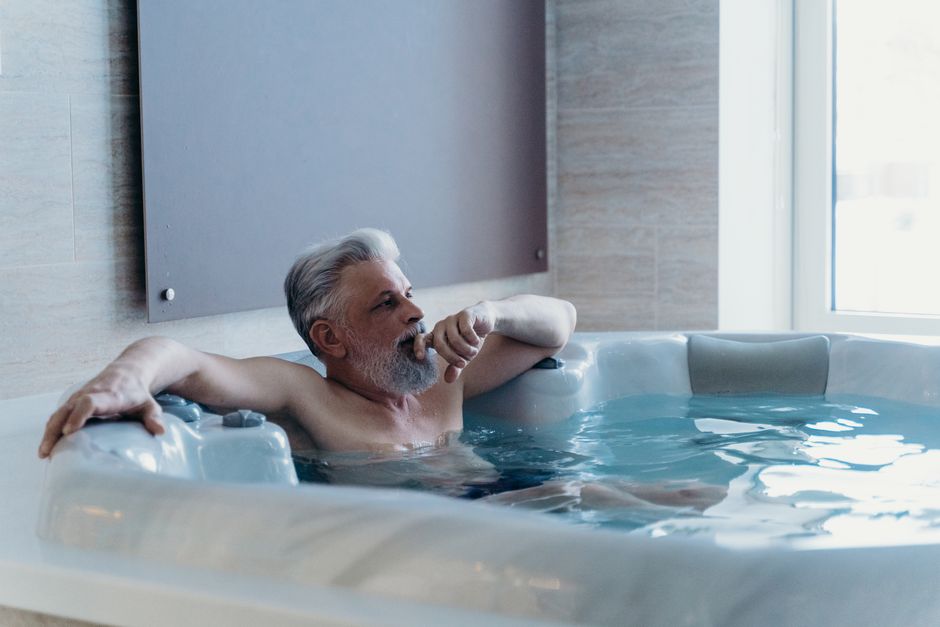
Cold water immersion (CWI) typically means submerging your body in water between roughly 50 and 59 degrees Fahrenheit (10 to 15 degrees Celsius) for two to fifteen minutes. The cold triggers vasoconstriction, a sharp drop in skin and muscle temperature, and a surge of norepinephrine. Your nervous system shifts toward a heightened alert state.
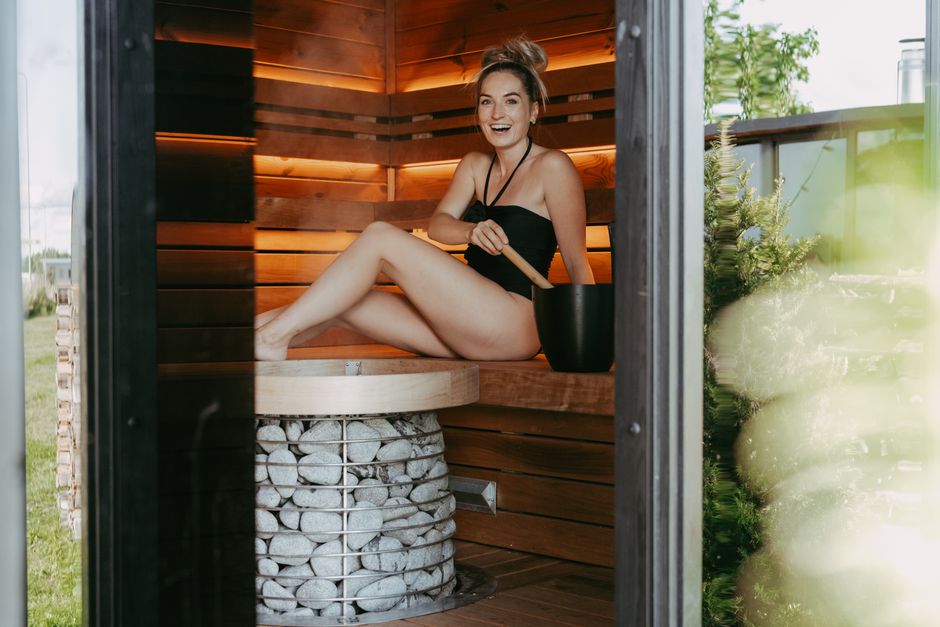
Sauna use exposes your body to dry heat, usually between 150 and 195 degrees Fahrenheit (65 to 90 degrees Celsius), for ten to twenty minutes per session. Blood vessels dilate, heart rate rises, and your body mimics some of the cardiovascular effects of light aerobic exercise. Core temperature increases gradually.
Both practices create what researchers call hormetic stress: a low-dose challenge that prompts beneficial adaptation when the dose stays within safe limits. If you want a deeper look at contrast therapy, the guide on Cold Water Plunges vs. Contrast Showers: What Research Says About Temperature Stress, Recovery, and Mental Resilience covers the science in useful detail.

What the Research Actually Shows
Recovery After Exercise
Cold water immersion has a clearer and more consistent evidence base for post-exercise recovery. A 2021 meta-analysis published in the British Journal of Sports Medicine found that CWI reduced perceived muscle soreness and fatigue compared to passive recovery, particularly after high-intensity or eccentric exercise.
Sauna research suggests benefits for endurance performance and cardiovascular conditioning over time. A widely cited series of studies from the University of Eastern Finland linked regular sauna use (four to seven sessions per week) to lower all-cause mortality and improved heart health. However, sauna is less consistently studied as an acute muscle-recovery tool compared to cold immersion.
If your primary goal is recovering faster between training sessions, cold water immersion appears more directly supported by current evidence.
Mental Resilience and Mood
This is where both practices overlap meaningfully. Cold exposure produces a substantial norepinephrine release, which research published in the European Journal of Applied Physiology suggests may elevate mood and improve focus. Many practitioners also report that voluntarily tolerating discomfort builds a sense of mental toughness over time, though that psychological effect is harder to isolate in controlled studies.
Sauna use is associated with reductions in cortisol and may promote relaxation through parasympathetic nervous system activation after the session ends. Some research suggests repeated sauna exposure may also stimulate the release of brain-derived neurotrophic factor (BDNF), which supports cognitive function and mood, though this area needs more human research.
Pairing either practice with intentional breathing can deepen the stress-management effect. The comparison on Breathwork vs. Meditation for Stress Relief: Which Practice Fits Your Life and Goals explains how breath control amplifies recovery and regulation.
Circulation and Cardiovascular Effects
Sauna consistently shows stronger acute cardiovascular benefits. Repeated sessions train the body to manage heat and support vascular flexibility. The Finnish research linked regular sauna use to lower blood pressure and reduced cardiovascular risk over many years.
Cold water immersion, on the other hand, causes an initial blood pressure spike and dramatically increases heart rate in the first moments of submersion. Over time, regular cold exposure may improve heart rate variability, a marker of autonomic nervous system health. But cold plunging is not recommended for people with uncontrolled hypertension or certain heart conditions without medical clearance first.

Who Is Each Practice Better For
Cold water immersion may suit you better if you:
- Train hard and want faster recovery between sessions
- Prefer a short, high-intensity wellness practice (under ten minutes)
- Respond well to alert, energized states and want a morning mental edge
- Enjoy progressive discomfort challenges that build mental resilience
Sauna may suit you better if you:
- Prioritize long-term cardiovascular conditioning and longevity markers
- Find relaxation and stress relief to be your primary recovery goal
- Have lower tolerance for cold or live in a climate where cold access is impractical
- Prefer a longer, passive session that doubles as downtime
Either practice deserves caution if you:
- Have a cardiovascular condition, uncontrolled blood pressure, or arrhythmia
- Are pregnant or recently postpartum
- Take medications that affect heart rate or blood pressure
- Are new to intense physical stress, with no baseline fitness
Consult a qualified healthcare professional before starting either practice if any of these apply to you.
Can You Use Both? The Case for Contrast Therapy
Alternating between cold immersion and sauna, called contrast therapy, is used widely in professional sport recovery. The cycle typically moves from heat to cold and back again, creating rapid vascular shifts that some researchers believe may accelerate muscle recovery more than either method alone.
If you are already managing your recovery thoughtfully, including how you structure rest days (see Active Rest Recovery vs. Complete Rest Days: What Type of Movement Is Right for Your Goals), contrast therapy can be a logical add-on rather than a replacement for rest itself.
Start simple: if you are new to temperature stress practices, do not begin with contrast therapy. Pick one method, start with shorter exposures, and build tolerance gradually over four to six weeks.

Choosing the Right Starting Point
Neither cold water immersion nor sauna is objectively superior. What matters is which one you can use safely and consistently enough to generate adaptation.
If you are drawn to the cold, start with shorter exposures (two to three minutes) in water around 55 to 60 degrees Fahrenheit before going colder or longer. If sauna appeals to you, begin with ten-minute sessions at moderate heat and increase duration gradually.
Support either practice with smart hydration. Temperature stress of both kinds increases fluid demands, so drinking water before and after sessions matters. The article on Hydration for Energy and Mood: Why Water Timing Matters More Than You Think offers practical guidance on how to structure your fluid intake around demanding activities.
Choose one practice this week. Try it twice. Notice how your body and mood respond. Consistent, moderate exposure builds results over weeks, not days.
This article is for general educational and informational purposes only and is not a substitute for medical advice, diagnosis, or treatment. Health needs vary by individual. Consult a qualified healthcare professional before making significant changes to your diet, exercise routine, supplements, medication, or treatment plan, especially if you have a medical condition, are pregnant or breastfeeding, take medication, or have concerns about your symptoms.

Sources
- Machado, A.F., et al. (2016). “Can Water Temperature and Immersion Time Influence the Effect of Cold Water Immersion on Muscle Soreness?” A systematic review. Sports Medicine. (Springer)
- Versey, N.G., et al. (2013). “Water Immersion Recovery for Athletes.” Sports Medicine. (Springer)
- Laukkanen, T., et al. (2018). “Sauna Bathing Is Inversely Associated with Dementia and Alzheimer’s Disease.” Age and Ageing. (Oxford University Press)
- Laukkanen, J.A., et al. (2018). “Cardiovascular and Other Health Benefits of Sauna Bathing.” Mayo Clinic Proceedings. Named for reference only; article reviewed via PubMed.
- Stocks, J.M., et al. (2004). “Human Physiological Responses to Cold Exposure.” Aviation, Space, and Environmental Medicine.
- National Institutes of Health (NIH): General reference for norepinephrine and cold stress physiology. https://www.nih.gov