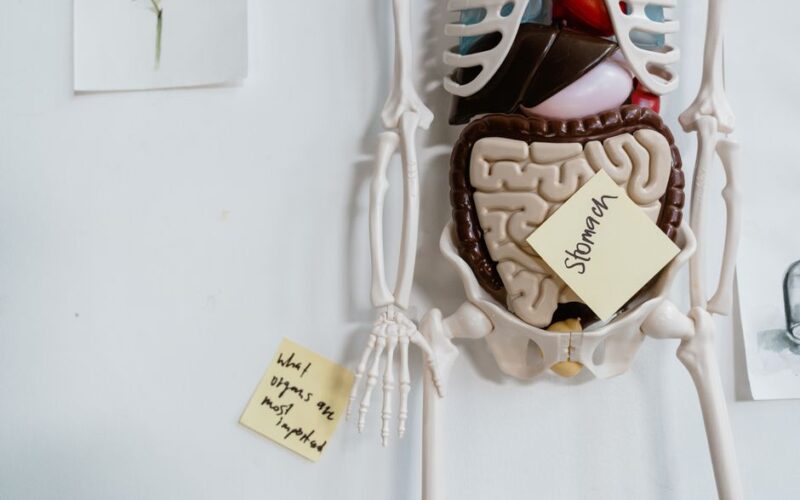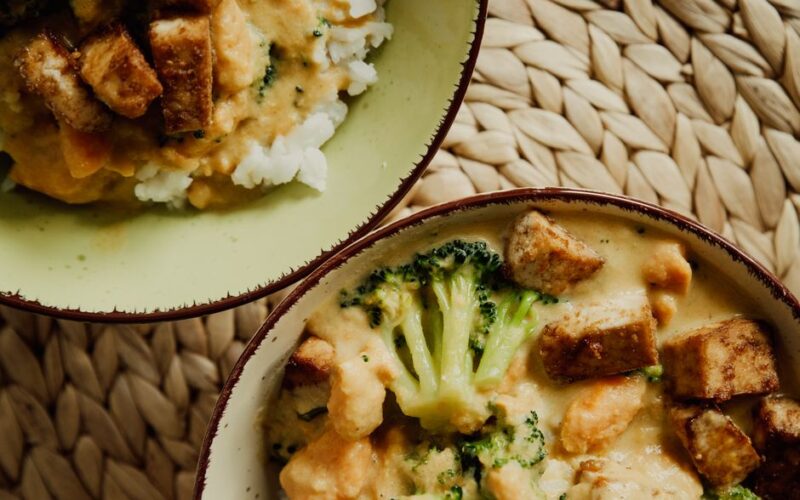

You finish a reasonable lunch and spend the next two hours feeling like you swallowed a balloon. Sound familiar? If your first instinct is to blame portion size, you may be looking at the wrong variable.
Research suggests that the sequence in which you eat different foods, and the way you combine macronutrients within a meal, can meaningfully influence how quickly and comfortably your gut processes what you just ate. This guide breaks down the digestive science behind meal composition and gives you practical pairing strategies you can apply immediately.

Why Sequence Changes What Happens in Your Gut
Your digestive system does not process a mixed plate uniformly. Different macronutrients require different enzymes, different transit times, and different conditions in the stomach. When certain foods arrive together, they can compete for those resources and slow overall transit, which creates the gas buildup and pressure you experience as bloating.
A study published in Cell Metabolism (Shukla et al., 2019) found that eating vegetables and protein before refined carbohydrates significantly reduced post-meal blood sugar spikes compared with eating carbohydrates first. Lower glucose peaks also correlate with less fermentation pressure in the large intestine, a key driver of gas and bloating.
For a deeper look at how eating order shapes digestion minute by minute, Digestive Comfort and Meal Order: Why Eating Vegetables First Changes How Your Body Processes Dinner walks through the physiological sequence in more detail.
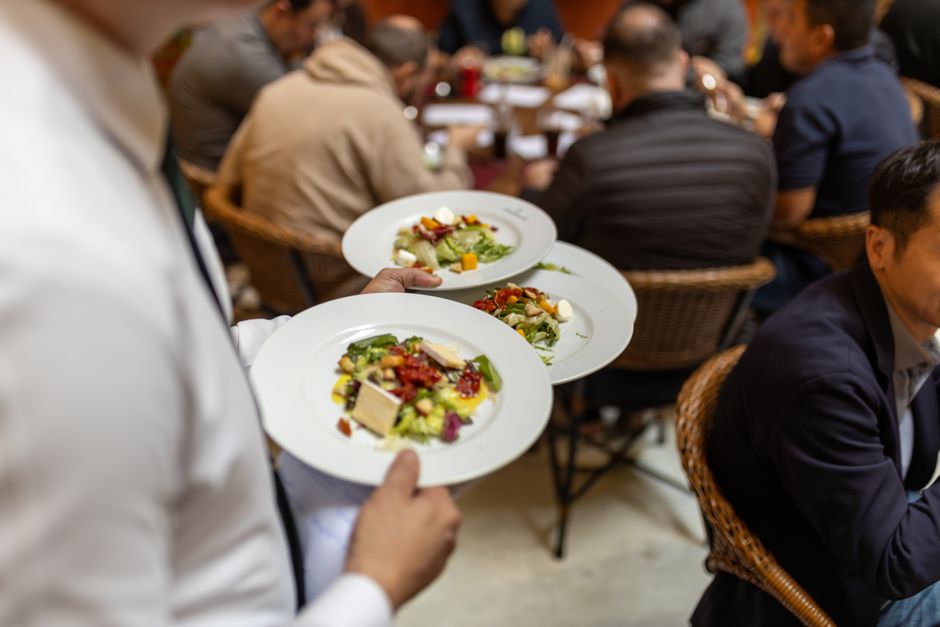
The Fiber Timing Problem
Fiber is genuinely good for your gut. But when and how you eat it matters more than most people realize.
Soluble fiber (found in oats, legumes, and fruit) slows stomach emptying. That is helpful for blood sugar control and satiety, but eating a large portion of it alongside gas-producing vegetables like broccoli, cabbage, or onions can stack fermentation activity in the colon. The result: you get bloated even on a nutritious plate.
Practical adjustment: Start your meal with a small amount of easily digestible raw or cooked vegetables (cucumber, zucchini, leafy greens), then add your fiber-dense legumes or cruciferous vegetables in smaller amounts later in the meal, paired with protein. This distributes fermentation load more evenly rather than triggering one large gas event.
If you want to explore how fiber pairing intersects with snack choices, High-Fiber Snacks That Actually Keep You Full: Choosing and Pairing Foods for Sustained Satiety offers concrete examples.
Protein-First: A Simple Anchor Strategy
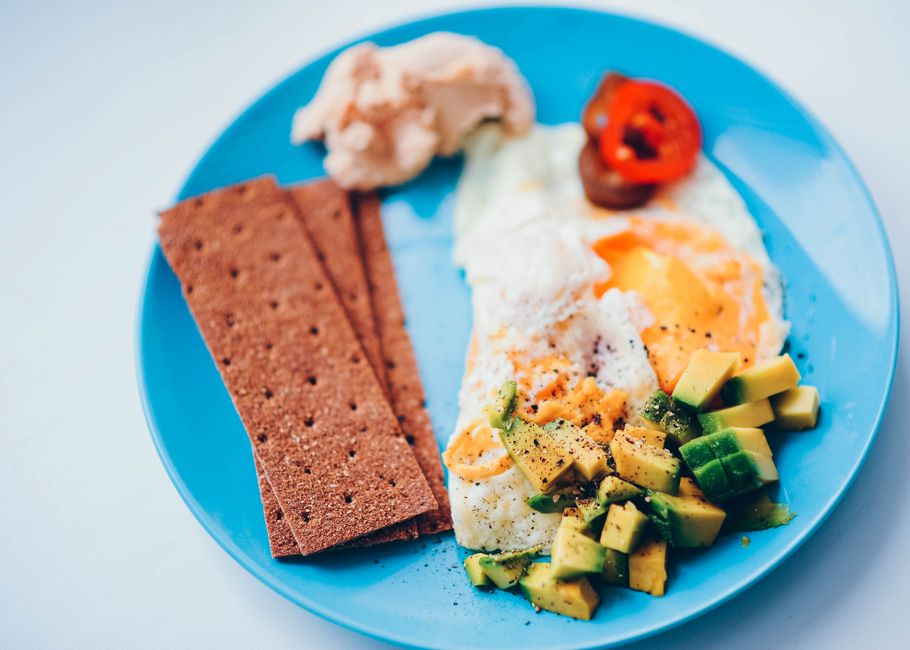
Eating protein early in a meal does more than support satiety. It signals the stomach to produce acid and enzymes proactively, priming the gut for the carbohydrates and fiber that follow. When protein arrives after a large carbohydrate load, stomach pH is not yet optimized, slowing protein breakdown and increasing the chance of discomfort.
A straightforward anchor strategy:
- Start with 3 to 5 bites of protein (chicken, fish, eggs, tofu, legumes paired with a grain later).
- Add non-starchy vegetables in the next few bites.
- Introduce starchy carbohydrates or grains after the first two components are underway.
Protein Sequencing: Why the Order You Eat Carbs and Protein Matters for Blood Sugar and Hunger covers the blood sugar dimension of this approach in depth if you want to connect the dots between bloating and afternoon energy dips.
Meal Pairing Combinations That Tend to Work Better
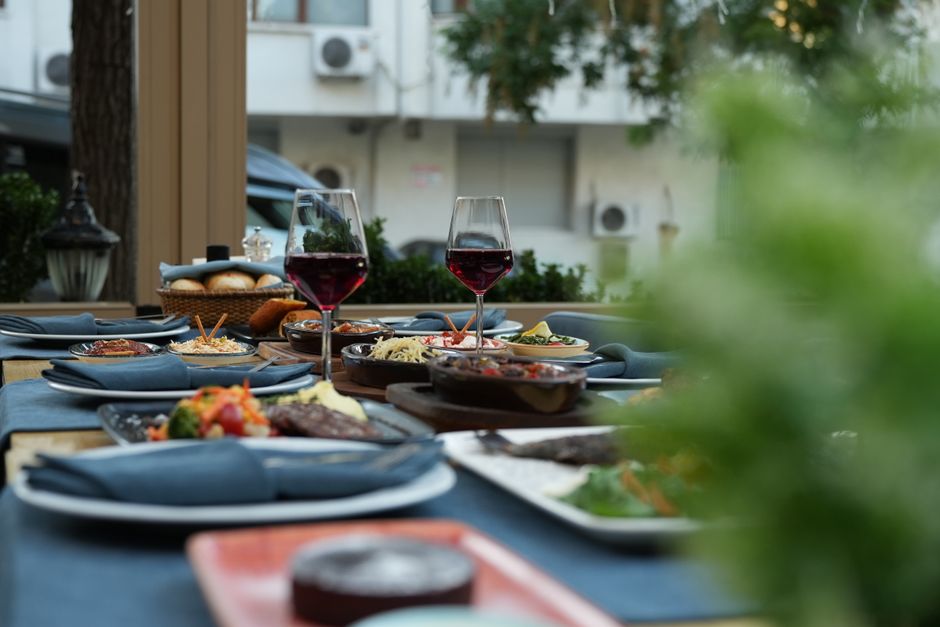
Not all food combinations cause equal digestive stress. These pairings consistently produce better tolerance in research and clinical nutrition practice:
- Lean protein plus cooked non-starchy vegetables (chicken with roasted zucchini, eggs with sauteed spinach): easy on fermentation, relatively fast transit.
- Whole grain plus legumes in moderate portions (brown rice and lentils): a traditional combination that distributes fiber types and provides complementary amino acids; keep portions moderate to avoid excessive fermentation load.
- Fat plus vegetables (avocado with leafy salad, olive oil on roasted carrots): fat slows transit helpfully here and aids absorption of fat-soluble vitamins without triggering major gas.
Combinations that tend to worsen bloating for sensitive individuals:
- Large portions of raw cruciferous vegetables (broccoli, cauliflower, Brussels sprouts) eaten at the start of a meal on an empty stomach.
- High-fat protein (fatty red meat, fried foods) eaten immediately before or with fast-digesting simple sugars, which compete for gastric processing.
- Carbonated beverages consumed with meals, which introduce gas directly into the digestive tract.
For a broader look at how specific food pairings affect both comfort and energy, Digestion-Friendly Meal Combinations: Foods That Pair Well for Comfort and Sustained Energy is a helpful companion guide.
Three Meal Templates You Can Use Today
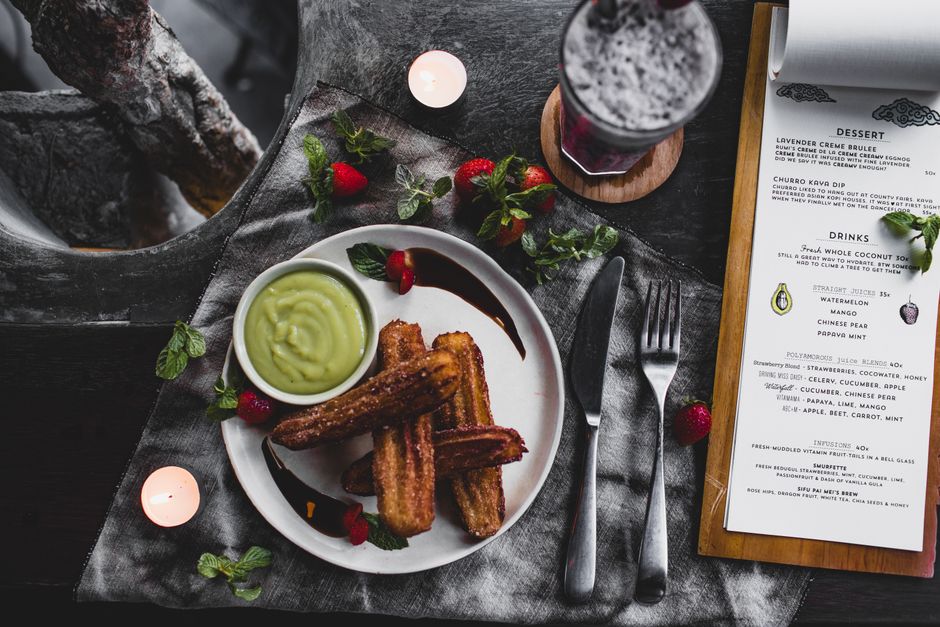
Template 1: Anti-Bloat Lunch Bowl
Start with 4 oz grilled salmon or baked tofu. Add a base of mixed leafy greens and sliced cucumber. Finish with a half cup of cooked quinoa and a drizzle of olive oil with lemon. Eat in this order rather than mixing everything at once.
Template 2: Balanced Dinner Plate
Begin with 3 to 4 bites of roasted chicken or tempeh. Add a side of steamed green beans or roasted zucchini. Serve a small portion of sweet potato or brown rice as the final component on the plate.
Template 3: Gentle Morning Meal
Scrambled eggs with sauteed spinach eaten first, followed by a slice of sourdough or a small portion of oats. If you enjoy fruit, add it toward the end rather than before protein, particularly if you notice fructose sensitivity.

Hydration Timing: One More Lever
Drinking large volumes of water immediately before or during a meal dilutes stomach acid and enzymes, which can impair protein digestion and slow transit. Sipping water throughout is fine; drinking 16 oz right before sitting down can set digestion off to a slower start.
For more on how water timing intersects with digestion specifically, Hydration and Digestion: How Water Timing Around Food Changes Nutrient Absorption and Bloating goes deeper into the evidence.

A Realistic Starting Point
You do not need to overhaul every meal at once. Choose one practical change: eating your protein before your carbohydrates, or swapping raw cruciferous vegetables for cooked ones at dinner for a week. Small, consistent shifts tend to produce more sustainable improvement than complete dietary overhauls.
If bloating is frequent, severe, or accompanied by pain, changes in stool, or unexplained weight loss, talk with a qualified healthcare professional, as these symptoms can indicate conditions that go beyond food pairing.
For ongoing practical guidance on building meals that work with your body, explore the Digestive Comfort and Meal Timing hub or subscribe to the Clean Body Mentor newsletter for weekly evidence-informed wellness guidance delivered to your inbox.
This article is for general educational and informational purposes only and is not a substitute for medical advice, diagnosis, or treatment. Health needs vary by individual. Consult a qualified healthcare professional before making significant changes to your diet, exercise routine, supplements, medication, or treatment plan, especially if you have a medical condition, are pregnant or breastfeeding, take medication, or have concerns about your symptoms.

Sources
- Shukla AP, et al. Food order has a significant impact on postprandial glucose and insulin levels. Diabetes Care, 2015; and related follow-up work published in Cell Metabolism, 2019.
- National Institute of Diabetes and Digestive and Kidney Diseases (NIDDK). Eating, Diet, and Nutrition for Gas in the Digestive Tract. U.S. Department of Health and Human Services.
- Barber TM, et al. The Health Benefits of Dietary Fibre. Nutrients, 2020; 12(10): 3209. Published in MDPI open access.
- Lacy BE, et al. Bowel Disorders. Gastroenterology, 2016 (Rome IV criteria framework for functional bloating).