
You eat something healthy, and then an hour later you feel sluggish, bloated, or uncomfortably full. It is a frustrating experience, especially when you are genuinely trying to make good food choices. The truth is, how foods are combined in a meal can matter as much as what individual foods you choose.
This guide breaks down practical, evidence-informed pairing strategies that make meals easier on your digestive system while helping you feel energized rather than depleted. You do not need to follow rigid rules or overanalyze every plate. Instead, think of these pairings as flexible starting points that you can adapt to your own tastes, budget, and schedule.
For a deeper look at how meal timing interacts with digestion, check out Digestive Comfort and Meal Timing: How to Eat for Better Digestion and Sustained Energy before diving into these pairing ideas.

Key Takeaways Before You Read On
- Most digestion-friendly meal ideas center on three core principles: including fiber, protein, and healthy fat in balanced proportions.
- Some food combinations genuinely support smoother digestion by slowing absorption, feeding gut bacteria, and reducing post-meal blood sugar spikes.
- The goal is sustainable, comfortable eating, not a strict protocol. What works well for one person may need adjusting for another.
- You do not need to memorize complicated rules. Building a mental library of a few reliable pairings is enough to make a meaningful difference.
Why Food Combinations Matter for Digestion and Energy
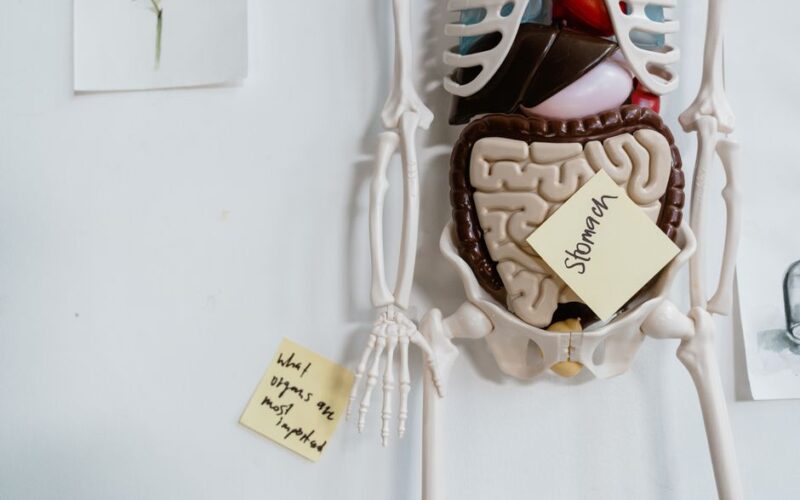
Digestion is not simply about breaking food down. It is a complex process involving enzymes, stomach acid, gut bacteria, hormones, and muscle contractions along the digestive tract. When you eat certain foods together, they can either support or strain that process.
For example, pairing a high-fiber carbohydrate with a lean protein slows the rate at which glucose enters your bloodstream. This helps prevent the sharp blood sugar rise and fall that leaves you craving something sweet an hour after lunch. Research in nutritional science consistently supports the idea that mixed macronutrient meals, ones containing carbohydrate, protein, and fat together, tend to produce more stable energy levels than single-macronutrient meals.
Beyond blood sugar, gut bacteria respond to what you eat. Prebiotic fibers (found in foods like oats, garlic, and lentils) feed the beneficial bacteria in your colon, while fermented foods introduce live cultures that may support a healthier gut environment. Pairing prebiotic-rich foods with probiotic sources creates a combination that may reinforce gut health over time.
For a broader picture of how gut function connects to your overall well-being, Digestive Health and Whole-Person Wellness: What You Should Know About Gut Function offers useful context.
8 Food Pairings That Support Better Digestion and Comfort
1. Legumes and Cooked Grains
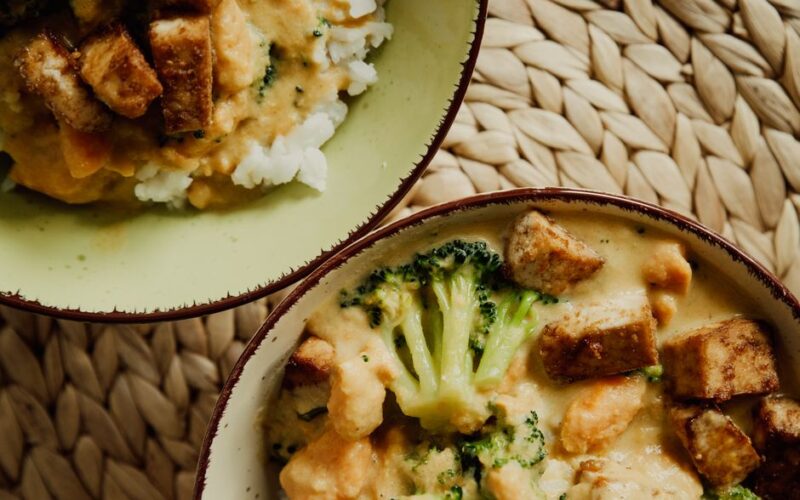
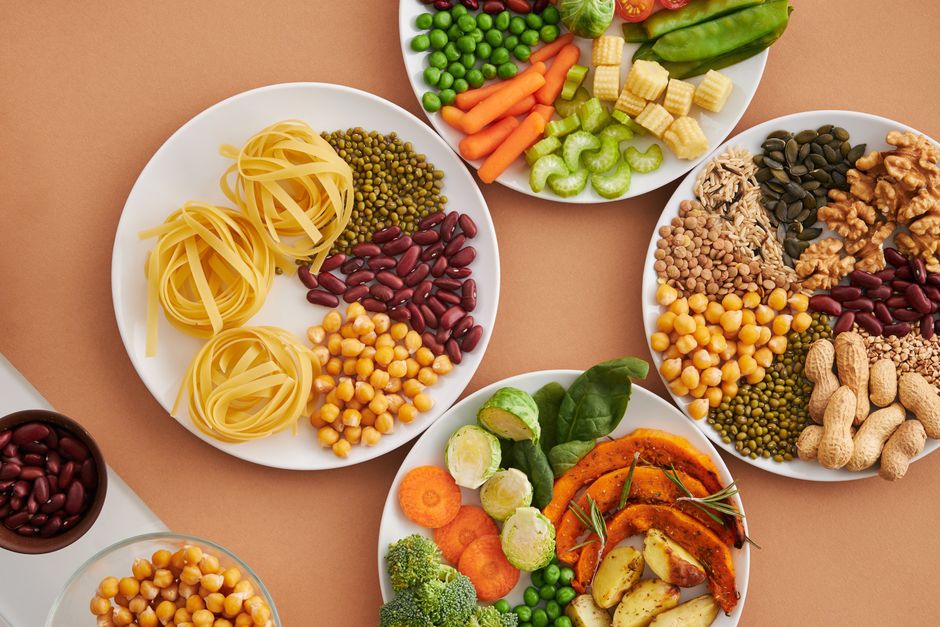
Beans or lentils paired with a whole grain such as brown rice, quinoa, or farro create a complementary amino acid profile, which is particularly useful for plant-based eaters, and provide both soluble and insoluble fiber. The soluble fiber from legumes forms a gel-like substance in the gut that slows digestion and feeds beneficial bacteria. The insoluble fiber from whole grains helps move food through your intestines at a healthy pace.
If you find legumes cause gas or discomfort, rinsing canned beans thoroughly, cooking dried beans from scratch, or starting with smaller portions can reduce fermentable carbohydrate load. Lentils tend to be gentler than chickpeas or kidney beans for people with sensitive guts.
Simple example: A bowl of red lentil soup served with a small portion of whole-grain bread, or a rice and black bean bowl topped with avocado and fresh salsa.
2. Leafy Greens and Healthy Fats
Dark leafy greens such as spinach, kale, arugula, and chard are rich in fat-soluble vitamins including vitamins A, E, and K. These nutrients require dietary fat present in the same meal to be properly absorbed. Drizzling olive oil over a salad or adding sliced avocado to a green bowl is not just delicious, it is a combination that genuinely helps your body use more of what you are eating.
Olive oil in particular contains oleocanthal, a compound with properties that may support gut comfort, and it helps lubricate the digestive tract. Fat also slows gastric emptying, which can reduce post-meal energy crashes.
Simple example: A large salad of mixed greens, shredded carrots, cucumber, and walnuts dressed with extra virgin olive oil and lemon juice.
3. Lean Protein and Non-Starchy Vegetables
This is one of the most consistent and universally comfortable meals for digestion. Lean proteins such as grilled chicken, fish, eggs, or tofu digest more steadily than fatty cuts of meat, and pairing them with non-starchy vegetables (think broccoli, zucchini, asparagus, green beans, or bell peppers) provides volume, fiber, and micronutrients without dramatically increasing the glycemic load of the meal.
The combination is filling, relatively easy on the stomach, and tends to support steady energy for several hours. It is also a reliable template for people who find heavier meals uncomfortable in the middle of the day.
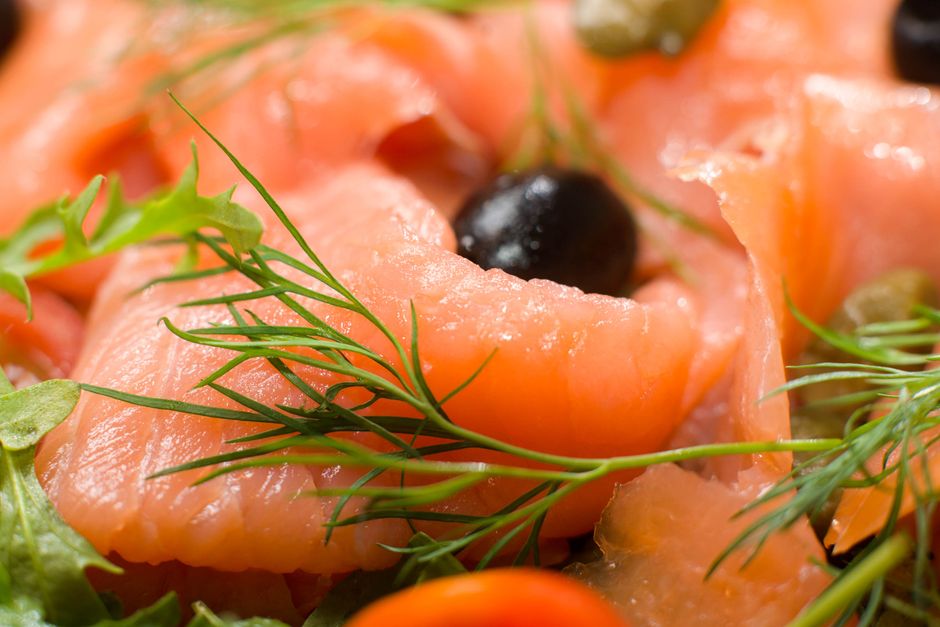
Simple example: Baked salmon with a side of roasted broccoli and asparagus, seasoned with garlic, lemon, and a drizzle of olive oil.
For more high-protein meal ideas that also support satiety, High-Protein Breakfast Ideas for Steady Energy and Satiety is worth exploring.
4. Fermented Foods and Prebiotic Fibers
Fermented foods such as plain yogurt, kefir, kimchi, sauerkraut, and miso contain live cultures that may support a diverse gut microbiome. Pairing these with prebiotic-rich foods such as bananas, oats, onions, garlic, or leeks creates an environment where those beneficial bacteria have something to feed on.
This pairing is not a quick fix, but consistently including both types of foods in your meals over time may support gut comfort and regularity. Research suggests that dietary diversity and consistent prebiotic intake are among the strongest lifestyle factors for a healthy microbiome.
Simple example: A bowl of plain Greek yogurt topped with sliced banana and a small portion of granola made from oats, or miso soup alongside a stir-fry with garlic, onion, and leeks.
5. Complex Carbohydrates and Soluble Fiber
Sweet potatoes, oats, squash, and whole-grain pasta are complex carbohydrates that digest gradually compared to refined carbohydrates. When combined with additional soluble fiber sources such as chia seeds, flaxseeds, or cooked apples, the pace of digestion slows even further, supporting steadier blood sugar and a more comfortable fullness rather than a quick spike and crash.
This combination works especially well at breakfast or lunch when you need sustained energy across several hours without reaching for snacks every ninety minutes.
Simple example: A bowl of rolled oats cooked in water or milk, topped with stewed apple pieces, a sprinkle of ground flaxseed, and a drizzle of almond butter.
For more guidance on nutrient combinations that support all-day energy, Eating for Stable Energy: Nutrient Combinations That Keep You Full and Focused All Day goes deeper into the science.
6. Eggs and Cooked Leafy Greens
Eggs are one of the most bioavailable protein sources available, and they pair naturally with cooked greens such as spinach, kale, or chard. Cooking greens reduces their volume dramatically, making it easy to consume a meaningful portion without bloating. Lightly sauteed greens are also easier to digest than raw ones for people with sensitive stomachs.
The iron in leafy greens is more effectively absorbed when paired with vitamin C, and many vegetables contain enough naturally occurring vitamin C to support this process. Adding a squeeze of lemon or a few cherry tomatoes completes the combination nicely.
Simple example: Two scrambled eggs with sauteed spinach and cherry tomatoes, finished with a small squeeze of lemon juice.
7. Root Vegetables and Anti-Inflammatory Spices
Root vegetables such as carrots, parsnips, beets, and sweet potatoes are gentle on the digestive tract, particularly when cooked. They provide a combination of carbohydrates, fiber, and antioxidants without being harsh or gas-producing for most people.
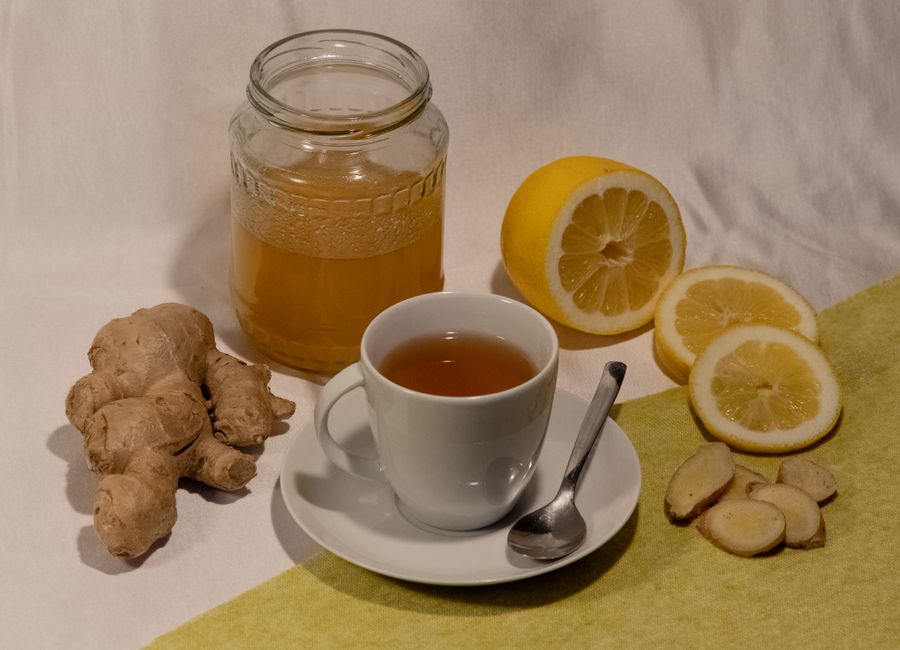
Pairing them with spices that have been studied for digestive support, including ginger, turmeric, cumin, and fennel, may further ease digestion. Ginger in particular has been studied for its ability to accelerate gastric emptying, which can reduce the feeling of a meal sitting heavily in your stomach. Turmeric contains curcumin, a compound with anti-inflammatory properties that ongoing research continues to explore.
Simple example: A roasted carrot and sweet potato soup seasoned with fresh ginger, turmeric, and cumin, served with a slice of whole-grain bread.
8. High-Quality Protein and Resistant Starch
Resistant starch is a type of carbohydrate that passes through the small intestine largely undigested and then ferments slowly in the colon, feeding gut bacteria and producing short-chain fatty acids that support colon health. Good sources include cooked and cooled potatoes or rice, slightly underripe bananas, and cooked lentils.
Pairing resistant starch with a lean protein creates a meal that is satisfying, steady-burning for energy, and genuinely supportive of gut health. This combination is also a practical tool for meal prep, since cooking and cooling grains or potatoes in advance increases their resistant starch content.
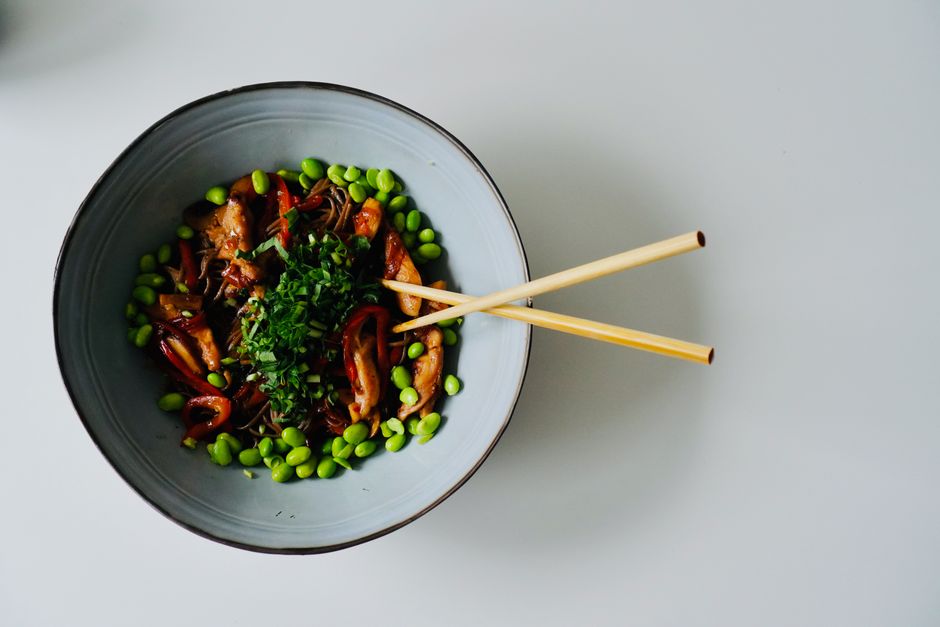
Simple example: A lunch bowl of cooled brown rice with grilled chicken breast, sliced cucumber, edamame, and a tahini dressing.
For practical meal prep ideas that make these combinations easier to execute on busy days, Meal Prep for Beginners: Simple Systems to Save Time and Build Healthier Eating Habits is a helpful starting point.
Common Mistakes That Can Disrupt Comfortable Digestion
- Eating too fast: Digestion begins in the mouth. Chewing food thoroughly and slowing down at meals gives your stomach time to signal fullness and prepares enzymes to do their work more effectively.
- Combining large amounts of fat with refined carbohydrates: Think pastries, fast food, or creamy pasta made with white pasta. This combination tends to be digested slowly but without the stabilizing benefits of fiber, often resulting in sluggishness and heavy fullness.
- Drinking very cold or excessive liquid with meals: Moderate fluid intake during meals is fine for most people, but very large amounts of cold liquid may temporarily dilute digestive enzymes and slow the process.
- Adding too many high-fiber foods at once: If your current diet is low in fiber and you suddenly add large quantities of legumes, raw vegetables, and whole grains simultaneously, your gut bacteria need time to adjust. Increase fiber gradually and drink plenty of water to reduce gas and discomfort.
- Ignoring individual responses: Food pairing principles are useful frameworks, not universal laws. Some people tolerate combinations that others find uncomfortable. Paying attention to how specific meals make you feel is one of the most practical tools you have. Mindful Eating Without Restriction: How to Build a Calmer, More Intuitive Relationship with Food offers a compassionate approach to developing this awareness.
Practical Tips for Building Digestion-Friendly Plates
- Start with one pairing from the list above and build it into your routine two or three times per week before adding others.
- Use the plate method as a rough guide: fill half with non-starchy vegetables, a quarter with a lean protein, and a quarter with a whole grain or complex carbohydrate, then add a small amount of healthy fat.
- Batch cook grains, legumes, and root vegetables at the start of the week so building these combinations during busy days requires minimal effort.
- Experiment with digestive spices. Ginger, fennel, and cumin are inexpensive additions that can make simple meals feel more satisfying and soothing.
- If you are building meals that also support weight management, these combinations are naturally aligned with that goal. Fiber, protein, and healthy fat together promote satiety and reduce the likelihood of overeating without requiring you to count every calorie. High-Protein Snacks and Light Meals for Sustained Energy Between Meals can extend these ideas into your snacking habits as well.

When to Talk to a Professional About Digestive Discomfort
Mild bloating or occasional gas after meals is normal and often resolves with dietary adjustments. However, some symptoms warrant attention from a qualified healthcare professional or registered dietitian:
- Persistent bloating, pain, or cramping that does not improve with dietary changes
- Significant changes in bowel habits lasting more than a few weeks
- Unexplained weight loss, blood in stool, or recurrent vomiting
- Suspected food intolerances, celiac disease, irritable bowel syndrome, or inflammatory bowel conditions
- A history of eating disorders that may make food-pairing approaches feel restrictive or anxiety-provoking
A registered dietitian can offer personalized guidance on meals for digestion based on your specific health history, food preferences, and any conditions you may have.
Frequently Asked Questions
Q: Is food combining a proven science or mostly a wellness trend?
The strict food-combining diets popular in the early twentieth century, which claimed that eating proteins and carbohydrates together was harmful, have not been supported by modern research. What is supported by evidence is that the macronutrient composition of a meal (the balance of protein, fat, fiber, and carbohydrate) meaningfully affects digestion speed, blood sugar response, and gut microbiome activity. The pairings in this article are grounded in those principles rather than outdated food-combining rules.
Q: Can these meal pairings help with bloating?
For many people, yes, particularly pairings that moderate fermentable carbohydrate load, include digestive spices, and avoid large quantities of fat combined with refined carbohydrates. However, chronic or severe bloating can have many causes including food intolerances, gut bacterial imbalances, motility issues, or underlying health conditions. If bloating is persistent, speaking with a healthcare provider is the appropriate first step.
Q: Does cooking vegetables change how digestible they are?
Yes. Cooking breaks down plant cell walls, making many vegetables easier to digest and their nutrients more accessible. People with sensitive digestive systems often find lightly cooked or steamed vegetables far more comfortable than large portions of raw produce. That said, raw vegetables still offer benefits including certain enzymes and heat-sensitive vitamins, so variety matters.
Q: How long does it take to notice a difference after changing food combinations?
Many people notice improvement in post-meal energy and comfort within one to two weeks of consistent changes. Gut microbiome shifts in response to dietary changes can take several weeks to several months to become established. Progress tends to be gradual rather than dramatic, which is a good sign that change is sustainable.
Q: Do these pairing strategies work for weight management too?
They can support it as a byproduct. Meals that include fiber, protein, and healthy fat together tend to be more filling, which naturally reduces the likelihood of overeating. These combinations also support steadier blood sugar, which may reduce cravings and impulsive snacking. That said, sustainable weight management involves many factors beyond any single meal strategy.
A Small, Realistic Next Step
You do not need to overhaul your diet to experience better digestion and more consistent energy. Choose one pairing from this list, perhaps eggs with sauteed greens or a lentil and grain bowl, and build it into your routine a few times this week. Notice how you feel two to three hours after eating compared to your usual meals.
If you want to continue exploring how whole-food choices connect to your energy and overall wellness, the Grocery Shopping for Balanced Nutrition on a Budget guide can help you stock your kitchen with the ingredients that make these combinations easy and affordable to maintain.
Small, consistent changes in how you build meals can add up to meaningful improvements in how you feel every day. That is the kind of progress worth building on.
This article is for general educational and informational purposes only and is not a substitute for medical advice, diagnosis, or treatment. Health needs vary by individual. Consult a qualified healthcare professional before making significant changes to your diet, exercise routine, supplements, medication, or treatment plan, especially if you have a medical condition, are pregnant or breastfeeding, take medication, or have concerns about your symptoms.