
After birth, your body has done something extraordinary. Bones shifted. Muscles stretched. Hormones rewired. And somewhere between the feeding schedules and the sleep deprivation, you may find yourself wondering when and how you can start moving again with intention.
Postpartum strength training home workouts are not about snapping back. They are about rebuilding from the inside out, on your own timeline, in your own living room. The three stories below are composites drawn from common recovery experiences reported by pelvic floor physical therapists and postpartum fitness specialists. Names are illustrative. The physiology, progressions, and timelines are evidence-informed.
Marisol, 6 Weeks Postpartum: Starting With Breath and Awareness
Marisol had an uncomplicated vaginal birth and received clearance from her midwife at the six-week visit. She was eager to move, but her core felt disconnected and she noticed a heaviness in her pelvis when she stood for long periods.
Her starting point was not a workout. It was breath.
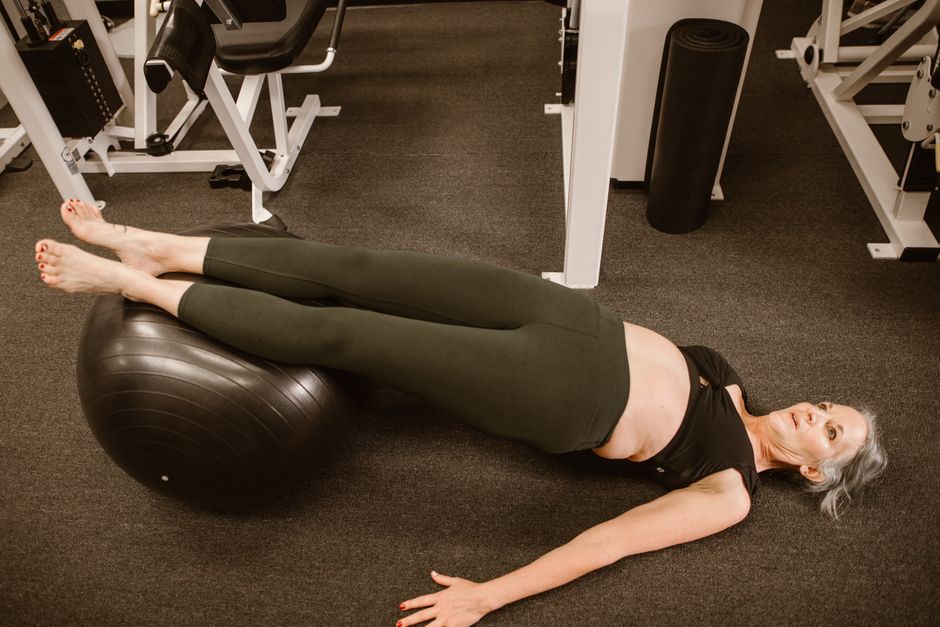
Research published through the American College of Obstetricians and Gynecologists (ACOG) emphasizes that postpartum exercise should begin gradually, with attention to pelvic floor function before progressing to loading. Marisol spent the first two weeks doing diaphragmatic breathing, gentle pelvic floor contractions, and heel slides on the floor, ten minutes per session, twice a day.
By week eight, she added:
- Bodyweight glute bridges (10 reps, 2 sets)
- Standing marches holding a chair for balance
- Bird-dog holds for low back stability
Her honest milestone came at week ten, when she carried her baby up the stairs without bracing anxiously. Functional strength, not aesthetics, was her first win.
For anyone starting here, Home Strength Training for Postpartum Recovery: Safe, Progressive Workouts for Returning to Movement provides a structured phase-by-phase approach that mirrors Marisol’s early progression.
Priya, 14 Weeks Postpartum: Rebuilding After a Cesarean Section
Priya’s recovery required more patience. Her cesarean incision had healed externally, but her core felt guarded and weak. Her ob-gyn cleared general activity at twelve weeks but recommended she consult a pelvic floor physical therapist before adding load.
That visit changed everything. She learned she had minor diastasis recti (abdominal separation) that made traditional crunches and sit-ups counterproductive. Her therapist prioritized exercises that closed the gap rather than worsened it.
Priya’s 14-week routine, done three times per week in 20-minute sessions:
- 90-90 breathing with belly expansion (5 breaths)
- Dead bug holds (6 reps per side, slow and controlled)
- Modified clamshells with a light resistance band
- Standing wall push-ups
- Supported squat to box (a chair behind her for safety)
She avoided any movement that caused coning or doming along her midline, a visible sign of pressure through the linea alba. Progress was slow, and Priya acknowledged frustration in the early weeks. But at 20 weeks, she completed her first standard bodyweight squat, her first unassisted push-up, and, more importantly, she stopped feeling like her core was fragile.
If you are working with limited equipment, Resistance Band Workouts for Beginners at Home: Build Strength and Confidence Without Weights or Machines offers gentle progressions that pair well with Priya’s approach.
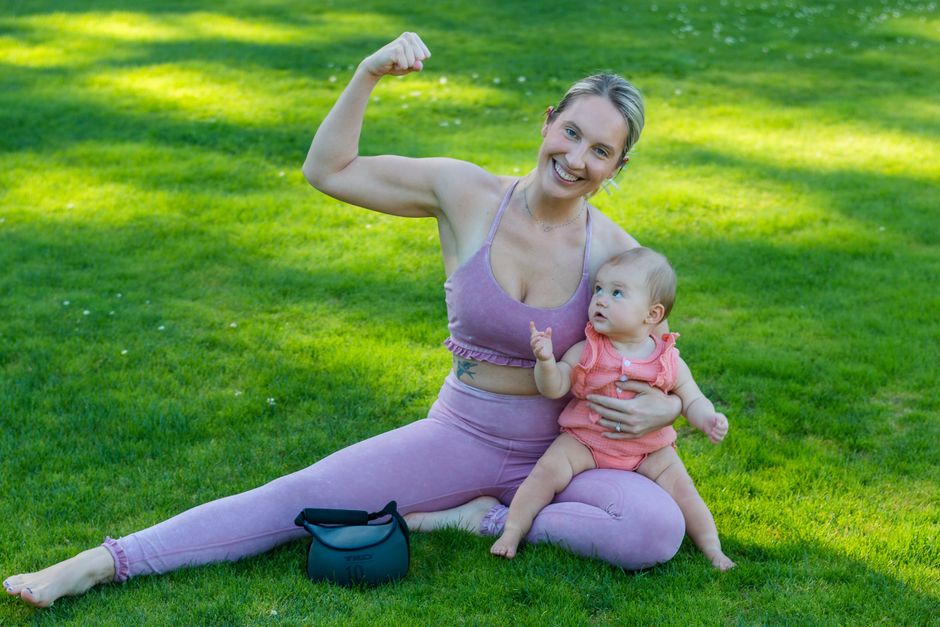
Dana, 6 Months Postpartum: Moving Into Sustainable Strength
Dana had completed the foundational phase and was ready to build. She had two older children, a part-time job, and roughly 25 minutes, three times per week, that were reliably her own. No gym, no equipment beyond two light dumbbells and a resistance band.
Her goal was not weight loss. It was to stop feeling exhausted by ordinary tasks: lifting her toddler, carrying groceries, standing at the kitchen counter without her lower back aching.
At six months, Dana was ready for what postpartum exercise specialists often call the “load and demand” phase. Research suggests progressive overload, gradually increasing resistance or volume over time, is necessary for building functional muscle regardless of training stage (American Council on Exercise, General Strength Training Principles).
Dana’s weekly structure:
Day 1 – Lower Body Focus (25 min)
- Goblet squat with light dumbbell: 3 sets of 10
- Romanian deadlift with dumbbells: 3 sets of 8
- Side-lying hip abduction with band: 2 sets of 15
Day 2 – Upper Body and Core (25 min)
- Dumbbell row: 3 sets of 10 per side
- Push-up (knees as needed): 3 sets of 8
- Pallof press with resistance band: 2 sets of 12
Day 3 – Full Body Circuit (20 min)
- Step-ups onto a stable step: 2 sets of 10 per leg
- Shoulder press with dumbbells: 2 sets of 10
- Glute bridge with band: 3 sets of 12
The confidence moment for Dana came at month eight, when she realized she had not thought about her back in weeks. The strength had become invisible in the best way, simply part of how she moved through her day.
For a roadmap that goes beyond these early stages, Building a Sustainable Strength Training Routine at Home: Progressive Workouts From Bodyweight to Basic Equipment maps out exactly how to keep progressing without plateauing.
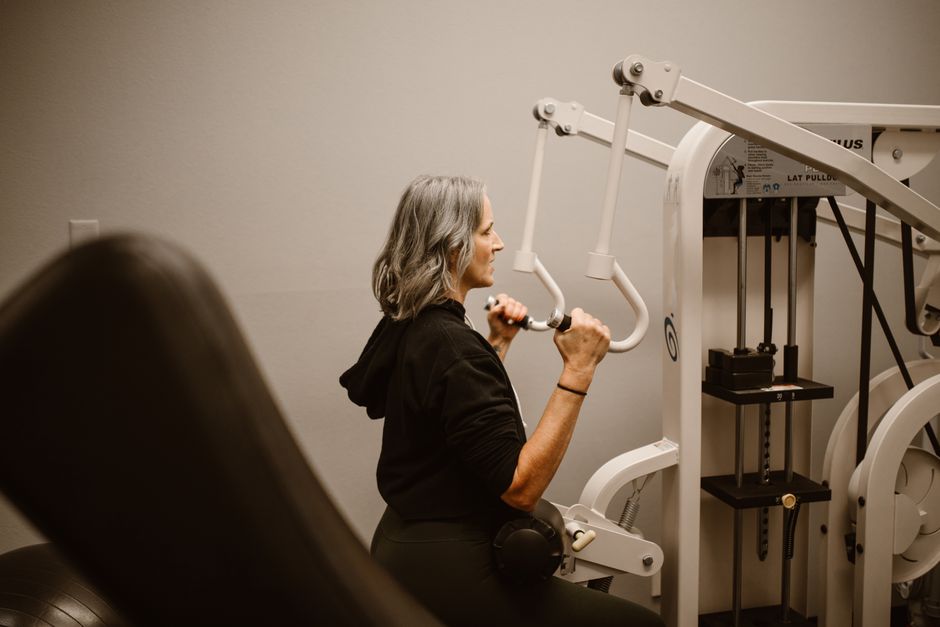
What These Three Stories Share
Despite different birth experiences, timelines, and starting points, Marisol, Priya, and Dana followed a similar underlying pattern:
- Breath before load. Reconnecting with diaphragm and pelvic floor function before adding external resistance.
- Functional goals over appearance goals. Each woman defined success by how she moved, not how she looked.
- Consistency over intensity. Short, regular sessions outperformed occasional long efforts every time.
- Professional support when needed. Pelvic floor physical therapy was a practical tool, not a luxury.
Restoration and fatigue management also play a role. Recovery Days and Active Rest: Why Your Body Needs Breaks as Much as It Needs Workouts is worth reading if you find that soreness is lingering longer than expected.
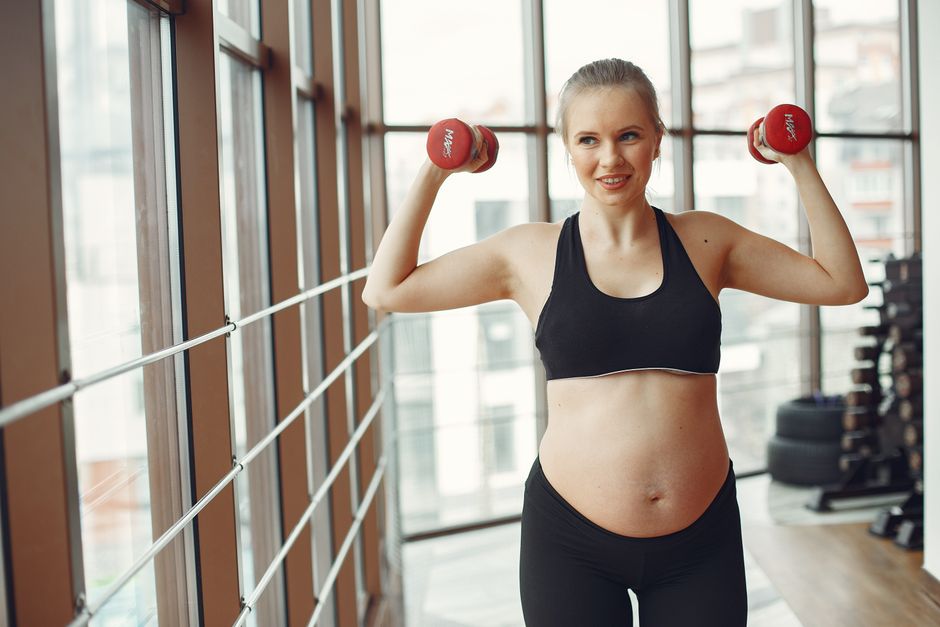
A Note on Timeline Expectations
ACOG and the Royal College of Obstetricians and Gynaecologists both caution that the six-week clearance visit is a starting point, not a green light for full training. The connective tissue hormone relaxin remains elevated during breastfeeding, which may affect joint stability. Diastasis recti affects an estimated 30 to 40 percent of women postpartum, according to research published in the Journal of Orthopaedic and Sports Physical Therapy. These realities are not barriers to movement. They are simply reasons to progress thoughtfully.
Your timeline will not look like anyone else’s, and that is not a flaw. It is physiology.
Your Next Move
Choose one element from the cases above that fits where you are right now. If you are in the early weeks, try five minutes of 90-90 breathing today. If you are further along, pick one exercise from Dana’s routine and commit to it three times this week.
Gradual, consistent practice adds up to real strength. If you would like a fuller picture of home-based movement as a busy parent, Building a Home Strength Routine as a Busy Parent: Real Workouts That Fit Into Family Life offers a practical framework for exactly that.
For personalized guidance on return-to-exercise timing, especially with complications, diastasis, or pelvic symptoms, consult a pelvic floor physical therapist or your obstetric care provider.
This article is for general educational and informational purposes only and is not a substitute for medical advice, diagnosis, or treatment. Health needs vary by individual. Consult a qualified healthcare professional before making significant changes to your diet, exercise routine, supplements, medication, or treatment plan, especially if you have a medical condition, are pregnant or breastfeeding, take medication, or have concerns about your symptoms.
Sources
- American College of Obstetricians and Gynecologists. “Physical Activity and Exercise During Pregnancy and the Postpartum Period.” Committee Opinion 804, 2020.
- Goom T, Donnelly G, Brockwell E. “Returning to running postnatal: guidelines for medical, health, and fitness professionals managing this population.” British Journal of Sports Medicine, 2019.
- Lee D, Hodges PW. “Behavior of the Linea Alba During a Curl-up Task in Diastasis Rectus Abdominis.” Journal of Orthopaedic and Sports Physical Therapy, 2016.
- Royal College of Obstetricians and Gynaecologists. “Returning to Exercise After Pregnancy.” Patient Information, 2021.
- American Council on Exercise. General Principles of Strength Training and Progressive Overload (general fitness education resource).