

You do not need a gym membership, a fitness tracker, or a structured workout plan to build emotional resilience. Some of the most consistent evidence for mood support and stress recovery points to something far simpler: moving your body outside.
Outdoor movement for emotional resilience and mental health is not just a feel-good idea. Research published in Proceedings of the National Academy of Sciences (2015) found that people who walked in natural settings showed reduced activity in the brain region linked to repetitive negative thinking compared to those who walked in urban environments. A 2019 study in Frontiers in Psychology found that spending as little as 20 minutes in nature was associated with meaningful reductions in cortisol, a primary stress hormone.
What makes outdoor movement different from indoor exercise? The combination of physical activity, sensory variety, unpredictable terrain, and reduced digital input creates a neurological environment that supports emotional regulation in ways a treadmill or weight room rarely replicates. That does not mean gym training lacks value, but it does mean nature-based movement offers something distinct.
Here are six forms of outdoor movement, how each one supports emotional resilience, and how to choose the one that fits your current mental and physical state.

1. Walking in Green Spaces
Walking is the most accessible form of outdoor movement emotional resilience research has consistently highlighted. A simple 20-to-30-minute walk in a park, wooded trail, or tree-lined neighborhood can lower rumination, reduce perceived stress, and improve focus.
If you are newer to building this habit, Walking for Mental Clarity: How Daily Movement Reshapes Your Mood and Focus offers a practical starting point. For those ready to build consistency over weeks, Building a Walking Habit That Lasts: How to Progress From 10 Minutes to Daily Movement Without Burnout maps out a gradual, sustainable approach.
Best for: High stress, low energy, anxiety, or anyone beginning a mental wellness routine.

2. Gardening and Hands-in-Soil Activity
Gardening sits at the intersection of light physical effort, purposeful attention, and direct sensory contact with the natural world. Research from the Journal of Health Psychology suggests gardening may reduce cortisol more than indoor rest, while also improving mood scores.
There is also emerging evidence around Mycobacterium vaccae, a soil bacterium that may influence serotonin pathways. While this research is still preliminary and not a basis for health claims, the physical and attentional demands of gardening create genuine stress-buffering effects that are worth taking seriously.
Best for: People who need a low-impact activity that still feels productive and grounding.
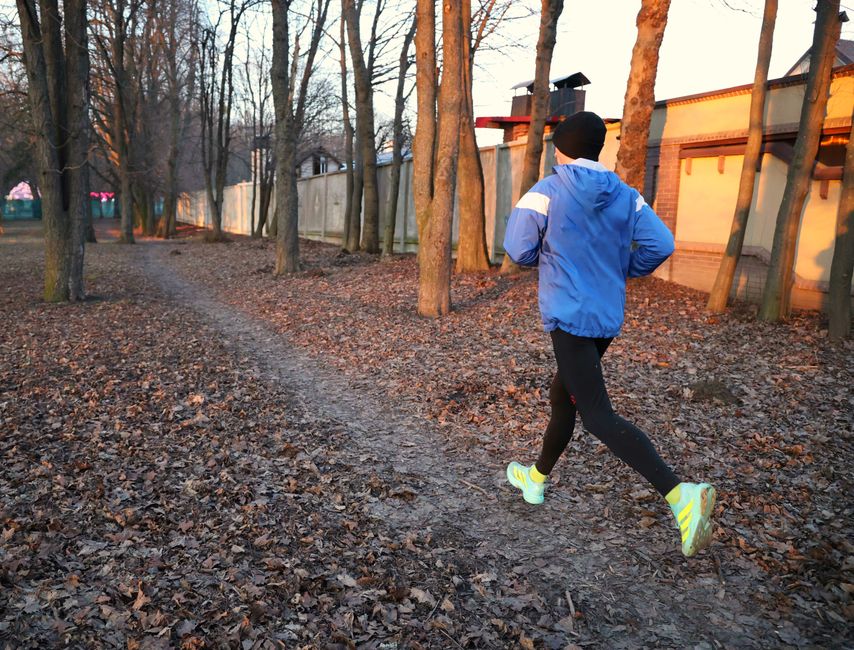
3. Trail Running or Brisk Hiking
For readers who want more physical intensity outdoors, trail running and brisk hiking add a cardiovascular dimension that amplifies mood-related neurotransmitter release, including endorphins, dopamine, and serotonin. Uneven terrain also demands attention in a way flat surfaces do not, which can quiet the mental chatter associated with anxiety and low mood.
Hiking in particular pairs the emotional benefits of nature exposure with the confidence that comes from completing a physically challenging goal.
Best for: Those with moderate-to-good baseline fitness who respond well to higher-intensity effort for emotional release.

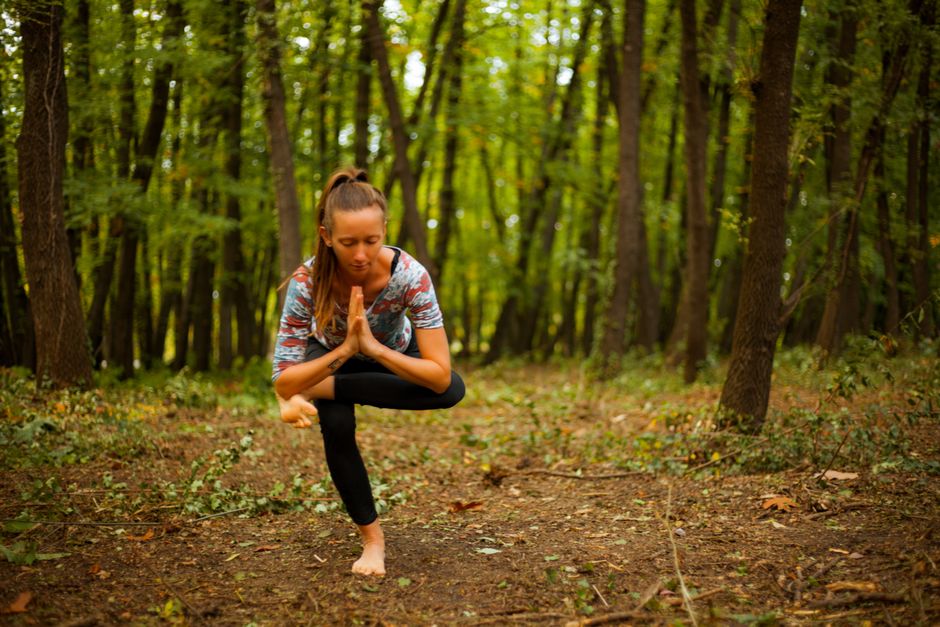
4. Outdoor Yoga or Stretching
Bringing a mat outside shifts the experience of yoga and stretching in subtle but meaningful ways. Natural light, fresh air, and ambient sound engage your sensory system differently than a studio environment. Research suggests outdoor light exposure helps regulate circadian rhythms, which directly influence mood stability and emotional regulation.
If you spend long hours at a desk, Stretching and Mobility Routines for Desk Workers: Counteract Sitting and Improve Daily Movement gives you a foundation you can take outside when the weather allows.
Best for: People managing chronic stress, stiffness, or burnout who want a gentler entry point into outdoor movement.
5. Cycling in Natural Settings
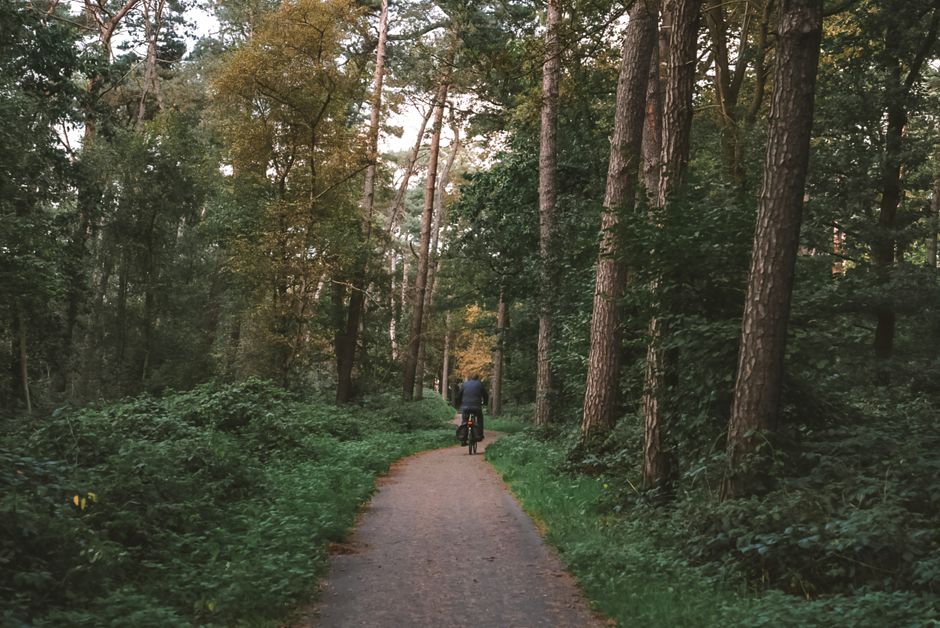
Cycling outdoors, whether on a trail, a quiet road, or a bike path through a park, combines moderate aerobic effort with the visual richness of changing scenery. That variety matters: research on attention restoration theory (developed by environmental psychologists Rachel and Stephen Kaplan) proposes that natural environments restore directed attention capacity, reducing mental fatigue in ways built environments typically cannot.
Rhythmic pedaling also has a meditative quality that supports what psychologists sometimes call effortful distraction, drawing focus outward rather than inward.
Best for: People with racing thoughts, decision fatigue, or mental overload who benefit from forward movement and open space.

6. Unstructured Play or Recreational Movement
This is the category most adults skip, and it may be the most underrated. Throwing a frisbee, shooting hoops in a park, splashing in a creek, or simply wandering without a destination activates play circuits in the brain that are closely tied to emotional flexibility and stress recovery.
Psychologist Stuart Brown, whose research on play is summarized in his book Play: How It Shapes the Brain, Opens the Imagination, and Invigorates the Soul, identifies play as a biological need that persists into adulthood. Unstructured outdoor movement gives permission to move without performance pressure, which itself is a form of emotional recovery.
Best for: Perfectionists, overachievers, or anyone who has made exercise feel like another obligation to complete.
How to Choose the Right Outdoor Activity for Your Emotional State
Emotional needs shift. A practice that helps on a high-anxiety day may not serve you when you are exhausted or grieving. Here is a simple framework:
- Anxious or overwhelmed: Start with a quiet walk in green space. Keep it short. Leave your phone behind or in your pocket.
- Low mood or low energy: Try gardening or unstructured movement. Remove performance expectations entirely.
- Mentally fatigued or distracted: Cycling or trail hiking, both require enough attention to interrupt rumination without depleting you further.
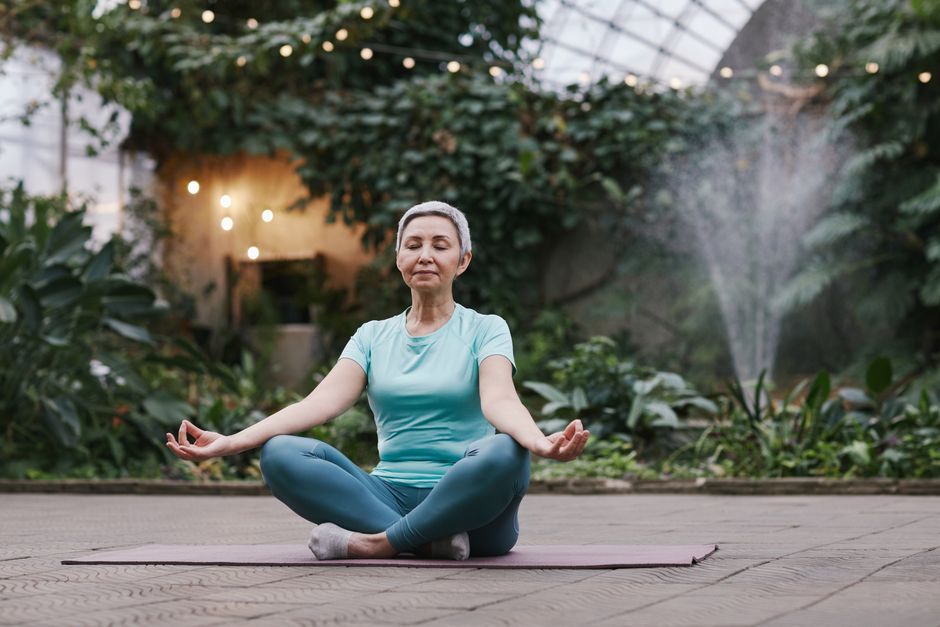
- Burned out or emotionally flat: Outdoor yoga, stretching, or simply sitting outside are valid starting points. Movement does not have to be vigorous to be restorative.
- Stressed but physically energized: Trail running or brisk hiking can discharge that tension productively.
If emotional regulation is closely connected to your sleep quality, it is worth reading Emotional Resilience and Sleep Recovery: How Rest and Stress Management Work Together, which explores how the two systems reinforce each other.
For a deeper look at how walking and gardening specifically fit into a broader outdoor wellness approach, Outdoor Movement as Mental Medicine: Walking, Gardening, and Unstructured Activity for Stress and Mood covers the science in more detail.

One Small Action Is Enough
You do not need to restructure your week to begin. Pick one activity from this list that feels doable given your current energy, schedule, and emotional state. Aim for 20 to 30 minutes, two or three times this week, and notice how you feel afterward, not during, but after.
That noticing, over time, becomes motivation. Sustainable habits in outdoor movement emotional resilience practice are built through accumulated small experiences, not single dramatic shifts.
If you want ongoing, practical guidance on movement, mental well-being, and whole-person wellness, consider joining the Clean Body Mentor newsletter for weekly ideas you can actually use.
This article is for general educational and informational purposes only and is not a substitute for medical advice, diagnosis, or treatment. Health needs vary by individual. Consult a qualified healthcare professional before making significant changes to your diet, exercise routine, supplements, medication, or treatment plan, especially if you have a medical condition, are pregnant or breastfeeding, take medication, or have concerns about your symptoms.

Sources
- Bratman, G. N., et al. (2015). Nature experience reduces rumination and subgenual prefrontal cortex activation. Proceedings of the National Academy of Sciences. National Academy of Sciences.
- Hunter, M. R., et al. (2019). Urban nature experiences reduce stress in the context of daily life based on salivary biomarkers. Frontiers in Psychology. Frontiers Media.
- van den Berg, A. E., and Custers, M. H. G. (2011). Gardening promotes neuroendocrine and affective restoration from stress. Journal of Health Psychology. SAGE Publications.
- Kaplan, R., and Kaplan, S. Attention Restoration Theory. University of Michigan Environmental Psychology research.
- Brown, S. (2009). Play: How It Shapes the Brain, Opens the Imagination, and Invigorates the Soul. Avery/Penguin.
- National Institute of Mental Health (NIMH): information on stress, mood, and physical activity available at nimh.nih.gov.