

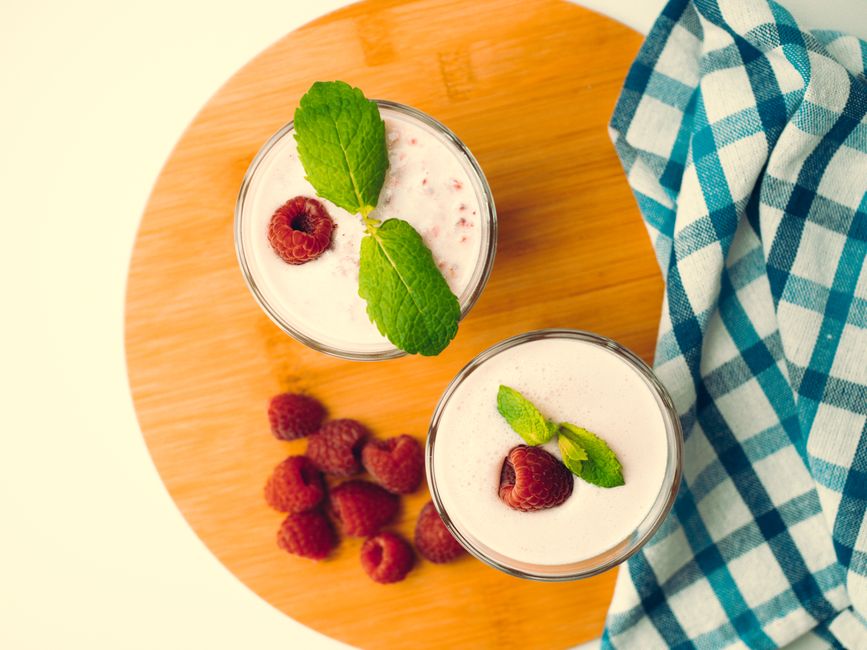
You follow a solid smoothie recipe. You add spinach, banana, protein powder, nut butter, and some frozen berries. You blend it all at once, drink it in ten minutes, and feel fine. Then, an hour later, you are hungry again.
The ingredients were good. The timing was not.
Most smoothie guides focus entirely on what to put in the blender. Very few address the sequence of adding those ingredients, and that gap matters more than most people realize. Smoothie ingredient order affects satiety in ways that are surprisingly practical once you understand the reasoning behind it.
Why Sequencing Inside a Blender Has Any Effect at All
At first glance, blending feels like a process that equalizes everything. If it all ends up pureed, does order really matter?
It does, for two reasons.
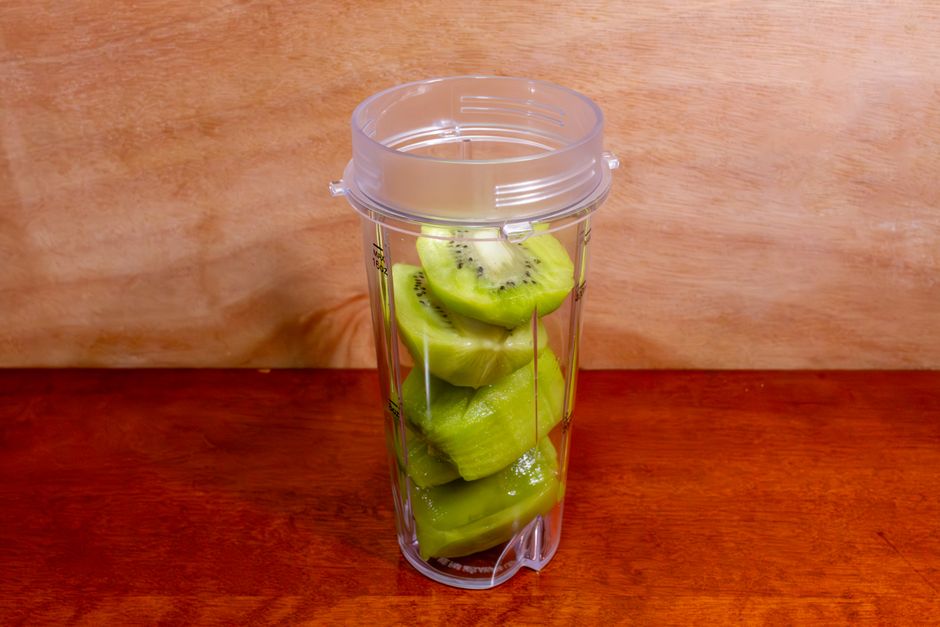
First, blending mechanics. Liquids and soft ingredients added to the bottom of the blender jar make contact with the blade first. Heavier ingredients added on top push lighter ones down toward the blade, creating more consistent blending. When dense proteins or thick nut butters sit directly on the blade without liquid, they can clump or create uneven texture, which changes how the shake feels going down and how quickly the stomach empties it.
Second, and more significantly, is how the composition of what you drink affects hunger hormones. Research published through the National Institutes of Health on gastric emptying rates shows that fat and protein slow the rate at which the stomach empties into the small intestine. Fiber adds bulk and feeds gut bacteria, supporting short-chain fatty acid production that may signal fullness to the brain. When these components are well-distributed throughout the smoothie rather than poorly blended in clumps, the body responds more steadily.
For a deeper look at how protein sequencing affects blood sugar and hunger more broadly, the guide on Protein Sequencing for Stable Blood Sugar: Why the Order You Eat Your Meal Matters applies many of the same principles.
The Layering Order That Supports Satiety and Smooth Digestion
Here is a practical sequence that works with most blenders and most smoothie goals.
Layer 1: Liquid base (bottom of blender)
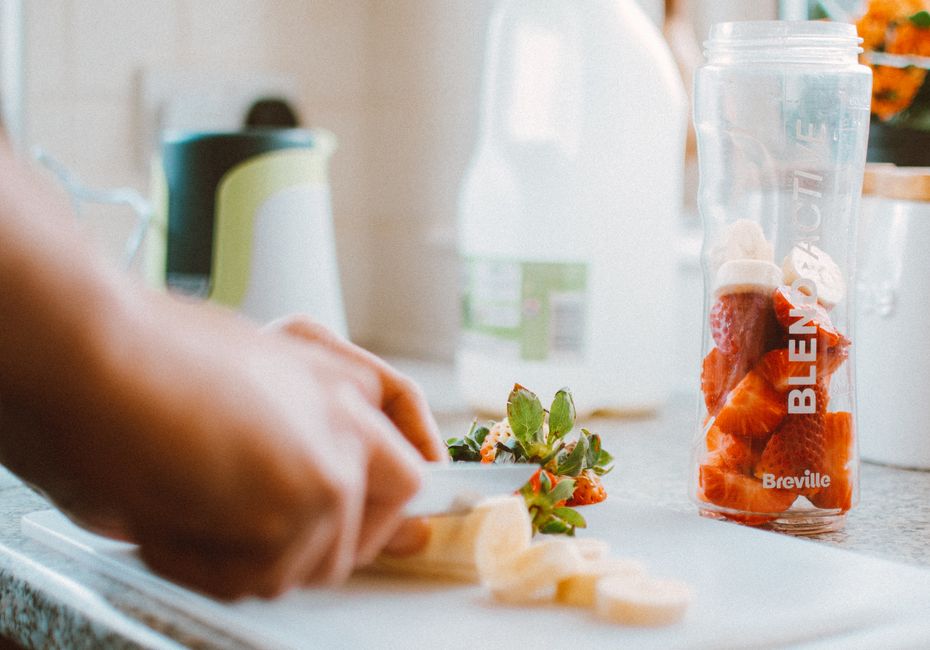
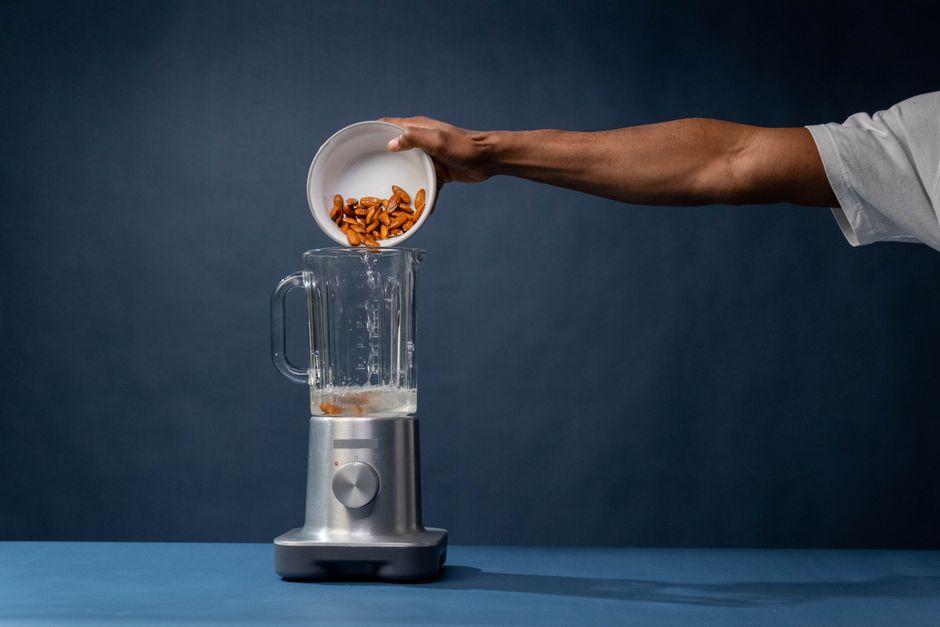
Add your liquid first. Water, unsweetened almond milk, oat milk, or kefir all work. Starting with liquid protects the blade and creates the vortex that pulls other ingredients downward. Kefir adds probiotics; dairy or soy milk adds protein. This layer matters for blending efficiency and, if you choose a protein-containing base, for satiety.
Layer 2: Powders and supplements
Protein powder, ground flaxseed, or psyllium husk go next. Adding these before produce ensures they dissolve into the liquid instead of clinging to fruit or leaves. Protein is the most satiating macronutrient gram for gram, and research suggests that distributing it evenly throughout a meal or drink prevents the uneven digestion you get from a clump of powder sitting at the top.
Layer 3: Leafy greens and soft produce
Spinach, kale, cucumber, or zucchini go here. Greens are light and blend better when sandwiched between the liquid below and the heavier ingredients above. They also provide soluble and insoluble fiber, both of which support satiety and digestive comfort.
Layer 4: Fruits, vegetables, and flavor
Frozen or fresh berries, mango, banana, beets, or carrots go on top of the greens. Frozen fruit acts as a natural thickener and chills the drink without diluting it with ice.
Layer 5: Fats and dense add-ins (top of blender)
Nut butter, avocado, hemp seeds, chia seeds, and coconut go last. These are the heaviest ingredients and they push everything downward toward the blade when blending begins. Fat slows gastric emptying, which is part of why a smoothie with some fat keeps you fuller longer than one built entirely on fruit and juice.
For more on how building balanced smoothie recipes affects energy levels, Smoothie Mistakes That Sabotage Your Energy and Satiety: A Guide to Building Balanced Recipes covers the most common pitfalls people hit.
What Happens When You Blend Out of Order
Skipping the liquid-first rule often causes the blade to struggle, producing uneven texture. Chunks of frozen fruit or unmixed protein powder create pockets of concentrated macronutrients rather than a consistent drink. When you drink something with inconsistent texture, you may swallow more air, which contributes to bloating.
Putting high-sugar fruit at the bottom and blending it with liquid alone before adding fiber or protein means the first portion of your smoothie to hit your stomach is predominantly simple carbohydrates. That leads to a faster rise in blood sugar and a sharper drop later, which is often what drives that “hungry again at 10 a.m.” feeling.
This mirrors what happens with solid food, where eating carbohydrates before fiber or protein produces a different blood sugar response than reversing that order. Digestive Comfort and Meal Order: Why Eating Vegetables First Changes How Your Body Processes Dinner explores that dynamic in more detail.
A Simple Template to Repeat Daily
Use this as your base framework. Swap ingredients within each layer to match your preferences.
- Liquid (1 cup): Unsweetened soy milk or kefir
- Powder layer: 1 scoop vanilla protein powder, 1 tablespoon ground flaxseed
- Greens: 1 large handful of spinach
- Fruit: 1/2 cup frozen blueberries, 1/2 frozen banana
- Fat layer: 1 tablespoon almond butter or 1/4 avocado
Blend on high for 45 to 60 seconds. The result is a smoothie with roughly 25 to 30 grams of protein, a solid fiber contribution from the flax and spinach, and enough fat to slow gastric emptying. Most people report staying full for two to three hours.
If you want to explore how this fits into a consistent prep routine, Building a Sustainable Smoothie Practice: From Weekly Prep to Daily Convenience walks through batch-prepping freezer packs so you can execute this sequence in under two minutes on busy mornings.
One Thing to Try First
You do not need to overhaul your entire smoothie routine. Start with one change: add your protein powder before your fruit instead of dumping everything in at once. Give it a week. Notice whether you feel fuller longer and whether your energy holds steadier through the morning.
Small, consistent shifts like this one build the kind of sustainable habits that compound over time. If you want more practical, evidence-informed guidance delivered weekly, consider joining the Clean Body Mentor newsletter for steady, no-pressure wellness ideas.
This article is for general educational and informational purposes only and is not a substitute for medical advice, diagnosis, or treatment. Health needs vary by individual. Consult a qualified healthcare professional before making significant changes to your diet, exercise routine, supplements, medication, or treatment plan, especially if you have a medical condition, are pregnant or breastfeeding, take medication, or have concerns about your symptoms.
Sources
- National Institutes of Health, National Library of Medicine. Overview of gastric emptying and macronutrient composition. PubMed database, multiple peer-reviewed studies on fat, protein, and gastric emptying rate.
- Slavin J. “Fiber and Prebiotics: Mechanisms and Health Benefits.” Nutrients, 2013. (NIH/PubMed)
- Leidy HJ et al. “The role of protein in weight loss and maintenance.” American Journal of Clinical Nutrition, 2015. (PubMed)