
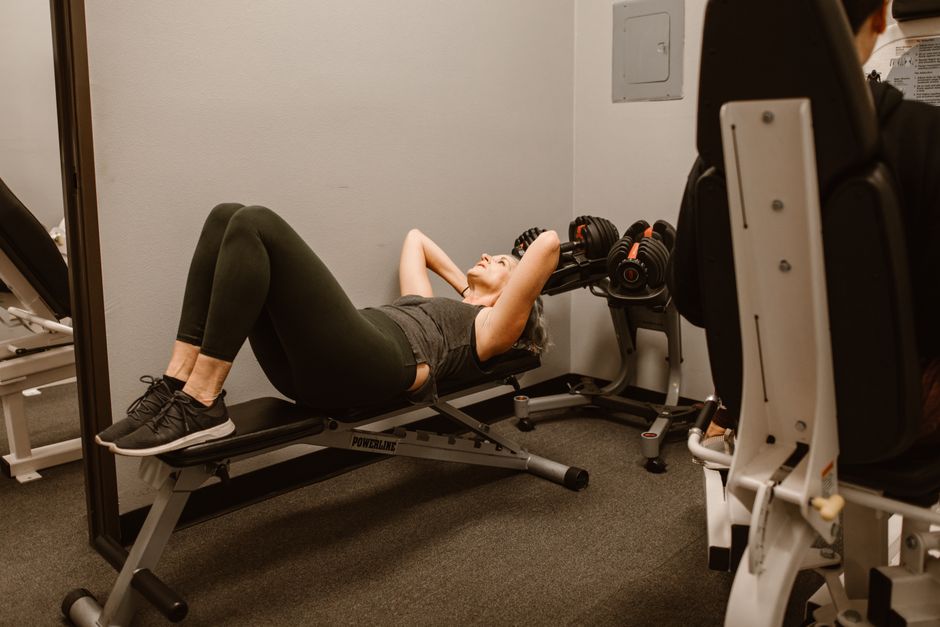
You want to feel strong again. That is a completely reasonable desire after months of pregnancy, labor, and the demanding physical work of early parenthood. But your body just did something extraordinary, and rushing back to your pre-pregnancy workouts, or starting a standard beginner strength program before your tissues are ready, can work against you.
Postpartum strength training at home is absolutely achievable. The key is understanding what has changed in your body, following a realistic timeline, and building load gradually so that every session supports healing instead of interrupting it.
What Changes in Your Body That Makes Postpartum Strength Training Different
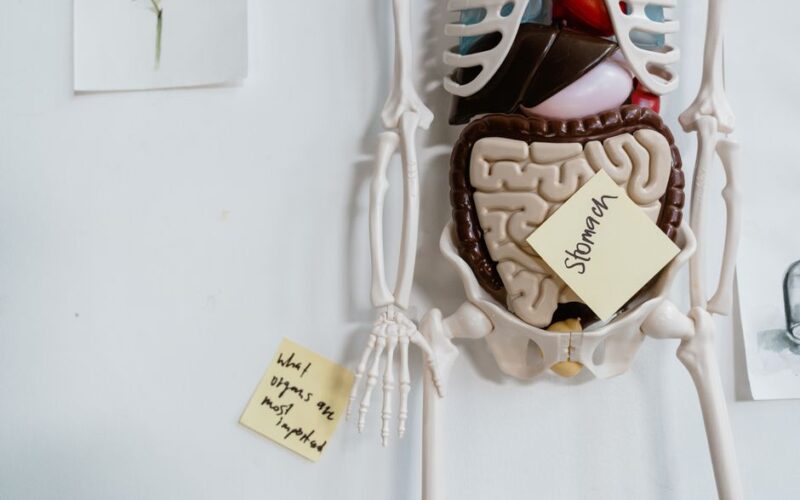
During pregnancy, your abdominal muscles stretch and often separate along the midline, a condition called diastasis recti. Your pelvic floor, which supports the bladder, uterus, and bowel, absorbs enormous pressure throughout pregnancy and delivery. Relaxin, a hormone that increases joint laxity during pregnancy, can remain elevated for several months postpartum, especially if you are breastfeeding.
These changes mean that exercises which feel harmless, like crunches or heavy squats, can increase intra-abdominal pressure in ways that stress healing tissue before it is ready. The American College of Obstetricians and Gynecologists (ACOG) recommends a gradual return to physical activity after delivery, though it does not specify a single timeline that fits every body.
A postpartum physiotherapist or pelvic-floor physical therapist can assess your specific recovery and give you clearance that is far more personalized than any article, including this one. If you have any symptoms such as leaking urine, pelvic heaviness, pain, or visible coning at your midline during exercise, pause and consult a qualified healthcare professional before continuing.
A Realistic Timeline for Returning to Strength Work
General guidance from ACOG and pelvic-health research suggests the following rough progression. Treat it as a framework, not a rulebook.
Weeks 1 to 6: Focus on rest, gentle walking, and diaphragmatic breathing. Deep breathing reconnects your diaphragm with your pelvic floor and begins restoring core coordination. Short, easy walks support circulation and mood without overloading healing tissue.
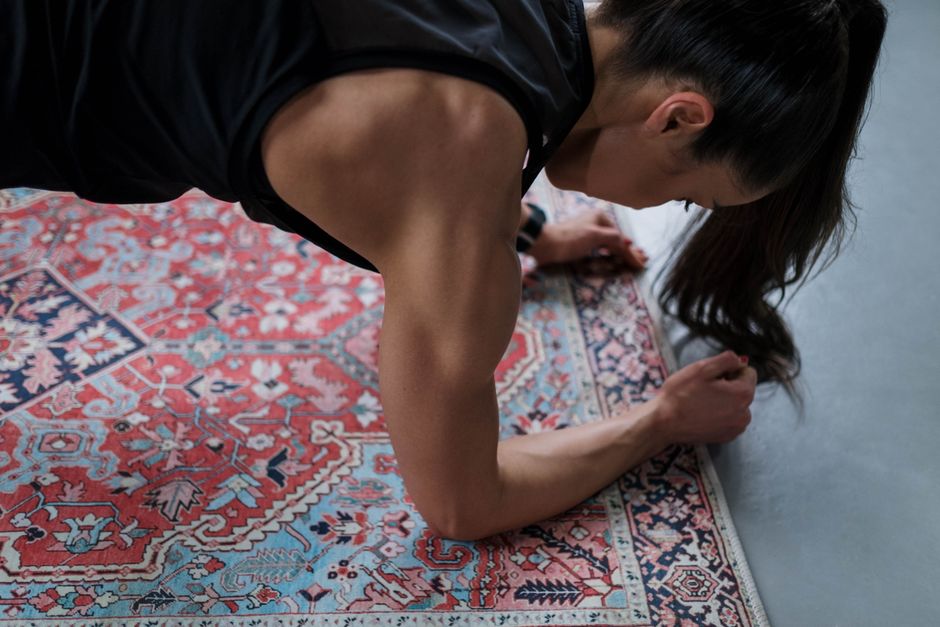
Weeks 6 to 12: After your six-week check-up (and ideally a pelvic-floor assessment), many people can begin low-load bodyweight work. Think bird-dogs, glute bridges, modified push-ups from the knees, and lateral band walks. Movement should feel like gentle effort, not strain.
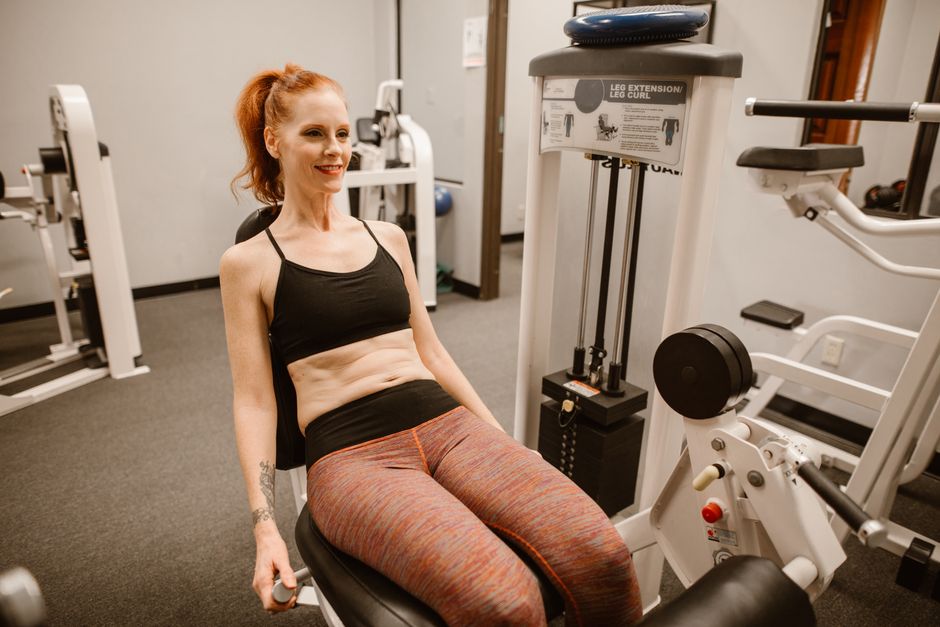
Weeks 12 to 24: If symptoms stay absent and movement feels stable, you can begin adding load systematically. Resistance bands are a practical first step before moving to free weights. Our guide on Resistance Band Workouts for Beginners at Home covers progressions that translate well to this phase.
Beyond 6 months: Full strength training, including squats with load, deadhinge patterns, and overhead pressing, is typically appropriate once pelvic floor function is restored and core stability is solid. If you are ready to build a longer-term plan, Building a Sustainable Strength Training Routine at Home gives you a clear framework for progressing from bodyweight to basic equipment.
Core and Pelvic-Floor Recovery: The Foundation Before Loading
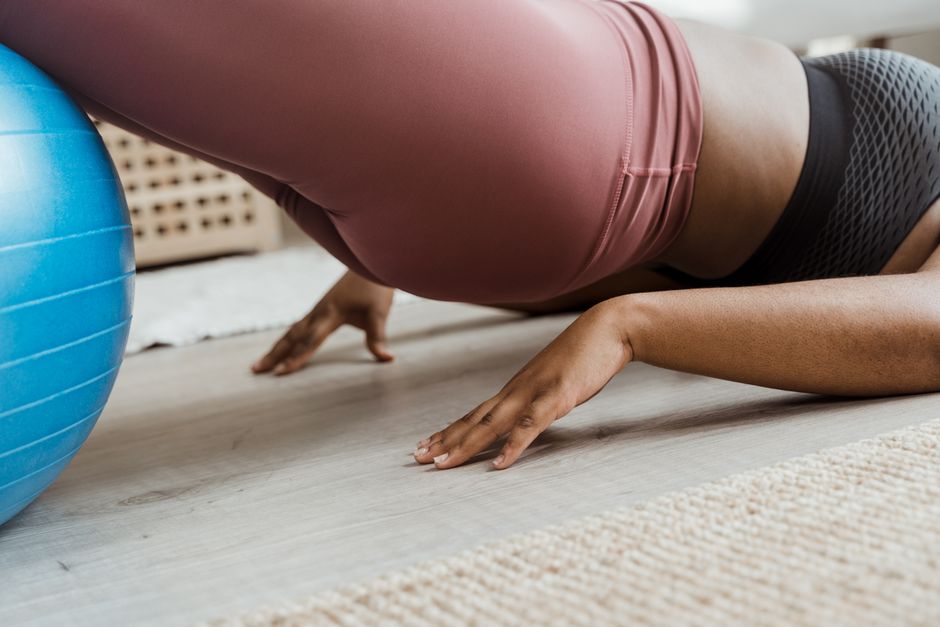
Before adding external resistance, your priority is restoring the deep core system. This includes the diaphragm, transverse abdominis, multifidus (small spinal muscles), and pelvic floor. These four work together as a pressure-management system.
Diaphragmatic breathing: Lie on your back with knees bent. Breathe in slowly and let your belly expand. As you exhale, notice a gentle lift of the pelvic floor. Practice this for 5 to 10 minutes daily in the early weeks. It sounds simple because it is, but the coordination it rebuilds is foundational.
Pelvic-floor engagement: Kegel exercises remain useful, but research from pelvic-health specialists suggests that coordination, not just strength, is the goal. Practice both contracting (lifting) and fully releasing. An inability to fully relax the pelvic floor is as problematic as weakness.
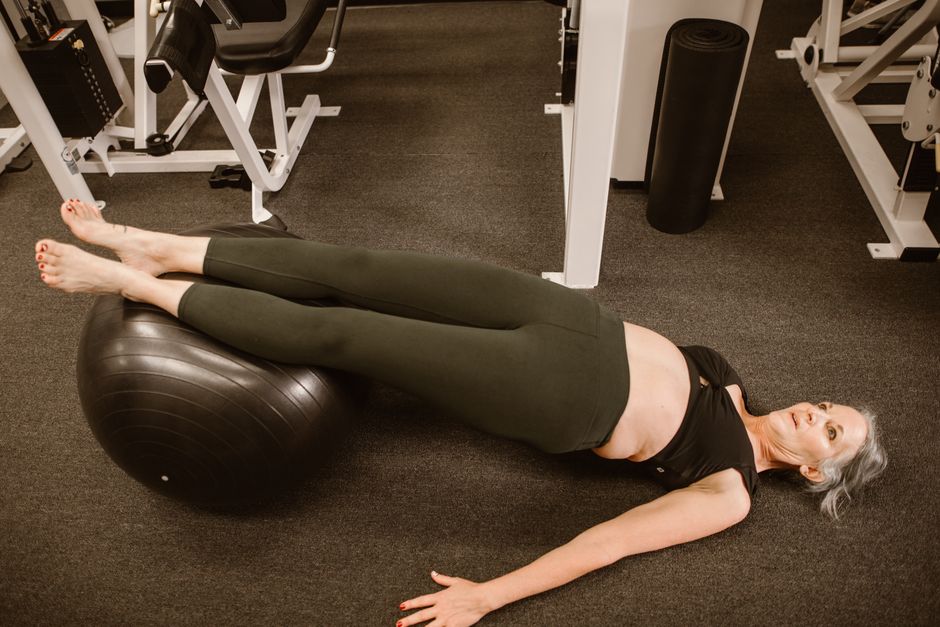
Dead bug: Lie on your back, arms pointed toward the ceiling, knees bent to 90 degrees. Exhale and slowly lower one arm and the opposite leg toward the floor while keeping your lower back from arching. Return and alternate. This trains core stability without compressing the midline.
Bird-dog: On hands and knees, extend one arm and the opposite leg while keeping your spine neutral. Hold for two to three seconds, return, and switch. This exercise builds spinal stability and glute activation with minimal pelvic-floor load.

A Simple Progressive Home Workout for Weeks 8 to 16
This sample routine assumes you have had your postpartum check-up, are symptom-free, and feel comfortable with the breathing and core exercises above. Two to three sessions per week with a rest day between each is a sensible starting cadence. For ideas on balancing effort and recovery, see our article on Recovery Days and Active Rest.
Warm-up (5 minutes): Diaphragmatic breathing, gentle cat-cow stretches, ankle circles, and a short walk.
Circuit (2 rounds to start, build to 3):
- Glute bridge: 10 to 12 reps. Press through your heels, exhale as you lift, avoid tucking your pelvis aggressively.
- Modified push-up (knees): 8 to 10 reps. Keep a long line from knees to shoulders.
- Bird-dog: 8 reps each side. Slow and controlled.
- Squat to chair (sit and stand): 10 reps. Use a sturdy chair as a depth guide. Focus on a neutral spine.
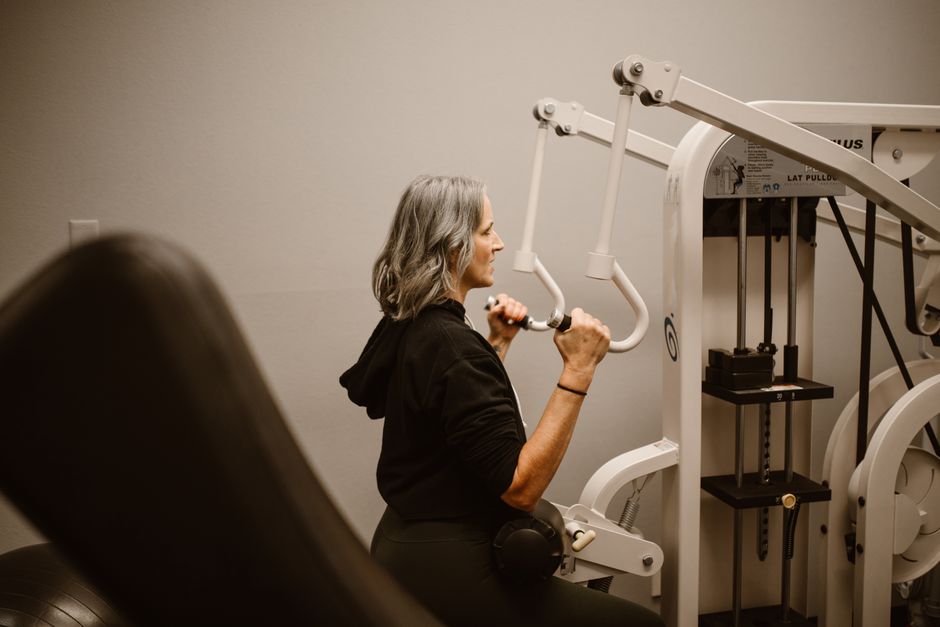
- Standing row with resistance band: 10 reps. Pull elbows back, squeezing shoulder blades.
- Dead bug: 6 reps each side. Exhale on every extension.
Cool-down (5 minutes): Hip-flexor stretch, child’s pose, diaphragmatic breathing.
As weeks pass and these movements feel effortless, you can add a resistance band to the glute bridge, increase squat depth, or swap the chair squat for a free squat. Progress one variable at a time: reps, then sets, then load.
Nutrition and Sleep as Part of Recovery
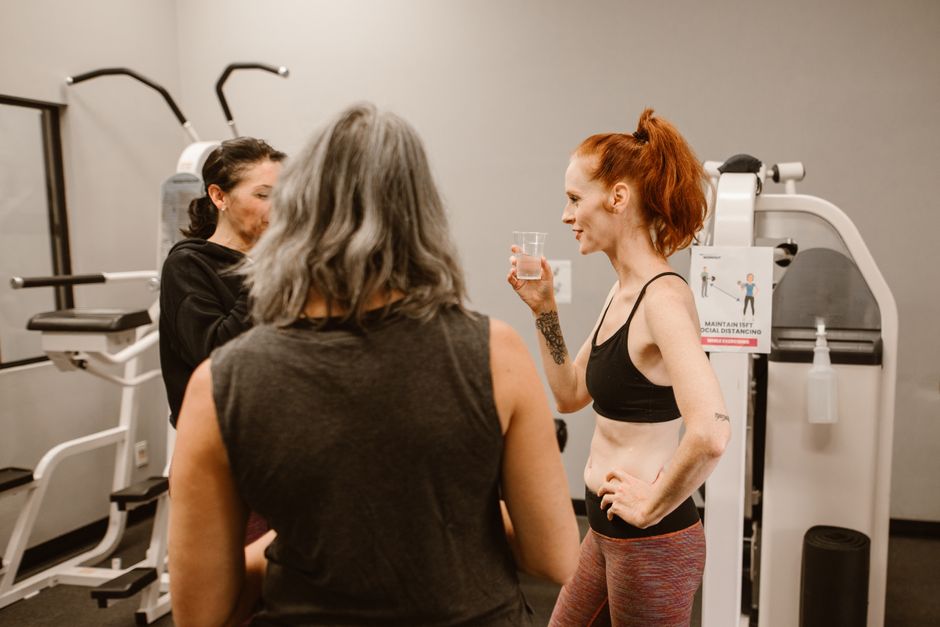
Postpartum recovery is whole-person recovery. Muscle repair requires adequate protein. Research published in journals covering sports nutrition consistently supports a target of roughly 1.6 to 2.2 grams of protein per kilogram of body weight per day for people engaged in strength training, and your needs may be higher while breastfeeding. Lean meats, eggs, Greek yogurt, legumes, and cottage cheese are nutrient-dense sources that are easy to include in quick postpartum meals.
Sleep, while difficult to control with a newborn, matters enormously for tissue healing and hormonal balance. Even short windows of intentional rest make a difference. You do not need perfect conditions to make progress, just sustainable ones.
Being a new parent also means fitting workouts around someone else’s schedule. The guide on Building a Home Strength Routine as a Busy Parent offers honest strategies for that exact challenge.
Moving Forward Without Pressure
The goal of postpartum strength training at home is not to bounce back. It is to move forward into a body that feels capable and supported. Progress will be nonlinear. Some weeks you will feel strong; others you will feel depleted. Both are valid.
Choose one exercise from the circuit above, practice it with care three times this week, and notice how your body responds. That attention is the skill that carries you through every phase of recovery and beyond.
For more guidance on movement and overall wellness, explore the Clean Body Mentor newsletter for practical, evidence-informed ideas delivered weekly.
A note on safety: This article is for general educational and informational purposes only and is not a substitute for medical advice, diagnosis, or treatment. Health needs vary by individual. Consult a qualified healthcare professional before making significant changes to your diet, exercise routine, supplements, medication, or treatment plan, especially if you have a medical condition, are pregnant or breastfeeding, take medication, or have concerns about your symptoms.
Sources
- American College of Obstetricians and Gynecologists. “Exercise After Pregnancy.” ACOG Patient Education. acog.org
- Groom T, Donnelly G, Brockwell E. “Returning to running postnatal: Guidelines for medical, health, and fitness professionals.” British Journal of Sports Medicine, 2019.
- Schoenfeld BJ, et al. “Dose-response relationship between weekly resistance training volume and increases in muscle mass: a systematic review and meta-analysis.” Journal of Sports Sciences, 2017.
- Bø K, et al. “Evidence-based physical therapy for the pelvic floor.” Physiotherapy, 2015 (Elsevier).