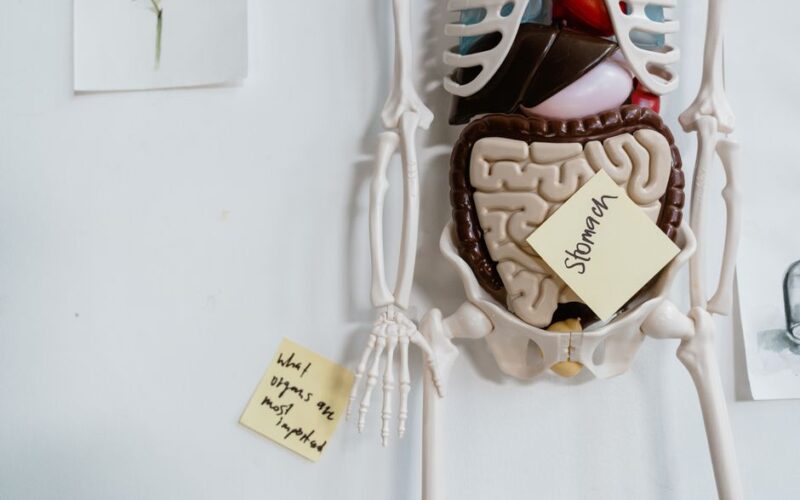


You finish a meal and, instead of feeling satisfied and energized, you feel heavy, bloated, or ready for a nap. Sound familiar? Most of the time the individual foods are not the problem. It is the combination that shapes how your body digests, absorbs nutrients, and feels afterward.
Understanding meal combinations for digestion does not require a complicated system. A few principles, applied consistently, can make a noticeable difference in how you feel after eating.
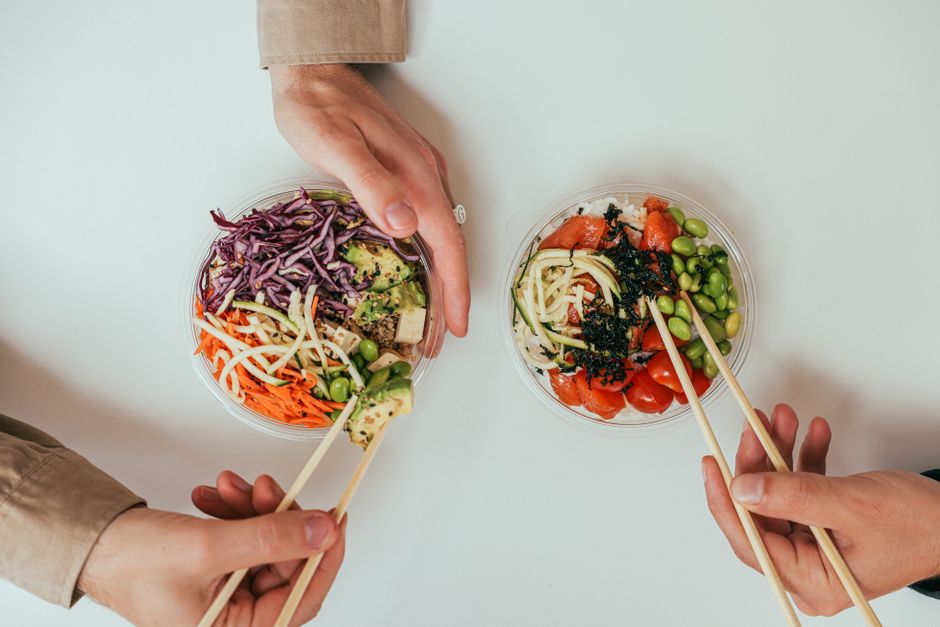
Why Food Pairing Affects Digestion
Your digestive system is not a single machine. It is a layered process: enzymes in the mouth, acid in the stomach, and bile and pancreatic enzymes in the small intestine all handle different macronutrients at different rates. Protein digestion is relatively slow. Simple carbohydrates move quickly. Fat slows gastric emptying. Fiber feeds beneficial gut bacteria and smooths the passage of food.
When these macronutrients interact in specific ways, they can either support or compete with one another. Research published in the American Journal of Clinical Nutrition (Slavin, 2013) highlights that dietary fiber alters the rate at which carbohydrates reach the bloodstream, directly affecting blood sugar stability. A 2019 review in Nutrients reinforced that protein and fat together slow gastric emptying, which helps sustain satiety and moderate post-meal glucose spikes.
This is not a rigid food-combining rule system from the 1900s. It is practical nutrition: build meals so that each macronutrient supports the others.
For a deeper look at how the timing of what you eat affects these processes, Digestive Comfort and Meal Timing: How to Eat for Better Digestion and Sustained Energy is a useful companion read.

The Core Principle: Anchor Every Meal With Three Elements
The most digestion-friendly meals share a predictable structure: a quality protein, a fiber-rich carbohydrate or vegetable, and a small amount of healthy fat. Together they create what nutrition professionals sometimes call a “balanced macronutrient profile,” but in practice it simply means your meal has staying power and digestive balance.
- Protein slows stomach emptying, supports satiety hormones, and provides amino acids for gut-lining repair.
- Fiber feeds beneficial microbes, reduces fermentation-related bloating over time, and blunts blood sugar spikes.
- Healthy fat helps absorb fat-soluble vitamins (A, D, E, K) and provides a steady energy signal.
Missing one of these anchors is often the real culprit behind post-meal fatigue or bloating. A bowl of plain white rice and nothing else moves too quickly. A plate of protein with no fiber can slow transit time and cause heaviness. Fat without enough fiber or protein may delay digestion uncomfortably.
If afternoon energy crashes are your main issue, Eating for Sustained Energy Without the Afternoon Crash: Macro Combinations That Actually Work covers this connection in more detail.
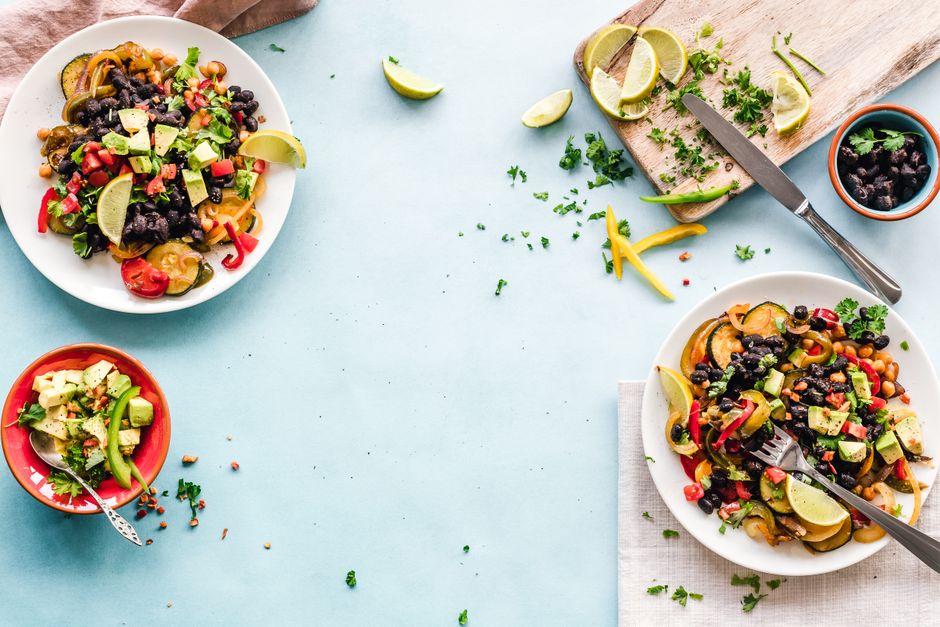
Four Practical Meal Combinations for Digestion
Here are specific pairings you can start using right away. Each is built around the three-anchor principle.
1. Eggs With Leafy Greens and Avocado
Eggs provide complete protein and choline, which supports fat metabolism. Leafy greens such as spinach or arugula deliver magnesium and insoluble fiber. Avocado adds monounsaturated fat, which research suggests supports the absorption of fat-soluble carotenoids from the greens (Unlu et al., Journal of Nutrition, 2005).
This pairing is one of the most naturally digestion-supportive breakfasts you can build. It is filling without being heavy and rarely causes the mid-morning energy dip that refined carbohydrate breakfasts produce.
2. Legumes With Whole Grains and Olive Oil
Beans or lentils combined with a whole grain such as brown rice, farro, or whole-grain pita form a complete amino acid profile. The soluble fiber in legumes slows glucose absorption, while the resistant starch in cooled whole grains feeds beneficial bacteria. A drizzle of olive oil adds healthy fat and supports fat-soluble nutrient absorption.
This combination is also budget-friendly and easy to prep in advance. If you want help building a meal prep routine around combinations like this, Meal Prep for Beginners: A Step-by-Step System That Actually Fits Your Schedule is a practical place to start.
3. Grilled Chicken or Fish With Roasted Vegetables and a Starchy Side
Lean protein plus fiber-dense vegetables plus a moderate portion of a complex starch such as sweet potato or quinoa is one of the most consistently satisfying dinner combinations. Roasting vegetables concentrates flavor and softens cell walls, which can make some nutrients easier to access. Adding a small amount of fat during roasting (olive oil, for example) further supports absorption of fat-soluble compounds like beta-carotene.
4. Greek Yogurt With Berries and Ground Flaxseed
This combination delivers protein, probiotics, antioxidants, and omega-3 fatty acids in one simple bowl. Research suggests that combining probiotic-rich foods with prebiotic fiber (the kind found in berries and flaxseed) may improve the survival and activity of beneficial gut bacteria. This is an easy breakfast or snack that supports both digestive comfort and gut microbiome health.
For more on how gut bacteria relate to overall wellness, Gut Health Foods That Improve Digestion and Mood: A Practical Guide to Microbiome-Supportive Eating goes deeper into the research.
A Few Combinations to Approach Carefully
Not all pairings are equally helpful for everyone.
- High-fat protein plus simple refined carbohydrates (think a burger on a white-flour bun with fries): this combination provides almost no fiber to moderate blood sugar, often leads to a post-meal energy dip, and can trigger digestive discomfort in people prone to bloating.
- Very high-fiber meals all at once when your body is not used to them: gradually increasing fiber is important because a sudden large intake can cause gas and cramping as gut bacteria adjust. Research from the Academy of Nutrition and Dietetics recommends increasing fiber intake incrementally and pairing it with adequate water.
- Large portions of raw cruciferous vegetables without protein or fat: raw broccoli, cauliflower, and cabbage are nutritious but can be harder to digest for some people. Cooking softens them and lightly pairing them with protein or fat often reduces bloating.
Building the Habit: Start With One Meal
You do not need to overhaul everything you eat. Pick one meal per day and apply the three-anchor approach: a protein, a fiber-rich food, and a small healthy fat. Do that consistently for two weeks and notice how you feel afterward.
If smoothies are part of your routine, the same principle applies. A protein source (Greek yogurt, protein powder, nut butter), a fiber-rich fruit or vegetable, and a fat source (flaxseed, avocado, coconut) creates a much more digestion-friendly drink than fruit and juice alone. Smoothie Mistakes That Sabotage Your Energy and Satiety: A Guide to Building Balanced Recipes covers this with specific examples.
For broader practical wellness guidance, subscribing to the Clean Body Mentor newsletter is a low-effort way to get evidence-informed ideas sent directly to you each week.
This article is for general educational and informational purposes only and is not a substitute for medical advice, diagnosis, or treatment. Health needs vary by individual. Consult a qualified healthcare professional before making significant changes to your diet, exercise routine, supplements, medication, or treatment plan, especially if you have a medical condition, are pregnant or breastfeeding, take medication, or have concerns about your symptoms.
Sources
- Slavin J. (2013). Fiber and prebiotics: mechanisms and health benefits. Nutrients, 5(4), 1417-1435. Published by MDPI.
- Unlu NZ, et al. (2005). Carotenoid absorption from salad and salsa by humans is enhanced by the addition of avocado or avocado oil. Journal of Nutrition, 135(3), 431-436.
- Tremblay A, et al. (2019). Protein and fat interactions in satiety and gastric emptying. Nutrients (review). MDPI.
- Academy of Nutrition and Dietetics: position on dietary fiber and digestive health (eatright.org).