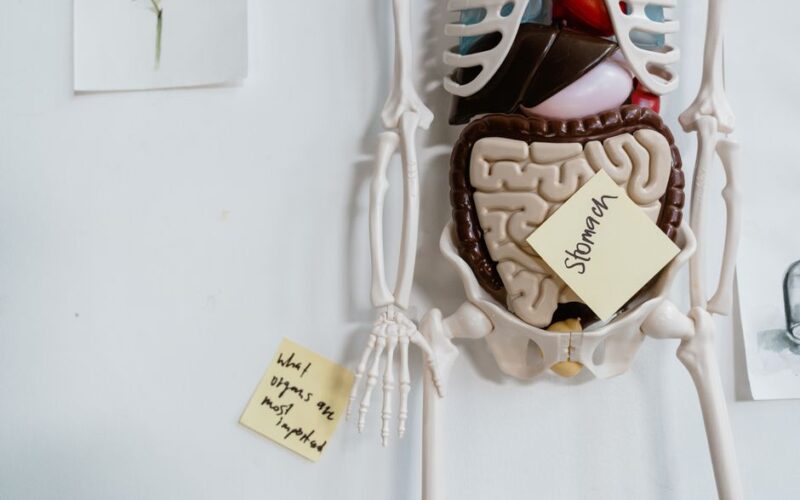

You might notice that a stressful week leaves your stomach unsettled, or that certain foods seem to lift or drag your mood. That connection is real and measurable. The gut-brain axis is a two-way communication network linking your digestive tract to your central nervous system through nerves, hormones, and chemical signals. The trillions of microbes living in your colon, known collectively as the gut microbiome, play a significant role in that conversation.
Research suggests that microbiome composition may influence serotonin production, immune regulation, and inflammatory pathways that affect mental well-being. If you want a deeper look at how this connection works, Gut Health and Mood: How Digestive Wellness Affects Your Mental Well-Being explains the underlying mechanisms clearly.
This guide focuses on the practical side: which foods for gut health and mood genuinely have research support, why they work, and how to fold them into meals you actually want to eat.
Why Fiber Is the Foundation
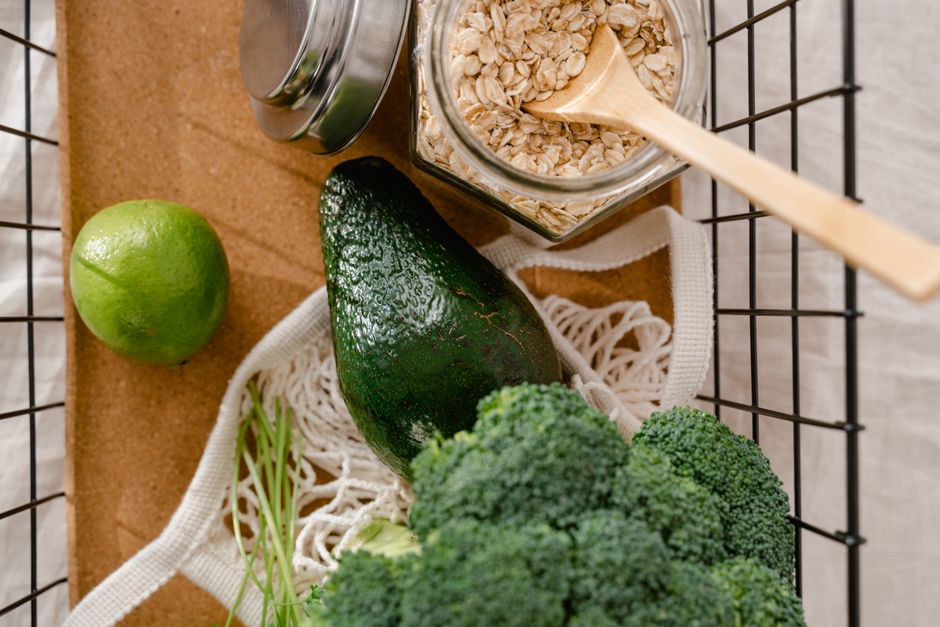
Dietary fiber is the primary fuel for beneficial gut bacteria. When microbes ferment fiber, they produce short-chain fatty acids (SCFAs) such as butyrate, which support the intestinal lining, reduce gut inflammation, and may influence brain signaling. According to the USDA Dietary Guidelines for Americans, most adults consume far less fiber than the recommended 25 to 38 grams per day.
Not all fiber behaves the same way in the gut:
- Prebiotic fiber selectively feeds beneficial microbes. Foods rich in it include garlic, onions, leeks, asparagus, bananas (especially slightly underripe ones), and oats.
- Soluble fiber dissolves in water and forms a gel that slows digestion, supporting stable energy and blood sugar. Sources include oats, beans, lentils, and apples.
- Insoluble fiber adds bulk, keeps transit time moving, and is found in whole grains, vegetables, and nuts.
A practical starting point: add one extra serving of vegetables or legumes to one meal each day before trying to overhaul your entire diet. Small changes compound. Digestion-Friendly Meal Combinations: Foods That Pair Well for Comfort and Sustained Energy offers ideas on how to build those meals in a gut-friendly way.

Fermented Foods and Live Cultures
Fermented foods contain live bacteria that may temporarily enrich microbial diversity in your gut. A 2021 randomized controlled trial published in Cell (Wastyk et al.) found that a high-fermented-food diet increased microbiome diversity and reduced some markers of immune activation compared to a high-fiber diet alone. That does not mean fermented foods are a cure-all, but the evidence is more compelling than it was even a few years ago.
Fermented options worth rotating into your routine:
- Plain yogurt with live active cultures (check the label for strains like Lactobacillus or Bifidobacterium)
- Kefir, a drinkable fermented milk that tends to have a wider range of bacterial strains than yogurt
- Sauerkraut and kimchi, fermented cabbage dishes that also deliver fiber and vitamin C
- Miso, a fermented soybean paste useful in soups, marinades, and dressings
- Tempeh, a firm fermented soy product that doubles as a high-protein meat alternative
A few notes: commercially pasteurized products labeled as fermented (like many canned sauerkrauts) may not contain live cultures. Look for refrigerated versions with no vinegar in the ingredients, or labels that say contains live cultures. Also, if you are immunocompromised or have a specific gastrointestinal condition, speak with a registered dietitian or healthcare professional before significantly increasing fermented foods.
Polyphenol-Rich Foods That Feed Microbes
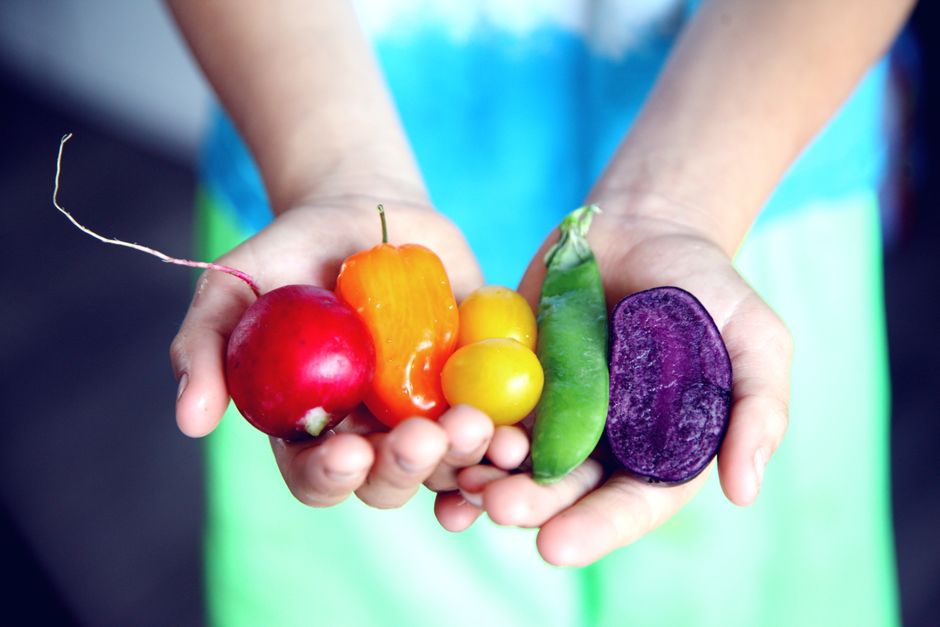
Polyphenols are plant compounds that act as antioxidants. Interestingly, gut bacteria metabolize polyphenols into bioactive compounds that may support both gut lining integrity and brain health. Research from institutions including King’s College London suggests that populations eating more polyphenol-rich foods tend to have greater microbiome diversity.
Practical sources:
- Berries: blueberries, raspberries, and blackberries deliver high polyphenol loads per serving
- Dark chocolate (70 percent cacao or higher) in moderate amounts
- Green and black tea: rich in catechins and other flavonoids
- Extra-virgin olive oil: contains oleocanthal and oleacein, which may have anti-inflammatory effects in the gut
- Colorful vegetables: red cabbage, beets, and purple sweet potatoes offer anthocyanins
Berries are easy to add to oatmeal, blend into a morning smoothie, or fold into plain yogurt with a drizzle of honey. If you want guidance on building smoothies that actually support energy and satiety, Smoothie Mistakes That Sabotage Your Energy and Satiety: A Guide to Building Balanced Recipes is a useful companion read.

Omega-3 Fatty Acids and the Gut-Brain Link
Omega-3 fatty acids, particularly EPA and DHA found in fatty fish, have a well-established role in reducing systemic inflammation. Emerging research also points to a potential gut-related pathway: omega-3s may support the mucosal layer of the gut and influence SCFA production. The NIH Office of Dietary Supplements notes that most Americans do not consume adequate omega-3s through diet.
Approachable sources:
- Canned or fresh salmon, sardines, or mackerel two to three times per week
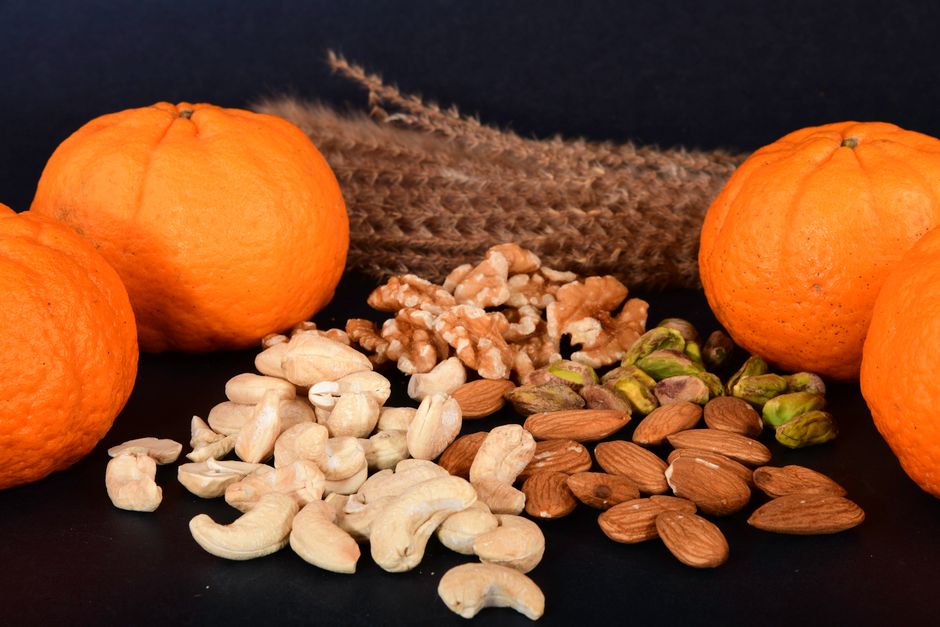
- Walnuts and flaxseeds for plant-based alpha-linolenic acid (ALA)
- Fortified eggs or yogurt if fish is not part of your routine

What to Cut Back (Without Extreme Restriction)
Adding gut-supportive foods matters more than obsessively removing things, but some patterns do appear to disrupt microbiome diversity based on current research:
- Ultra-processed foods high in emulsifiers and artificial sweeteners may alter gut lining permeability and microbial balance. A 2022 large-scale cohort study published in The Lancet (PURE study follow-up) reinforced earlier signals that ultra-processed food intake is associated with poorer health outcomes, though the mechanisms are still being studied.
- Chronically low fiber intake starves beneficial bacteria, reducing diversity over time.
- Excessive alcohol disrupts the gut lining and shifts microbial populations toward less beneficial strains.
The goal is not elimination but gradual substitution. Swap one ultra-processed snack for a handful of walnuts and berries. Replace a sugary drink with green tea or water with lemon.
Building a Gut-Supportive Day Without Overwhelm
You do not need to overhaul every meal at once. Here is a simple daily rhythm that incorporates the foods discussed:
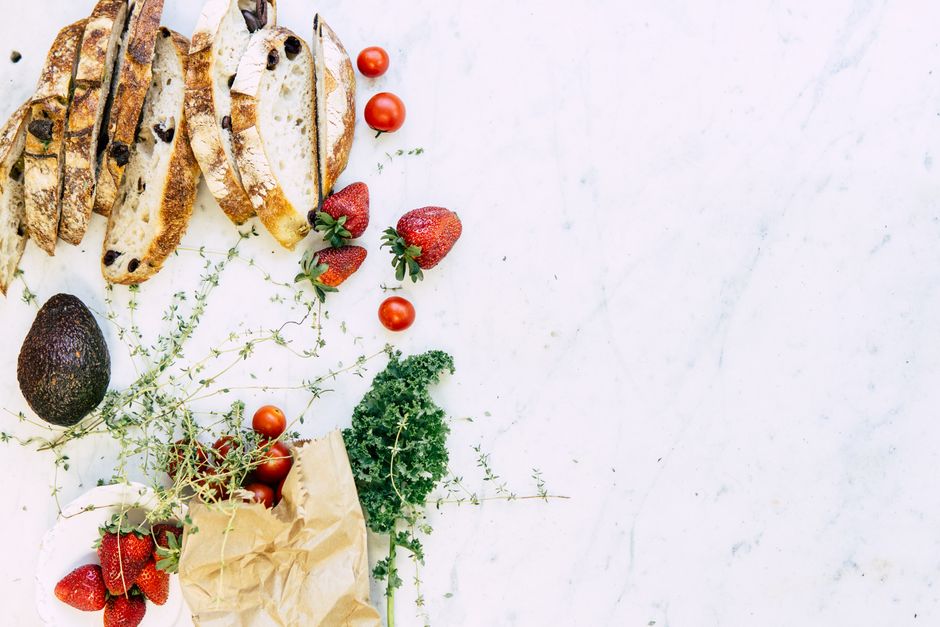
- Morning: Plain kefir or yogurt with berries and a tablespoon of ground flaxseed
- Midday: A grain bowl with lentils, roasted vegetables, extra-virgin olive oil, and a side of sauerkraut
- Afternoon snack: An apple (soluble fiber) with a small handful of walnuts
- Evening: Salmon or tempeh with steamed asparagus and brown rice
If meal planning feels daunting, Meal Prep for Beginners: Simple Systems to Save Time and Build Healthier Eating Habits walks you through a manageable system for busy schedules. And if budget is a concern, Grocery Shopping for Balanced Nutrition on a Budget: Practical Strategies to Buy Whole Foods Without Waste covers how to stock these foods without overspending.
Choose one food from this guide that you do not currently eat regularly, and commit to adding it three to four times this week. Consistency over weeks matters more than perfection in a single day. For more practical weekly guidance on whole-person wellness, consider joining the Clean Body Mentor newsletter.
This article is for general educational and informational purposes only and is not a substitute for medical advice, diagnosis, or treatment. Health needs vary by individual. Consult a qualified healthcare professional before making significant changes to your diet, exercise routine, supplements, medication, or treatment plan, especially if you have a medical condition, are pregnant or breastfeeding, take medication, or have concerns about your symptoms.
Sources
- Wastyk, H.C. et al. (2021). Gut-microbiota-targeted diets modulate human immune status. Cell, 184(16). Published by Cell Press.
- USDA and U.S. Department of Health and Human Services. Dietary Guidelines for Americans, 2020-2025. dietaryguidelines.gov
- NIH Office of Dietary Supplements. Omega-3 Fatty Acids Fact Sheet for Health Professionals. ods.od.nih.gov
- Sonnenburg, J. and Sonnenburg, E. (2022). Diet-induced alterations in gut microflora contribute to lethal pulmonary damage in TLR2/TLR4-deficient mice. Cell Host and Microbe (related microbiome-fiber research, King’s College London polyphenol work cited in broader literature).
- Srour, B. et al. (2019). Ultra-processed food intake and risk of cardiovascular disease. BMJ, 365. Referenced alongside PURE cohort findings on processed food and health outcomes.