
If you have ever finished a meal and reached for a digestive enzyme supplement hoping to prevent bloating or squeeze more nutrition from your food, you are in good company. Enzyme supplements are a growing market, with labels promising better digestion, reduced gas, and enhanced nutrient absorption. The reality is more nuanced. Research supports their use in specific situations, but for most healthy adults, the benefit is modest at best.
Here is a straightforward look at what digestive enzymes do, where the evidence is solid, where it is thin, and what you can try instead.
What Digestive Enzymes Actually Do
Your body produces digestive enzymes naturally in the mouth, stomach, pancreas, and small intestine. Each type has a specific job:
- Amylase breaks down starches into sugars.
- Lipase breaks down dietary fats.
- Proteases (including pepsin and trypsin) break down proteins into amino acids.
- Lactase breaks down lactose, the sugar in dairy.
The pancreas is the main factory, and a healthy pancreas produces enough enzymes to handle a typical diet without any outside help. Problems arise when the pancreas, small intestine, or brush-border cells are damaged or under-functioning, which is when supplemental enzymes may genuinely matter.
For a broader look at how food timing and digestion interact with energy, Digestive Comfort and Nutrient Absorption: Foods and Timing That Work Together for Energy and Wellness offers useful context.
Where the Evidence Is Strong
Three situations have reasonably solid clinical backing for digestive enzyme supplementation.
Exocrine pancreatic insufficiency (EPI). EPI occurs when the pancreas cannot produce enough enzymes, often due to chronic pancreatitis, cystic fibrosis, or pancreatic surgery. Prescription pancreatic enzyme replacement therapy (PERT) is a well-established treatment that significantly improves fat absorption and reduces steatorrhea (fatty stools). The National Institute of Diabetes and Digestive and Kidney Diseases (NIDDK) recognizes PERT as standard care for EPI.
Lactase deficiency. If your body produces little lactase, dairy products can cause gas, bloating, and diarrhea. Over-the-counter lactase supplements (such as products containing the enzyme lactase) have consistent evidence supporting their effectiveness when taken with dairy-containing meals. A 2022 review in the journal Nutrients found lactase supplementation reliably reduces symptoms in people with lactose intolerance.
Alpha-galactosidase for gas from beans and cruciferous vegetables. Products containing alpha-galactosidase (the active enzyme in Beano) help break down oligosaccharides in legumes and vegetables before gut bacteria ferment them into gas. Studies, including research published in the Journal of Family Practice, support modest but real symptom reduction for people who experience significant gas from these foods.
Where the Evidence Is Weak or Missing
This is where the gap between marketing and research becomes clear.
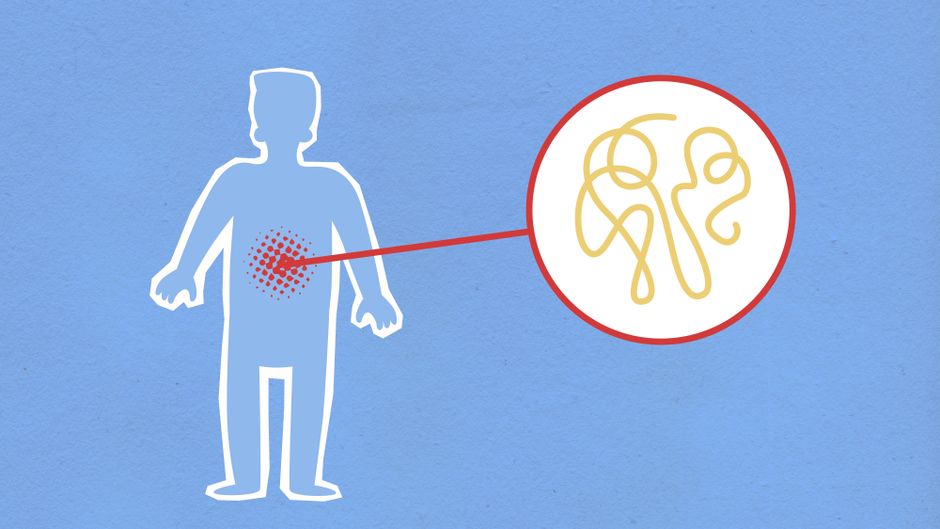
Many enzyme supplements are marketed to healthy adults as a way to absorb more nutrients from food or broadly fix digestive discomfort. But if your pancreas and intestines are functioning normally, adding more enzymes does not meaningfully increase nutrient absorption. Your body already makes enough, and excess enzymes are simply broken down themselves.
For general bloating without a clear diagnosis, the evidence for broad-spectrum enzyme blends is limited. Some small studies suggest benefit, but most are funded by supplement manufacturers, are short-term, or lack rigorous controls. A 2021 review in Frontiers in Nutrition concluded that while certain enzymes show promise in healthy populations for specific symptoms, high-quality independent trials are still needed.
If you are navigating confusion about gut health supplements more broadly, Gut Health Myths vs. Evidence: What Research Actually Says About Probiotics, Fiber, and Digestive Wellness breaks down what is worth your attention and what is oversold.

Practical Alternatives That Often Work Just as Well
Before spending money on enzyme supplements for general digestive discomfort, consider these steps that have solid evidence behind them.
Adjust how you eat, not just what you eat. Eating more slowly and chewing thoroughly gives your existing enzymes more surface area to work with. This is simple and free. Smaller, more frequent meals can also reduce the digestive load at any one time.
Increase dietary fiber gradually. Fiber from vegetables, legumes, and whole grains feeds beneficial gut bacteria and supports motility. Ramping up too quickly causes gas, so do it gradually over two to three weeks. For practical guidance on how food combinations affect digestion, Adapting Your Meals for Better Digestion and Energy: Food Combinations That Work Together is worth reading.
Stay well hydrated. Water helps move food through the digestive tract and supports the mucosal lining of the intestine. Even mild dehydration can slow transit and contribute to discomfort.
Try a short elimination trial for trigger foods. If you suspect a specific food is causing your symptoms, removing it for two to three weeks and reintroducing it systematically can reveal a pattern without requiring supplements at all.
Address stress. The gut and brain are closely linked via the gut-brain axis. Chronic stress impairs digestive motility and can mimic enzyme deficiency symptoms. Mindfulness practices, regular movement, and adequate sleep may support digestive comfort in ways no enzyme pill can replicate. You can explore this connection further in Gut Health and Mood: How Digestive Wellness Affects Your Mental Well-Being.
A Simple Comparison: Supplement vs. Lifestyle
| Situation | Supplement Evidence | Lifestyle Alternative |
|---|---|---|
| EPI or pancreatic damage | Strong (prescription PERT) | Not a substitute – medical care required |
| Lactose intolerance | Strong (OTC lactase) | Reduce dairy or use lactose-free options |
| Gas from beans/vegetables | Moderate (alpha-galactosidase) | Soak legumes, try smaller portions |
| General bloating, no diagnosis | Weak | Chewing, fiber adjustment, stress reduction |
| Healthy adult wanting more absorption | Minimal to none | Balanced eating, whole foods |
When to Talk to a Healthcare Professional
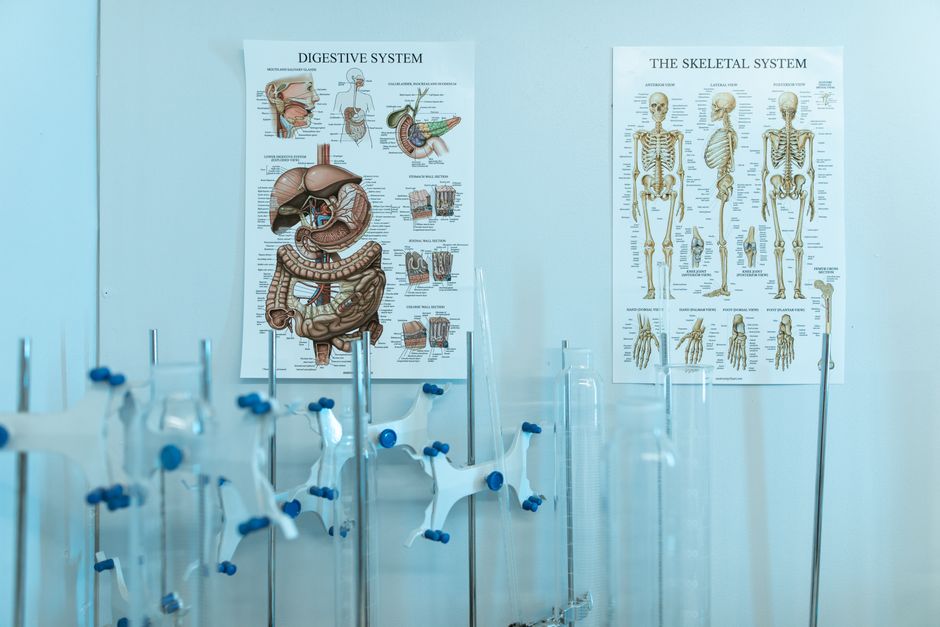
Persistent bloating, unexplained fat in stools, significant unintentional weight loss, or ongoing diarrhea are not problems to troubleshoot with supplements alone. These may indicate EPI, celiac disease, inflammatory bowel conditions, or other issues that a physician or registered dietitian should evaluate. A proper diagnosis makes targeted treatment far more effective than guessing.
If you do take enzyme supplements, quality and dosage matter. Look for products with stated enzyme activity units (such as FCC units on the label) and choose reputable brands that use third-party testing.

A Realistic Starting Point
The most useful action you can take today is not buying a supplement. It is picking one small habit from the list above, whether that is slowing down at meals, soaking your beans before cooking, or reducing stress around eating. These habits build over time and support the digestive system you already have.
If you are curious about broader nutrition strategies that support absorption and energy, explore the Digestive Health and Whole-Person Wellness guide for a fuller picture.
For weekly practical guidance delivered simply, the Clean Body Mentor newsletter is a low-effort way to stay consistent.
This article is for general educational and informational purposes only and is not a substitute for medical advice, diagnosis, or treatment. Health needs vary by individual. Consult a qualified healthcare professional before making significant changes to your diet, exercise routine, supplements, medication, or treatment plan, especially if you have a medical condition, are pregnant or breastfeeding, take medication, or have concerns about your symptoms.

Sources
- National Institute of Diabetes and Digestive and Kidney Diseases (NIDDK): Exocrine Pancreatic Insufficiency
- Misselwitz, B., et al. (2022). Update on lactose malabsorption and intolerance. Nutrients.
- Ganiats, T.G., et al. Beano and intestinal gas. Journal of Family Practice.
- Sousa, R., et al. (2021). Digestive enzyme supplementation in gastrointestinal disorders. Frontiers in Nutrition.