

You took the day off from training, which is great. But now comes a quieter question: should you eat the same as yesterday? Less? More? A lot of people quietly swing between two extremes on rest days, either cutting back so much that recovery stalls, or eating as if they just ran a marathon when they mostly sat at a desk.
Getting rest day nutrition right is not about being restrictive. It is about giving your body the right raw materials to repair muscle, stabilize your mood, and keep momentum without tipping the scale on your broader goals.

Why Rest Day Eating Deserves Attention
Rest days are not passive. Your body is actively rebuilding muscle fibers, restoring glycogen, and managing inflammation, all of which require nutrients. According to research reviewed by the International Society of Sports Nutrition, protein synthesis continues in the 24 to 48 hours after resistance exercise, meaning the day after your workout is still a critical window for muscle repair (ISSN, Position Stand on Protein and Exercise).
At the same time, your total calorie expenditure is modestly lower on a rest day because you are not burning through energy during training. The practical difference is smaller than most people assume, often just 200 to 400 calories depending on training intensity. That gap does not call for dramatic cutbacks. It calls for a slight, natural adjustment in portions, especially from carbohydrates.
For a deeper look at why structured rest is as essential as training itself, see Recovery Days and Active Rest: Why Your Body Needs Breaks as Much as It Needs Workouts.

Keep Protein Consistent
This is the most important rest day nutrition habit: do not cut protein.
Muscle protein synthesis does not clock out on your off day. Spreading adequate protein across meals, research suggests around 0.7 to 1 gram per pound of body weight for active adults, continues to support repair whether you trained that morning or not. A useful target is 25 to 40 grams of protein per meal.
Practical rest day protein options:
- Breakfast: Greek yogurt with hemp seeds and berries, or two to three eggs with sauteed vegetables and a slice of whole-grain toast
- Lunch: Grilled chicken or chickpeas over a large salad with olive oil and lemon, or a turkey and avocado wrap with greens
- Dinner: Baked salmon with roasted sweet potato and steamed broccoli, or a lentil soup with crusty bread
For ideas on structuring a protein-rich dinner that also supports overnight recovery, the guide on Protein at Dinner and Sleep Quality covers the timing angle in detail.
Adjust Carbohydrates, Do Not Eliminate Them
Carbohydrates often get unfairly cut on rest days because people associate carbs with fueling workouts. But your body still uses carbohydrates on off days for brain function, mood regulation, and completing glycogen replenishment.
The practical adjustment is modest. You may naturally eat slightly less if you are less hungry, and that is fine. What matters is choosing carbohydrate sources that also carry fiber, vitamins, or minerals: sweet potatoes, oats, quinoa, legumes, fruit, and whole-grain bread are all solid choices.
If you tend to experience energy dips or restless hunger between meals, the guide on Energy Crashes and Blood Sugar Stability explains how carbohydrate and protein combinations help keep you level.
A helpful rest day lunch that balances both macronutrients: a grain bowl with brown rice, roasted vegetables, a lean protein source, and a tahini drizzle. It is filling without being excessive.

Prioritize Anti-Inflammatory Foods
Rest days are a good moment to lean into foods that may help manage exercise-induced inflammation. The evidence here is still evolving, but research suggests certain nutrients can support the recovery process:
- Omega-3 fatty acids from fatty fish, walnuts, and flaxseed may help reduce post-exercise muscle soreness (NIH Office of Dietary Supplements, Omega-3 Fact Sheet)
- Polyphenols from berries, tart cherry juice, and dark leafy greens are associated with reduced inflammation markers in some studies
- Vitamin C from citrus, bell peppers, and kiwi supports collagen synthesis, which matters for tendon and connective tissue repair
- Magnesium found in pumpkin seeds, dark chocolate, and spinach plays a role in muscle relaxation and sleep quality
None of these need to be taken as supplements if your meals are varied and nutrient-dense. Eating a colorful, whole-food plate covers most of these bases naturally.

Watch the Mindless Eating Trap
Rest days remove the structure of a pre-workout or post-workout routine, and that missing structure can open the door to grazing, boredom eating, or snacking more than you intended. This is not a discipline failure. It is just a pattern worth noticing.
A few habits that help:
- Eat meals at roughly consistent times to anchor hunger cues
- Build snacks intentionally rather than picking at whatever is nearby, options like apple slices with almond butter or cottage cheese with cucumber are satisfying and nutrient-rich
- Stay hydrated, because thirst and mild hunger can feel similar. The guide on Snack Timing for Sustained Energy has practical ideas for structuring snacks without overdoing total intake
If you notice that rest days trigger emotional eating more than training days do, that pattern is worth exploring with self-compassion rather than judgment.
A Simple Rest Day Meal Template
You do not need a perfect plan, just a flexible structure:
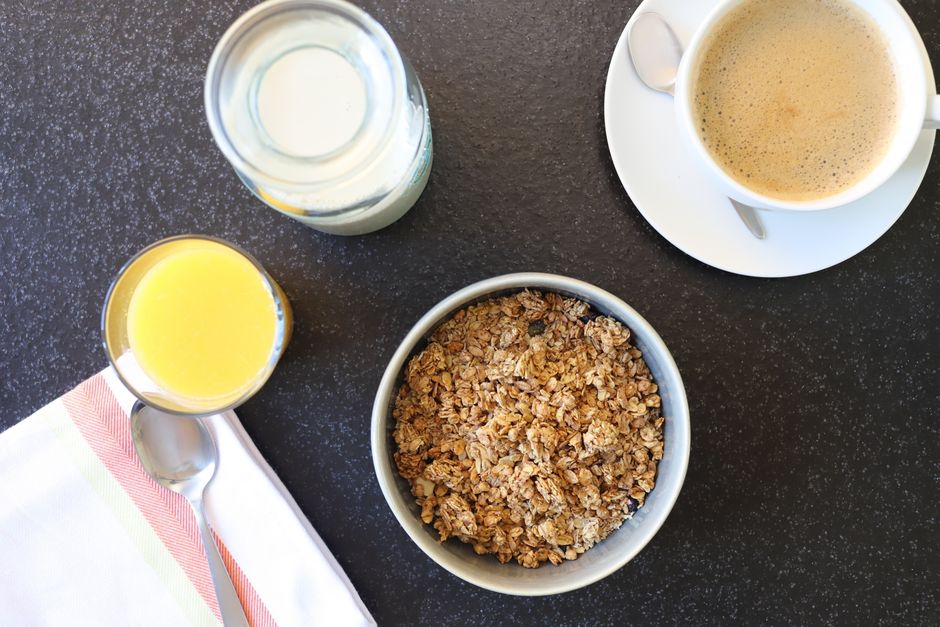
Breakfast: Protein source plus fiber-rich carbohydrate plus healthy fat (example: oats with nut butter, Greek yogurt, and sliced banana)
Lunch: Lean protein plus a generous serving of vegetables plus a moderate portion of complex carbs (example: salmon bowl with quinoa, roasted zucchini, and a side of fruit)
Dinner: Protein plus vegetables plus a lighter carbohydrate portion if appetite is lower (example: turkey meatballs with marinara over zucchini noodles or a smaller pasta portion)
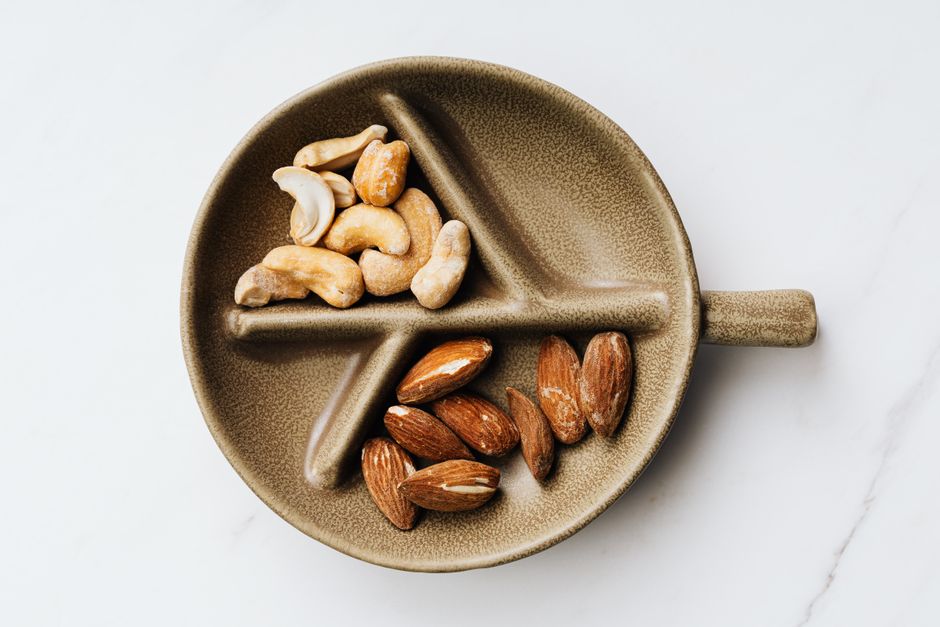
Snack if needed: Something with protein and fiber to avoid energy dips (example: a small handful of mixed nuts with a piece of fruit, or hummus with sliced peppers)
One Action to Start Today
If one idea from this article resonated, try applying it on your next rest day. Maybe that is keeping your protein intake consistent even when you skip the gym. Maybe it is building a proper lunch instead of grazing through the afternoon.
Small, realistic choices made consistently do more for your overall progress than any single perfect meal. If you want more evidence-informed guidance on how your food choices connect to recovery and energy, the Clean Body Mentor newsletter delivers practical weekly support without the pressure.
This article is for general educational and informational purposes only and is not a substitute for medical advice, diagnosis, or treatment. Health needs vary by individual. Consult a qualified healthcare professional before making significant changes to your diet, exercise routine, supplements, medication, or treatment plan, especially if you have a medical condition, are pregnant or breastfeeding, take medication, or have concerns about your symptoms.
Sources
- International Society of Sports Nutrition: Position Stand on Protein and Exercise. ISSN, jissn.biomedcentral.com
- National Institutes of Health, Office of Dietary Supplements: Omega-3 Fatty Acids Fact Sheet for Health Professionals
- Howatson G, et al. “Influence of tart cherry juice on indices of recovery following marathon running.” Scandinavian Journal of Medicine and Science in Sports, 2010