Cold water therapy has moved well beyond elite athlete locker rooms. You have probably seen the viral ice bath videos, heard podcasters champion the mental toughness angle, or noticed contrast shower tutorials popping up in fitness spaces. But before you fill your bathtub with ice or crank your shower dial to its coldest setting, it helps to understand what the research actually shows, what it does not, and which approach might fit your lifestyle and goals.
This guide compares cold water plunges and contrast showers across four practical dimensions: the physiological response, recovery benefits, mental well-being, and ease of access. By the end, you will have a clearer picture of whether cold water therapy recovery belongs in your routine.
What Happens in Your Body During Cold Exposure
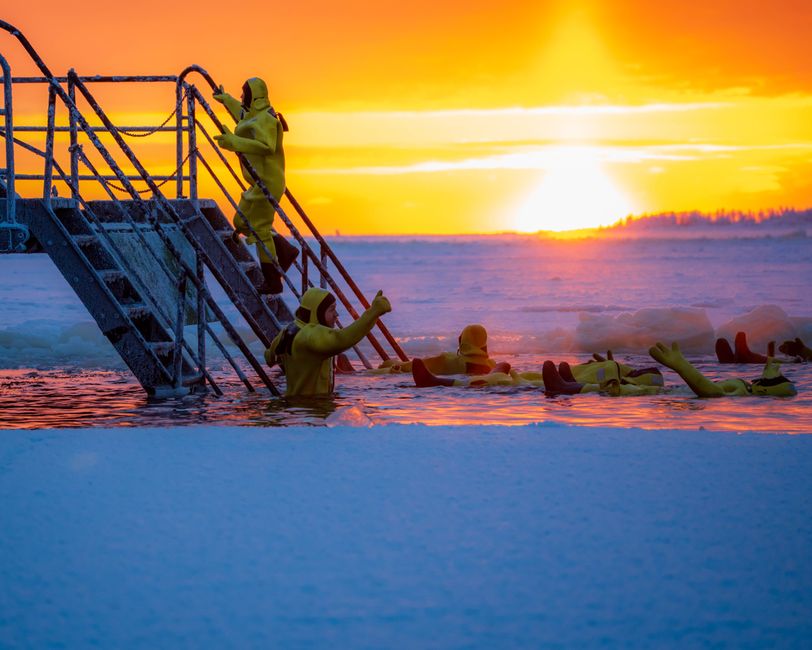
Both methods trigger what researchers call a “cold shock response.” When skin temperature drops suddenly, your body activates the sympathetic nervous system, releases norepinephrine (a stress hormone and neurotransmitter), constricts blood vessels near the surface, and redirects blood toward vital organs. Heart rate and breathing rate spike briefly, then often settle as the body adapts.
This controlled physiological stress is the foundation of the proposed benefits. Research suggests that repeated, brief cold exposures may train the nervous system to manage stress signals more efficiently over time, a concept sometimes called hormesis, where a mild stressor produces a beneficial adaptive response.
The key word is “may.” Cold exposure research, while growing, still relies heavily on small sample sizes, short study periods, and varied protocols. That context matters when evaluating the claims.
Cold Water Plunges: The Evidence
What the Research Supports
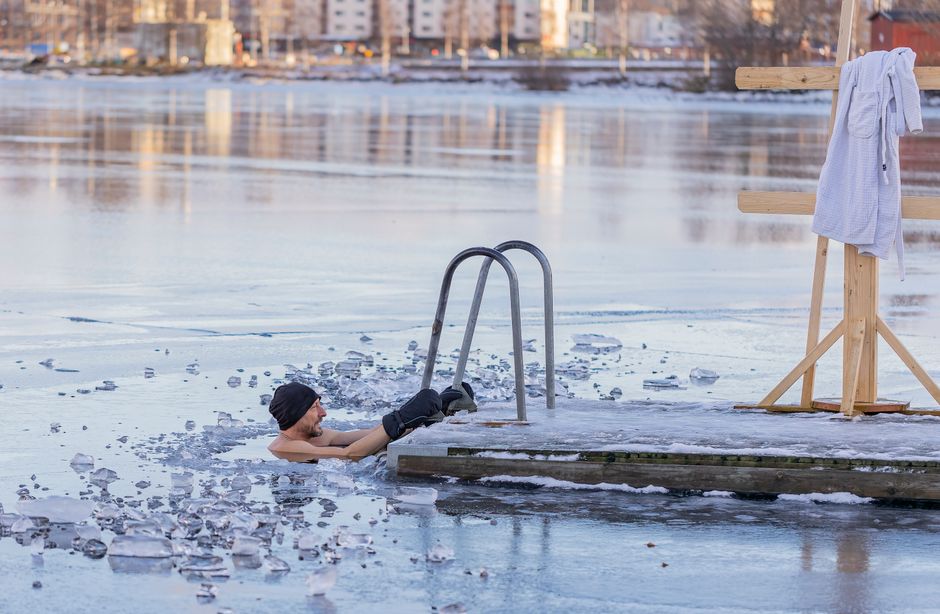
Cold water immersion (CWI) has the longer research track record of the two methods, primarily in sports science. Studies consistently show that immersing in cold water (roughly 50 to 59 degrees Fahrenheit / 10 to 15 degrees Celsius) for 10 to 15 minutes after intense exercise can reduce perceived muscle soreness and feelings of fatigue in the 24 to 48 hours following a workout. This makes cold plunge recovery appealing for athletes with back-to-back training days.
The proposed mechanism: cold causes blood vessels to constrict, reducing inflammatory signaling and metabolic waste accumulation in muscle tissue. When the body rewarms, vasodilation brings fresh blood flow and nutrients back in.
Research published in peer-reviewed sports medicine journals also notes reductions in self-reported delayed onset muscle soreness (DOMS) after CWI, though the effect on actual long-term strength or performance gains is more debated. Some evidence suggests that cold immersion immediately after strength training could blunt the muscle-building signal, which matters if hypertrophy is your primary goal. If your priority is recovery days and active rest between hard sessions, timing cold exposure to avoid the immediate post-lifting window may be worth considering.
Mental Resilience and Mood
One of the most discussed benefits of cold plunges is mood elevation and improved stress tolerance. Research suggests that the sharp rise in norepinephrine during cold immersion (some studies report increases of 200 to 300 percent) may contribute to feelings of alertness, focus, and positive mood shortly after a session. Regular practitioners often report a sense of calm and accomplishment after adapting to the discomfort.
These effects appear to involve the brain’s stress-regulation pathways. Cold exposure may help recalibrate your baseline stress response over time, which connects interestingly to breathwork vs. meditation for stress relief practices that work through similar nervous-system pathways, just via different entry points.
Contrast Showers: The Evidence
What the Research Supports
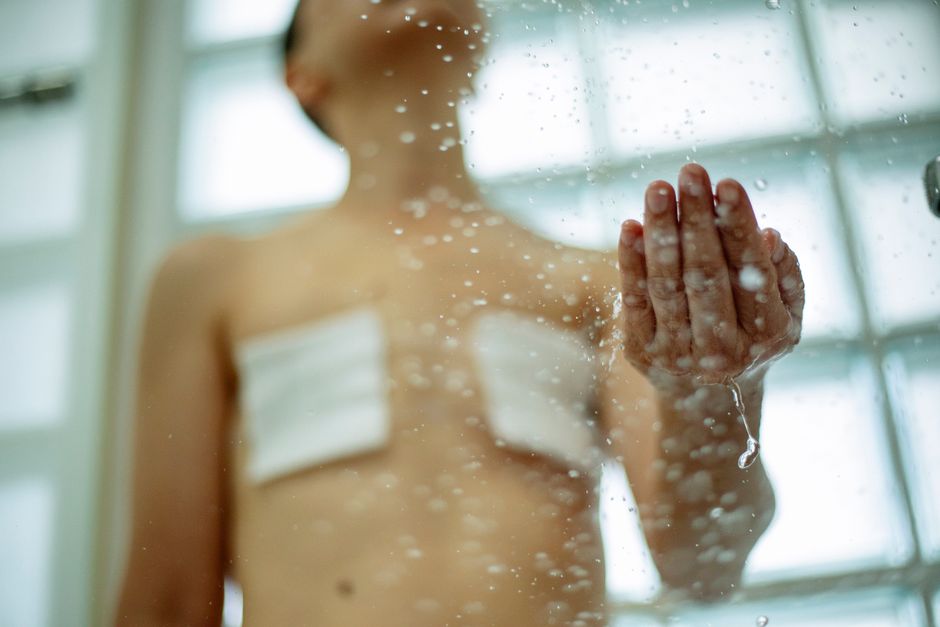
Contrast showers alternate between hot and cold water, typically cycling two to four times in a session, spending 1 to 3 minutes in warm water followed by 30 to 60 seconds in cold. This cycle of vasodilation and vasoconstriction is sometimes called a “vascular pump” and is believed to enhance circulation and reduce post-exercise muscle soreness.
Studies comparing contrast water therapy to passive rest generally show modest benefits for perceived recovery, fatigue reduction, and next-day readiness. The evidence is somewhat comparable to cold immersion alone for soreness reduction, though direct head-to-head research is limited and findings are mixed.
Contrast showers are significantly more accessible than cold plunges. You do not need a special tub, ice delivery, or outdoor setup, which makes consistency more realistic for most people. For someone building a sustainable fitness habit, such as a beginner strength training routine at home, the lower barrier to entry matters.
Mental and Mood Effects
Anecdotally, many people find that ending a shower cold sharpens alertness and shifts their mood positively for the hours that follow. The scientific literature on contrast showers and mental well-being specifically is thinner than for full immersion, but the norepinephrine and dopamine response observed during cold exposure is likely present to a lesser degree here as well. Think of contrast showers as a milder, more sustainable version of the same adaptive stimulus.
Side-by-Side Comparison
| Factor | Cold Plunge | Contrast Shower |
|—|—|—|—|
| Evidence strength | Stronger for DOMS and mood | Moderate for recovery, limited for mood |
| Accessibility | Low (requires tub, ice, or facility) | High (standard shower) |
| Intensity | High | Mild to moderate |
| Cost | Moderate to high | None added |
| Risk level | Higher (especially with heart conditions) | Lower |
| Best for | Athletes, experienced cold exposure users | Beginners, daily use, busy schedules |
Common Mistakes and Misconceptions
More cold does not always mean more benefit. Longer or colder is not necessarily better, and extreme sessions can increase cardiovascular stress beyond what is adaptive. Research protocols typically use 10 to 15 minutes at controlled temperatures, not indefinite soaking.
Timing matters for muscle building. If your main goal is gaining strength or muscle, avoid cold immersion immediately after resistance training. Research suggests it may reduce anabolic signaling. Pairing your cold session with a protein-timed meal for recovery later can still support your goals.
Hydration is often overlooked. Cold exposure affects circulation and fluid balance. Staying well-hydrated before and after sessions supports the physiological response. Reading about hydration for energy and mood can help you build this habit alongside cold therapy.
Cold exposure is not a replacement for sleep or stress management. It is a complement, not a cure-all. Your broader recovery toolkit matters more than any single practice.
Safety Notes and When to Consult a Professional
Cold water therapy recovery is not appropriate for everyone. People with cardiovascular disease, Raynaud’s syndrome, uncontrolled hypertension, or cold urticaria (cold-triggered skin reactions) should speak with a qualified healthcare professional before attempting either method. Pregnant individuals should avoid cold immersion without medical clearance.
Never plunge alone, especially as a beginner. Cold shock can briefly impair breathing control, which creates a risk in water environments. Start with contrast showers to assess your tolerance before progressing to full immersion.
If you take medications that affect circulation, heart rate, or blood pressure, a conversation with your prescribing physician is a sensible first step.

FAQ
How cold does the water need to be to get benefits?
Most research uses water between 50 and 59 degrees Fahrenheit (10 to 15 degrees Celsius). For contrast showers, a noticeably cold but tolerable temperature is sufficient to trigger the adaptive response.
How often should I practice cold water therapy?
Two to four sessions per week appears to be a reasonable starting point based on available research protocols. Daily use may be fine for contrast showers at lower intensity.
Will a cold shower help me lose weight?
Cold exposure may modestly activate brown adipose tissue (a type of fat that generates heat), but the calorie burn is small. Cold therapy is not a meaningful fat-loss strategy on its own. Sustainable fat loss still depends primarily on consistent activity and balanced nutrition.
Can cold water therapy improve my mental health?
Research suggests it may support mood and stress tolerance, likely through norepinephrine and dopamine pathways. It should complement, not replace, evidence-based mental health care. If you are managing anxiety or depression, speak with a licensed mental-health professional.
Which is better for beginners?
Contrast showers. They are accessible, controllable, and carry a lower risk of cold shock. Build tolerance gradually before considering cold plunges.
This article is for general educational and informational purposes only and is not a substitute for medical advice, diagnosis, or treatment. Health needs vary by individual. Consult a qualified healthcare professional before making significant changes to your diet, exercise routine, supplements, medication, or treatment plan, especially if you have a medical condition, are pregnant or breastfeeding, take medication, or have concerns about your symptoms.
Your Next Step
Choose one small, realistic action from this article and practice it consistently for two weeks. If you are new to cold water therapy recovery, try ending your next shower with 30 seconds of cool water and notice how you feel. That is a meaningful starting point, no ice bath required.
For more practical tools on building a balanced recovery routine, explore active rest recovery vs. complete rest days or subscribe to the Clean Body Mentor newsletter for practical weekly wellness guidance delivered to your inbox.