

You eat breakfast, feel fine for an hour, then hit a wall somewhere around 10 a.m. Focus drops, hunger creeps back, and you reach for something easy and sweet. If that cycle feels familiar, the issue usually is not willpower. It is breakfast composition.
Most quick breakfasts lean heavily on simple carbohydrates, which digest fast and send blood sugar up quickly, followed by an equally fast drop. Research published in Nutrients (2021) confirms that meals combining adequate protein, fiber, and moderate fat produce a more gradual glucose response and sustain satiety longer than carbohydrate-dominant meals.
The five high-protein breakfast recipes below each take that principle seriously. Every combination includes a clear protein source, a source of healthy fat, and a complex carbohydrate or fiber-rich base, along with a quick note on why the pairing works. Modifications are included for different preferences.
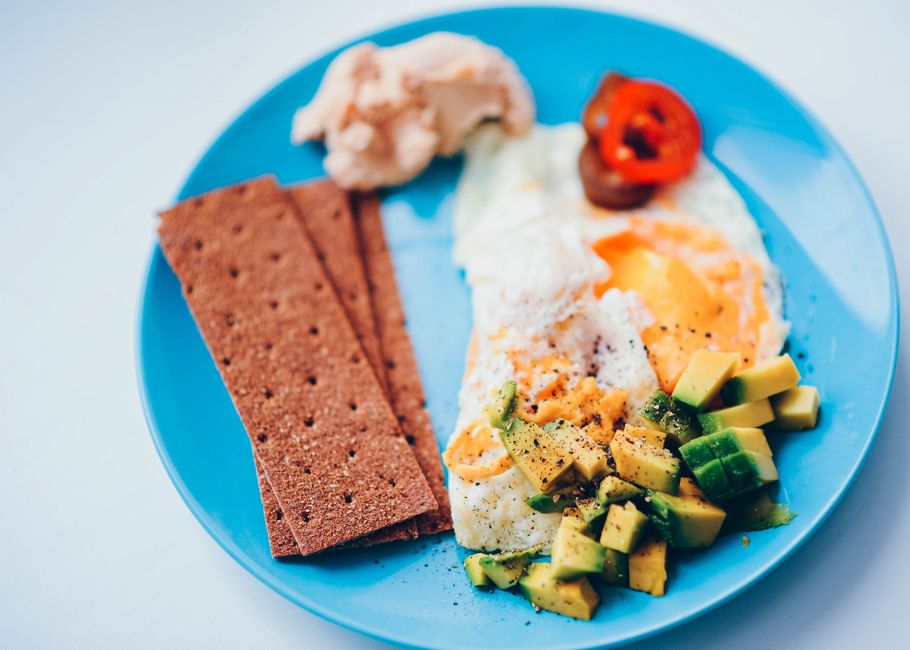
1. Soft-Scrambled Eggs with Avocado and Rye Crispbread
The combination: Two or three eggs scrambled gently in olive oil, half an avocado sliced alongside, and two rye crispbreads (such as Wasa or Ryvita).
Why it works: Eggs provide roughly 6 grams of complete protein each, plus choline, which supports cognitive function. Avocado adds monounsaturated fat and potassium, slowing gastric emptying so you stay satisfied longer. Rye crispbread contributes soluble fiber, which blunts the post-meal glucose rise. The total fat and protein load here sends a strong satiety signal without a heavy carbohydrate burden.
Modification: Replace eggs with firm tofu scrambled with turmeric and nutritional yeast for a plant-forward version. For extra staying power, add a handful of cherry tomatoes.
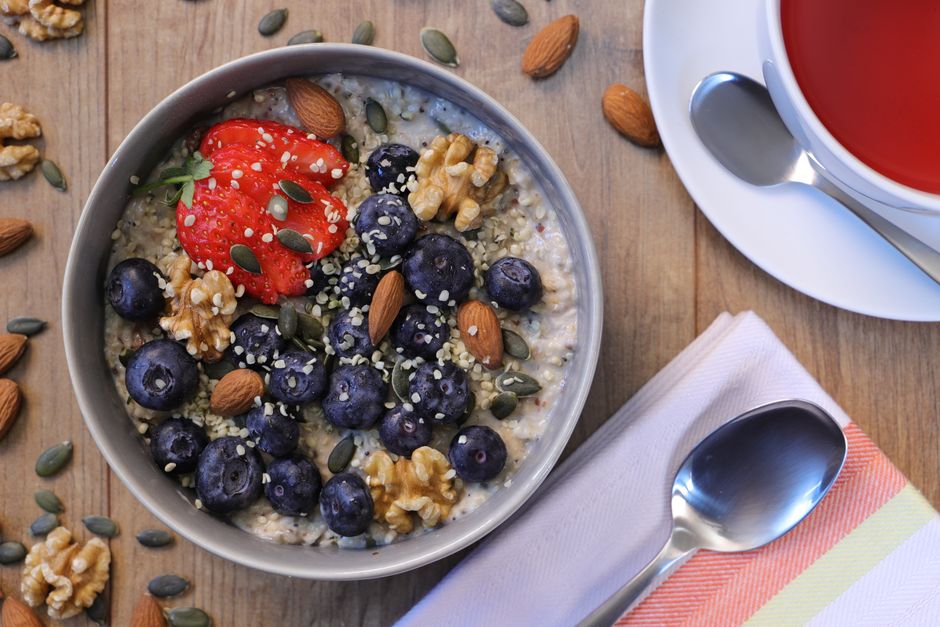
2. Plain Greek Yogurt with Walnuts, Berries, and Hemp Seeds
The combination: Three-quarters of a cup of full-fat or 2% plain Greek yogurt, a small handful of walnuts, a half-cup of mixed berries, and one tablespoon of hemp seeds.
Why it works: Greek yogurt delivers around 15 to 17 grams of protein per serving and contains probiotics that may support gut health. Walnuts bring alpha-linolenic acid (an omega-3 fatty acid) alongside vitamin E. Berries are low on the glycemic index and rich in polyphenols. Hemp seeds add another 3 grams of protein and essential fatty acids in a single tablespoon. Together, this bowl covers protein, fat, and fiber without a single grain of added sugar.
If you want to build on this protein-first approach, the guide on Protein Timing Across Your Day explains how distributing protein across meals supports hunger and energy better than saving most of it for dinner.
Modification: Lactose-sensitive? Try a coconut-based Greek-style yogurt and choose one with live cultures listed on the label. Boost volume by stirring in a spoonful of chia seeds the night before.
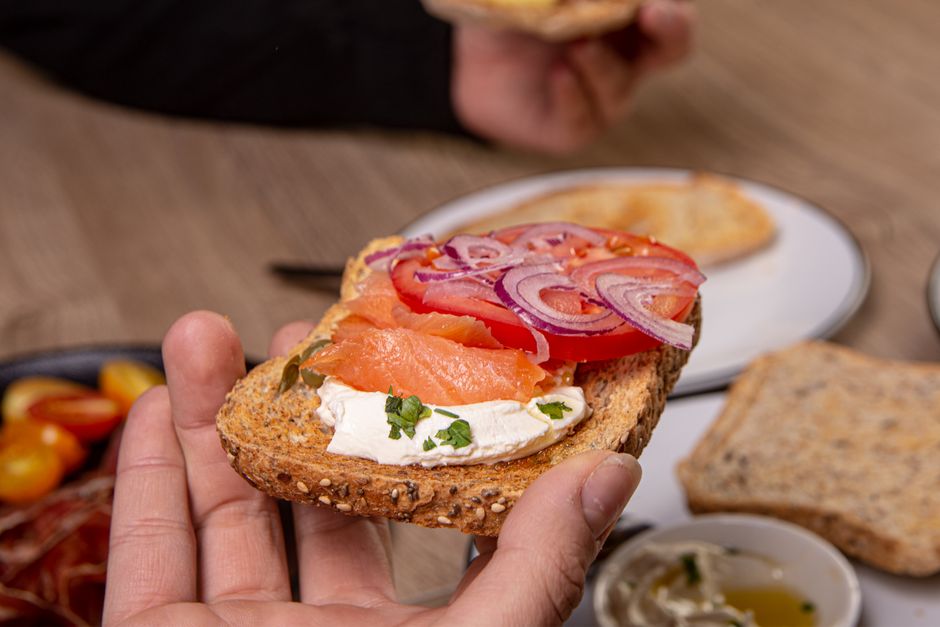
3. Smoked Salmon with Cottage Cheese on Whole-Grain Toast
The combination: One slice of 100% whole-grain toast, three to four ounces of smoked salmon, and a quarter-cup of low-sodium cottage cheese spread on top. Garnish with capers or thinly sliced cucumber.
Why it works: This is one of the most protein-dense high-protein breakfast recipes in this list, combining two quality protein sources in one plate. Smoked salmon also provides omega-3 fatty acids (EPA and DHA), which research from the American Journal of Clinical Nutrition links to reduced inflammation and improved mood regulation. Whole-grain toast adds B vitamins and fiber. Cottage cheese contributes casein, a slower-digesting protein that may extend satiety.
Modification: Not a salmon fan? Swap it for sliced hard-boiled eggs or a thin layer of almond butter. If sodium is a concern, choose low-sodium or fresh-poached salmon instead.
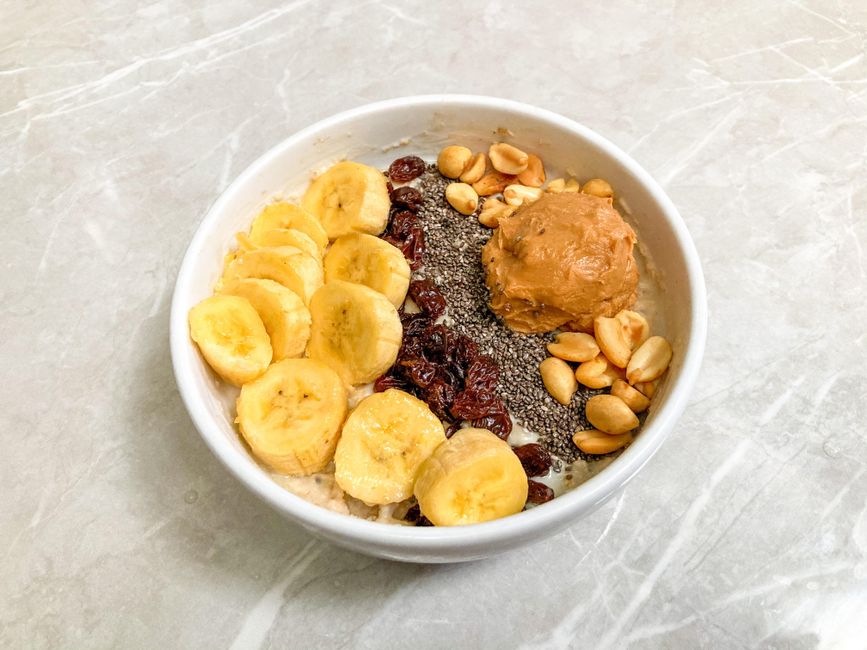
4. Oat and Chia Overnight Bowl with Nut Butter and Banana
The combination: Half a cup of rolled oats soaked overnight in unsweetened almond milk, one tablespoon of chia seeds, one tablespoon of natural almond or peanut butter, and half a banana sliced on top.
Why it works: Rolled oats are rich in beta-glucan, a soluble fiber shown in multiple studies (including a review in The American Journal of Clinical Nutrition) to reduce post-meal glucose and insulin spikes. Chia seeds add omega-3s and additional fiber. Nut butter contributes healthy fat and protein, which slows digestion of the oat starches. Banana provides potassium and natural sweetness without needing any added sugar.
For a deeper look at how macro pairings sustain your focus through the day, see Eating for Sustained Energy Without the Afternoon Crash.
Modification: Prefer a warm breakfast? Cook the oats on the stovetop and stir in nut butter and chia seeds at the end. Use frozen berries instead of banana for a lower-sugar variation.
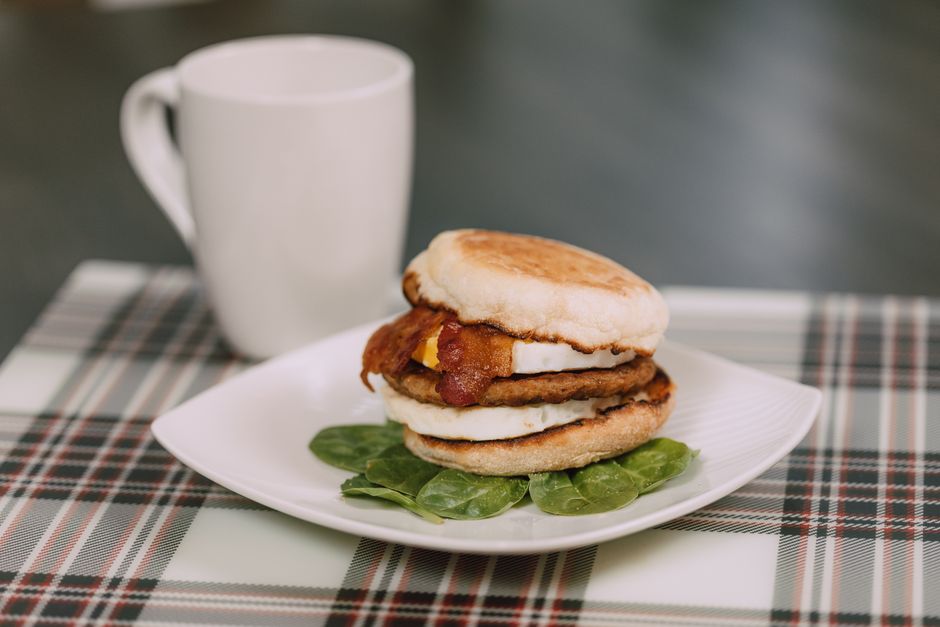
5. Turkey and Spinach Egg Muffins with a Side of Sliced Apple
The combination: Two egg muffins made with two eggs, two ounces of lean ground turkey, a handful of baby spinach, and a pinch of black pepper baked in a muffin tin. Serve with one medium apple.
Why it works: Batch-cooking egg muffins over the weekend solves the “I have no time” problem on weekday mornings. Each muffin contributes protein from both eggs and turkey, plus iron and folate from spinach. The apple adds quercetin (an antioxidant) and pectin, a fiber that feeds beneficial gut bacteria and moderates post-meal blood sugar. Research suggests that starting the day with a protein-rich breakfast may reduce overall calorie intake later in the day (source: International Journal of Obesity, 2015).
If this combination fits a workout morning, the article on eating before or after your morning workout can help you decide on timing.
Modification: Make this egg-free by substituting a tofu-based muffin base with the same fillings. Swap turkey for diced mushrooms and feta for a vegetarian option that still delivers meaningful protein.
Choosing the Combination That Works for You
None of these high-protein breakfast recipes requires a long shopping list or a fancy kitchen setup. The pattern they share is intentional: protein + fiber + healthy fat, assembled quickly with whole ingredients. If mid-morning hunger is still pulling you off track even after a solid breakfast, it may be worth exploring why hunger returns sooner than expected after eating as other factors like sleep quality, hydration, and meal pacing also play a role.
Pick one combination from this list this week. Make it three mornings in a row and pay attention to how your focus and hunger feel before lunch. That one experiment will tell you more than any nutrition chart.
For more practical guidance on balanced eating and sustainable healthy habits, consider browsing the Clean Body Mentor newsletter, where we share weekly evidence-informed ideas you can actually use.
This article is for general educational and informational purposes only and is not a substitute for medical advice, diagnosis, or treatment. Health needs vary by individual. Consult a qualified healthcare professional before making significant changes to your diet, exercise routine, supplements, medication, or treatment plan, especially if you have a medical condition, are pregnant or breastfeeding, take medication, or have concerns about your symptoms.

Sources
- Leidy, H.J. et al. “The role of protein in weight loss and maintenance.” American Journal of Clinical Nutrition, 2015. Published by Oxford University Press/American Society for Nutrition.
- Rebello, C.J. et al. “Dietary fiber and satiety: the effects of oats on satiety.” Nutrition Reviews, 2016.
- Beta-glucan and glycemic response: American Journal of Clinical Nutrition review series (multiple years). Available via PubMed/National Library of Medicine (nlm.nih.gov).
- Omega-3 fatty acids and mood: American Journal of Clinical Nutrition, ongoing review studies cited by the National Institutes of Health Office of Dietary Supplements (ods.od.nih.gov).
- Protein and satiety at breakfast: Ratliff, J. et al. Nutrition Research, 2010, via PubMed.