
You finish a reasonable meal, push back from the table, and feel satisfied. Then, barely an hour later, the hunger signal is back. If this sounds familiar, you are probably wondering whether portion size is the culprit. Often, it is not. Understanding why you feel hungry after eating comes down to a cluster of factors that have less to do with how much you ate and more to do with how you ate, what was in the meal, and what was happening in your body before the first bite.
Here are five evidence-backed reasons your satiety fades faster than expected, along with practical adjustments you can test.
1. Your Meal Was Low in Protein and Fiber
Calories fill a stomach temporarily, but protein and fiber drive the hormonal signals that tell your brain the meal is done. Research published in Nutrition Reviews (Paddon-Jones et al.) confirms that higher-protein meals increase levels of peptide YY (PYY) and GLP-1, two hormones that reduce appetite, while suppressing ghrelin, the hormone that triggers hunger.
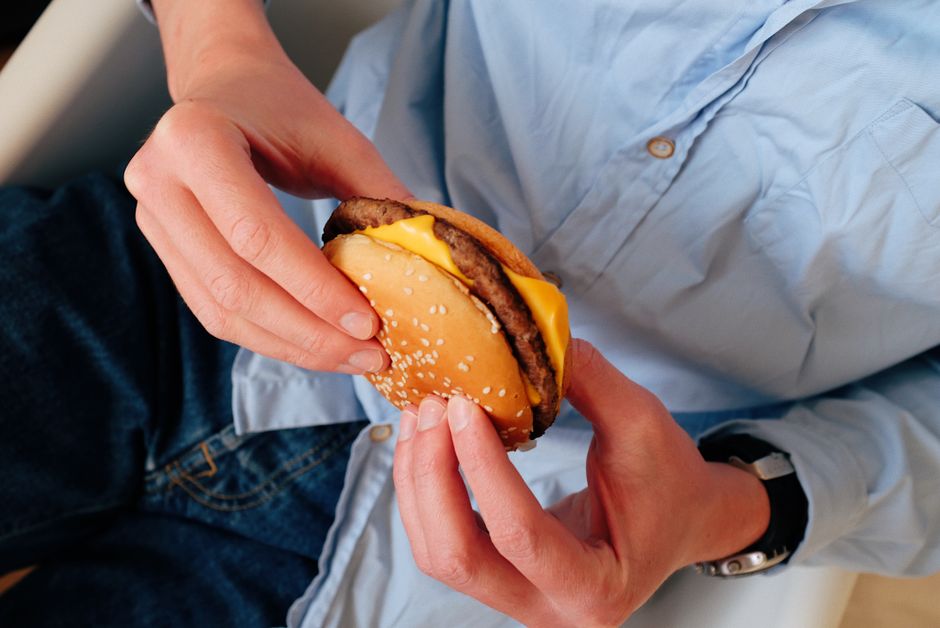
Fiber adds to this effect by slowing gastric emptying and feeding gut bacteria that produce short-chain fatty acids, which also send satiety signals. A plate that is mostly refined carbohydrates (white rice, white bread, crackers) digests quickly, spikes blood sugar, then drops it, leaving you hungry again within 60 to 90 minutes.
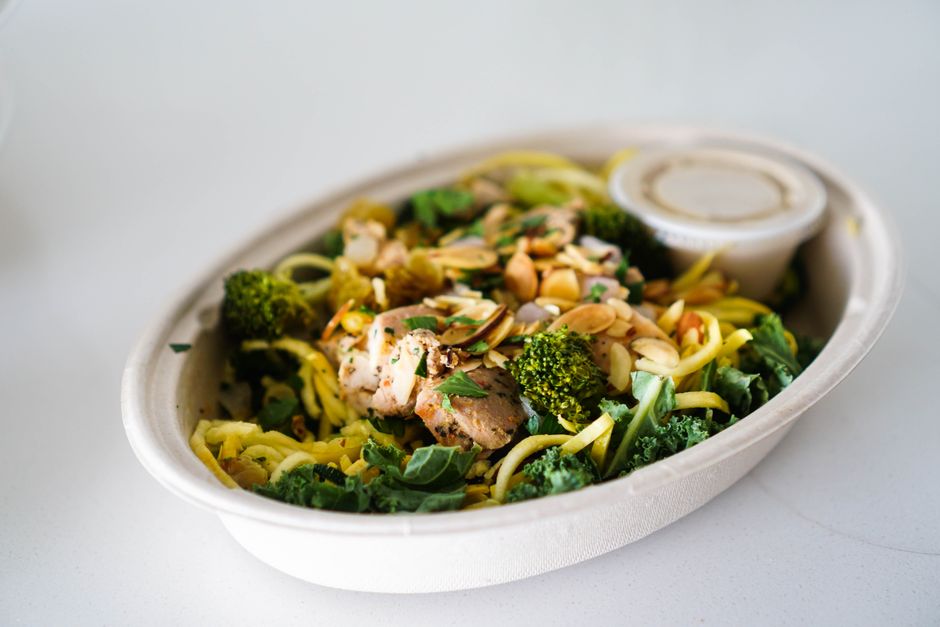
Practical adjustment: Aim to include a protein source at every meal (eggs, chicken, legumes, Greek yogurt, fish) alongside at least one high-fiber vegetable or whole grain. Even a modest change, like swapping white rice for lentils or adding a handful of chickpeas to a salad, can meaningfully extend fullness. For ideas on which pairings work best, see Protein Combinations That Reduce Hunger Signals: Which Pairings Work Best for Satiety.

2. You Ate Too Quickly
Satiety is not instant. The gut-brain communication loop that registers fullness takes roughly 15 to 20 minutes to complete after eating begins, according to research on gastrointestinal signaling from the National Institute of Diabetes and Digestive and Kidney Diseases (NIDDK). When you eat quickly, you often consume far more than you need before that signal arrives, then feel overfull briefly, followed by a sharp dip in blood sugar that triggers early return of hunger.
Rushed eating also impairs digestion. Chewing less means larger food particles hit your stomach and small intestine, disrupting the normal release of digestive enzymes and satiety hormones. For more on how pace affects digestion beyond just fullness, Digestive Discomfort From Rushed Eating: Why Pace Matters More Than Food Choices covers this well.
Practical adjustment: Try setting your fork or spoon down between bites and chewing each mouthful until the food is mostly liquid. Even slowing down by five minutes can give your gut-brain axis more time to register satisfaction before you finish eating. This is one of the core ideas behind Mindful Eating vs. Intuitive Eating: Which Approach Fits Your Life and Your Goals.

3. Stress or Emotional State Is Interfering With Hunger Hormones
Stress does not just make you want to reach for comfort food. It chemically disrupts the hormonal system that regulates satiety. Cortisol, the primary stress hormone, can blunt the normal satiety response after eating and amplify the drive to seek high-calorie foods. Research published in Obesity (Dallman et al., 2003) and follow-up work on the hypothalamic-pituitary-adrenal axis show that chronic stress keeps ghrelin elevated longer than normal, meaning hunger returns faster even after adequate meals.
Anxiety and distraction at mealtime have a related effect. Eating while scrolling, watching TV, or handling work email reduces interoceptive awareness, your ability to notice internal body signals, including fullness cues.
Practical adjustment: You do not need a perfect calm dinner setting, but even one or two mindful meals per week, with your phone in another room and your attention on the food, can help recalibrate how well you register satiety. If stress-driven hunger feels like a recurring pattern, Stress Eating vs. Physical Hunger: How to Respond With Awareness Instead of Judgment offers a compassionate framework for telling the two apart.
4. What You Drank With Your Meal (or Did Not Drink)
Liquid choices around meals affect satiety in two directions. Drinking plain water before or during a meal can modestly increase fullness by adding stomach volume. A clinical trial in Obesity (Davy et al., 2008, Virginia Tech) found that adults who drank about 500 ml of water 30 minutes before a meal consumed fewer calories and reported greater fullness.
On the other hand, sugary drinks, fruit juices, and sweetened coffees add significant calories without triggering the same satiety hormones that solid food does. Liquid calories bypass normal appetite-regulation pathways and can leave you hungry again sooner. Alcohol is similarly problematic: it may blunt leptin production, the hormone that signals long-term energy sufficiency, and lower inhibition around portion sizes.
Practical adjustment: Drink water with your meals rather than caloric beverages. If you prefer flavored drinks, sparkling water or an unsweetened herbal tea can add satisfaction without the blood sugar spike. Keep this habit consistent rather than perfect.
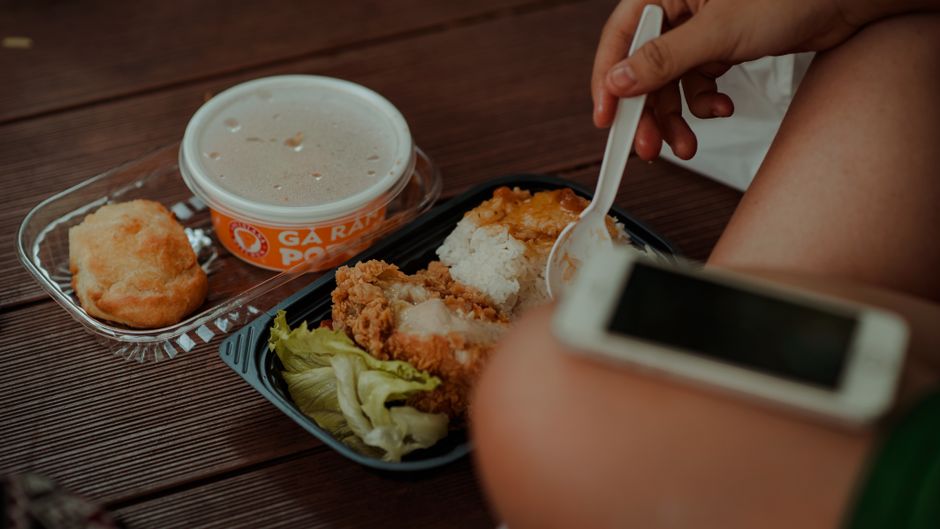
5. You Have a Timing Gap Between Your Last Real Meal and This One
If you skipped breakfast, worked through lunch, or went more than five to six hours without eating, your body ramps up ghrelin production significantly. By the time you finally sit down to eat, hunger hormone levels are high enough that a normal-sized meal may not fully suppress them. You feel satisfied temporarily, but ghrelin rebounds faster than it would after a day of evenly spaced meals.
This pattern also affects blood sugar regulation. Longer gaps between meals can lead to sharper blood sugar drops before eating and a more dramatic post-meal insulin response, which may contribute to the rebound hunger cycle. For a closer look at afternoon hunger specifically, see Afternoon Hunger vs. Blood Sugar Crashes: Why You Crave Snacks at 3pm and How to Stop It.
Practical adjustment: You do not need to eat six tiny meals a day. But spacing meals and snacks no more than four to five hours apart, and not skipping the first meal of the day entirely, can keep hunger hormones more stable. Even a small protein-rich snack between meals may prevent the ghrelin surge that undermines satiety later.

Putting It Together
Understanding why hunger returns too soon is not about willpower or eating less. It is about meal composition, eating pace, your stress state, what you drink, and how your body arrived at the table. Each of these factors influences satiety signals in measurable, physiological ways.
Choose one adjustment from this list to practice consistently this week. You do not need to overhaul everything at once. Start with the change that feels most realistic for your life, whether that is adding protein to breakfast, slowing down at lunch, or drinking a glass of water before dinner. Small, sustainable shifts in your satiety habits often produce more lasting results than strict dietary rules.
For ongoing practical guidance on nutrition, hunger hormones, and balanced eating, consider exploring the Clean Body Mentor newsletter for weekly evidence-informed tips.
This article is for general educational and informational purposes only and is not a substitute for medical advice, diagnosis, or treatment. Health needs vary by individual. Consult a qualified healthcare professional before making significant changes to your diet, exercise routine, supplements, medication, or treatment plan, especially if you have a medical condition, are pregnant or breastfeeding, take medication, or have concerns about your symptoms.
Sources
- Paddon-Jones, D., et al. “Protein and satiety.” Nutrition Reviews, 2008. (Published via National Library of Medicine, PubMed)
- National Institute of Diabetes and Digestive and Kidney Diseases (NIDDK). Information on gut-brain signaling and satiety. niddk.nih.gov
- Dallman, M.F., et al. “Chronic stress and obesity: A new view of comfort food.” Proceedings of the National Academy of Sciences, 2003.
- Davy, B.M., et al. “Water consumption reduces meal energy intake among older adults.” Obesity, 2008. (Virginia Tech research team)