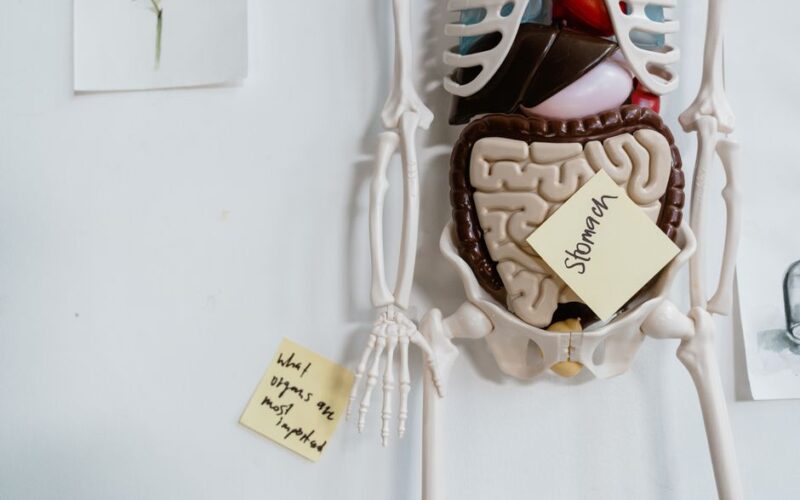


You made it through the morning, ate a reasonable lunch, and still found yourself staring into the break-room vending machine at 3pm. Most people assume the problem is willpower, a slow afternoon, or just how their body works. The real explanation is usually simpler and more actionable: your lunch triggered a blood sugar spike that was followed by a sharp drop, and your brain interpreted that drop as an emergency.
Understanding afternoon hunger and blood sugar patterns gives you a clear, practical path out. This is not about eating less or following a restrictive plan. It is about choosing the right meal combinations so your energy curve stays steady instead of crashing.

What Is Actually Happening at 3pm
Blood sugar (blood glucose) rises after every meal as your digestive system breaks down carbohydrates into glucose. Your pancreas releases insulin to move that glucose into cells for energy. When a meal is high in rapidly digested carbohydrates and low in protein, fat, or fiber, the glucose floods your bloodstream quickly. Insulin surges in response, clears the glucose fast, and your blood sugar drops below baseline. That drop signals hunger hormones, especially ghrelin, to rise and tells your brain to find quick fuel.
Research published in the journal Cell Metabolism (2021) found that blood sugar dips below fasting levels after meals, sometimes called post-meal dips, were a stronger predictor of hunger and snack intake than the initial glucose peak itself. In simple terms, it is the crash that makes you hungry, not just the meal size.
This cycle is especially common mid-afternoon because cortisol, a hormone that helps keep blood sugar stable in the morning, naturally dips between roughly 2pm and 4pm. Lower cortisol support during that window means your body is less equipped to buffer a glucose drop triggered by a poorly composed lunch hours earlier.

The Lunch That Crashes vs. the Lunch That Carries You
Comparing two real lunch patterns shows the difference clearly.
The Crash-Prone Lunch
- A large white-bread sandwich with deli meat (mostly refined carbs, low fiber, modest protein)
- A bag of pretzels or chips on the side
- A sweetened drink or juice
- Little to no fat or vegetable content
This meal is digested quickly. Blood sugar spikes within 30 to 60 minutes, insulin responds aggressively, and the drop arrives around 2 to 3 hours later. By 3pm you are hungry again, low on focus, and drawn to something sweet or salty.
The Steady-Energy Lunch
- A whole-grain or grain-free base (brown rice, quinoa, legume wraps, or leafy greens)
- A solid protein source: grilled chicken, canned salmon, hard-boiled eggs, lentils, or edamame
- Healthy fat: avocado, olive oil, a small handful of nuts, or full-fat cheese
- Fiber-rich vegetables or legumes that slow glucose absorption
This combination digests more gradually. Protein stimulates glucagon and satiety hormones. Fat and fiber slow gastric emptying, which smooths the glucose curve and keeps blood sugar stable well into the afternoon. Eating for Sustained Energy Without the Afternoon Crash: Macro Combinations That Actually Work covers how to balance these macros in practical terms.

The Order You Eat Matters Too
Beyond what you eat, the sequence in which you eat it can shift your glucose response meaningfully. Studies published in Diabetes Care suggest that eating vegetables and protein before starchy carbohydrates reduces post-meal glucose peaks compared to eating the carbohydrates first. Starting with a salad or some protein before the bread or rice gives your digestive system a buffer.
If you want to go deeper on this, Protein Sequencing: Why the Order You Eat Carbs and Protein Matters for Blood Sugar and Hunger walks through the practical mechanics of meal sequencing for glucose stability.
When a Snack Is Actually the Right Move
Not every afternoon hunger signal means your lunch failed. If you ate lunch at noon and it is now 4pm, some hunger is physiologically normal. The goal is not to eliminate all snacking but to respond with a snack that bridges you to dinner without restarting the spike-and-crash cycle.
Snacks that help maintain afternoon blood sugar stability tend to share a few traits:
- They contain protein (at least 7 to 10 grams)
- They include fiber, fat, or both
- They are low in added sugars and refined starch
Practical examples: Greek yogurt with a small handful of berries, an apple with almond butter, a small portion of hummus with sliced vegetables, or a hard-boiled egg with a few whole-grain crackers. Protein and Satiety in Snacks: Why Some High-Protein Choices Keep You Fuller Longer offers more options and explains why protein-fat combinations outperform high-carb snacks for sustained satiety.
For guidance on when to schedule that snack within your day, Snack Timing for Sustained Energy: When to Eat Between Meals Without Afternoon Crashes provides a helpful framework.

Other Factors That Amplify the 3pm Crash
Lunch composition is the most direct lever, but a few other habits either worsen or buffer the afternoon blood sugar drop:
- Sleep: Poor sleep raises ghrelin (the hunger hormone) and lowers leptin (the fullness hormone), making afternoon cravings more intense even when your lunch was solid.
- Hydration: Mild dehydration is often misread as hunger. Drinking water consistently through the morning can reduce false hunger signals in the afternoon.
- Caffeine timing: A morning coffee habit that ends by mid-morning leaves some people more vulnerable to the afternoon energy dip. However, relying on a second coffee to mask a blood sugar crash is a short-term fix that may push back the crash rather than prevent it.
- Stress: Elevated cortisol from a high-stress morning can amplify the natural cortisol dip in early afternoon, deepening the energy trough.
If you suspect emotional or stress-related hunger is also part of your 3pm pattern, Stress Eating vs. Physical Hunger: How to Respond With Awareness Instead of Judgment offers compassionate, practical guidance for telling the difference.

Building a Lunch That Works for You
You do not need a perfect formula. A useful starting point is aiming for a lunch that includes:
- At least 25 to 35 grams of protein
- Two or more servings of fiber-rich vegetables or legumes
- One source of healthy fat
- A moderate, slower-digesting carbohydrate portion if you want it
That combination, paired with consistent hydration and reasonable stress management, gives most people a notably steadier afternoon without giving up satisfaction or variety at lunch.
Start with one change: swap your usual lunch carbohydrate for a fiber-richer version this week, or add a palm-sized portion of protein you do not currently include. Consistent small shifts produce more lasting improvement than overhauling everything at once.
For broader support on building meals that balance your energy throughout the day, the Energy Crashes and Blood Sugar Stability: Which Meals and Snacks Keep You Level All Day guide is a practical next read.
This article is for general educational and informational purposes only and is not a substitute for medical advice, diagnosis, or treatment. Health needs vary by individual. Consult a qualified healthcare professional before making significant changes to your diet, exercise routine, supplements, medication, or treatment plan, especially if you have a medical condition, are pregnant or breastfeeding, take medication, or have concerns about your symptoms.
Sources
- Continuous glucose monitoring and post-meal dips: Berry et al., Cell Metabolism, 2021 (published by Cell Press; refer to the journal directly for the full citation)
- Meal order and glucose response: Shukla et al., Diabetes Care, 2015 and 2017 (American Diabetes Association)
- Ghrelin, leptin, and sleep deprivation: Spiegel et al., Sleep, 2004 (referenced via NIH PubMed)
- Cortisol diurnal rhythm: National Institute of General Medical Sciences (NIGMS), circadian rhythms overview