
You buy a bag of spinach, use a handful, and throw the rest away four days later. Sound familiar? Food waste often starts not with bad intentions but with produce that was never at its peak to begin with. Eating seasonally changes that equation in a quiet, practical way: seasonal food arrives fresher, lasts longer in your kitchen, and contains nutrients that are more intact at harvest.
Seasonal eating is not a lifestyle trend or a limitation. It is a straightforward strategy that can support your immune system, reduce household waste, and make grocery shopping feel less like a guessing game. This guide focuses on winter and early spring, two seasons when smart produce choices matter most for your energy, immunity, and budget.
If you want to see the bigger picture of how seasonal choices support health year-round, Building a Seasonal Eating Plan That Supports Your Immune System and Energy Year-Round is a helpful companion read.
Why Seasonal Eating Reduces Food Waste
Out-of-season produce travels farther and spends more time in cold storage before reaching your cart. Research published in journals covering post-harvest food science consistently shows that extended storage reduces water-soluble vitamins like vitamin C and folate. More practically, produce that has already traveled for days is closer to spoiling when you bring it home.
Seasonal produce, by contrast, is typically harvested closer to its peak ripeness and sold regionally, which means it reaches your kitchen with more time before it turns. You waste less because it lasts longer. You also tend to spend less because supply is higher during peak season.
Combining seasonal shopping with a low-waste grocery system compounds those benefits. Grocery Shopping for Balanced Nutrition Without Waste: A Practical System for Busy Families covers how to organize your shopping around what you will actually use.
8 Seasonal Picks for Winter and Early Spring (Plus How to Use Them)
1. Citrus Fruits (Winter Peak)
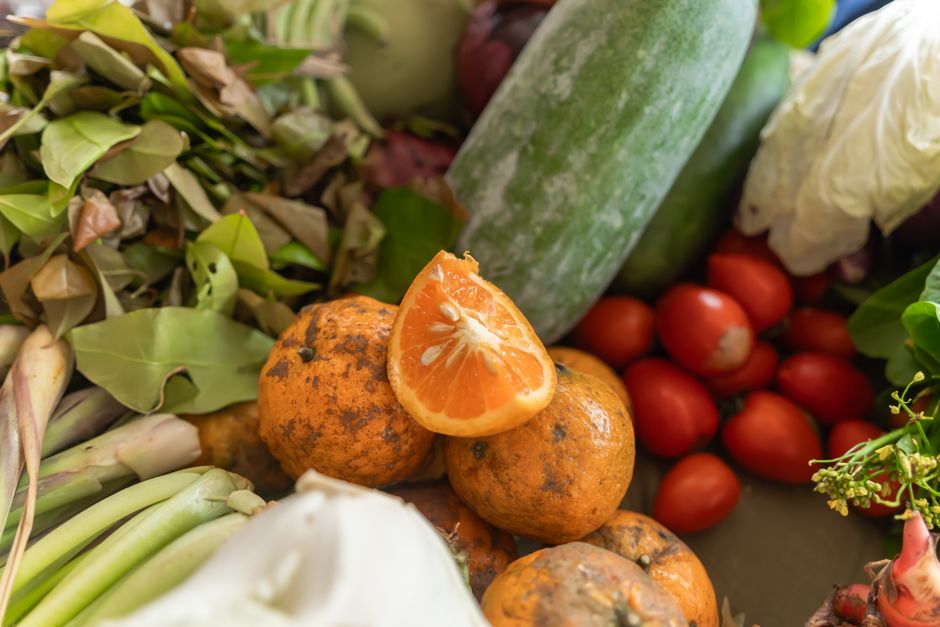
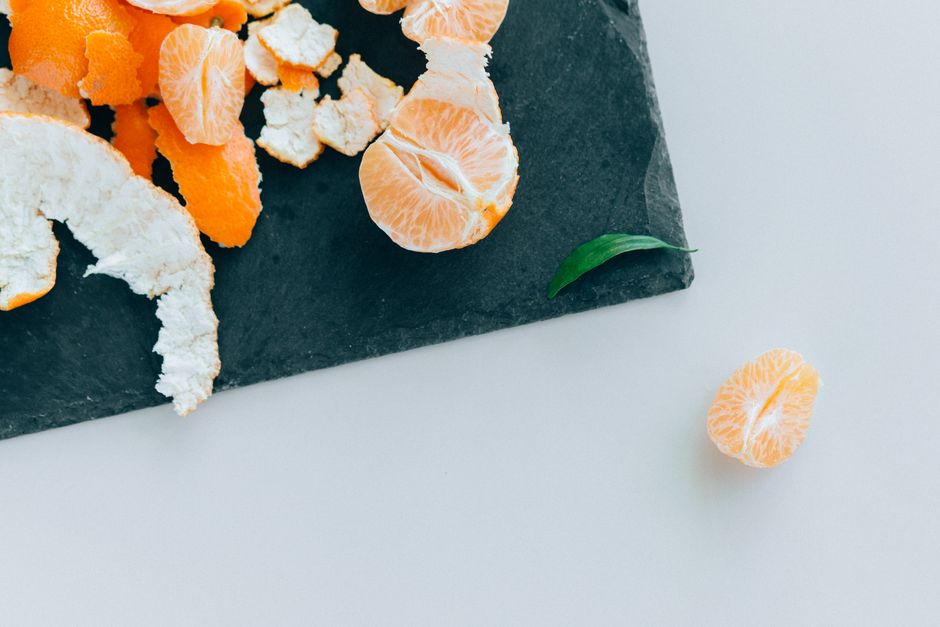
Navel oranges, blood oranges, grapefruits, and clementines are at their best from late fall through early spring. They are high in vitamin C, which research suggests may support normal immune function (National Institutes of Health, Office of Dietary Supplements). Store them at room temperature for up to a week or in the refrigerator for up to three weeks. Use them in smoothies, salads, or squeeze them over roasted root vegetables for brightness.
2. Dark Leafy Greens: Kale, Chard, and Collards
Cold weather actually makes kale sweeter by converting starches to sugars. These greens are nutrient-dense sources of vitamins K, C, and folate. They hold up better than tender lettuces in cooked dishes, soups, and grain bowls, which means less wilting and less waste. Blanch and freeze any surplus before it turns.
3. Root Vegetables: Carrots, Parsnips, and Turnips
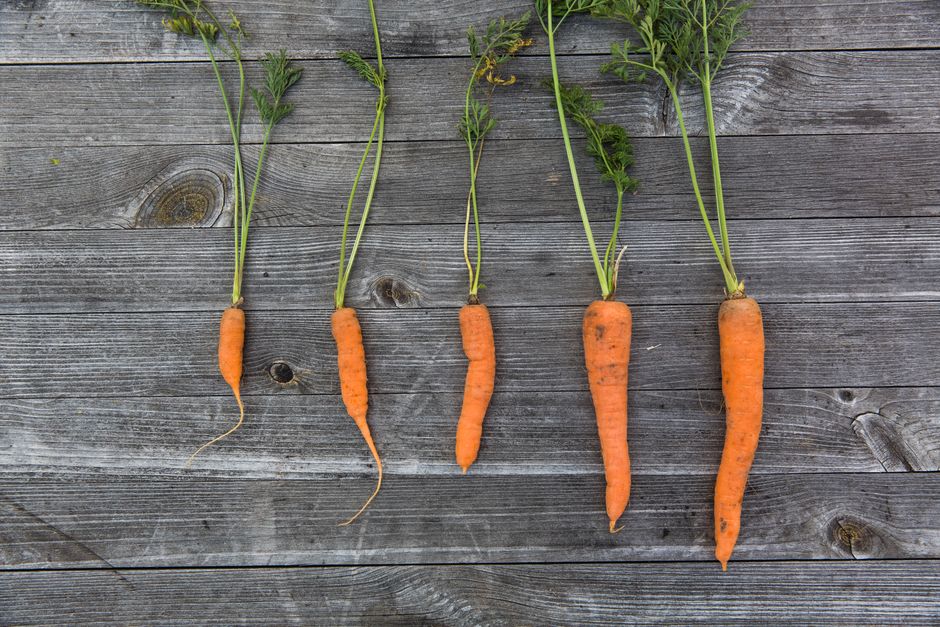
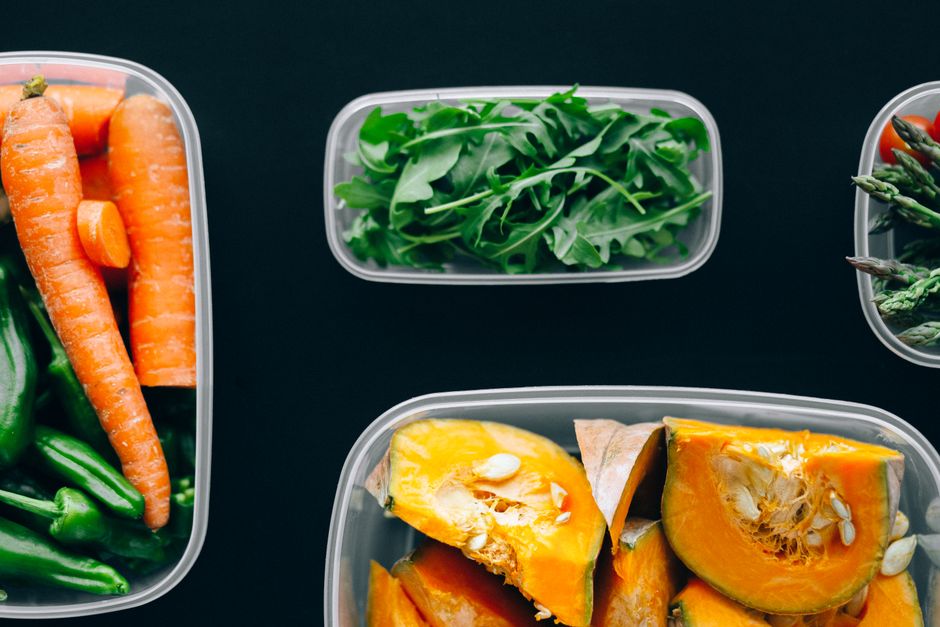
Root vegetables are the stars of seasonal eating in winter precisely because they store well, both in the ground and in your refrigerator crisper drawer. Carrots kept in a sealed bag can last four to five weeks. Roast a full tray on Sunday and pull from it across the week. This approach makes meal prep genuinely low-effort. Meal Prep for Beginners: A Step-by-Step System That Actually Fits Your Schedule can help you build that habit.
4. Winter Squash: Butternut, Acorn, and Kabocha
Winter squash harvested in fall keeps its nutritional quality for months when stored in a cool, dry spot. It is a good source of beta-carotene, which your body converts to vitamin A, a nutrient involved in immune and skin barrier function (NIH Office of Dietary Supplements). One squash can anchor multiple meals: roast it, puree it into soup, or mash it as a side.
5. Brassicas: Broccoli, Cauliflower, and Brussels Sprouts
These cool-weather vegetables are available through early spring and are among the most studied food groups for their potential role in supporting antioxidant activity. They also happen to be versatile: roast, steam, shred raw into slaws, or blend cauliflower into soups. Buy a whole head of cauliflower rather than pre-cut florets, which spoil faster and cost more per ounce.
6. Leeks and Onions
Often overlooked, alliums like leeks and onions are a quiet seasonal workhorse. They are storage-friendly, inexpensive, and add depth to almost any savory dish. They contain quercetin, a plant compound with antioxidant properties that has been studied for its potential role in immune support (Frontiers in Immunology, 2016). Use leek tops in homemade broth instead of discarding them.
7. Apples and Pears (Stored Winter Varieties)
Local apples and pears harvested in fall are sold through winter in many regions. They are fiber-rich, portable, and pair well with nut butter for a balanced snack that provides both fiber and protein. Check your local farmers market for heritage varieties that grocery chains rarely stock.
8. Early Spring Greens: Spinach, Arugula, and Asparagus
As winter turns, spinach, arugula, and asparagus return to peak freshness. Asparagus is a natural source of folate and vitamin K. Spinach and arugula wilt quickly, so buy smaller amounts more frequently rather than one large bag. Use spinach in smoothies the day you buy it if freshness is short. For tips on building balanced smoothies that actually keep you satisfied, see Smoothie Mistakes That Sabotage Your Energy and Satiety: A Guide to Building Balanced Recipes.
A Few Practical Rules to Waste Less
- Shop with a plan. Match produce to specific meals before you buy. Vague intentions lead to spoilage.
- Buy whole, not pre-cut. Whole vegetables last longer and cost less.
- Store intentionally. Root vegetables go in a cool drawer. Citrus does fine on the counter for a week. Greens need a slightly damp paper towel in a sealed container.
- Cook in batches. Roasting a sheet pan of mixed winter vegetables takes 30 minutes and feeds you for several days.
- Freeze before it turns. Blanched kale, cooked squash, and sliced bananas can all be frozen. Freezing is not waste, it is planning.
What Seasonal Eating Actually Does for Your Immune System
There is no single food or season that guarantees strong immunity. What seasonal eating does is make it more realistic to eat a varied, nutrient-dense diet without relying on out-of-season imports that have been in cold storage for weeks. The vitamins C, A, K, and folate found in winter and spring produce are involved in immune cell function, skin barrier maintenance, and inflammation response, as outlined in research from the NIH and reviewed in clinical nutrition literature.
Winter is also a season when many people in northern climates have lower vitamin D levels. That is a separate but related consideration covered in detail in Vitamin D and Winter Energy: What Research Shows About Sunlight, Supplements, and Seasonal Fatigue.
The connection between seasonal eating, food waste reduction, and immune support is less about magic and more about consistency. Buying food that lasts means you actually eat it. Eating a wider variety of vegetables means your body gets a broader range of nutrients. That is the whole strategy.
One Small Step Worth Taking This Week
Choose one vegetable from this list that you have never cooked before or rarely use. Buy it this week, look up one simple preparation, and use the whole thing. That single habit, repeated across a few seasons, is how seasonal eating becomes a sustainable part of how you shop and eat rather than an occasional good intention.
For a broader approach to immune-supportive eating across all seasons, Seasonal Eating for Immune Support and Energy: What to Buy and Cook as the Seasons Change is worth bookmarking.
This article is for general educational and informational purposes only and is not a substitute for medical advice, diagnosis, or treatment. Health needs vary by individual. Consult a qualified healthcare professional before making significant changes to your diet, exercise routine, supplements, medication, or treatment plan, especially if you have a medical condition, are pregnant or breastfeeding, take medication, or have concerns about your symptoms.
Sources
- National Institutes of Health, Office of Dietary Supplements. Vitamin C Fact Sheet for Health Professionals. ods.od.nih.gov
- National Institutes of Health, Office of Dietary Supplements. Vitamin A Fact Sheet for Health Professionals. ods.od.nih.gov
- Mlcek, J., et al. (2016). Quercetin and Its Anti-Allergic Immune Response. Molecules; also reviewed in Frontiers in Immunology.
- USDA FoodData Central for seasonal nutrient data comparisons. fdc.nal.usda.gov
- Post-harvest food science literature on storage-related vitamin loss, summarized by the University of California Cooperative Extension (Produce Facts series).