


Most families do not struggle with wanting to eat well. The struggle is the gap between good intentions on Sunday and a wilted bag of spinach by Thursday. Grocery shopping for healthy eating on a budget is genuinely possible, but it takes a small system rather than willpower alone.
This guide walks you through a repeatable three-step process: plan your week around meals your family will actually eat, build a flexible shopping list organized by food category, and choose nutrient-dense staples that stretch across multiple dishes. You do not need a strict meal plan or an hour of prep. You need a framework that keeps working even on your busiest weeks.
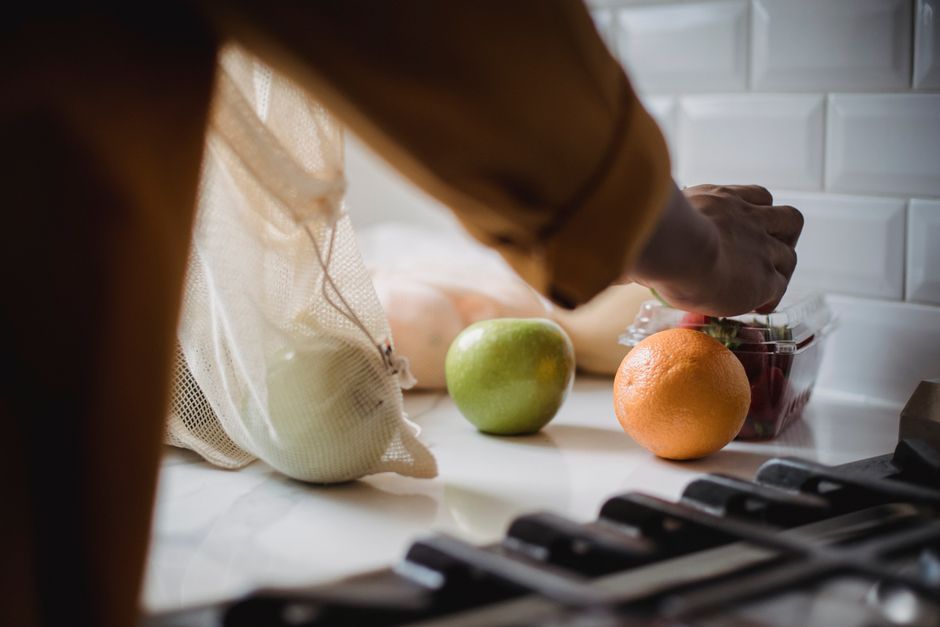
Step 1: Plan Around Real Meals, Not Ideal Ones
Before you write a single item on your grocery list, spend about ten minutes answering three questions:
- How many dinners will you realistically cook this week?
- Which nights are too busy for anything beyond a 20-minute meal?
- What proteins, grains, or vegetables did your family enjoy last week?
This honest audit is the single biggest driver of reduced food waste. According to the USDA Economic Research Service, American households waste an estimated 30 to 40 percent of the food supply, and much of that loss happens at home because food was bought with ambition but not a plan.
Aim for four to five home dinners per week rather than seven, and build in one “use what is left” night where you combine whatever is in the fridge. That one habit alone can significantly reduce both waste and spending.
Once you have a realistic dinner count, sketch a loose menu. Think in terms of ingredient overlap rather than isolated recipes. If you buy a rotisserie chicken, plan for chicken tacos one night, a quick chicken and vegetable soup another, and chicken over greens for lunch. One protein, three meals, minimal waste.
For breakfast inspiration that also supports satiety, the guide on Building a High-Protein Breakfast That Actually Keeps You Full Until Lunch offers practical ideas that travel well into busy mornings.

Step 2: Build a Flexible, Category-Based Shopping List
Once your meals are roughly sketched, build your list by food category rather than by recipe. This approach prevents over-buying and makes it easier to substitute when something is out of stock or overpriced.
Here is a simple category structure that works for most families:
Produce (prioritize versatile options)
- Two or three leafy greens that work raw and cooked (spinach, kale, romaine)
- Root vegetables or squash that last longer in storage (carrots, sweet potatoes)
- One or two quick-cook vegetables your family already likes (broccoli, green beans, zucchini)
- Fruit for snacking or breakfast (bananas, apples, frozen berries)
Protein
- One or two affordable whole-food proteins (eggs, canned beans, lentils, bone-in chicken thighs)
- One optional convenience protein for busy nights (canned tuna, frozen shrimp, tofu)
Whole grains and legumes
- Brown rice, rolled oats, whole grain pasta, or barley, depending on what your family prefers
- Canned or dried lentils and chickpeas, which are among the most affordable nutrient-dense foods you can buy
Pantry anchors
- Olive oil, canned tomatoes, low-sodium broth, soy sauce or tamari, and dried herbs
- These items rarely go to waste and transform simple produce and protein into complete meals
Dairy or dairy alternatives
- Eggs, plain Greek yogurt, a hard cheese, and milk or a fortified plant-based alternative
Research suggests that diets emphasizing whole grains, legumes, vegetables, and lean proteins align closely with the USDA Dietary Guidelines for Americans and tend to support better energy, body composition, and long-term health outcomes. You are not shopping for a trend. You are building a pattern.
If you want to go deeper on meal prep so this list actually translates into cooked food during the week, the Meal Prep for Two Weeks Without Burnout guide covers batch cooking systems that save real time without requiring an entire Sunday in the kitchen.
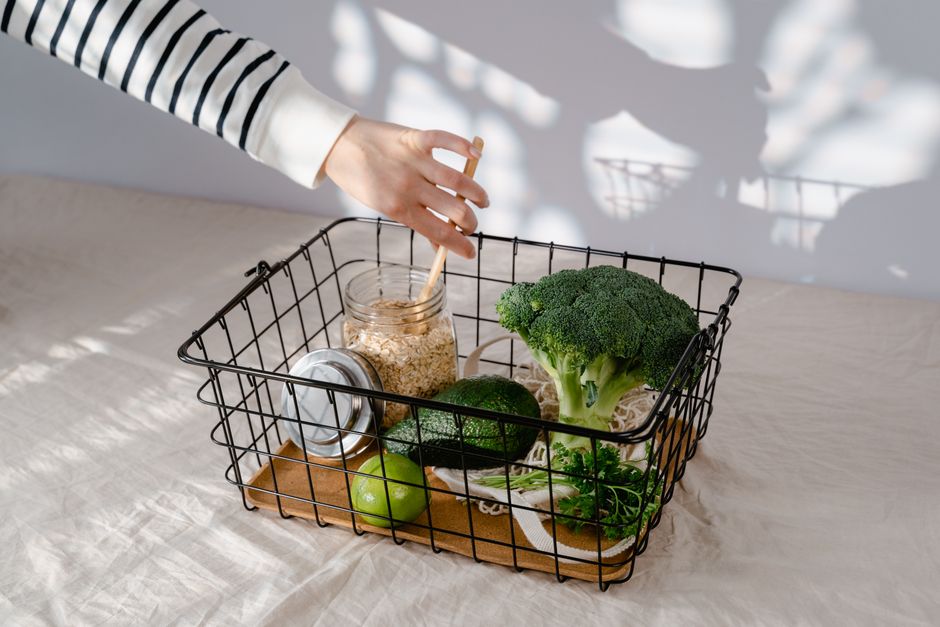
Step 3: Choose Staples That Cross Multiple Meals
The most budget-friendly and waste-reducing strategy in grocery shopping for healthy eating on a budget is buying ingredients with high meal-crossing potential. Ask yourself: can this item appear in at least two different meals this week?
Some of the highest-value staples for busy families include:
- Eggs: scrambled for breakfast, hard-boiled for snacks, added to fried rice for a fast dinner
- Canned beans: tossed into soups, mashed into wraps, stirred into pasta
- Frozen vegetables: just as nutrient-dense as fresh for most cooking purposes (the USDA notes that freezing preserves most vitamins), and they never go bad mid-week
- Oats: breakfast porridge, overnight oats, added to smoothies or baked goods
- Plain Greek yogurt: breakfast base, smoothie ingredient, sauce thickener, or dip when mixed with herbs
Frozen fruit also deserves a mention here. If your family enjoys smoothies, buying frozen berries rather than fresh dramatically cuts cost and waste. If you want to make sure those smoothies are actually keeping everyone full and energized, the article on Smoothie Mistakes That Sabotage Your Energy and Satiety is worth a read before your next shop.
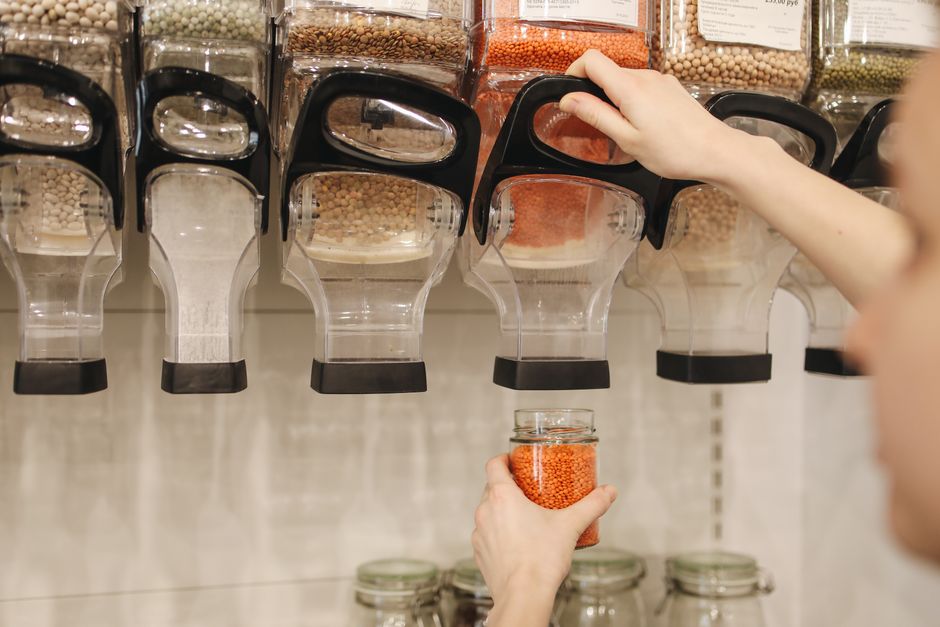
Reducing Waste at the Store and at Home
Even the best list leads to waste without a few practical habits:
- Shop the sales, but only for what you will use. A discount on an item you would not normally eat is not a saving.
- Buy produce at different ripeness levels. Grab some ripe bananas for this week and some firmer ones for later. Same logic applies to avocados.
- Store strategically. Most fresh herbs stay fresh longer when trimmed and placed in a glass of water in the fridge. Leafy greens last longer stored with a dry paper towel to absorb moisture.
- Freeze before it spoils. Bread, cooked grains, beans, and most cooked proteins freeze well. Make that a habit rather than a last resort.
For families managing both health goals and budget, the Family Meal Planning on a Budget guide provides a complementary approach to building weekly menus that accommodate different tastes without multiple separate meals.

Putting It Together: Your Weekly Grocery Rhythm
A sustainable grocery system for a busy family does not need to be elaborate. It needs to be repeatable. Each week, take ten minutes to:
- Review what is left in your fridge, freezer, and pantry
- Sketch three to five dinners using at least some of what you already have
- Build a category-based list for what you actually need
- Stick to the list at the store, with one or two flexible swaps allowed based on sales or what looks fresh
Over time, this rhythm becomes automatic. You will start to notice your grocery bill stabilizing, your food waste shrinking, and your family eating more consistently balanced meals without the stress of starting from scratch each week.
Choose one part of this system to try this week: maybe it is the ten-minute meal sketch, or maybe it is organizing your list by category for the first time. Small, consistent changes build the habits that actually last.
For more practical guidance on nutrition, meals, and whole-person wellness, consider signing up for the Clean Body Mentor newsletter, where we share realistic strategies every week.
This article is for general educational and informational purposes only and is not a substitute for medical advice, diagnosis, or treatment. Health needs vary by individual. Consult a qualified healthcare professional before making significant changes to your diet, exercise routine, supplements, medication, or treatment plan, especially if you have a medical condition, are pregnant or breastfeeding, take medication, or have concerns about your symptoms.
Sources
- USDA Economic Research Service. “Food Loss and Waste.” ERS.USDA.gov.
- USDA Dietary Guidelines for Americans, 2020-2025. DietaryGuidelines.gov.
- USDA Agricultural Research Service. “Freezing and Food Safety.” FoodSafety.gov.