
You open the fridge at 6:30 p.m., tired and hungry, and find a collection of random ingredients that don’t add up to anything resembling dinner. Sound familiar? That moment is exactly what meal prep for beginners is designed to prevent, and the good news is you don’t need an entire Sunday afternoon or a collection of matching glass containers to make it work.
This guide gives you a practical, flexible system you can start this week, whether you have 30 minutes or two hours to spare.
Start With One Goal, Not a Full Menu Overhaul
The most common mistake beginners make is trying to prep every single meal at once. That approach leads to burnout fast. A more sustainable start is to pick the one meal that costs you the most stress during the week.
For most people that’s lunch, because it either gets skipped, bought on impulse, or thrown together badly. Start by prepping three to four lunches. Once that feels comfortable, layer in breakfasts or dinners.
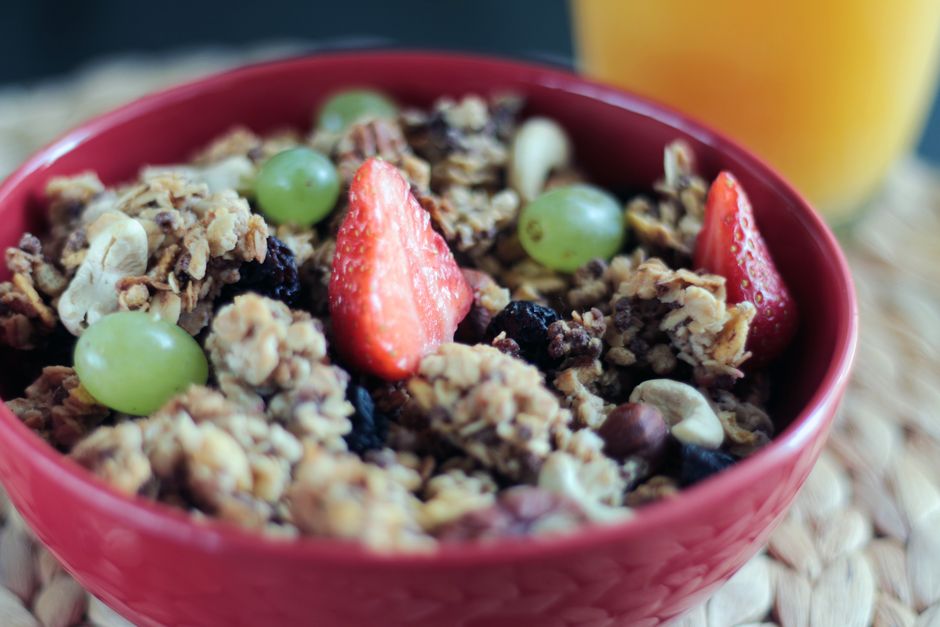
If high-protein breakfasts are a goal, pairing a simple morning prep with a prepped lunch works well. A high-protein breakfast that keeps you full until lunch can often be assembled in under five minutes when the components are already ready to go.
Choose Recipes That Share Ingredients
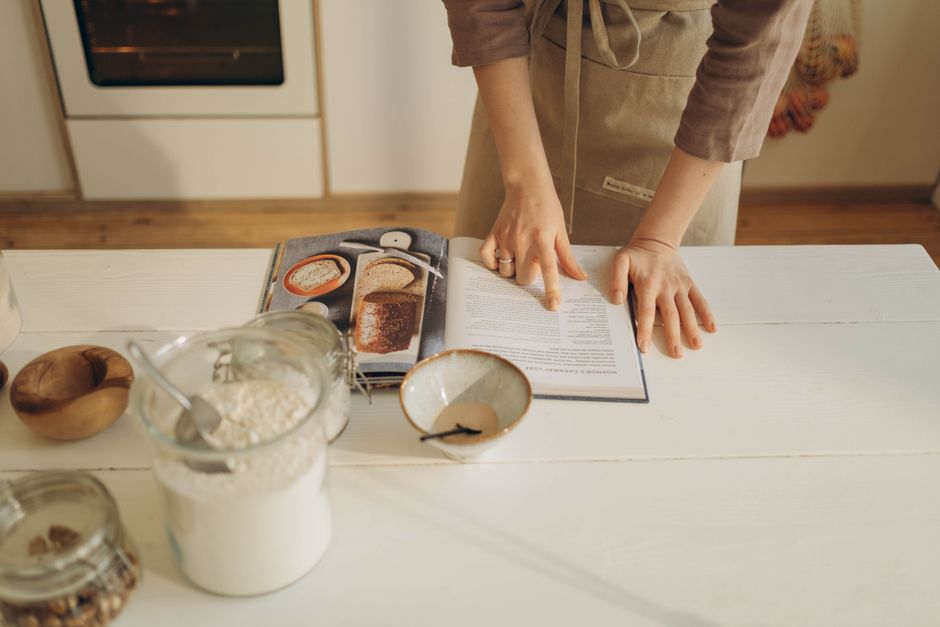
One of the fastest ways to simplify meal prep is to pick two or three recipes that use overlapping ingredients. This reduces waste, shortens your shopping list, and cuts your actual prep time significantly.
A practical example:
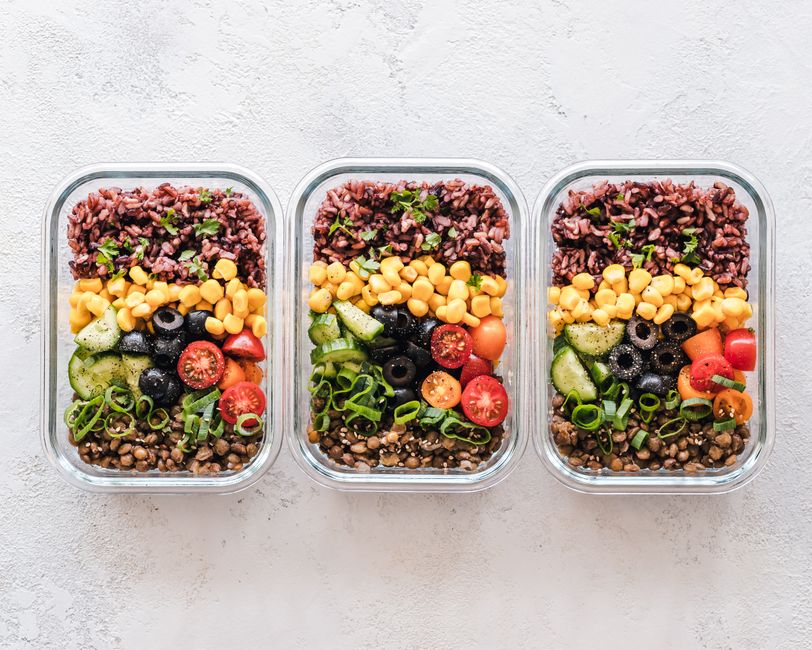
- Grain base: Cook a large pot of brown rice or quinoa. It works in grain bowls, stir-fries, and as a side.
- Protein: Bake a sheet pan of chicken thighs or roast a batch of chickpeas. Both are flexible and reheat well.
- Vegetables: Roast a mix of broccoli, bell peppers, and zucchini. These pair with nearly anything.
You now have the building blocks for four or five different meals without cooking four or five different recipes. This method, sometimes called component-based or modular prep, keeps things interesting because you can mix and match rather than eating the exact same dish every day.
If you’re also building a smoothie habit, a sustainable smoothie practice follows the same component logic: pre-portion your fruits and greens into freezer bags ahead of time so blending takes about 90 seconds.
Build a Simple Weekly Prep Routine
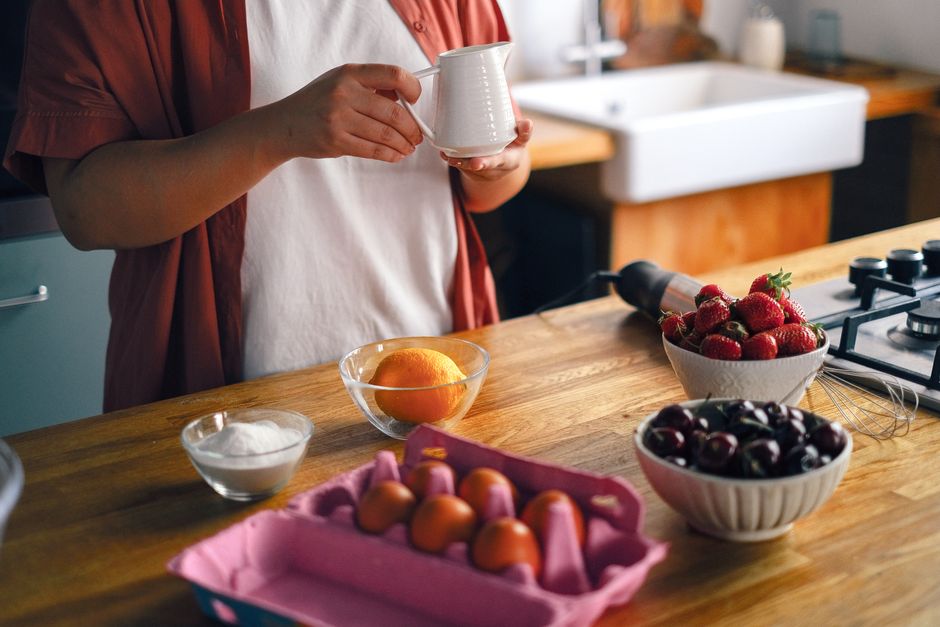
You don’t need a marathon cook session. A realistic beginner routine takes roughly 45 to 75 minutes once per week. Here’s how to structure it:
Step 1: Plan before you shop (10-15 minutes)
Look at your week. Identify which evenings are busy and which have a bit more room. Plan simpler meals for hectic nights. Write a specific grocery list based on your recipes, not a vague “healthy stuff” list.
Step 2: Prep the slowest-cooking items first (20-30 minutes)
Get grains and roasted vegetables into the oven or on the stove before doing anything else. While they cook, you can wash, chop, and portion other items.
Step 3: Batch cook proteins (15-20 minutes active, mostly hands-off)
A sheet pan of proteins requires maybe five minutes of hands-on prep. Let the oven do the rest while you handle other tasks.
Step 4: Portion and store (10-15 minutes)
Divide everything into containers. Label them with the date. Done.
If your schedule shifts mid-week, that’s fine. Prepped components store well in the refrigerator for three to five days, according to the USDA’s food safety guidelines. Cooked grains and proteins can often be frozen for up to three months if you anticipate not using them in time.
Food Safety Basics That Actually Matter
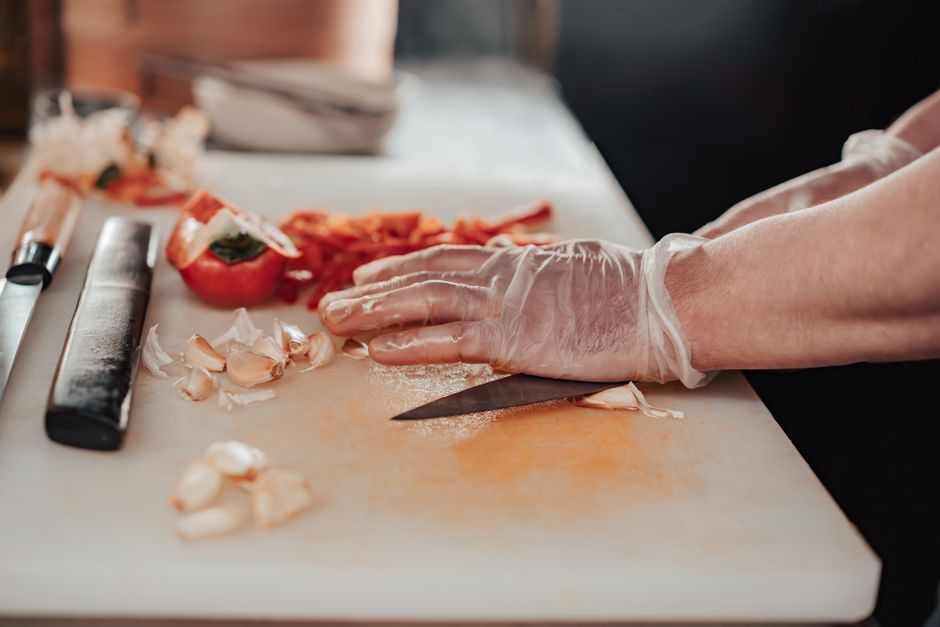
Meal prep and food safety go hand in hand. A few non-negotiable habits:
- Cool food before sealing: Hot food placed directly into airtight containers can trap steam and raise the internal temperature, creating conditions where bacteria can grow faster. Let cooked food cool for 20 to 30 minutes first.
- Use the 2-hour rule: Cooked food left at room temperature for more than two hours should be refrigerated or discarded. The USDA’s FoodKeeper App is a free, reliable reference for storage times across hundreds of foods.
- Label everything: Writing dates on your containers takes 10 seconds and prevents you from guessing what’s still good.
For a deeper look at how to extend your prep across a longer planning window without burning out, meal prep for two weeks with batch cooking systems offers a useful progression once you’re comfortable with the basics.
Adapting Prep to Unpredictable Schedules
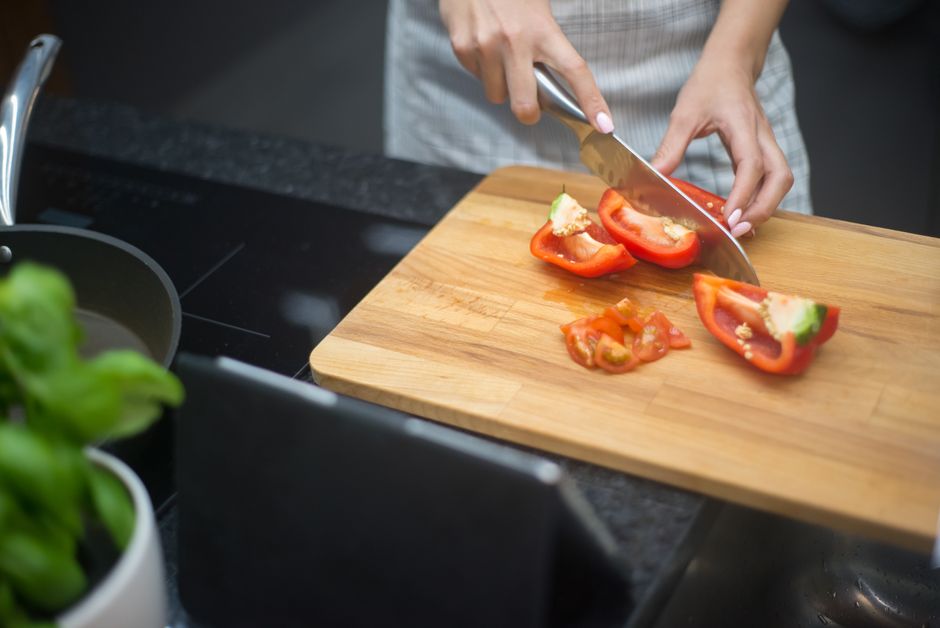
Life doesn’t always cooperate with a tidy Sunday prep session. A few strategies help when your schedule is unpredictable:
- Mini preps work. Even 20 minutes on a Tuesday evening to boil eggs, chop vegetables, or cook a grain is meaningful prep. Meal prep doesn’t have to happen all at once.
- Use a flexible container system. Stackable containers in one or two sizes mean you can rearrange portions without a puzzle. You don’t need a matching set to start.
- Keep a short backup list. Identify two or three meals you can make in 15 minutes with pantry staples. Canned beans, frozen vegetables, eggs, and whole grain bread cover a lot of ground when the plan falls apart.
For families managing different tastes and varying nights at home, family meal planning on a budget offers a framework that scales across multiple eaters without requiring separate meals for everyone.
What to Expect in the First Few Weeks
Your first prep session will likely feel slightly awkward and take longer than expected. That’s normal. Most people find their rhythm within two to three weeks, after which prep becomes faster and more intuitive because you’re working with familiar recipes and a tested system.
Keep expectations realistic. A beginner prep goal isn’t perfection, it’s having something ready that’s better than last-minute decisions. Even having prepped lunches for three out of five weekdays represents a meaningful improvement in both time and nutrition.
For many beginners, meal prep also reduces the late-day stress that often leads to stress eating or reactive food choices. When food is already planned and ready, there are fewer decisions to make under pressure.
One Action to Start This Week
Choose one meal that causes you the most friction during the week. Plan two or three simple recipes that share at least one ingredient. Set aside 45 minutes this weekend to prep just that meal.
That’s a complete starting point. You can always expand from there. Browse related guides at Clean Body Mentor for specific recipe ideas, smoothie prep strategies, and beginner movement routines, or subscribe to the weekly newsletter for practical, actionable wellness guidance delivered to your inbox.
This article is for general educational and informational purposes only and is not a substitute for medical advice, diagnosis, or treatment. Health needs vary by individual. Consult a qualified healthcare professional before making significant changes to your diet, exercise routine, supplements, medication, or treatment plan, especially if you have a medical condition, are pregnant or breastfeeding, take medication, or have concerns about your symptoms.
Sources
- USDA Food Safety and Inspection Service. Food safety basics and refrigerator/freezer storage charts. fsis.usda.gov
- USDA FoodKeeper App. Food storage guidance tool. Available via usda.gov and app stores.