

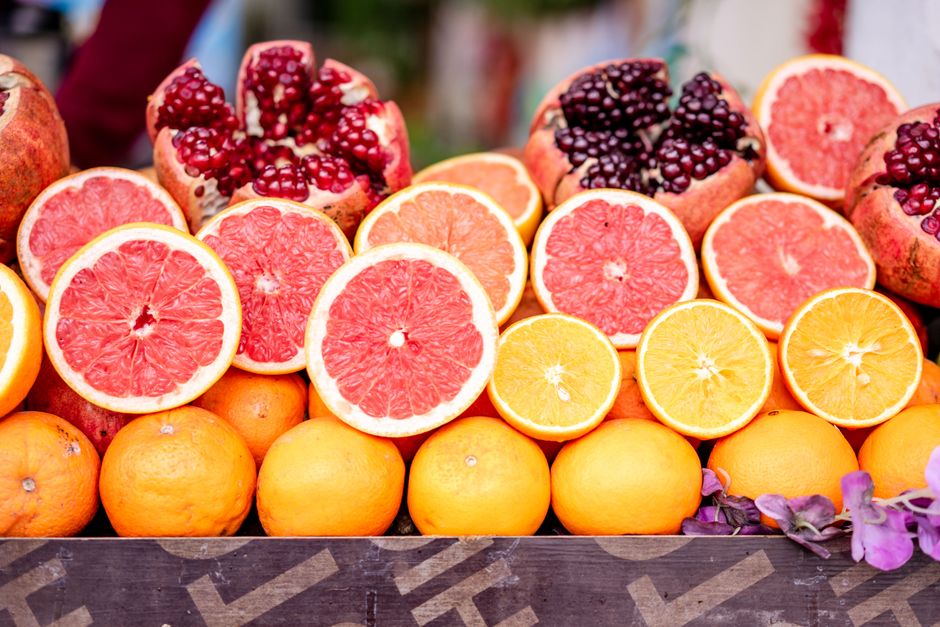
You probably notice it without realizing it: your appetite shifts when the weather changes. You crave lighter, cooler foods in July and reach for warming soups and roasted roots in November. That pull is not just habit. Research suggests that aligning your meals with seasonal produce can support both immune function and steady energy, because the nutrients in fresh, in-season foods tend to be more concentrated and bioavailable than those in produce that traveled thousands of miles out of season.
This guide walks you through how to build a seasonal eating plan for immune health that actually fits real life, without overhauling your kitchen or buying anything exotic.
Why Seasonal Eating Matters for Immune Health and Energy
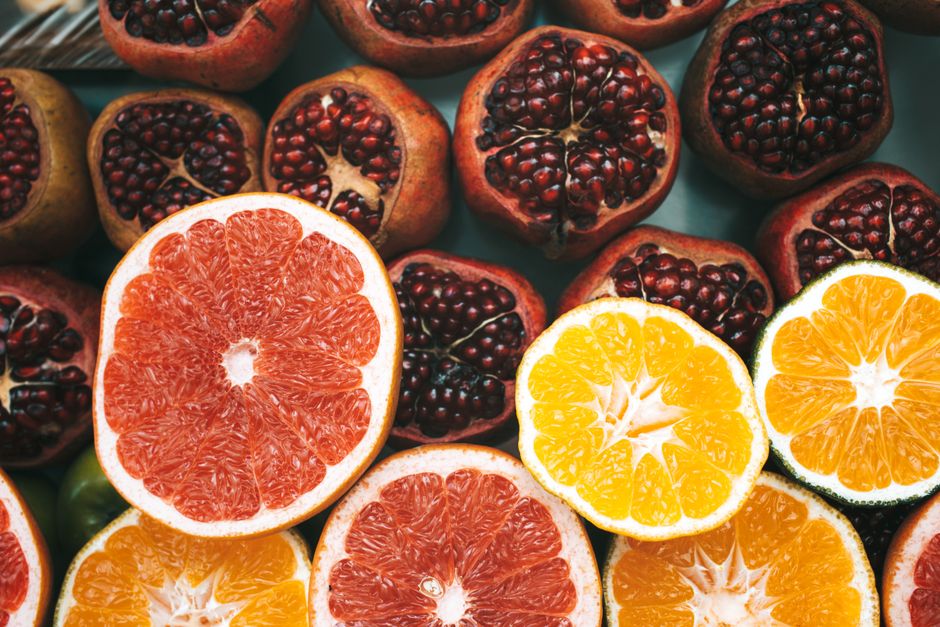
The core idea behind seasonal eating for immune health is straightforward: produce harvested at peak ripeness contains more vitamins, antioxidants, and phytonutrients than produce picked early for long-distance shipping. A 2007 review published in the Journal of the Science of Food and Agriculture found that some frozen and locally-harvested vegetables retained higher nutrient levels than fresh produce stored for several days post-harvest.
Your immune system relies on a steady supply of micronutrients, particularly vitamins C, A, D, zinc, and antioxidants, many of which shift naturally with the seasons. Buying what is in season locally tends to mean fresher food at lower cost and with a smaller environmental footprint, which is a practical win on multiple levels.
For more on how vitamin D availability shifts across seasons and why that matters for your energy, see Vitamin D and Energy Levels: What the Research Shows About Sunlight, Supplements, and Seasonal Wellness.
A Season-by-Season Guide to Immune-Supportive Foods
Spring: Refresh and Rebuild
As the days lengthen, lighter, bitter greens dominate farmers markets. Asparagus, peas, spinach, arugula, radishes, and strawberries are all at their peak.
- Asparagus is a good source of folate and vitamins K and C, which support cellular repair.
- Spinach and arugula provide iron, vitamin A precursors (beta-carotene), and antioxidants that may help reduce oxidative stress.
- Strawberries deliver a significant dose of vitamin C per serving, around 85 mg per cup according to the USDA FoodData Central database.
Practical tip: Swap heavy winter stews for grain bowls built on leafy greens, quick-roasted asparagus, and a soft-boiled egg. You get the protein for satiety and the micronutrients for immune support.
Summer: Load Up on Color
Summer is the easiest season to eat well. Tomatoes, bell peppers, zucchini, blueberries, peaches, corn, cucumbers, and herbs like basil flood markets from June through August.
- Bell peppers contain more vitamin C per gram than most citrus fruits, making them a quiet immune powerhouse.
- Blueberries are rich in anthocyanins, compounds linked to reduced inflammation in several observational studies (Harvard T.H. Chan School of Public Health).
- Tomatoes are one of the best dietary sources of lycopene, an antioxidant that research suggests may support cardiovascular and immune function.
Summer is also ideal for smoothies. Blend fresh or frozen berries, leafy greens, and a protein source to cover multiple nutritional bases in one meal. If smoothie-building is new to you, Smoothie Mistakes That Sabotage Your Energy and Satiety: A Guide to Building Balanced Recipes covers the most common pitfalls and how to fix them.
Practical tip: Freeze summer berries at peak ripeness. You will have immune-supportive fruit through the colder months when fresh options shrink.
Fall: Strengthen Before Cold and Flu Season
Fall brings some of the most nutrient-dense produce of the year: winter squash, sweet potatoes, apples, pears, Brussels sprouts, cauliflower, beets, and pomegranates.
- Sweet potatoes and butternut squash are excellent sources of beta-carotene, which converts to vitamin A, a nutrient that plays a direct role in maintaining the mucosal barriers that act as your first line of immune defense (NIH Office of Dietary Supplements).
- Brussels sprouts provide vitamins C and K along with fiber that feeds beneficial gut bacteria, and gut health is increasingly recognized as central to immune regulation.
- Apples and pears offer quercetin and pectin, compounds with anti-inflammatory properties and prebiotic effects.
Practical tip: Roast a sheet pan of sweet potatoes, beets, and Brussels sprouts on Sunday. Use them across lunches and dinners all week. This is one of the simplest forms of meal prep for beginners and it pays off in both time and nutrition.
Winter: Sustain and Protect
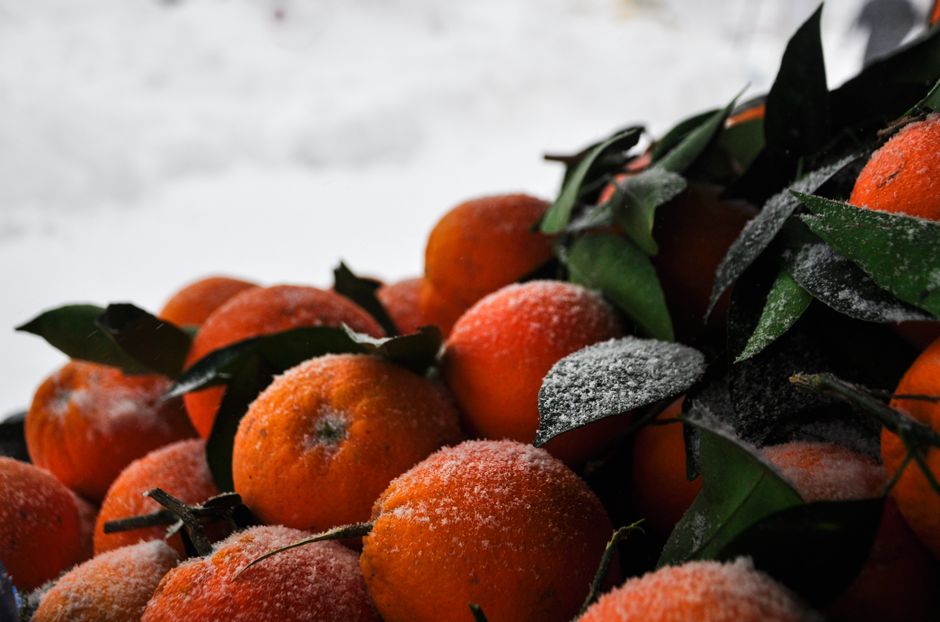
Fresh options narrow in winter, but citrus fruits, root vegetables, dark leafy greens like kale and chard, and cruciferous vegetables like cabbage are all in season and deeply nourishing.
- Citrus fruits (oranges, grapefruits, clementines) provide vitamin C, which research supports as a contributor to normal immune function rather than a cure for illness (Cochrane review, Hemila and Chalker, 2013).
- Kale and Swiss chard hold up well in soups and stews and supply vitamins A, C, and K alongside magnesium.
- Garlic and ginger are available year-round but shine in winter cooking. Both have long histories of use for immune support, and preliminary research points to antimicrobial and anti-inflammatory activity, though larger human trials are still needed.
Winter is also when vitamin D levels naturally dip. If you spend less time outdoors, talking with your healthcare provider about your vitamin D status is worth considering.

How to Shop and Store Seasonal Foods Effectively
Knowing what to buy is only half the equation. Here are practical habits that make seasonal eating sustainable:
- Use a seasonal produce guide for your region. The USDA and many state agricultural extensions publish free guides online, since peak seasons vary by climate.
- Buy in bulk when price and quality are both high. Blanch and freeze extra greens, berries, or corn so you have nutrient-rich options for months.
- Shop the perimeter and the freezer aisle equally. Frozen produce is harvested and frozen at peak ripeness, making it nutritionally comparable and often more affordable than out-of-season fresh produce.
- Plan meals around what is available, not the other way around. This small mental shift reduces food waste and keeps your diet naturally varied.
For a broader system on how to shop without wasting food or money, Grocery Shopping for Balanced Nutrition Without Waste offers a step-by-step approach.
If you want meals that sustain your energy beyond the immune benefits, pairing seasonal produce with quality protein and healthy fats is key. Eating for Sustained Energy Without the Afternoon Crash: Macro Combinations That Actually Work explains exactly how to do that.
One Small Step to Start
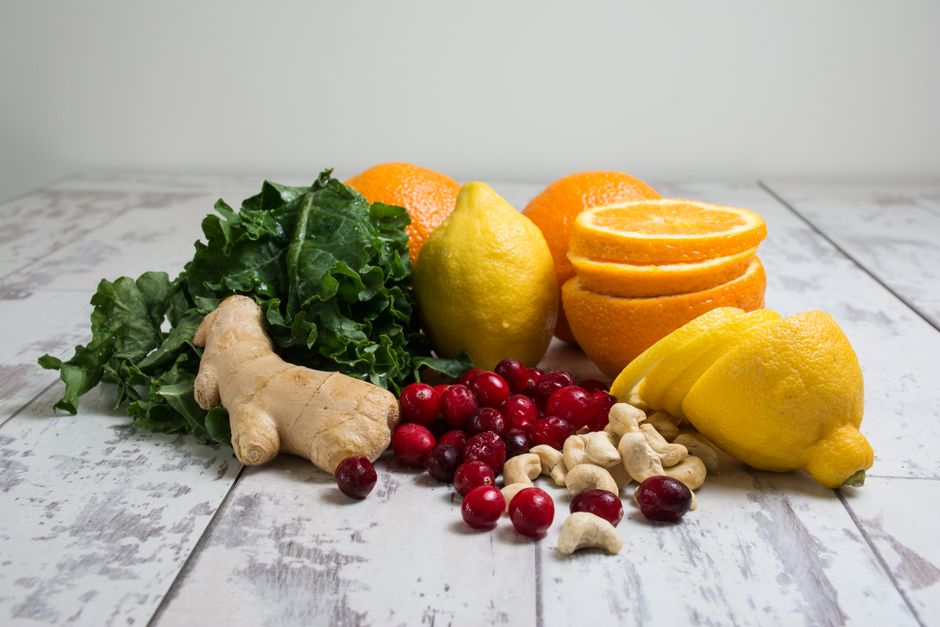
Building a seasonal eating pattern does not require an immediate overhaul. Choose one season you are currently in, identify two or three peak produce items available near you this week, and work them into meals you already make. Swap a side dish, add a new vegetable to your stir-fry, or toss seasonal fruit into your morning bowl.
Progress built on small consistent actions is far more durable than any short-term cleanse or restrictive plan. If you want practical weekly guidance on whole-person wellness and nutrition, consider signing up for the Clean Body Mentor newsletter.
This article is for general educational and informational purposes only and is not a substitute for medical advice, diagnosis, or treatment. Health needs vary by individual. Consult a qualified healthcare professional before making significant changes to your diet, exercise routine, supplements, medication, or treatment plan, especially if you have a medical condition, are pregnant or breastfeeding, take medication, or have concerns about your symptoms.
Sources
- Rickman, J.C., Barrett, D.M., and Bruhn, C.M. (2007). “Nutritional comparison of fresh, frozen and canned fruits and vegetables.” Journal of the Science of Food and Agriculture, 87(6), 930-944.
- USDA FoodData Central: https://fdc.nal.usda.gov
- NIH Office of Dietary Supplements, Vitamin A Fact Sheet: https://ods.od.nih.gov/factsheets/VitaminA-HealthProfessional/
- Hemila, H., and Chalker, E. (2013). “Vitamin C for preventing and treating the common cold.” Cochrane Database of Systematic Reviews.
- Harvard T.H. Chan School of Public Health, The Nutrition Source: https://www.hsph.harvard.edu/nutritionsource/