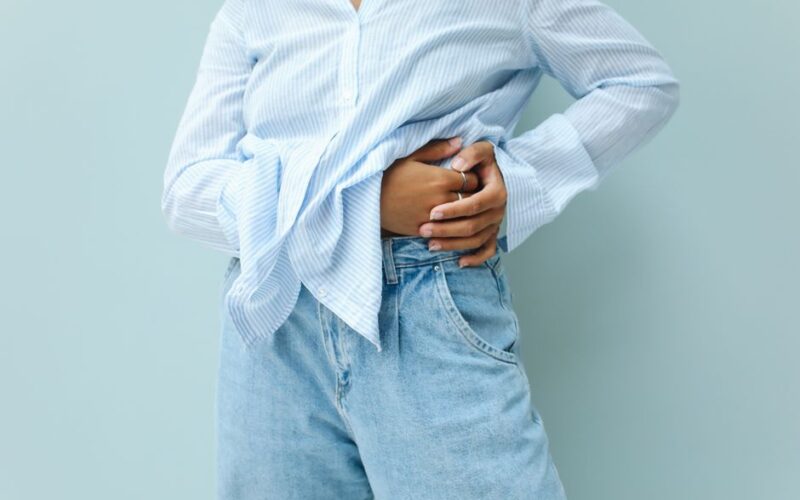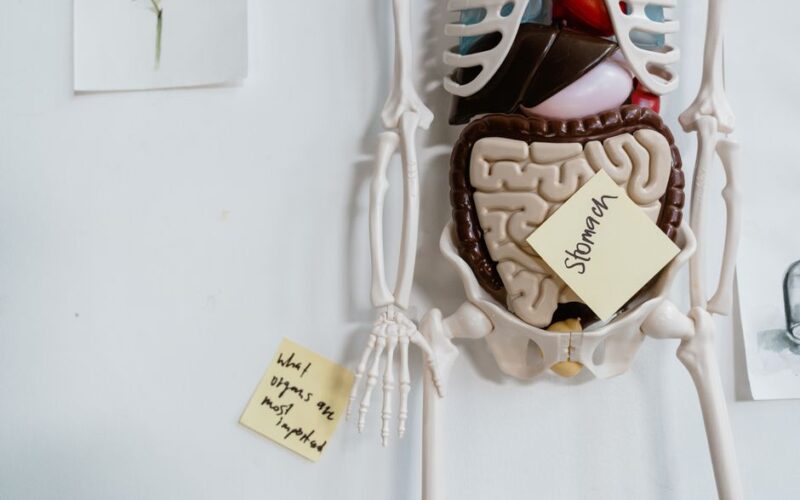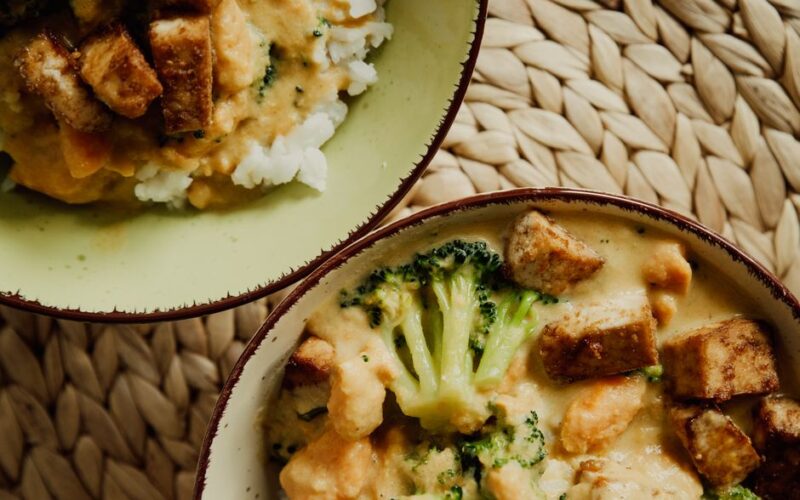

If you have ever finished a meal and then felt too sluggish, tight, or uncomfortable to stretch or move well, you are not imagining things. Digestive discomfort pulls energy inward. A bloated, heavy abdomen changes how you breathe, how you carry your torso, and how willing you are to get off the couch for a walk or a mobility session.
Here is the good news: small, practical changes to meal order and food pairing can reduce that post-meal heaviness and create conditions where your body is more ready to move. This is not about eating less or following a complicated protocol. It is about working with your digestive system instead of against it.
Why Digestion and Mobility Are Connected
The link between gut comfort and physical movement is more direct than most people assume. When your digestive system is laboring through a poorly combined or very heavy meal, blood is redirected toward the gut. Core muscles that support posture and movement can feel compressed when your abdomen is distended from gas or slowed motility. Research published in journals indexed by the National Institutes of Health has consistently noted that gastrointestinal bloating affects quality of life and, for many people, reduces their willingness to be physically active.
On the joint side, chronic low-grade inflammation driven partly by diet can affect connective tissue over time. Nutrient-dense eating patterns that support good digestion also tend to deliver more anti-inflammatory compounds, omega-3 fatty acids, and micronutrients that research suggests may help maintain joint comfort. Better absorption means your body actually captures those nutrients rather than just moving them through.
For a deeper look at how food combinations set the stage for comfort throughout your day, Adapting Your Meals for Better Digestion and Energy: Food Combinations That Work Together is a helpful companion read.
Step 1: Eat Vegetables and Protein Before Simple Carbohydrates
One of the most evidence-supported meal-order strategies involves eating fiber and protein before starchy or sugary foods. A 2019 study published in the journal BMJ Open Diabetes Research and Care found that eating vegetables and protein before carbohydrates significantly reduced post-meal glucose spikes compared to the reverse order, even when the total food consumed was identical.
Why does this matter for digestion and mobility? Stabilized blood sugar means less energy crash after eating, which translates to more readiness to move within an hour or two of a meal. The fiber from vegetables also slows gastric emptying in a way that tends to reduce bloating rather than cause it, as long as the vegetables are chewed well and you are used to eating them.
Practical steps:
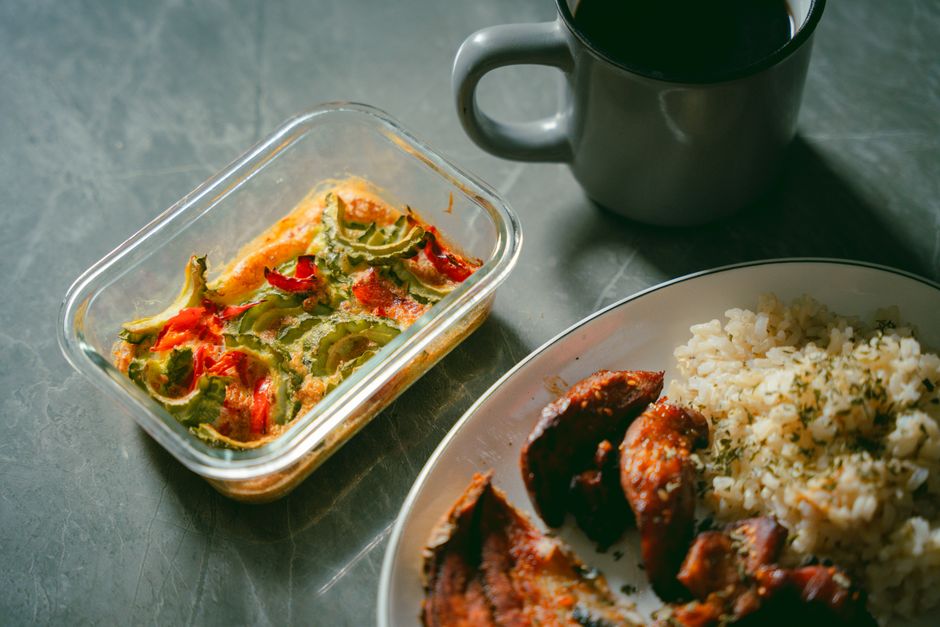
- Begin your meal with a small salad, steamed greens, or raw vegetables before the main plate arrives.
- Follow with your protein source (chicken, fish, legumes, eggs, tofu).
- Eat your bread, rice, pasta, or starchy side last, or reduce the portion since you will likely feel fuller.
This sequencing is also covered in detail in our guide on Protein Sequencing: Why the Order You Eat Carbs and Protein Matters for Blood Sugar and Hunger.
Step 2: Pair Foods That Digest at Compatible Speeds
One practical approach that many people find helpful is avoiding combinations that create competing digestive demands. This does not mean following strict food-combining rules (most of which lack strong clinical evidence), but it does mean being thoughtful about a few specific pairings.
Combinations that tend to work well:
- Lean protein with non-starchy vegetables (grilled salmon with roasted broccoli)
- Legumes with leafy greens and a small amount of healthy fat (lentil salad with olive oil and spinach)
- Whole grains with cooked vegetables and moderate protein (quinoa bowl with roasted vegetables and chickpeas)
Combinations that often increase bloating for many people:
- Large amounts of raw cruciferous vegetables (broccoli, cabbage) combined with high-fat dairy in a single sitting
- Fruit consumed at the end of a heavy, high-fat meal rather than on its own or at the start
- Carbonated beverages consumed mid-meal, which can increase swallowed air and gas
Fruit is digested relatively quickly. When it sits behind a heavy protein and fat meal, fermentation in the gut can increase gas production. Eating fruit earlier in a meal or on its own is a simple shift that some people find meaningfully reduces bloat. For more on this topic, Digestive Bloating and Meal Composition: Why Food Order and Pairing Matter More Than Quantity breaks this down further.

Step 3: Time Your Movement After Meals Strategically
Digestion and movement are not enemies, but the timing matters. Intense exercise immediately after a large meal competes with digestion for blood flow and can cause cramping or nausea. However, light movement after eating is consistently shown to be beneficial.
A 2022 meta-analysis in Sports Medicine found that a short walk of two to five minutes after a meal improved post-meal blood sugar responses compared to sitting. Light walking also supports gastric motility, meaning food moves through your digestive tract more efficiently, which reduces the stagnation that contributes to bloating.
A realistic post-meal movement window:
- 0 to 15 minutes after eating: gentle walking, light tidying, standing rather than sitting
- 45 to 90 minutes after a moderate meal: stretching, mobility work, yoga
- 2 or more hours after a large meal: moderate-intensity exercise, strength training
If improving your joint mobility is a goal alongside better digestion, the guide on Stretching and Mobility Routines for Desk Workers: Counteract Sitting and Improve Daily Movement offers a practical starting routine that pairs well with a digestion-focused eating approach.
Step 4: Hydrate Around Meals Thoughtfully
Drinking large volumes of water mid-meal can dilute stomach acid and slow the initial stages of digestion for some people. A more practical approach is to drink water 20 to 30 minutes before a meal to support gastric function, sip modestly during eating if needed, and rehydrate more fully about 30 minutes after finishing.
Herbal teas, particularly ginger and peppermint, have evidence suggesting they support gastric motility and reduce gas. Adding one of these post-meal is a low-risk, practical habit. For more on water timing and its effect on absorption, Hydration and Digestion: How Water Timing Around Food Changes Nutrient Absorption and Bloating covers this topic in depth.
Putting It Together: A Sample Day
- Breakfast: Eggs with sauteed spinach and tomatoes, followed by a slice of whole-grain toast. Water with lemon 20 minutes before.
- Mid-morning: A short walk or a few minutes of stretching.
- Lunch: Lentil and vegetable soup with a small whole-grain roll. Eat the soup first. Light walk afterward.
- Afternoon: Small handful of almonds and fresh fruit as a standalone snack, not combined with a heavy meal.
- Dinner: Grilled fish or tofu with roasted vegetables first, then a moderate portion of brown rice. Gentle mobility stretches 60 to 90 minutes after eating.
This pattern supports digestion meal order and mobility without requiring anything extreme or time-consuming.
One Realistic Action to Start
Choose one change from this article and practice it for a week before adding another. The vegetable-first approach at dinner is a low-effort starting point that many people notice quickly. If you want continued support and practical weekly guidance, the Clean Body Mentor newsletter delivers evidence-informed ideas right to your inbox.
This article is for general educational and informational purposes only and is not a substitute for medical advice, diagnosis, or treatment. Health needs vary by individual. Consult a qualified healthcare professional before making significant changes to your diet, exercise routine, supplements, medication, or treatment plan, especially if you have a medical condition, are pregnant or breastfeeding, take medication, or have concerns about your symptoms.
Sources
- Shukla AP, et al. “Food Order Has a Significant Impact on Postprandial Glucose and Insulin Levels.” Diabetes Care, 2015. Published by the American Diabetes Association.
- Holt SHA, et al. Research on glycemic sequencing, referenced via NIH PubMed database.
- Buffey AJ, et al. “The Acute Effects of Interrupting Prolonged Sitting Time in Adults with Standing and Light-Intensity Walking.” Sports Medicine, 2022.
- National Institute of Diabetes and Digestive and Kidney Diseases (NIDDK): information on gastric motility and bloating. niddk.nih.gov
- Massey BT. Review of post-meal exercise and digestion, cited across gastroenterology literature indexed in PubMed.