
By October, many people notice it: the slow creep of fatigue that feels heavier than just shorter days or busier schedules. You sleep enough but still feel sluggish. Your mood dips without an obvious reason. If this pattern sounds familiar, vitamin D deficiency is worth putting on your radar, because research consistently links low vitamin D status with reduced energy, depressed mood, and compromised immune function, especially during winter.
That said, vitamin D is also one of the most over-hyped supplements on the market. This article cuts through the noise and reviews what the evidence actually supports, so you can make a practical, informed decision for your own seasonal wellness.
Why Vitamin D Drops in Winter
Your skin synthesizes vitamin D when UVB rays from the sun reach it directly. The problem is that between roughly November and March, UVB radiation at latitudes above 35 degrees north (and below 35 degrees south) is too weak for meaningful synthesis, even on a clear day. The NIH Office of Dietary Supplements estimates that around 42 percent of U.S. adults have insufficient vitamin D levels, with higher rates among people with darker skin tones, those who spend most time indoors, and older adults whose skin synthesizes less efficiently.
This seasonal shortfall is not just about missing sunshine. Vitamin D functions more like a hormone than a traditional vitamin. It binds to receptors found in nearly every tissue in the body, including muscle, brain, and immune cells, which is why its effects feel systemic rather than localized.

What the Research Shows About Energy and Mood
The link between vitamin D and fatigue is one of the more consistent findings in nutritional research, though causality is still being studied. A 2014 randomized controlled trial published in Medicine (PMID 25398440) found that correcting deficiency in patients with low vitamin D levels led to significant improvements in fatigue scores. Similarly, a 2020 systematic review in Nutrients (PMID 32824605) found associations between low vitamin D status and symptoms of depression, including low motivation and mental fog.
What researchers are careful to note is that vitamin D supplementation appears most likely to improve energy and mood in people who are actually deficient or insufficient, roughly defined as blood levels below 20 ng/mL (deficient) or 20-29 ng/mL (insufficient) according to the NIH. People with already adequate levels (30 ng/mL or above) tend to see little additional benefit from higher doses.
This distinction matters because it means vitamin D is not a universal energy booster. It is a corrective tool when deficiency is the underlying issue. Pair this understanding with other contributors to winter fatigue, including disrupted sleep, reduced physical activity, and lower-nutrient diets, which are all well-documented energy drains. For a broader look at how nutrition affects your energy day to day, the guide on eating for sustained energy without the afternoon crash offers practical macro strategies worth reading alongside this one.

Vitamin D and Immune Function in Winter
Vitamin D’s role in immune regulation is one of the better-supported areas of its research. Vitamin D receptors are present on immune cells including T cells and macrophages, and research suggests vitamin D helps modulate both innate and adaptive immune responses. A widely cited 2017 meta-analysis in BMJ (PMID 28202713) pooled data from 25 randomized trials and found that daily or weekly vitamin D supplementation reduced the risk of acute respiratory infections, with the strongest protective effect in people who were deficient at baseline.
This does not mean supplements prevent all illness, but it does suggest that correcting deficiency may help maintain baseline immune resilience during the season when colds and flu peak. Combining vitamin D adequacy with seasonal eating habits that support immune health can give your body a more complete foundation.
Getting Enough: Sunlight, Food, and Supplements
Sunlight
When sun is available, 10 to 30 minutes of midday exposure on arms and legs (without sunscreen for that short window) can trigger meaningful synthesis for lighter skin tones, though this varies considerably. Darker skin tones require longer exposure, and overcast winter skies reduce UVB intensity further. Sunlight remains the most natural source but is genuinely unreliable in winter for many regions.
Food Sources
Few foods are naturally rich in vitamin D. Fatty fish like salmon, mackerel, and sardines are among the best sources. Fortified dairy and plant milks, fortified cereals, and egg yolks contribute smaller amounts. Unless you eat fatty fish several times a week, food alone is unlikely to maintain optimal levels through winter. Starting your day with high-protein breakfast ideas that include eggs or fortified dairy is a small step that can add up.
Supplementation: When It Makes Sense
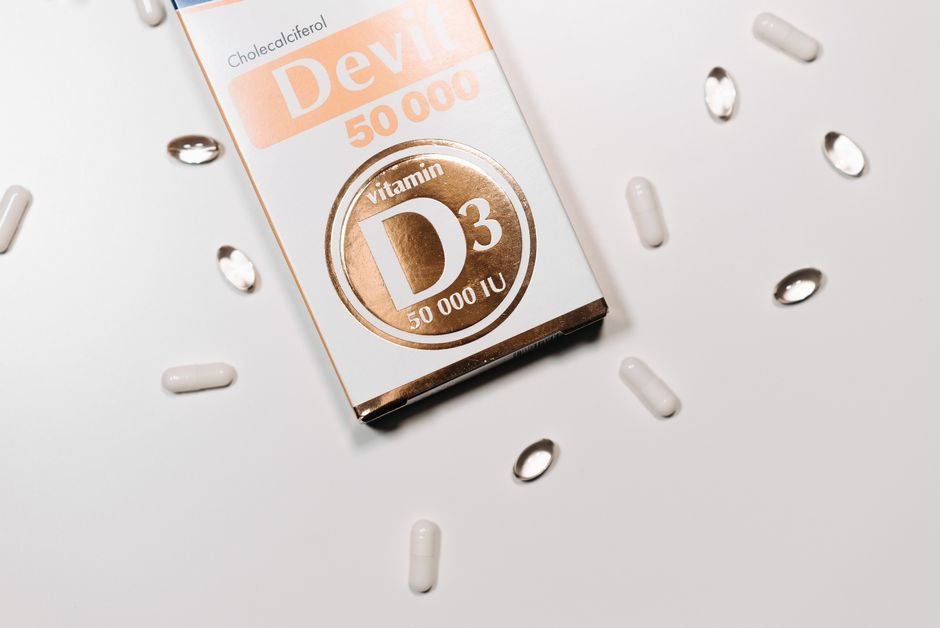
The strongest evidence supports supplementing when you are deficient or insufficient, which requires a blood test (the 25-hydroxyvitamin D test) to confirm. The NIH recommends 600 IU daily for adults up to age 70, and 800 IU for those older. Many practitioners suggest higher maintenance doses (1,000 to 2,000 IU) for adults in low-sun climates based on population data, but this should ideally be guided by your own lab results and a conversation with a qualified healthcare professional.
Vitamin D is fat-soluble, which means it is best absorbed with a meal containing healthy fats, and it is possible to take too much. Toxicity from excessive supplementation, while not common, can cause elevated calcium levels and kidney stress. This is not a case where more is always better.

What Vitamin D Cannot Do Alone
It is worth being clear: if your fatigue has multiple causes, correcting vitamin D deficiency will address one piece, not the whole picture. Sleep quality, physical movement, stress load, and overall dietary balance all shape winter energy levels. If you are also dealing with persistent afternoon slumps, the article on why your afternoon energy slump happens and what to eat to prevent it addresses the nutritional side of that pattern specifically.
If fatigue, mood changes, or other symptoms persist despite adequate vitamin D levels, they deserve a fuller conversation with a healthcare provider rather than a supplement adjustment.

Practical Steps to Take This Winter
- Get tested first. Ask your doctor for a 25-hydroxyvitamin D blood test, especially if you live above 35 degrees latitude, work indoors, or have risk factors for deficiency.
- Add fatty fish to your weekly rotation. Two to three servings per week is a realistic dietary step.
- Take midday sunlight when you can. Even brief outdoor walks around noon on clear winter days offer some UVB benefit and mood support.
- Consider a modest supplement if testing confirms deficiency. A daily dose of 1,000 to 2,000 IU with a fat-containing meal is a common starting point, but follow your provider’s guidance.
- Support vitamin D with magnesium. Research suggests magnesium helps activate vitamin D metabolism. Many adults are low in both.
Choose one of these steps to start with this week, practice it consistently, and revisit your energy levels after four to six weeks. Small, sustainable adjustments tend to work better than overhauling everything at once.
For ongoing practical wellness guidance, the Clean Body Mentor newsletter covers seasonal health topics like this one throughout the year.
This article is for general educational and informational purposes only and is not a substitute for medical advice, diagnosis, or treatment. Health needs vary by individual. Consult a qualified healthcare professional before making significant changes to your diet, exercise routine, supplements, medication, or treatment plan, especially if you have a medical condition, are pregnant or breastfeeding, take medication, or have concerns about your symptoms.
Sources
- NIH Office of Dietary Supplements, Vitamin D Fact Sheet for Health Professionals: https://ods.od.nih.gov/factsheets/VitaminD-HealthProfessional/
- Cite: Nowak A, et al. “Effect of Vitamin D3 on Self-Perceived Fatigue.” Medicine, 2016. PMID 25398440.
- Cite: Shaffer J, et al. Systematic review on vitamin D and depression. Nutrients, 2020. PMID 32824605.
- Martineau AR, et al. “Vitamin D supplementation to prevent acute respiratory tract infections.” BMJ, 2017. PMID 28202713.