
The idea of prepping meals for two full weeks sounds appealing until you picture yourself standing over six pots on a Sunday afternoon, exhausted before the week even starts. That image is exactly why so many people try batch cooking once, feel overwhelmed, and abandon it entirely.
Here is the honest truth: sustainable meal prep for busy people is not about cooking everything at once. It is about building a smart, repeatable system that takes about 60 to 90 minutes twice a week and keeps you well-fed without the chaos.
This tutorial walks you through a two-week approach you can actually stick to.
Why Two Weeks Instead of One
Planning meals two weeks at a time is not about doubling your effort. It is about reducing the number of decisions you make every single day. Research in behavioral science consistently links decision fatigue to poorer food choices later in the day (noted in work published by the National Academy of Sciences). When your meals are already planned and partially prepared, you spend that mental energy elsewhere.
A two-week framework also lets you:
- Shop less frequently, which cuts time and impulse spending
- Rotate proteins and vegetables so meals feel varied rather than repetitive
- Use your freezer strategically so Week Two barely requires cooking
If you are brand new to this, the Meal Prep for Beginners: Simple Systems to Save Time and Build Healthier Eating Habits guide is a helpful starting point before scaling up.

Set Up Your Two-Week Rotation Before You Shop
The most common reason meal prep fails is shopping without a plan and then improvising every night. Before you buy a single ingredient, map out a loose two-week rotation.
Week One focuses on fresh ingredients. Lean proteins like chicken thighs, eggs, or canned legumes, plus any vegetables with a shorter shelf life (leafy greens, zucchini, tomatoes).
Week Two leans on your freezer. Proteins you batch-cook and freeze during Week One, soups, grain bowls, and dishes that taste just as good reheated.
You do not need 14 unique dinners. Aim for 4 to 5 meal foundations that you remix slightly. For example, roasted chicken thighs become a grain bowl on Monday, a wrap on Wednesday, and a quick soup on Friday with broth and leftover vegetables.
If you are also feeding a family with different preferences, the Family Meal Planning on a Budget: Build Weekly Menus That Work for Different Tastes and Schedules guide covers how to adapt a shared rotation without cooking multiple separate meals.
The 90-Minute Batch Session: What to Actually Cook
You do not need to cook every component from scratch. Batch cooking works best when you focus on the elements that take the most time and let quick items stay quick.
Here is what a realistic 90-minute Sunday batch looks like:
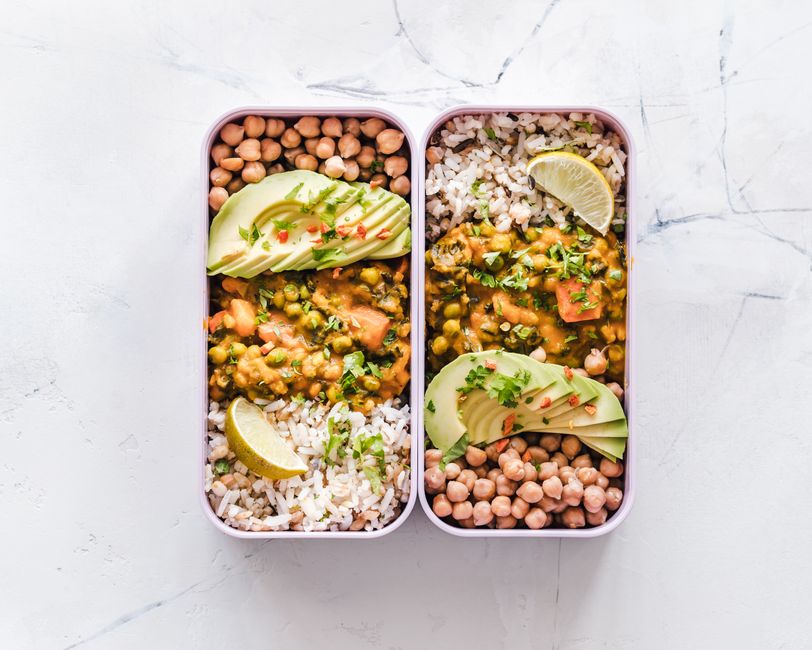
Grains (hands-off, 35-40 min): Cook a large pot of brown rice, farro, or quinoa on the stovetop or in a rice cooker while you do everything else. One batch covers 4 to 5 days of lunches and dinners.
Proteins (oven roasting, 30-35 min): Sheet-pan chicken thighs or a tray of baked salmon require almost no active time. Season, slide into the oven, set a timer. Portion half into the fridge and freeze the rest in meal-sized bags for Week Two.
Roasted vegetables (oven, same time as protein): Use a second sheet pan. Broccoli, sweet potato cubes, bell peppers, and carrots roast at 400°F alongside most proteins. No extra time.
A base sauce or dressing (10 min): A tahini dressing, a simple tomato sauce, or a garlic-herb olive oil ties everything together and keeps meals feeling intentional rather than random.
With those four components ready, you have the foundation for a dozen different meal combinations without standing over the stove each night.
Smart Storage Is Half the System
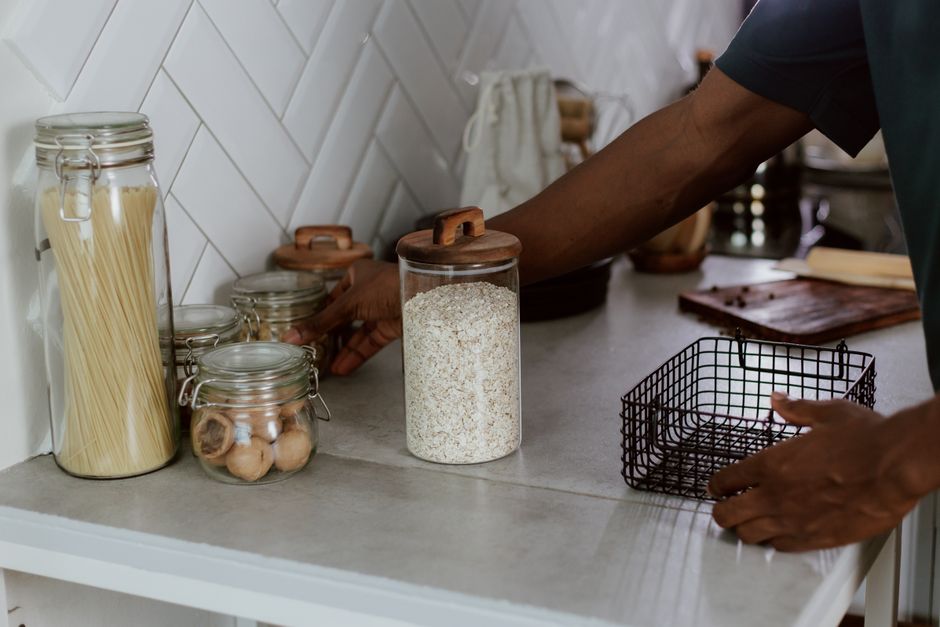
Batch cooking without good storage habits leads to soggy vegetables, forgotten leftovers, and wasted food. A few simple principles protect both your food and your motivation.
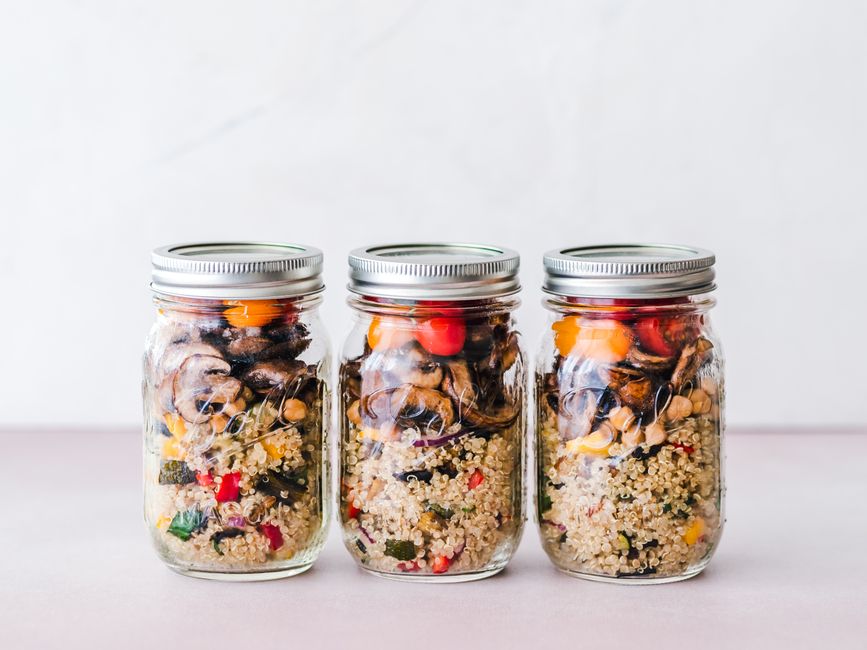
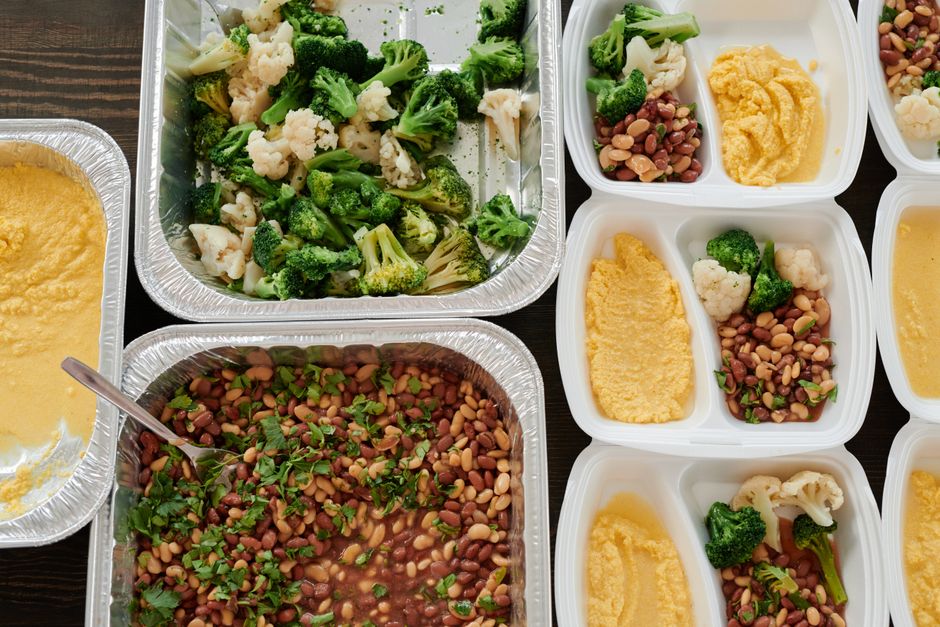
- Refrigerate components separately. Store grains, proteins, and vegetables in their own containers so you can mix and match without one component making another soggy.
- Label with the date. Cooked grains and roasted proteins keep well for 4 to 5 days in the fridge (USDA Food Safety guidelines). Anything beyond that goes in the freezer before it reaches Day 3.
- Use your freezer as a second fridge. Pre-portioned soups, cooked legumes, and marinated proteins freeze beautifully for 2 to 3 months. Thaw overnight in the fridge for a stress-free Week Two.
- Keep snacks and grab-and-go items at eye level. Hard-boiled eggs, cut fruit, portioned nuts, and hummus in clear containers mean healthy choices take zero extra effort.
Paying attention to meal timing and digestion can also help you schedule meals in a way that supports your energy rather than fighting your body’s natural rhythms.
Mid-Week Mini Prep: The Secret to Week Two
One of the biggest mistakes people make is treating meal prep as a one-time Sunday event. A 15 to 20 minute mid-week refresh on Wednesday or Thursday keeps everything on track without another major session.
During your mid-week mini prep:
- Cook a second grain if the first is running low
- Move frozen proteins to the fridge to thaw for the next few days
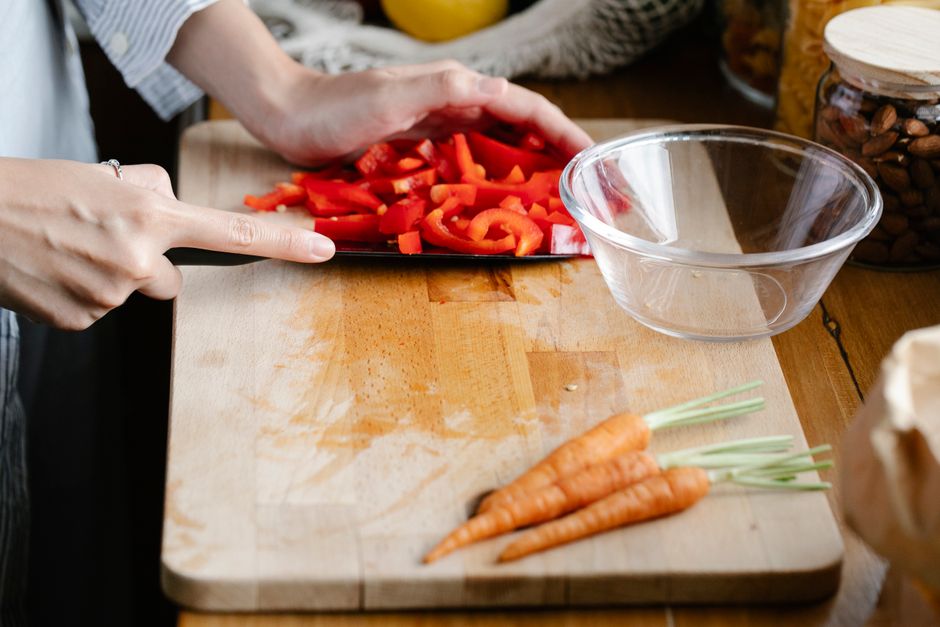
- Wash and chop any fresh produce you picked up mid-week
- Check what is left and adjust the plan so nothing goes to waste
This small habit prevents the “nothing ready to eat” panic that sends even well-intentioned people toward takeout.
Keeping Meals Interesting Across Two Weeks
Repetition is the enemy of consistency for most people. A few simple strategies prevent meal fatigue:
- Rotate your sauce or seasoning profile. The same roasted chicken feels completely different with a lemon-herb vinaigrette on Monday and a spiced yogurt sauce on Thursday.
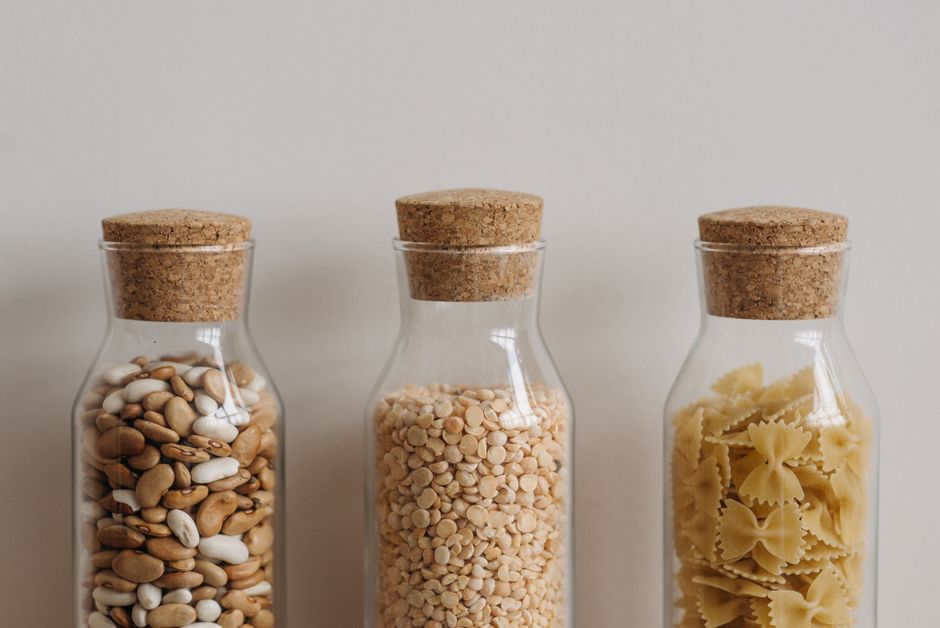
- Swap the base. Rice on Monday, quinoa on Wednesday, lettuce wraps on Friday.
- Add a wild card meal each week. One easy new recipe or a restaurant-inspired bowl keeps the rotation from feeling like a chore.
For anyone using batch cooking to support weight management or fat loss goals, mindful eating habits can strengthen what batch prep starts. The Mindful Eating Without Calorie Counting: Building Awareness and Balance at Every Meal guide pairs well with this system by helping you stay attuned to hunger and fullness even when meals are pre-portioned.
One Small Action to Start
You do not have to launch the full two-week system this weekend. Pick one piece: plan your meal rotation for the next two weeks on paper, or spend 90 minutes this Sunday doing a single batch of grains, a protein, and one tray of roasted vegetables. That one session will likely take less time than you expect and show you what sustainable cooking actually feels like.
When you are ready to go deeper, the Grocery Shopping for Balanced Nutrition Without Waste: A Practical System for Busy Families guide helps you align your shopping habits with your batch prep routine. And if you want ongoing practical wellness guidance, the Clean Body Mentor newsletter delivers straightforward tips every week.
Sources
- Danziger, S., Levav, J., and Avnaim-Pesso, L. (2011). Extraneous factors in judicial decisions. Proceedings of the National Academy of Sciences. Referenced as foundational evidence on decision fatigue.
- USDA Food Safety and Inspection Service. “Food Safety in the Home: Refrigerator Storage.” USDA.gov.
- U.S. Food and Drug Administration. “Food Safety in the Home: Freezing.” FDA.gov.
This article is for general educational and informational purposes only and is not a substitute for medical advice, diagnosis, or treatment. Health needs vary by individual. Consult a qualified healthcare professional before making significant changes to your diet, exercise routine, supplements, medication, or treatment plan, especially if you have a medical condition, are pregnant or breastfeeding, take medication, or have concerns about your symptoms.