

Bloating often gets blamed on eating too fast or too much. Eating pace does matter (more on that in this guide to eating speed and digestion), but what you put in your cart shapes how your gut handles every meal. Certain food combinations move through your digestive tract with minimal friction. Others stall, ferment, and produce the discomfort most people attribute to portion size.
This guide walks you through a practical system for grocery shopping for digestion: which foods to pair, which to separate, how to read a label quickly for digestive balance, and how to check out with a cart built for comfort rather than guesswork.

Why Food Pairing Affects Bloating
Your digestive system relies on enzymes, bile, and gut motility working in sequence. Different macronutrients trigger different digestive processes. Protein signals stomach acid production. Fats slow gastric emptying. Fermentable fibers feed your gut microbiome but can produce gas when they pile up in one sitting.
When foods with very different digestion timelines land in your stomach at the same time in large quantities, the slower-processing components can hold up the faster ones. The result is extended fermentation time, which is a primary driver of bloating for many people. Research published in journals indexed by the U.S. National Library of Medicine (PubMed) consistently points to fermentable carbohydrates (known as FODMAPs) as a common trigger, but the solution is rarely elimination. It is usually about quantity, pairing, and consistency. For a deeper look at this principle, see Digestive Bloating and Meal Composition: Why Food Order and Pairing Matter More Than Quantity.

The Food Pairing Logic to Bring to the Store
You do not need to memorize complicated charts. A few practical guidelines will serve you well every time you shop.
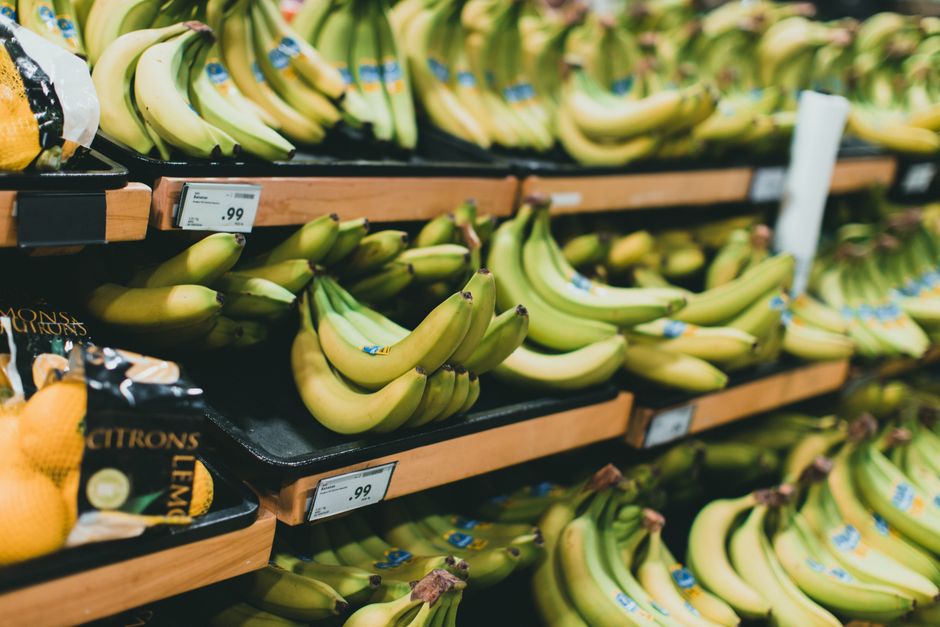
Pair soluble fiber with lean protein. Soluble fiber (found in oats, canned lentils, canned chickpeas, and ripe bananas) slows glucose absorption and forms a gel-like texture that eases movement through the gut. Lean proteins such as chicken breast, eggs, canned tuna, and plain Greek yogurt digest steadily without adding fermentation load. This combination is one of the most digestion-friendly pairings you can build a meal around.
Be thoughtful about high-fat and high-fiber together in large amounts. Avocado toast with a massive side of roasted cruciferous vegetables is not inherently bad, but if you are already prone to bloating, the combination of slow-digesting fat and fermentable vegetables (like broccoli or cabbage) can extend gut transit time. Buy both. Just moderate how much you put on one plate at once.
Limit high-FODMAP items when shopping in bulk. Garlic, onions, and certain legumes are nutritious, but they are also high in fermentable carbohydrates that feed gut bacteria rapidly. Buying smaller portions and using them as flavor accents rather than main ingredients is a simple and sustainable approach.
Cooked versus raw matters. Raw vegetables are harder to break down than cooked ones. If bloating is a recurring issue, filling your cart with a mix of fresh produce for cooking and pre-washed greens for quick salads gives you flexibility. Lightly steaming or roasting vegetables before meals can meaningfully reduce gas production without stripping nutrients.

How to Read a Label for Digestive Balance
Most shoppers glance at calories and move on. For grocery shopping for digestion, two label columns deserve your attention: fiber and fat.
Fiber content: Look for products with 3 to 5 grams of fiber per serving as a comfortable baseline for packaged foods like crackers, wraps, and cereals. Products with 8 or more grams per serving can be excellent choices in one part of a meal but may become problematic if every item in a meal has that same high fiber load. Total daily fiber intake recommended by the Dietary Guidelines for Americans (USDA) is around 25 to 38 grams depending on age and sex. Spreading that across meals works better for digestion than concentrating it in one sitting.
Fat content and type: A moderate amount of fat (5 to 15 grams per serving) helps fat-soluble vitamins absorb and keeps meals satisfying. Very high-fat items, especially those high in saturated fat, slow gastric emptying significantly. For items like nut butters or cheeses, a smaller serving paired with easy-to-digest carbohydrates tends to produce less discomfort than a large portion eaten alone.
Ingredient order: Ingredients are listed by weight. If “chicory root” or “inulin” appears in the first three ingredients of a high-fiber snack bar, expect a fermentation effect in your gut. These added fibers are not harmful, but they are potent. Rotate these products rather than eating them daily.

A Simple Checkout System for a Digestion-Friendly Cart
Think of your cart in four zones. Checking each zone before you head to the register keeps your kitchen stocked with foods that work together.
-
Gentle proteins: Eggs, plain Greek yogurt, canned fish, chicken, tofu, or tempeh. These form the anchor of low-bloat meals.
-
Soluble-fiber staples: Oats, ripe bananas, canned lentils (rinsed well to reduce oligosaccharides), sweet potatoes, and carrots. These provide digestive fiber without the heavy fermentation load of raw cruciferous vegetables.
-
Fermented or probiotic foods: Plain kefir, kimchi, or a small container of plain live-culture yogurt. Research suggests regular fermented food intake may support microbiome diversity (Harvard T.H. Chan School of Public Health notes consistent evidence on this). These are supporting cast, not main events.
-
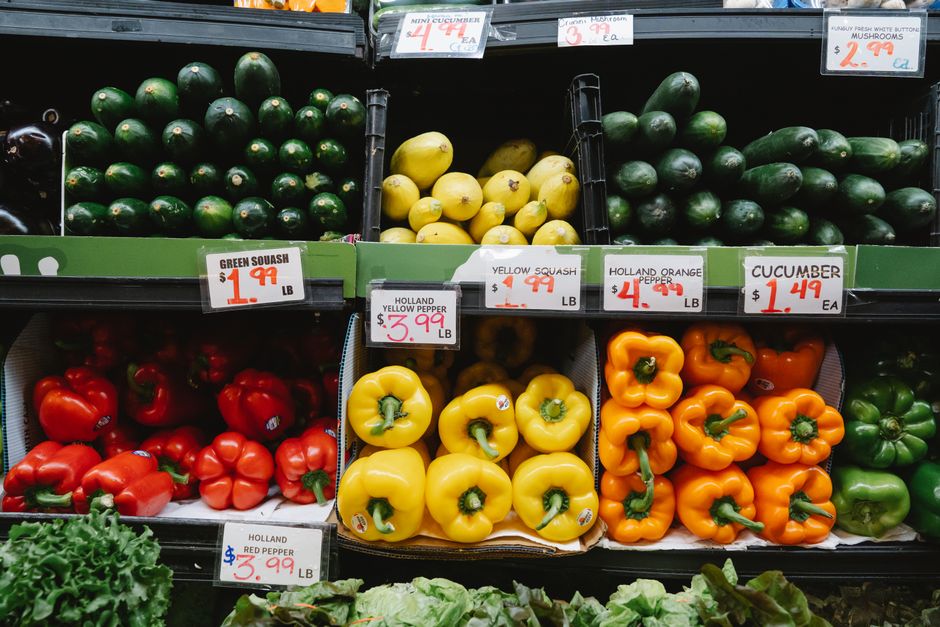
Digestive-friendly produce: Zucchini, cucumber, cooked spinach, green beans, and well-ripened tomatoes tend to be lower in fermentable carbohydrates than their cruciferous counterparts. Include one or two higher-fiber vegetables you enjoy but plan to cook rather than eat raw.
For guidance on how to extend this approach to broader grocery habits without wasting food, Grocery Shopping for Balanced Nutrition Without Waste: A Practical System for Busy Families offers a complementary system.

What to Leave Off the Cart (or Reduce)
A few common culprits are worth keeping to smaller quantities until your gut adjusts:
- Sugar alcohols (sorbitol, xylitol, erythritol): Common in protein bars, sugar-free gum, and low-calorie drinks. These are poorly absorbed and reliably ferment in the colon for many people.
- Carbonated drinks: Even sparkling water can contribute to gas and pressure if consumed with meals.
- Large amounts of raw brassica vegetables in one shop: Broccoli, cauliflower, Brussels sprouts, and kale are nutritious and worth buying. Just spread them across multiple meals and cook them rather than loading them into a single bowl.
If you are curious about how fiber specifically fits into a low-bloat eating plan, Digestive Comfort Through Fiber Without the Bloat covers that ground in practical detail.

One Small Change to Start This Week
You do not have to rebuild your entire grocery routine at once. Pick one section of the system above and apply it on your next shopping trip. Swap a high-FODMAP snack for a soluble-fiber option. Add one fermented food to your cart. Check the fiber column on two or three packaged items before buying.
Consistency across small adjustments tends to produce more lasting digestive comfort than dramatic overhauls. If you would like a broader framework for how food combinations affect your energy throughout the day, the Digestive Comfort and Nutrient Absorption guide is a natural next read.
For weekly practical wellness guidance, consider subscribing to the Clean Body Mentor newsletter. It arrives once a week with evidence-informed tips you can actually use.
Disclaimer: This article is for general educational and informational purposes only and is not a substitute for medical advice, diagnosis, or treatment. Health needs vary by individual. Consult a qualified healthcare professional before making significant changes to your diet, exercise routine, supplements, medication, or treatment plan, especially if you have a medical condition, are pregnant or breastfeeding, take medication, or have concerns about your symptoms.
Sources
- U.S. Department of Agriculture (USDA). Dietary Guidelines for Americans, 2020-2025. dietaryguidelines.gov
- Harvard T.H. Chan School of Public Health. The Nutrition Source: Fermented Foods. hsph.harvard.edu
- National Library of Medicine (PubMed). Research on FODMAPs and irritable bowel syndrome. pubmed.ncbi.nlm.nih.gov
- Academy of Nutrition and Dietetics. Fiber and Digestive Health. eatright.org