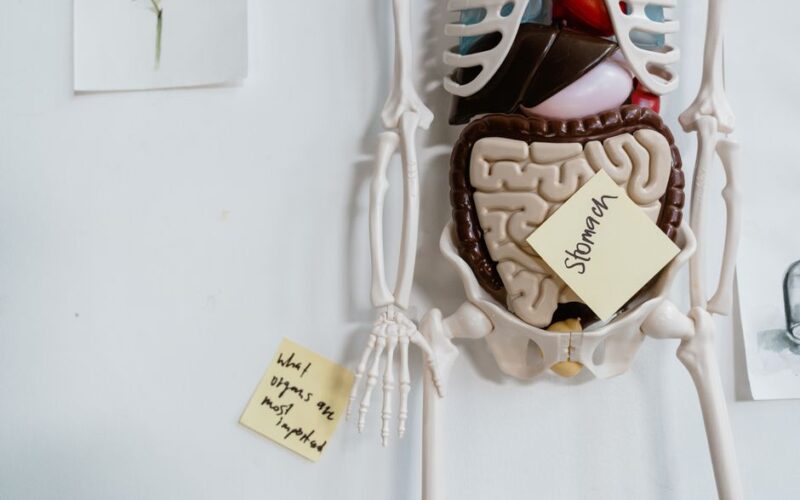


You have probably spent time rethinking your food choices when bloating or afternoon energy crashes strike. Maybe you cut out gluten for a week, tried eliminating dairy, or swapped one carb for another. Yet the discomfort keeps returning.
Here is something most digestive advice skips: the how of eating often matters as much as the what. Your digestive comfort eating pace, meaning how fast you move through a meal and how thoroughly you chew, can drive bloating and energy dips just as powerfully as the food itself. The good news is that slowing down costs nothing and requires no meal overhaul.
What Actually Happens When You Eat Too Fast
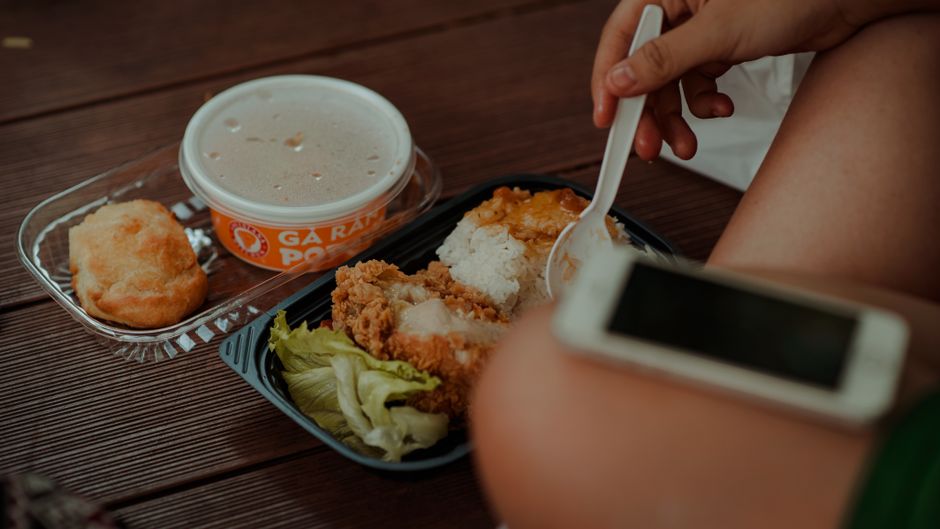
Digestion begins in your mouth, not your stomach. Chewing breaks food into smaller particles and mixes it with saliva, which contains amylase, an enzyme that starts breaking down carbohydrates before anything reaches your gut. When you rush through a meal, two problems emerge simultaneously.
First, large, poorly chewed food particles reach your stomach and small intestine less prepared for breakdown. Your stomach works harder, and undigested fragments that pass into the large intestine become fuel for gas-producing bacteria, a direct contributor to bloating.
Second, eating fast outruns your satiety signals. Research published in the Journal of the Academy of Nutrition and Dietetics (2014) found that eating rate significantly influences hunger hormone responses, including ghrelin and peptide YY. The hormonal feedback loop that tells your brain you are full takes roughly 15-20 minutes to register. A meal eaten in eight minutes bypasses that signal almost entirely, leaving you overfull, uncomfortable, and likely to experience a blood sugar spike followed by a crash.
For a broader look at how meal timing and spacing affect these patterns, Digestive Comfort and Meal Timing: How to Eat for Better Digestion and Sustained Energy offers a useful companion perspective.

The Case for Chewing More Than You Think Is Necessary
Most people chew each bite around five to ten times before swallowing. Nutrition researchers and digestive specialists often suggest 20 to 30 chews per bite for complex or dense foods, not as a rigid rule but as a useful baseline to aim toward.
Through chewing, you accomplish several things at once:
- Surface area increases: Smaller particles expose more food to digestive enzymes in the stomach and small intestine, which may support better nutrient absorption.
- Saliva production rises: More saliva means more amylase and also more bicarbonate, which helps buffer stomach acid.
- Mechanical breakdown eases the load: Your stomach muscles do not have to work as hard, which can reduce that heavy, sluggish feeling after a meal.
A small study from PLOS ONE (Zhu and Hollis, 2014) found that chewing almonds 40 times compared to 10 times significantly increased the amount of fat released for absorption. While almonds are a specific case, the principle extends to other nutrient-dense foods. How thoroughly you chew changes what your body actually receives from a meal.
If food order also affects your digestion, you might find it helpful to read Digestion Speed and Meal Order: Why Eating Vegetables First Changes Blood Sugar and Energy alongside this guide.
How Eating Pace Affects Blood Sugar and Afternoon Energy
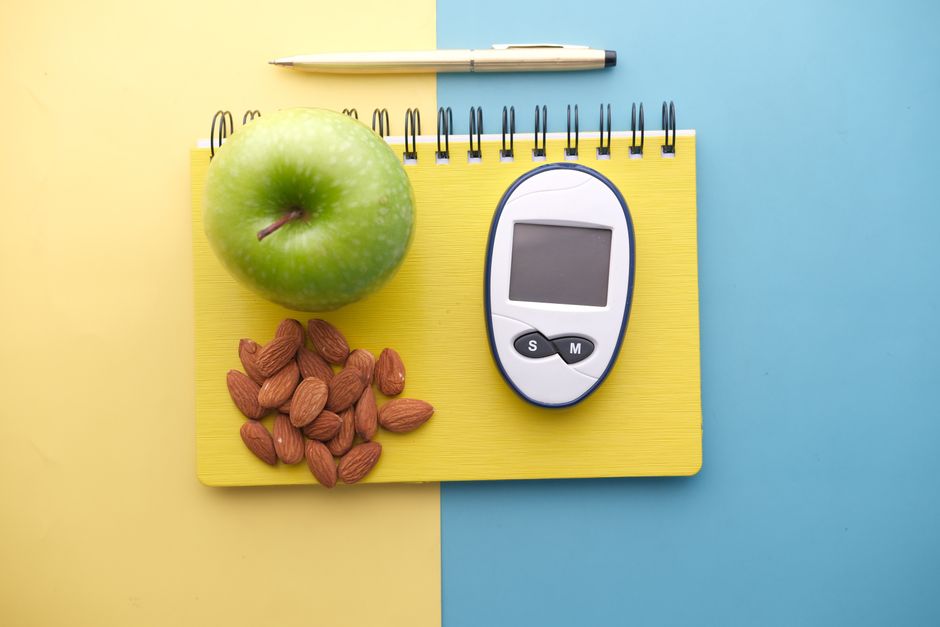
Fast eating does not just cause bloating. It is also linked to sharper blood sugar swings. When you swallow large, poorly chewed particles quickly, glucose enters your bloodstream in a more abrupt wave rather than a gradual one. That spike tends to be followed by a dip, which is often what drives the 3pm fatigue many people blame solely on lunch composition.
Research suggests that slower eating, independent of meal content, produces a more gradual postprandial glucose rise. A 2018 study in BMJ Open Diabetes Research and Care followed a large Japanese cohort and found that fast eaters had a higher prevalence of metabolic issues compared to slow eaters, even after adjusting for calorie intake.
This does not mean the food you eat is irrelevant. Protein and fiber choices matter too, as covered in Eating for Sustained Energy Without the Afternoon Crash: Macro Combinations That Actually Work. But pace is the lever many people have not tried yet.
Practical Ways to Slow Down Without Obsessing Over Timing
The goal is not to time every meal with a stopwatch. That kind of rigidity tends to make eating feel stressful rather than nourishing. Instead, try one or two of these strategies and notice what feels sustainable:
Set down your fork or spoon between bites. This one physical habit creates a natural pause and interrupts the automatic reach-chew-swallow loop most people run on autopilot.
Chew until the food loses its texture. Rather than counting chews, aim for a consistency closer to a paste for solid foods. This is especially helpful with bread, rice, meat, and raw vegetables.
Start meals with a few slow, intentional breaths. Eating in a calm, parasympathetic nervous system state (the “rest and digest” mode) supports better enzyme production. Even two slow breaths before picking up your fork shifts your body’s readiness to digest.
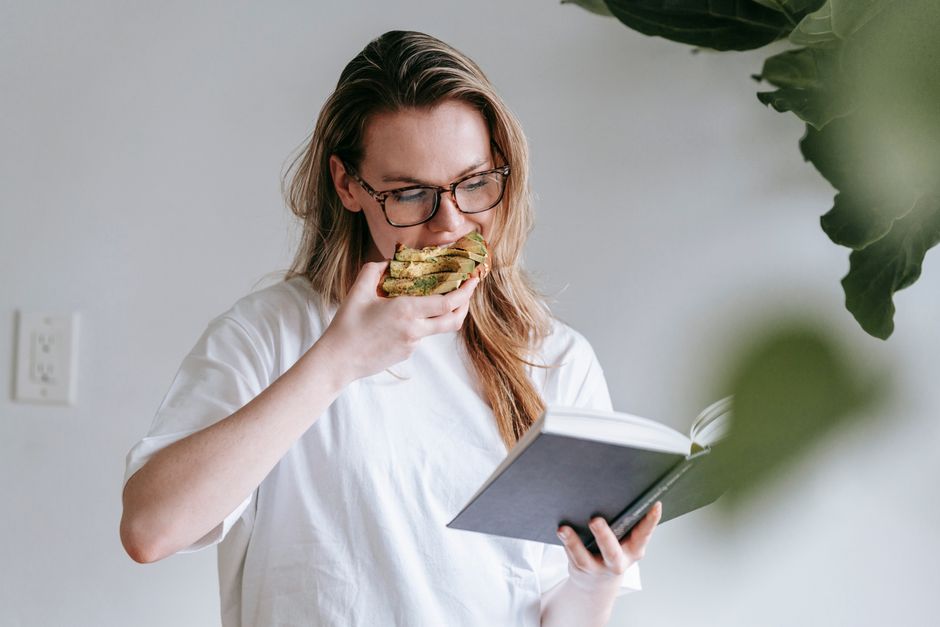
Avoid screens and multitasking during meals when possible. Distracted eating is reliably linked to faster intake and reduced awareness of fullness cues. You do not have to eat in silence, but giving the meal partial attention helps.
Make your bites smaller from the start. Load less on the fork or spoon. This sounds trivially simple, but it meaningfully extends meal duration without any deliberate slowdown effort.
If you are also curious about how mindful eating connects to hunger awareness and food choices, Mindful Eating vs. Intuitive Eating: Which Approach Fits Your Life and Your Goals offers a clear comparison of both frameworks.

One Small Change Worth Starting Today
You do not need to master all of these at once. Pick one approach that fits your current routine and practice it consistently at just one meal per day for one to two weeks. Notice whether your bloating or post-meal energy shifts. Many people report feeling lighter after meals, more satisfied with smaller portions, and less likely to hit that familiar mid-afternoon slump.
If digestive discomfort persists despite these adjustments, consider speaking with a registered dietitian or your healthcare provider to rule out underlying conditions. Eating pace is a meaningful and often overlooked piece of digestive comfort, but it is not a treatment for medical diagnoses.
For more practical guidance on habits that support whole-person wellness, consider joining the Clean Body Mentor newsletter, where we share evidence-informed strategies every week without extremes or pressure.
This article is for general educational and informational purposes only and is not a substitute for medical advice, diagnosis, or treatment. Health needs vary by individual. Consult a qualified healthcare professional before making significant changes to your diet, exercise routine, supplements, medication, or treatment plan, especially if you have a medical condition, are pregnant or breastfeeding, take medication, or have concerns about your symptoms.
Sources
- Andrade, A.M., Greene, G.W., and Melanson, K.J. (2008). Eating slowly led to decreases in energy intake within meals in healthy women. Journal of the Academy of Nutrition and Dietetics, 108(7), 1186-1191.
- Zhu, Y., and Hollis, J.H. (2014). Increasing the number of chews before swallowing reduced meal size in normal-weight, overweight, and obese adults. Journal of the Academy of Nutrition and Dietetics, 114(6), 926-931.
- Zhu, Y., and Hollis, J.H. (2014). Chewing thoroughly reduces energy intake at a subsequent meal. PLOS ONE, 9(1).
- Hurst, Y., and Fukuda, H. (2018). Effects of changes in eating speed on obesity in patients with diabetes. BMJ Open Diabetes Research and Care, 6(1).
- National Institute of Diabetes and Digestive and Kidney Diseases (NIDDK). Overview of digestive system function. Retrieved from niddk.nih.gov.