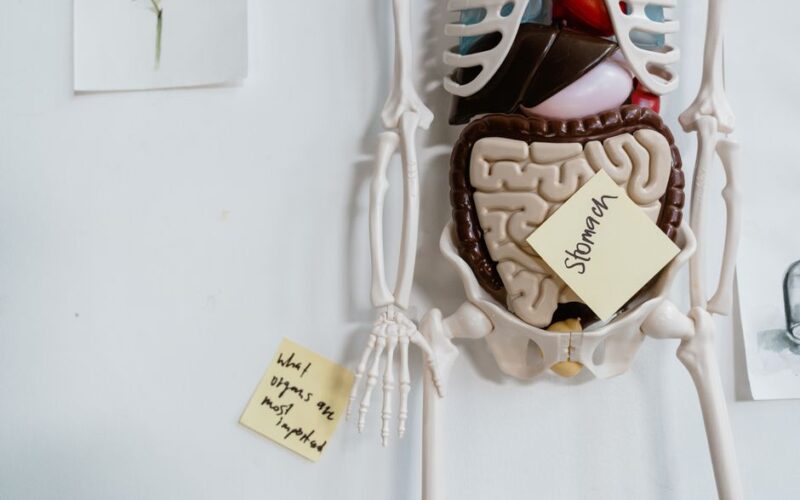


The 3pm craving hits like clockwork. Your focus dissolves, your hand reaches toward the snack drawer, and you wonder whether your body is actually running on empty or just running on habit. The honest answer: it depends, and the cause matters more than the solution.
Afternoon hunger causes vary from person to person. For some readers, the problem is metabolic. For others, it is behavioral, hydration-related, or emotionally driven. This case study follows four real-world scenarios shared by Clean Body Mentor readers who identified their specific trigger and made a single, targeted lunch change that actually worked.
Why “Just Snack Less” Is Incomplete Advice
Telling someone to power through afternoon hunger ignores the biology underneath it. Blood sugar patterns, protein distribution across the day, hydration status, and mood all shape how hungry you feel at 3pm. Research published by the National Institute of Diabetes and Digestive and Kidney Diseases notes that hormones like ghrelin and insulin interact continuously to regulate appetite, and that timing and meal composition both play a role in how these signals arrive.
If you haven’t read about how meal composition shapes your afternoon energy better than caffeine timing, that guide offers useful context before diving into the cases below.

Case 1: The Office Worker Whose Lunch Was Almost All Carbs
Reader background: Marcus, 38, works a desk job and typically eats a large sandwich with chips and a sports drink around noon.
The pattern: By 2:30pm he felt foggy, slightly irritable, and convinced he needed something sweet.
What he traced it to: Inadequate lunch protein. His midday meal was carbohydrate-heavy and low in satiating protein, which caused a faster return of hunger signals. Research suggests that protein at lunch increases satiety hormone responses and slows gastric emptying compared to carbohydrate-matched meals (source: a 2013 study in the American Journal of Clinical Nutrition on dietary protein and satiety).
The one change: Marcus swapped chips for a small portion of Greek yogurt and added two boiled eggs to his lunch rotation. He kept the sandwich but made it smaller.
The result: By week two, his 3pm urgency faded noticeably. He didn’t add a snack. He just shifted protein earlier in the day.
For a deeper breakdown of this approach, protein at lunch and how it shapes your 3pm energy is worth bookmarking.

Case 2: The Stay-at-Home Parent Who Was Simply Dehydrated
Reader background: Priya, 34, rarely sits down to eat, drinks mostly coffee in the morning, and doesn’t always remember to drink water until late afternoon.
The pattern: She described an almost anxious hunger around 3pm that felt urgent but wasn’t always relieved by food.
What she traced it to: Dehydration masquerading as hunger. The hypothalamus regulates both thirst and hunger, and these signals can overlap, particularly when fluid intake is low throughout the day (this mechanism is documented in several reviews of appetite regulation, including work cited by the European Journal of Nutrition).
The one change: Priya started keeping a 20-oz water bottle on the kitchen counter and drinking 16 oz before lunch and again at 2pm. She did not change what she ate.
The result: Her perceived afternoon hunger dropped significantly within one week. On days she forgot her water routine, the craving came back. The pattern was clear.

Case 3: The Remote Worker Whose 3pm Was Emotional, Not Physical
Reader background: Dana, 42, works from home and tends to snack around 3pm after back-to-back video calls.
The pattern: She wasn’t physically hungry. She was restless, mentally fatigued, and reaching for food as a break from screen time.
What she traced it to: Emotional eating triggered by decision fatigue and the need for a mental reset. The urge to eat felt physical because she was genuinely tired, but the underlying cause was stress and boredom, not a calorie deficit.
The one change: Dana introduced a 10-minute screen-free break at 2:45pm: a short walk to the kitchen for water, then five minutes outside or away from her desk. She kept a small, satisfying lunch rather than restricting it.
The result: Most days the craving passed within the break. When genuine hunger remained after 15 minutes, she ate. But that happened far less often than before.
If emotional eating feels familiar, building awareness around emotional hunger versus physical hunger offers a compassionate, practical framework for telling them apart.

Case 4: The Shift Worker Who Was Eating Too Early
Reader background: James, 51, starts work at 6am and typically eats lunch at 10:30am to fit his schedule.
The pattern: By 2:30pm he had gone almost four hours since eating and was genuinely, physically hungry. He assumed he needed to “tough it out.”
What he traced it to: A genuine energy deficit created by meal timing, not a lack of willpower. Eating lunch at 10:30am and then nothing until dinner around 6pm created a seven-hour gap that his body was rightfully protesting.
The one change: James moved his lunch to 11:30am when possible, and added a small, protein-anchored bridge meal at 2:30pm: a handful of nuts and a piece of fruit. This was not “snacking more” in a mindless sense; it was structured eating that matched his actual schedule.
The result: His afternoon hunger became predictable and manageable rather than urgent and disruptive. His dinner portions also decreased slightly.
For readers with non-standard schedules, protein timing and eating schedules for shift workers addresses similar patterns with evidence-based adjustments.

What These Four Cases Share
Each reader had the same symptom: urgent afternoon hunger. Each had a different root cause. And each needed a different single fix:
- Marcus needed more protein at lunch
- Priya needed more water before the craving arrived
- Dana needed a non-food mental break
- James needed a structured small meal, not a snack-free afternoon
None of them needed more willpower. They needed a clearer picture of what was actually happening in their bodies and schedules.

How to Find Your Own Pattern
Before adding or removing snacks, spend three days tracking:
- What you ate at lunch (protein, carbs, fat in rough terms)
- How much water you drank by 2pm
- Your stress or mood level between 2 and 4pm
- When you last ate before the craving hit
Look for the pattern that repeats. One clear signal will usually emerge. Then make one targeted change and hold it for two weeks before assessing.
For more on how food pairings influence afternoon blood sugar stability, afternoon hunger and food pairing walks through specific meal combinations that tend to help.
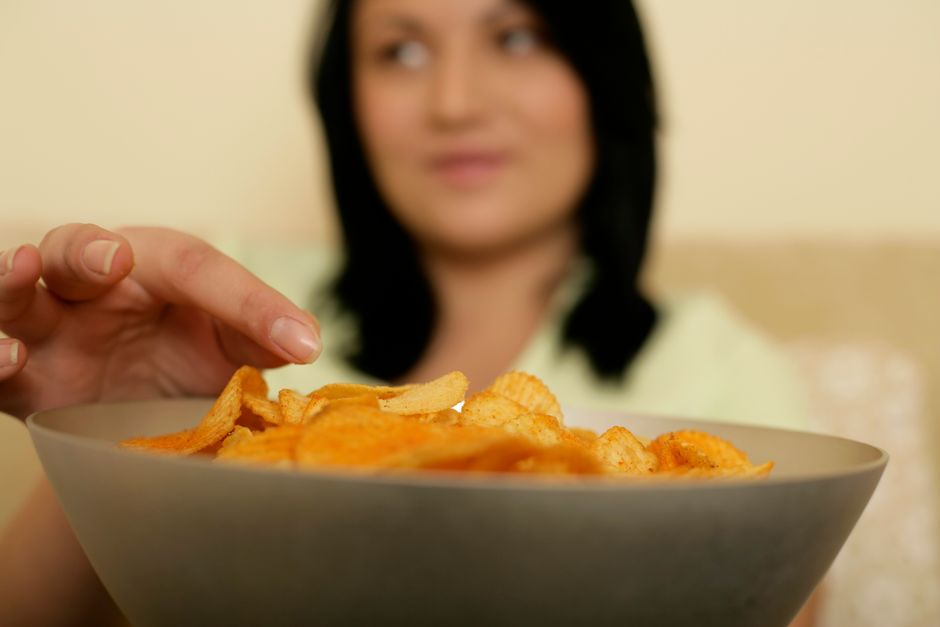
A Small Step Worth Taking
Choose one scenario from the cases above that sounds most like yours. Adjust just that variable this week, not everything at once. Sustainable habits tend to grow from small, accurate changes rather than sweeping overhauls.
If you want more practical weekly guidance on energy, meals, and whole-person wellness, consider joining the Clean Body Mentor newsletter for evidence-informed tips you can actually use.
This article is for general educational and informational purposes only and is not a substitute for medical advice, diagnosis, or treatment. Health needs vary by individual. Consult a qualified healthcare professional before making significant changes to your diet, exercise routine, supplements, medication, or treatment plan, especially if you have a medical condition, are pregnant or breastfeeding, take medication, or have concerns about your symptoms.
Sources
- National Institute of Diabetes and Digestive and Kidney Diseases. Appetite and hunger hormone research. U.S. Department of Health and Human Services.
- Paddon-Jones, D., et al. (2008). Protein, weight management, and satiety. American Journal of Clinical Nutrition, 87(5), 1558S-1561S.
- Johnstone, A. M., et al. (2013). Dietary protein and satiety. American Journal of Clinical Nutrition.
- Rolls, B. J. (2009). The relationship between dietary energy density and energy intake. Physiology and Behavior, 97(5), 609-615.
- European Journal of Nutrition: reviews on appetite and hydration overlap (various issues).