

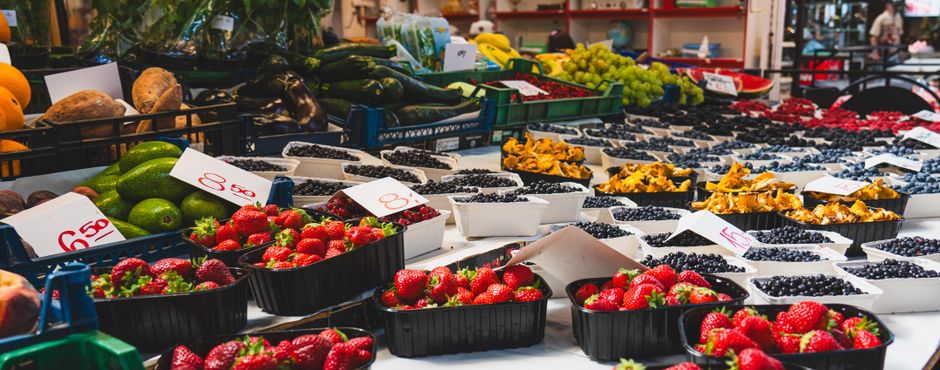
Seasonal eating has a reputation problem. Many people picture it as an activity reserved for Saturday morning farmers markets, specialty grocers, and a fairly generous grocery budget. If that has kept you from trying it, this guide is for you.
The reality is that seasonal produce on a budget is genuinely achievable at a standard grocery store, and it can actually lower your weekly food bill rather than raise it. Here is how to make it work without any extra trips or complicated planning.
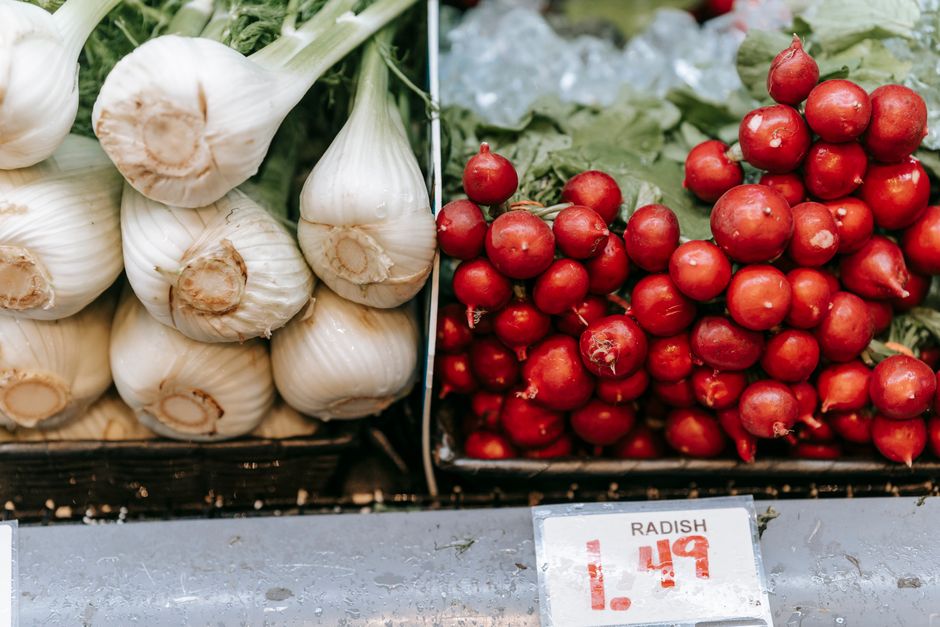
Why Seasonal Produce Costs Less at the Grocery Store
When a crop is in peak season, supply is high and transport costs are lower because the food travels shorter distances. That combination usually pushes prices down at every retailer in the supply chain, including the big-box grocery stores you already visit.
Out-of-season produce often arrives from overseas or requires energy-intensive greenhouse growing. You pay for that infrastructure. Buying in season removes most of that cost.
The USDA Economic Research Service has consistently tracked how retail prices for fresh produce fluctuate with seasonal availability, confirming that in-season items tend to carry lower per-unit costs. You don’t need a market vendor to benefit from this pattern.
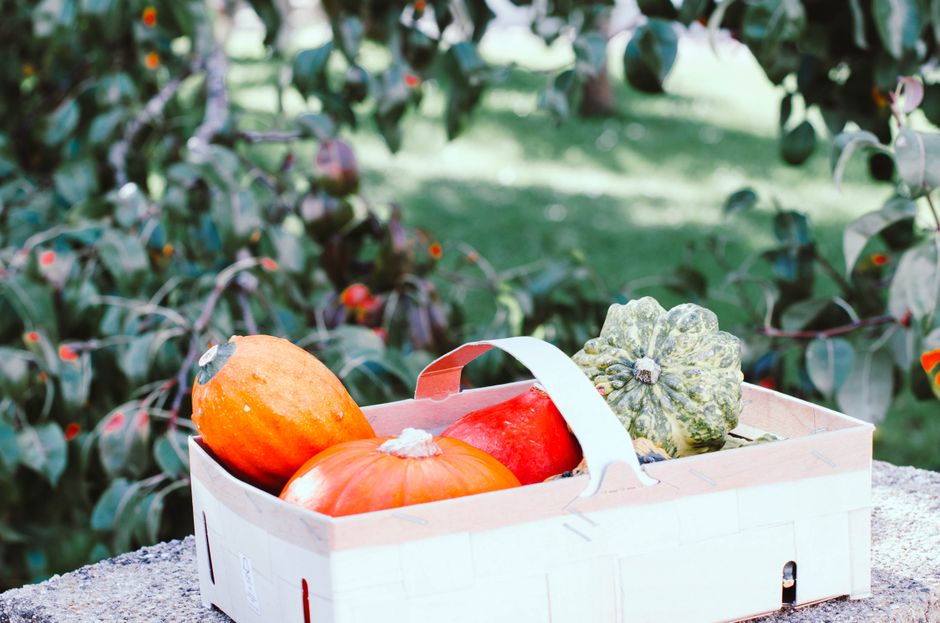
How to Know What Is Actually in Season
This is the step most people skip, and it is also the simplest one.
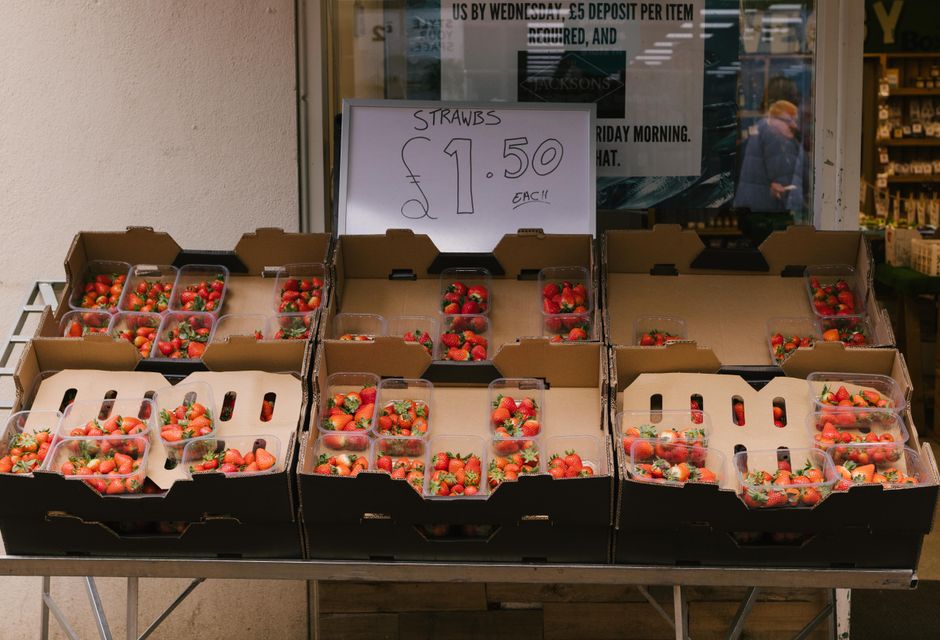
Look at the price tags first. At any grocery store, the produce that is in season will usually have the lowest sale price or the boldest promotional label. Strawberries marked down to a dollar a pound in June are telling you they are at peak supply. Butternut squash stacked in towering displays in October is in season. The store’s own merchandising does the research for you.
Check the country of origin sticker. When the label says the produce comes from a domestic region close to you, there is a good chance it is in season locally. When it lists a distant country, it is likely out of season and priced accordingly.
Use a seasonal chart as a quick reference. The USDA Mixing Bowl seasonal produce guide and similar government resources give a broad seasonal overview by U.S. region. A one-time scan of that resource can anchor your instincts for months.
If you want to understand how seasonal crops shift the specific nutrients on your plate, the Seasonal Produce Nutrition: Why Winter Root Vegetables and Spring Greens Deliver Different Nutrients and Cost Less guide on Clean Body Mentor breaks it down in a practical way.
Build Your Grocery List Around the Season’s Core Items
Once you know roughly what is in season, the goal is to let those items anchor your meals rather than treating them as side additions.
A simple seasonal structure looks like this:
- Winter: Root vegetables (carrots, sweet potatoes, parsnips), cabbage, winter squash, citrus fruits, sturdy greens like kale
- Spring: Asparagus, peas, spinach, radishes, spring onions, broccoli
- Summer: Tomatoes, zucchini, corn, cucumbers, berries, peaches
- Fall: Apples, pears, Brussels sprouts, beets, cauliflower, winter squash overlap
When you plan meals around these items rather than a specific recipe that demands a single ingredient, you gain flexibility and spend less. For example, a winter meal built on roasted sweet potato, massaged kale, and canned chickpeas costs very little and delivers fiber, beta-carotene, and plant protein without premium pricing.
If you are working to build lean muscle on a plant-based budget, anchoring your protein combinations to whatever vegetables and legumes are cheapest in the current season is a practical way to stretch your grocery dollars further.
Frozen and Canned Produce Are Legitimate Seasonal Allies
Frozen vegetables are almost always harvested at peak ripeness and frozen shortly afterward. Research published through the Institute of Food Technologists and cited by the FDA suggests that frozen produce often retains comparable or sometimes higher levels of certain vitamins relative to fresh produce that has been stored for several days.
This matters because it means you can buy frozen corn in January and still benefit from a summer crop’s nutritional profile, without the shipping cost of fresh off-season corn. Frozen peas, edamame, mixed berries, and spinach are reliable year-round options that align with a seasonal-eating mindset.
Canned tomatoes, pumpkin, and beans follow the same logic. They are processed at harvest and hold their nutrient content well, especially for heat-stable nutrients like lycopene in tomatoes, which research suggests may actually increase with cooking (according to a study published in the Journal of Agricultural and Food Chemistry, cited by the National Institutes of Health).
For a deeper look at how what you eat influences digestion by season, Why Your Winter Digestion Feels Slower and Five Foods That Actually Lighten It offers some useful context.
Reduce Waste With a Use-It-Up Habit
One of the quiet financial benefits of seasonal eating is that in-season produce tends to be fresher at the point of purchase, which means it lasts longer in your refrigerator. Less spoilage is a direct budget benefit.
To build on that:
- Batch prep greens and root vegetables on a weekend afternoon so they are ready to add to meals across the week without last-minute decisions.
- Keep a “use it up” container in the fridge for vegetables that are approaching the end of their lifespan. These become the starting point for soups, frittatas, or grain bowls rather than the compost bin.
- Blanch and freeze extras when you buy a large quantity of something on sale. Broccoli, green beans, and corn freeze well after a brief blanch in boiling water.
Approaching your meals with awareness rather than rigid rules makes this kind of flexibility easier. Mindful Eating Without the Rules: How to Eat With Awareness and Enjoyment Instead of Restriction is a helpful companion read for building that flexible, low-pressure approach to food.
A Simple Week-One Starting Point
You don’t need to overhaul your entire grocery routine. Start with one change:
Next time you shop, walk through the produce section and identify the two or three items with the lowest price per pound or the most prominent promotional display. Buy those and build at least two meals around them this week.
That single habit, repeated over a few weeks, will calibrate your eye for seasonal value faster than any app or subscription box. You will start to notice patterns, trust your instincts, and spend less without feeling restricted.
For broader guidance on eating in a way that supports your energy and overall wellbeing without unnecessary complexity, browse the Clean Body Mentor Meals and Nutrition hub or sign up for the weekly newsletter for practical, rotation-based guidance delivered to your inbox.
This article is for general educational and informational purposes only and is not a substitute for medical advice, diagnosis, or treatment. Health needs vary by individual. Consult a qualified healthcare professional before making significant changes to your diet, exercise routine, supplements, medication, or treatment plan, especially if you have a medical condition, are pregnant or breastfeeding, take medication, or have concerns about your symptoms.
Sources
- USDA Economic Research Service. Fruit and Vegetable Prices. https://www.ers.usda.gov
- USDA Mixing Bowl Seasonal Produce Information. https://www.usda.gov
- Li, L., et al. (1999). Comparison of carotenoid content of raw and processed tomatoes. Journal of Agricultural and Food Chemistry, cited via the National Institutes of Health.
- Institute of Food Technologists. Frozen food and nutrient retention research summaries. https://www.ift.org