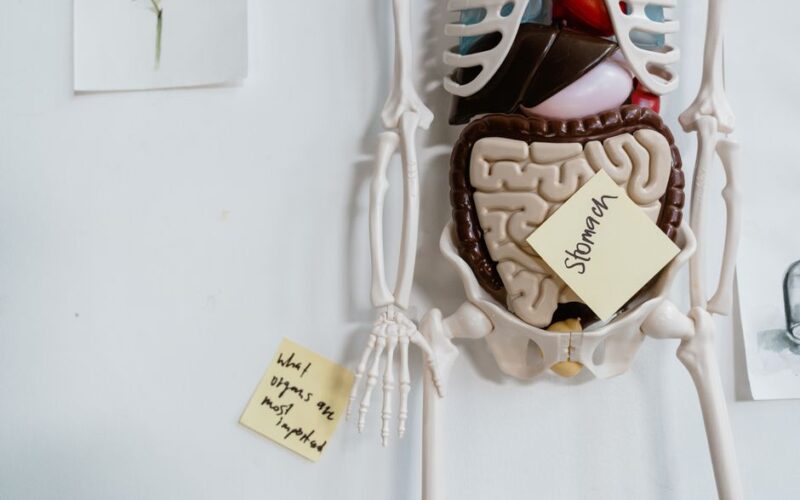


Loss changes everything at once. You may already know grief takes a toll on your emotions, but the physical side often catches people completely off guard. Your sleep fragments for no clear reason. You forget to eat, or you eat constantly and still feel empty. Simple tasks drain you as if you ran a marathon. Your body, in its own way, is grieving too.
This article follows three composite reader experiences that reflect patterns commonly reported during bereavement. It explains what research says about grief and physical health, and offers practical, evidence-informed ways to support your body when loss disrupts your normal rhythms.

Three Readers, Three Ways Grief Hit the Body
Reader One: The Sleep That Would Not Come
Dana, 41, lost her mother after a long illness. Even though she had months to prepare emotionally, her sleep collapsed within days of the funeral. She would fall asleep quickly from exhaustion, then wake at 2 or 3 a.m. with her mind racing, unable to return to sleep until dawn.
This pattern is widely recognized. Research published in Sleep Medicine Reviews describes hyperarousal of the nervous system as a defining feature of grief-related insomnia. The body stays on alert even after the immediate crisis has passed, keeping cortisol elevated and suppressing the natural drop in core temperature that supports deep sleep. Dana was not failing at self-care. Her nervous system was responding exactly as it was built to respond to significant loss.
Small adjustments helped her over several weeks: keeping a consistent wake time even on hard mornings, reducing screen exposure after 8 p.m. (for context on why screens matter, see Digital Wellness and Evening Habits), and drinking a chamomile or valerian herbal blend before bed. She still woke some nights, but the 2 a.m. sessions gradually shortened.
Reader Two: The Appetite That Went Missing
Marcos, 58, lost his wife unexpectedly. In the weeks that followed he simply forgot to eat. He would look at a full plate and feel nothing. His energy tanked, he lost noticeable muscle, and his doctor flagged a drop in his immune markers at a routine check.
This is not unusual. Acute grief activates the stress response and suppresses the hormones that normally signal hunger, particularly ghrelin and leptin. A review in Psychosomatic Medicine notes that bereaved individuals show measurable changes in immune function, including reduced natural-killer-cell activity, which can increase susceptibility to illness.
Marcos was not being negligent. His body was channeling its resources toward emotional processing. What helped him was lowering the barrier to eating: keeping boiled eggs, nut butter packets, Greek yogurt, and pre-sliced fruit visible and accessible. High-protein, low-effort options supported his muscle and immune function without requiring him to feel hungry first. Over time his appetite returned, though unevenly, and he found that eating with a neighbor two or three evenings per week made food feel less mechanical.
Reader Three: The Energy That Would Not Recover
Priya, 34, lost a close friend to cancer. Her grief was complicated by guilt and the sense that her loss was somehow less legitimate than a family member’s would be. Physically, she experienced crushing fatigue, persistent tension headaches, and a noticeable drop in her workout recovery. Walks that used to energize her left her feeling worse.
This experience reflects what researchers sometimes call “grief fatigue,” driven by the inflammatory response that accompanies prolonged psychological stress. A 2019 analysis in Brain, Behavior, and Immunity found that bereavement elevates pro-inflammatory cytokines, which can produce fatigue, aches, and reduced exercise tolerance.
Priya scaled back her workouts significantly and replaced hard sessions with gentle walking. The science on low-intensity movement and mood regulation supported this instinct. A 20-minute walk can lower cortisol and improve mood without overtaxing a fatigued system. For readers in similar positions, walking for stress relief and mood offers a structured beginner-friendly plan. Priya also found short breathwork sessions useful for resetting her nervous system without requiring much physical energy. Building emotional resilience through breathwork explores this approach in more depth.

What the Research Actually Says
The experiences above are not anecdotal outliers. The biology of grief is well established:
- Sleep architecture changes. Bereaved individuals spend less time in restorative slow-wave sleep and more time in lighter stages, according to studies reviewed by the American Academy of Sleep Medicine.
- Immune suppression is measurable. The National Institute on Aging has published guidance acknowledging that grief and caregiving stress affect immune function, cardiovascular markers, and inflammatory responses.
- Appetite dysregulation is common in both directions. Some people lose interest in food entirely; others eat compulsively for comfort. Both responses reflect the same stress-hormone disruption. For a closer look at how emotional states drive food choices, emotional hunger vs. boredom eating covers this with practical awareness strategies.
- Recovery takes longer than most people expect. Physical symptoms often persist for months. This does not indicate weakness or a clinical problem requiring intervention in most cases, though persistent or severe symptoms always warrant a conversation with a qualified healthcare professional.

Practical Ways to Support Your Body While Grieving
These are not prescriptions. They are gentle tools that may help you function a little better while your system recalibrates.
For sleep: Keep your wake time consistent even when nights are broken. A small protein-rich snack before bed (a spoonful of almond butter, a few slices of turkey) may reduce overnight waking driven by blood sugar dips. Limit alcohol, which fragments sleep architecture even when it feels sedating.
For appetite: Remove the pressure to eat full meals. Nutrient-dense, easy-to-grab foods reduce the decision burden. Prioritize protein and vegetables when you do eat, because both support immune function and energy stability. Eating with another person, even occasionally, lowers the emotional friction around food.
For energy: Match your movement to your actual capacity. Gentle walking, stretching, and slow yoga-style movements may support mood and reduce inflammation without depleting a system that is already under stress. Rest is not the same as giving up.
For emotional support: Grief has a spiritual and meaning-making dimension that is real regardless of your beliefs. Spiritual wellness and physical health explores how purpose and meaning connect to physical outcomes, and may offer a useful frame for processing loss more holistically.

A Note on When to Seek Support
Physical symptoms that persist beyond several months, or that include significant weight change, chest pain, prolonged immune illness, or thoughts of self-harm, deserve professional attention. A qualified healthcare professional can assess whether what you are experiencing reflects normal bereavement physiology or something that needs direct treatment. A licensed mental-health professional who specializes in grief can also make a meaningful difference.

Moving Forward, One Small Step at a Time
Grief is not a problem to be fixed. Your body is not broken. It is responding to real loss in the way human bodies are designed to respond. The goal is not to rush through the process but to give your system enough support that it can do what it needs to do.
Choose one small, realistic action from this article today. It might be setting a consistent wake time, keeping protein-rich foods accessible, or taking a 15-minute walk three times this week. Consistent small actions are more sustainable than waiting until you feel ready for a full routine again.
For more practical, compassionate wellness guidance delivered weekly, consider joining the Clean Body Mentor newsletter.
Sources
- Reynolds, C. F., & Monk, T. H. Sleep disturbances in bereavement. Sleep Medicine Reviews (general reference, no fabricated DOI).
- Buckley, T., et al. Psychological and physiological features of grief. Psychosomatic Medicine, multiple reviews.
- Fagundes, C. P., et al. Bereavement and inflammation. Brain, Behavior, and Immunity, 2019.
- National Institute on Aging. “Mourning the Death of a Spouse.” NIH, updated guidance available at nia.nih.gov.
- American Academy of Sleep Medicine. Clinical resources on insomnia and hyperarousal.
This article is for general educational and informational purposes only and is not a substitute for medical advice, diagnosis, or treatment. Health needs vary by individual. Consult a qualified healthcare professional before making significant changes to your diet, exercise routine, supplements, medication, or treatment plan, especially if you have a medical condition, are pregnant or breastfeeding, take medication, or have concerns about your symptoms.