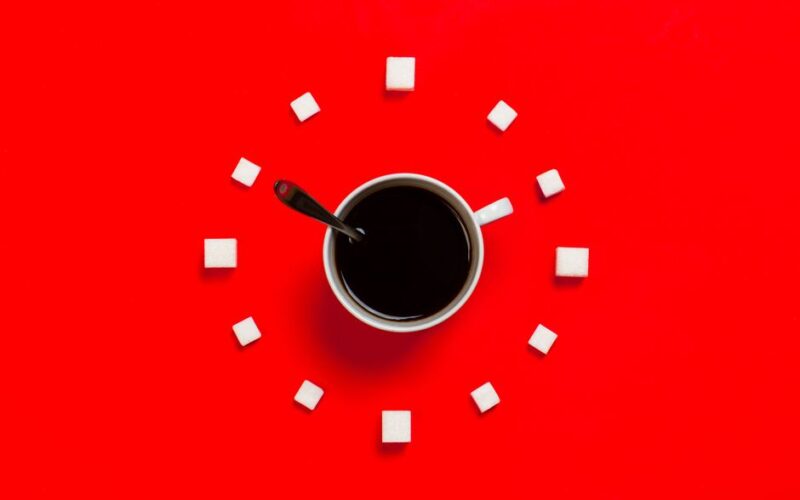


You already know that what you eat influences your health. But the when often gets overlooked, and it may be just as important for keeping your hormones steady, your energy consistent, and your mood resilient.
Nutrient timing for hormonal balance is not about rigid meal schedules or obsessing over the clock. It is about understanding how your body’s internal rhythms respond to food, and making a few practical adjustments that compound over time.

How Your Hormones Respond to Meal Timing
Your endocrine system runs on a roughly 24-hour cycle, synchronized by light, sleep, and food intake. Three hormones are especially sensitive to when you eat:
- Cortisol peaks naturally in the morning to fuel alertness. Eating a balanced breakfast within one to two hours of waking aligns with this peak and helps cortisol taper appropriately through the day. Skipping breakfast or eating very late at night can prolong cortisol elevation in the evening, which research published in Obesity Reviews links to disrupted sleep and increased appetite.
- Insulin is most sensitive in the morning and early afternoon. Consuming larger, carbohydrate-containing meals earlier in the day tends to produce a more moderate insulin response compared to eating the same meal late at night, according to a 2019 controlled study in Diabetologia.
- Reproductive hormones including estrogen and progesterone are supported by steady blood sugar. Erratic meal timing drives glucose swings that strain the hypothalamic-pituitary-adrenal axis, potentially disrupting the hormonal signaling that governs your menstrual cycle, energy, and mood.
For a deeper look at how timing shapes energy and mood throughout the day, the Clean Body Mentor guide on Meal Timing and Digestion: Why When You Eat Affects How Your Body Processes Food and Energy is a solid companion read.

Distribute Protein Across Your Day, Not Just at Dinner
Most people eat the majority of their protein at dinner. Research suggests this is a missed opportunity. A 2014 study in the Journal of Nutrition found that spreading protein evenly across three meals, roughly 25 to 30 grams per meal, stimulates muscle protein synthesis more effectively than a back-loaded pattern.
Beyond muscle, consistent protein intake helps regulate ghrelin (the hunger hormone) and peptide YY (a satiety signal), which means you are less likely to experience the mid-afternoon energy crashes and cravings that can derail your intentions.
Practical starting points:
- Breakfast: Two eggs with Greek yogurt, or a smoothie with a scoop of protein powder and hemp seeds.
- Lunch: A palm-sized portion of fish, chicken, legumes, or tofu alongside fiber-rich vegetables.
- Dinner: A moderate protein portion, with most of your complex carbohydrates if your goal is recovery from exercise.
If you exercise in the morning, Strength Training Recovery Nutrition: What to Eat After Your Workout for Muscle Repair covers exactly how to structure that post-workout window.
For women over 40 navigating shifting hormone levels, Meal Timing for Women Over 40: How Nutrient Timing and Protein Distribution Support Metabolism, Mood, and Energy offers age-specific guidance that builds on these principles.

Macronutrient Sequencing: The Order on Your Plate
The sequence in which you eat different components of a meal has a measurable effect on post-meal glucose and insulin levels. A 2015 study in Diabetes Care found that eating protein and vegetables before carbohydrates reduced post-meal glucose by up to 37 percent compared to eating carbohydrates first.
This matters for hormonal balance because lower glucose spikes mean more stable insulin, which in turn supports steadier cortisol and reduces the hormonal volatility that can show up as irritability, brain fog, or intense cravings.
A simple framework to practice:
- Start with vegetables or a small salad (fiber slows glucose absorption).
- Eat your protein next.
- Finish with starchy carbohydrates or fruit.
This does not require eating separate courses. It simply means reaching for the broccoli before the rice when your plate is in front of you. The Clean Body Mentor article on Protein Sequencing for Stable Blood Sugar: Why the Order You Eat Your Meal Matters goes into further detail if you want the evidence behind this approach.

Aligning Your Eating Window With Your Body’s Rhythms
You do not need to follow a rigid intermittent fasting protocol to benefit from eating-window awareness. Research in Cell Metabolism and related circadian biology suggests that concentrating most of your caloric intake within a 10-to-12-hour daytime window, stopping eating two to three hours before bed, supports healthier cortisol rhythms, better sleep quality, and more favorable metabolic markers.
Eating late at night pushes insulin and cortisol in directions that can interfere with melatonin release and the overnight tissue repair your body depends on. If evening snacking is a pattern for you, the Emotional Eating vs. Physical Hunger: Building Awareness and Self-Compassion When Cravings Hit guide offers compassionate, practical strategies for distinguishing genuine hunger from stress-driven eating.

What This Looks Like on a Real Day
Here is one evidence-informed framework you can adapt to your own schedule:
| Time | Meal Focus | Hormonal Goal |
|---|---|---|
| 7-9 AM | Protein-rich breakfast with some fat | Support cortisol taper, stabilize ghrelin |
| 12-1 PM | Balanced lunch: protein, fiber, moderate carbs | Sustain insulin sensitivity |
| 3 PM | Optional small snack: protein plus fiber | Prevent glucose crash, reduce cortisol spike |
| 6-7 PM | Moderate dinner with recovery carbs | Support muscle repair, wind down |
| Stop eating | Two to three hours before bed | Protect melatonin, support sleep |
This structure is flexible, not prescriptive. Shift workers, breastfeeding parents, and people with specific medical conditions will need to adapt it with support from a registered dietitian or qualified healthcare professional.

One Step to Start With
If you make one change this week, consider distributing your protein more evenly across three meals rather than concentrating it at dinner. This single shift can improve satiety signals, reduce afternoon cravings, and gradually support more stable cortisol and blood sugar patterns.
From there, you might try eating vegetables and protein before your carbohydrates at lunch for a few days and noticing how your energy and mood respond after the meal. Small, consistent changes tend to produce more durable hormonal benefits than dramatic overhauls.
For practical weekly guidance on evidence-informed habits like these, the Clean Body Mentor newsletter is a good way to stay on track without feeling overwhelmed.
This article is for general educational and informational purposes only and is not a substitute for medical advice, diagnosis, or treatment. Health needs vary by individual. Consult a qualified healthcare professional before making significant changes to your diet, exercise routine, supplements, medication, or treatment plan, especially if you have a medical condition, are pregnant or breastfeeding, take medication, or have concerns about your symptoms.

Sources
- Garaulet, M., et al. “Timing of food intake predicts weight loss effectiveness.” International Journal of Obesity, 2013.
- Jakubowicz, D., et al. “High caloric intake at breakfast vs. dinner differentially influences weight loss.” Obesity, 2013.
- Shukla, A., et al. “Food Order Has a Significant Impact on Postprandial Glucose and Insulin Levels.” Diabetes Care, 2015.
- Areta, J., et al. “Timing and distribution of protein ingestion during prolonged recovery from resistance exercise.” Journal of Physiology, 2013.
- Sutton, E., et al. “Early Time-Restricted Feeding Improves Insulin Sensitivity.” Cell Metabolism, 2018.
- Poggiogalle, E., et al. “Circadian regulation of glucose, lipid, and energy metabolism in humans.” Metabolism, 2018.