

Afternoon hunger hits, and the easiest answers tend to come in wrappers. Protein bars, shakes, and powder-loaded smoothies dominate the snack conversation, but they are not your only option, and often not the best one for lasting fullness.
The real solution to staying satisfied on a plant-based diet comes down to understanding how protein, fiber, and fat work together. Research published in The American Journal of Clinical Nutrition consistently shows that higher-protein snacks reduce appetite and subsequent calorie intake compared to lower-protein alternatives. When you pair plant protein with fiber-rich whole foods and a small amount of healthy fat, you create a snack that works with your hunger hormones instead of against them.
If afternoon cravings are a persistent pattern for you, it may also help to understand what is driving them. Afternoon Hunger vs. Blood Sugar Crashes: Why You Crave Snacks at 3pm and How to Stop It unpacks the physiology behind that mid-afternoon wall.
Here are five plant-based high-protein snacks built from whole foods, with practical notes on why each one actually works.
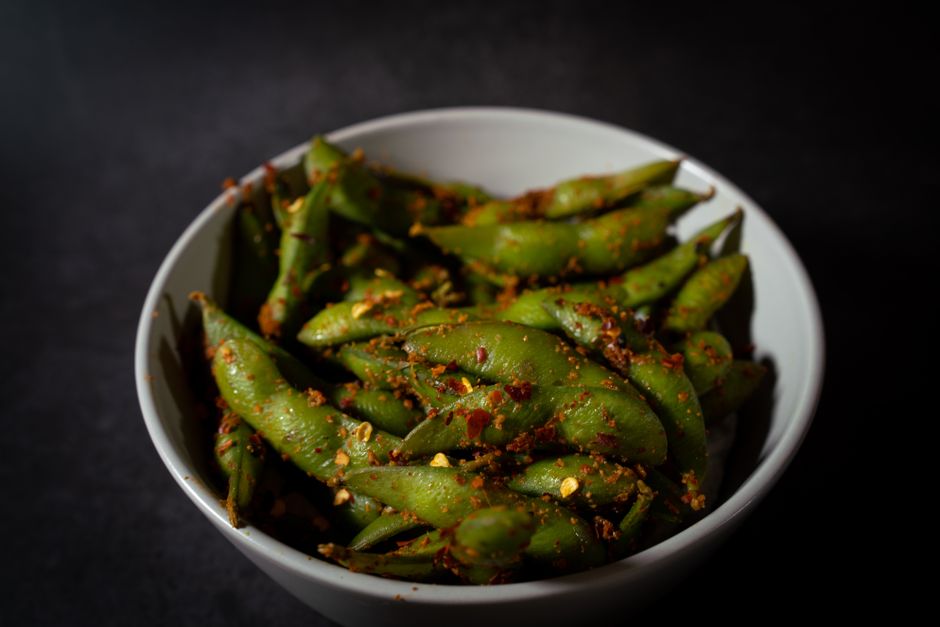
1. Edamame with Lemon and Flaky Salt
Frozen edamame might be the most underrated plant-based high-protein snack in whole foods eating. A one-cup serving of shelled edamame delivers around 17 grams of protein along with 8 grams of fiber, making it one of the few plant foods that qualifies as a complete protein source (meaning it contains all nine essential amino acids).
Preparation takes under five minutes: microwave frozen edamame, squeeze on fresh lemon juice, and sprinkle with flaky salt. The fiber slows gastric emptying, and the protein activates satiety signals in the gut and brain. No assembly required beyond a bowl.
Why it works: Protein and fiber together slow digestion and blunt the blood sugar response that leads to energy crashes an hour after snacking.
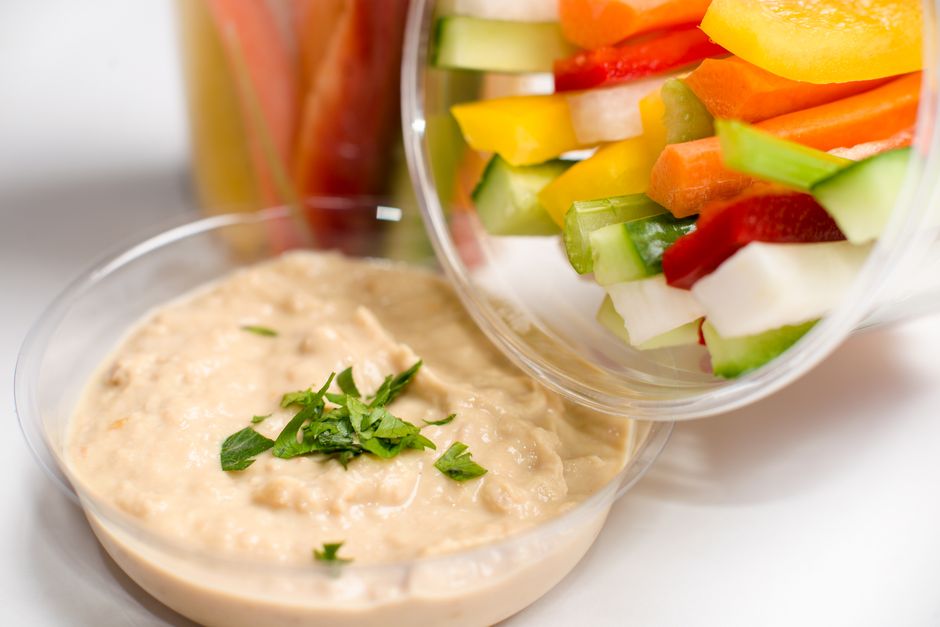
2. Hummus with Roasted Chickpeas and Raw Vegetables
Hummus is made from chickpeas and tahini, both of which contribute protein and healthy fat. Two tablespoons of hummus offers about 2 to 3 grams of protein, but when you pair it with a quarter cup of roasted chickpeas (roughly 7 grams of additional protein) and raw vegetables like cucumber, bell pepper strips, or carrots, the combination adds up meaningfully.
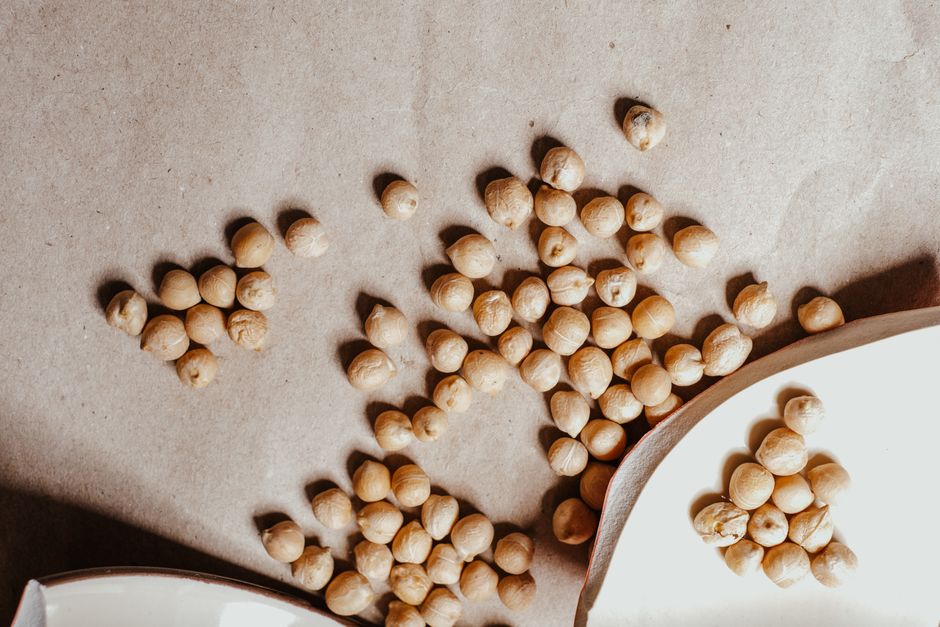
Roasted chickpeas are easy to make ahead: rinse canned chickpeas, dry them thoroughly, toss with olive oil and spices, and roast at 400 degrees Fahrenheit for about 25 to 30 minutes until crispy. They keep in an airtight container for several days and hold up better than crackers when paired with dip.
For more ideas on how fiber-dense whole foods support satiety at snack time, High-Fiber Snacks That Actually Keep You Full: Choosing and Pairing Foods for Sustained Satiety is a solid companion read.
Why it works: Chickpeas provide both protein and resistant starch, which research suggests may help regulate blood sugar and support gut health (Harvard T.H. Chan School of Public Health, The Nutrition Source).
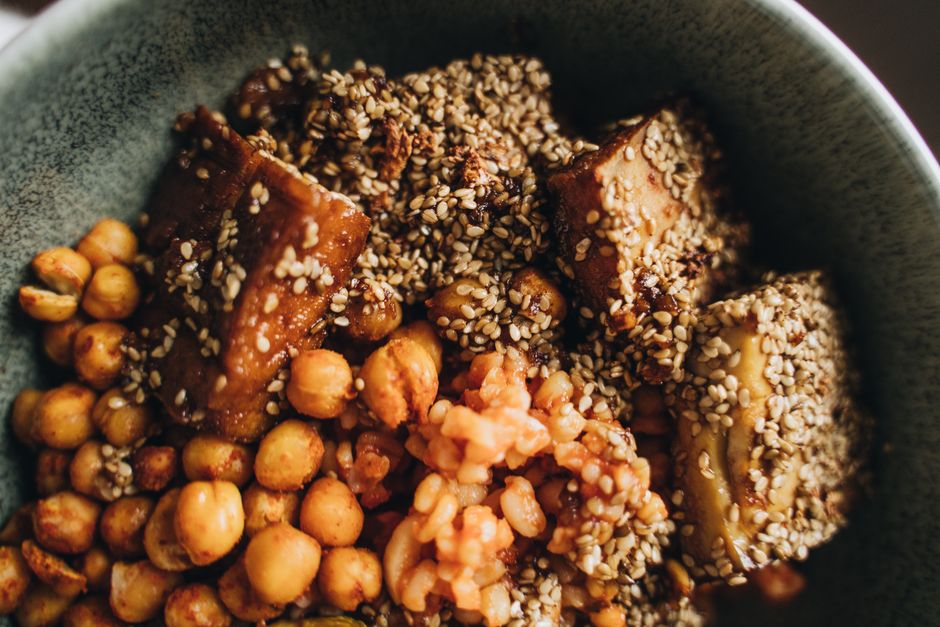
3. Cottage-Style Tofu Bowl with Seeds and Cucumber
Firm tofu crumbled to a cottage-cheese-like texture is one of the most protein-dense plant-based high-protein snack options you can make from whole foods. A half cup of firm tofu provides around 10 grams of protein. Add one tablespoon of hemp seeds (about 3 grams more protein) and a tablespoon of pumpkin seeds, and you are looking at a snack with 15 or more grams of protein before you even account for the cucumber.
Season the tofu with a pinch of salt, a splash of rice vinegar, and a drizzle of sesame oil. This takes about three minutes to prepare and refrigerates well for two days.
Hemp seeds and pumpkin seeds both contribute plant-based omega-3 fatty acids and magnesium alongside their protein content, making this bowl genuinely nutrient-dense rather than just calorie-dense.
Why it works: Tofu is another complete protein source. The added seeds provide fat, which slows gastric emptying and lengthens your window of fullness.
4. Lentil Dip with Whole-Grain Crackers or Sliced Apples
Cooked red lentils blended with garlic, cumin, olive oil, and lemon juice make a creamy, scoopable dip that is easy to batch-prep on a Sunday. A half cup of cooked lentils contains about 9 grams of protein and 8 grams of fiber, numbers that rival most commercial protein bars without the ingredient list.
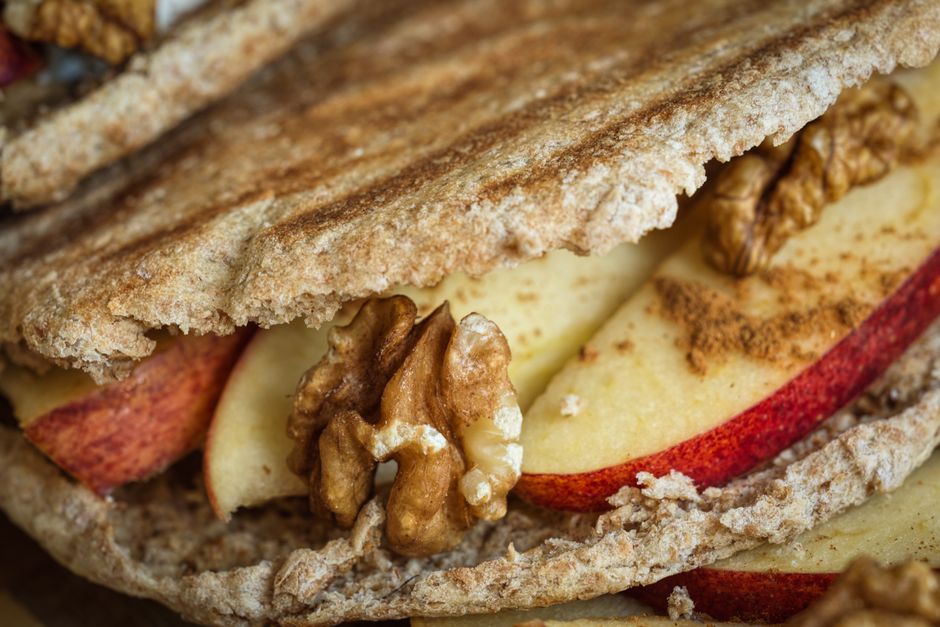
Pair the dip with whole-grain seed crackers for a savory snack, or try it with sliced apple if you prefer something with a hint of sweetness. The apple adds pectin, a soluble fiber that research suggests may help slow glucose absorption.
If you are building out a broader plant-based eating approach, Five Plant-Based Breakfast Combos That Stabilize Blood Sugar Without Meat or Eggs extends these same pairing principles into your morning routine.
Why it works: Lentils are among the highest-protein legumes available and provide iron, folate, and potassium alongside their macronutrient contribution (USDA FoodData Central).
5. Greek-Style Coconut Yogurt Parfait with Hemp Seeds and Berries
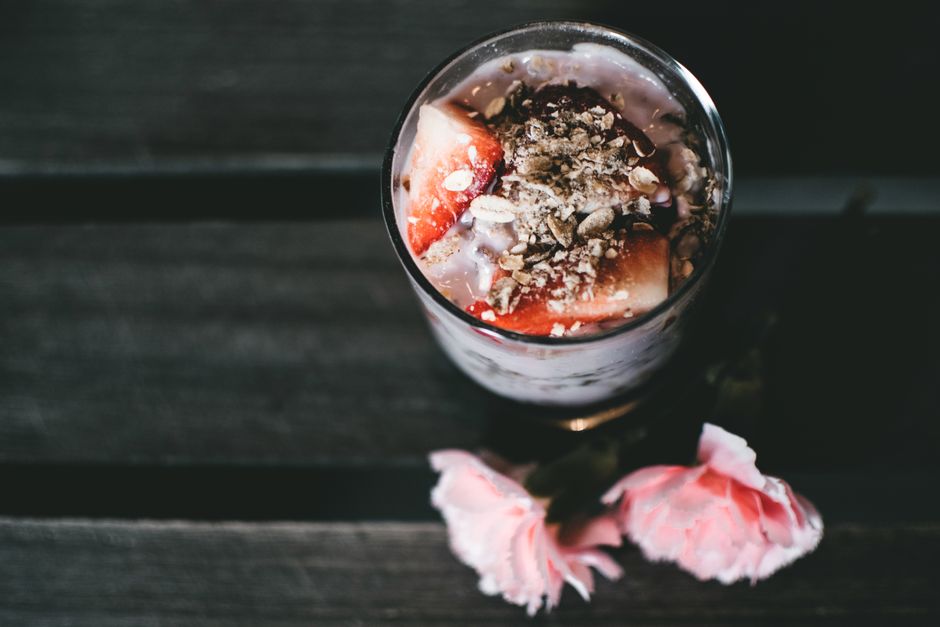
Coconut-based or soy-based plain yogurt with a thick, strained texture can work similarly to dairy Greek yogurt when chosen carefully. Look for unsweetened varieties with at least 5 to 6 grams of protein per serving, then add two tablespoons of hemp seeds (an additional 6 grams of protein) and a handful of fresh or frozen berries for fiber and antioxidants.
The berries also contribute polyphenols. Early research in journals including Nutrients suggests polyphenol-rich foods may support gut microbiome diversity, though this area of research is still developing.
If the idea of building fullness into every eating occasion throughout your day interests you, Protein Timing Across Your Day: How Breakfast, Lunch, Dinner, and Snacks Shape Hunger and Energy Better Than Total Intake offers a practical framework.
Why it works: The protein-fat-fiber triple from yogurt, hemp seeds, and berries creates sustained satiety without a blood sugar spike, and the flavor profile makes it genuinely enjoyable enough to repeat.
Putting It Into Practice
You do not need all five of these snacks in your weekly rotation. Picking one and making it consistently is more useful than cycling through novelty. Choose whichever option fits your prep time and taste preferences, stock the ingredients when you grocery shop, and make it your default when afternoon hunger arrives.
If you want a more structured approach to snacking across the week, How to Build a High-Protein Snack Rotation That Fits Your Real Life walks through the logistics of planning without overcomplicating it.
Small, repeatable habits tend to produce more lasting results than elaborate strategies you follow for a week. Choose one snack, try it this week, and notice how it affects your energy and hunger between meals.
This article is for general educational and informational purposes only and is not a substitute for medical advice, diagnosis, or treatment. Health needs vary by individual. Consult a qualified healthcare professional before making significant changes to your diet, exercise routine, supplements, medication, or treatment plan, especially if you have a medical condition, are pregnant or breastfeeding, take medication, or have concerns about your symptoms.
Sources
- Leidy, H.J. et al. (2015). The role of protein in weight loss and maintenance. The American Journal of Clinical Nutrition. Published by Oxford University Press on behalf of the American Society for Nutrition.
- Harvard T.H. Chan School of Public Health. The Nutrition Source: Chickpeas (Garbanzo Beans). hsph.harvard.edu/nutritionsource
- USDA FoodData Central. Lentils, mature seeds, cooked, boiled, without salt. fdc.nal.usda.gov
- Nataraj Rathinam, M. et al. (2023). Dietary polyphenols and the gut microbiome. Nutrients. Published by MDPI.