
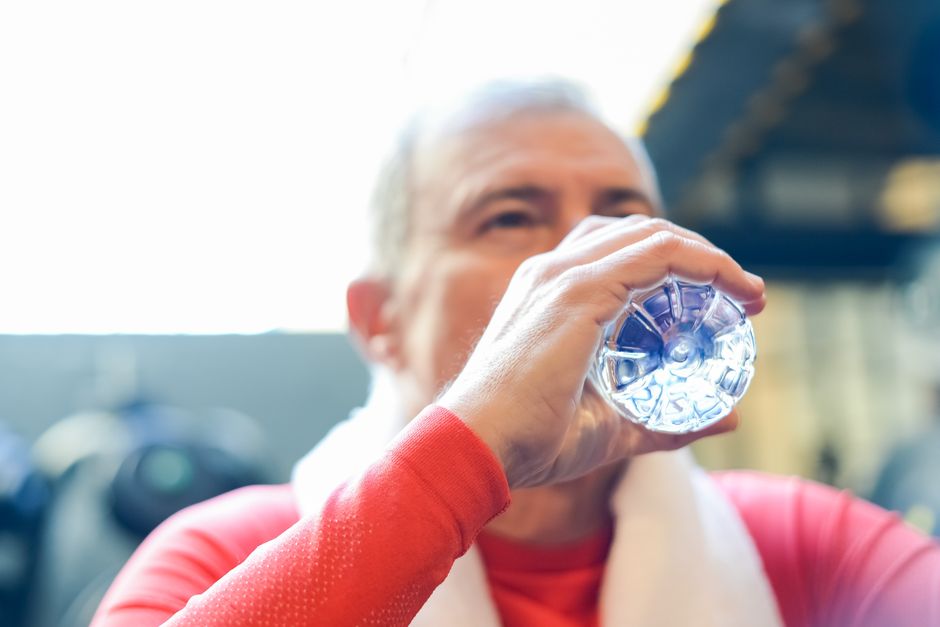
You probably already know you should drink more water. But if you are heading into a workout under-hydrated or sipping randomly without intention, you may be leaving real performance and recovery gains on the table.
Hydration timing workouts is not about obsessing over every ounce. It is about building a simple rhythm that keeps your body fueled, reduces fatigue, and speeds up recovery. Here is a practical breakdown of when to drink, how much to aim for, and what to watch for.
Why Timing Your Water Intake Around Exercise Actually Matters
Water is involved in nearly every process your body uses during physical activity: regulating temperature through sweat, delivering oxygen-rich blood to working muscles, lubricating joints, and clearing metabolic waste. Even mild dehydration of around 2% of body weight loss can measurably reduce endurance, concentration, and strength output, according to research summarized by the American College of Sports Medicine.
The catch is that thirst often lags behind actual fluid needs, especially during moderate-intensity exercise in warm conditions. By the time you feel thirsty mid-workout, you may already be slightly behind. This is why proactive hydration timing matters more than simply drinking when you feel like it.
For a broader look at how water timing interacts with your overall body function, Hydration Myths vs. Facts: When Water Timing Actually Affects Digestion, Mood, and Bloating is a helpful companion read.
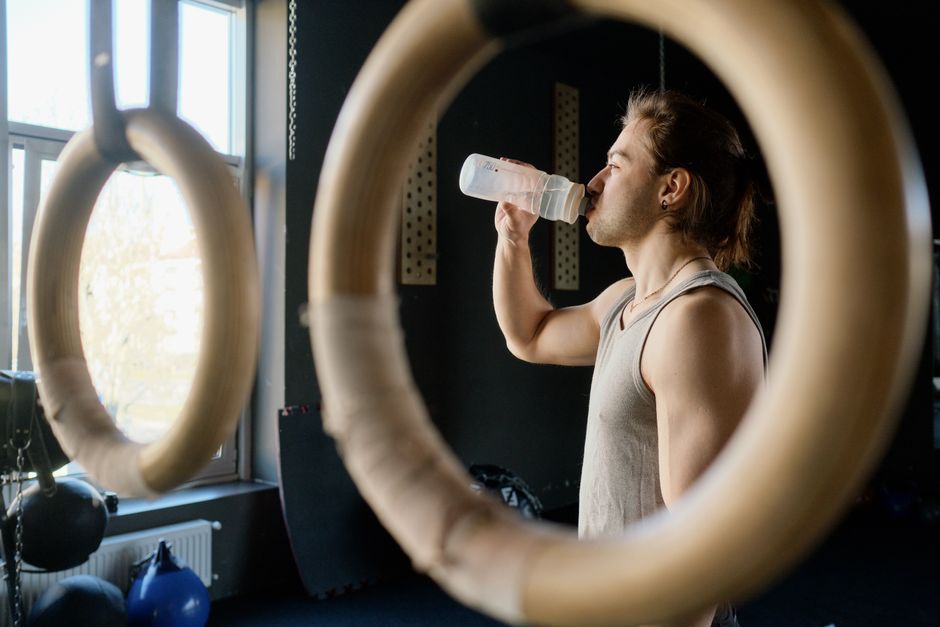
Before Your Workout: Build Your Baseline
The goal before exercise is to start well-hydrated, not to chug a large amount of water immediately before you begin. Arriving thirsty to a workout is a disadvantage you cannot fix in five minutes.
Two to three hours before: Aim for about 17 to 20 ounces (roughly 500 to 600 ml) of water with your pre-workout meal or snack. This gives your body time to absorb fluids and excrete any excess before you move.
Twenty to thirty minutes before: A smaller top-up of around 8 ounces (about 240 ml) can help, especially if it is warm or you tend to sweat heavily. Keep it modest so you do not feel sloshy or uncomfortable during movement.
If you are also figuring out what to eat before training, Should You Eat Before or After Your Morning Workout? A Practical Comparison for Energy, Performance, and Goals walks through the food side of this timing question.
A practical signal: your urine color is a reliable low-tech marker. Pale yellow (similar to lemonade) suggests good hydration. Dark yellow or amber is a sign to drink more before you start.
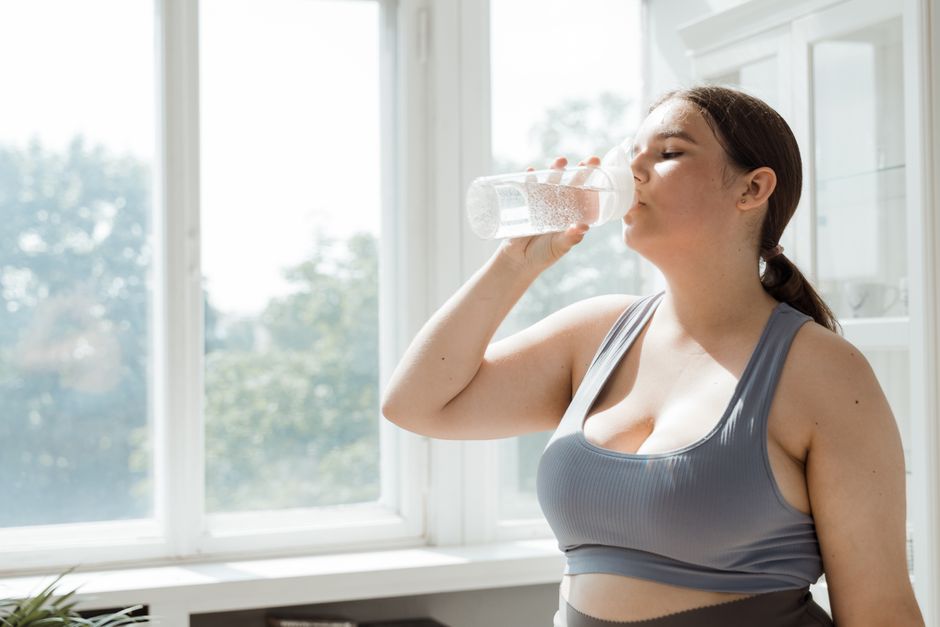
During Your Workout: Steady Sips, Not Gulps
During exercise, the goal shifts to replacing sweat losses without overloading your stomach.
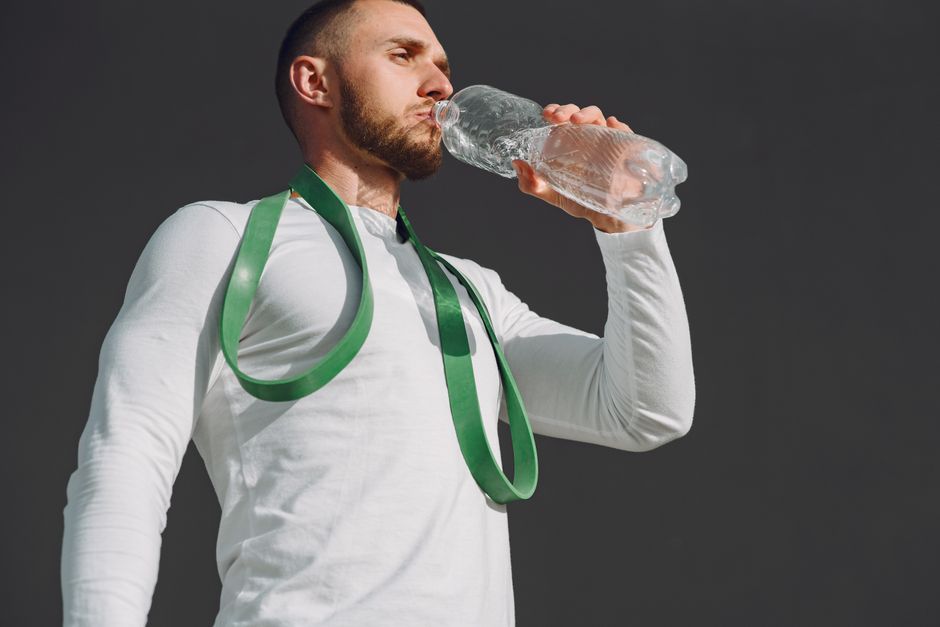
For sessions under 60 minutes: Plain water is almost always enough. Aim for 4 to 8 ounces (about 120 to 240 ml) every 15 to 20 minutes. Adjust based on how much you sweat and how warm the environment is.
For sessions lasting 60 to 90 minutes or longer: Sodium and electrolytes become more important, particularly if you are sweating heavily. A drink containing modest sodium (not high-sugar sports drinks unless you genuinely need the calories) can help maintain fluid balance and prevent hyponatremia, a rare but real risk of drinking too much plain water during very long sessions.
Beginner modification: If you are new to tracking this, start simple. Keep a water bottle nearby and take a few sips every 15 minutes without waiting to feel thirsty. You do not need a formula on day one.
For readers focused on strength training specifically, Hydration and Athletic Performance: How Water Intake Shapes Strength Training Results and Recovery goes deeper on how hydration affects lifting performance and muscle repair.
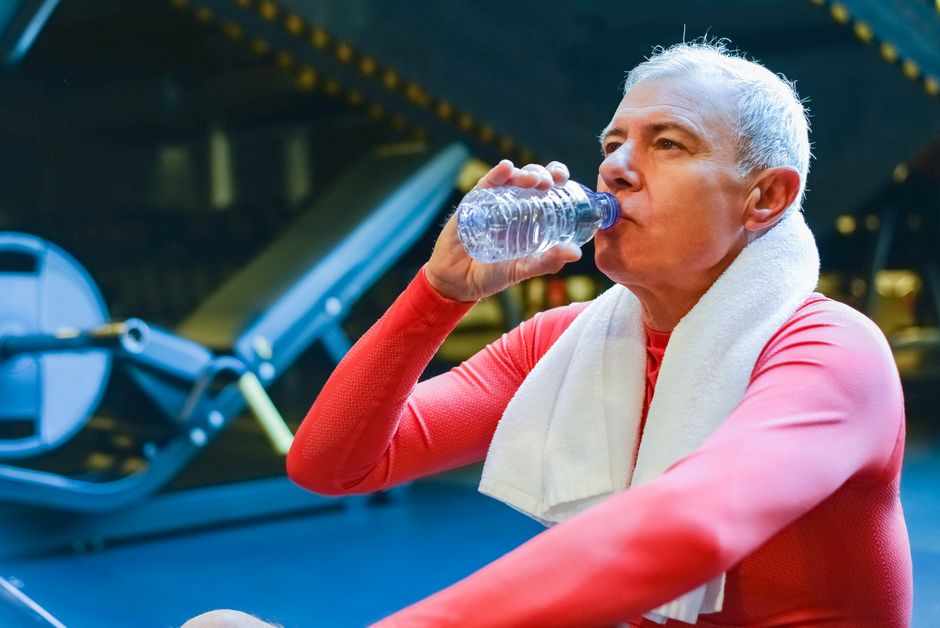
After Your Workout: Rehydrate and Rebuild
Post-workout hydration is where many people underestimate their needs. Sweat losses during a moderate session can range from 16 to 48 ounces depending on intensity, duration, and body size.
The practical target: For every pound of body weight lost during exercise (which is mostly water weight), drink approximately 16 to 24 ounces of fluid over the next few hours. You do not need to weigh yourself unless you are training at a high level and want precision. A simpler approach: drink steadily for the two hours following your workout and check that your urine returns to a pale yellow within that window.
Pair hydration with recovery nutrition. Fluids alone do not complete recovery. Your muscles also need protein and carbohydrates to repair and replenish glycogen. Strength Training Recovery Nutrition: What to Eat After Your Workout for Muscle Repair covers the food side of this equation in practical detail.
Avoid large, rapid fluid intake all at once. Spacing rehydration over one to two hours is better absorbed and less likely to cause bloating or GI discomfort.
Adjusting for Real Life and Intensity
Hydration timing workouts is not a rigid protocol. Your needs shift depending on:
- Exercise intensity: A 20-minute walk needs far less attention than a 60-minute HIIT session or a long run.
- Climate and environment: Heat and humidity increase sweat rates significantly. Indoor air conditioning reduces them.
- Your own sweat rate: Some people are heavy sweaters regardless of effort level. If your clothes are consistently soaked, lean toward the higher end of fluid recommendations.
- Caffeine and alcohol: Both can increase urinary fluid losses. If you have caffeine before a workout, account for that in your pre-exercise hydration. Caffeine and Sleep Quality: The Timing Window That Protects Your Rest Without Sacrifice is worth reading if caffeine timing is already part of your daily routine.
For most moderate workouts (30 to 45 minutes, indoors, moderate sweat), simply drinking about 8 ounces before, sipping during, and drinking another 16 to 24 ounces after will cover the basics without needing a stopwatch.
A Simple Daily Framework
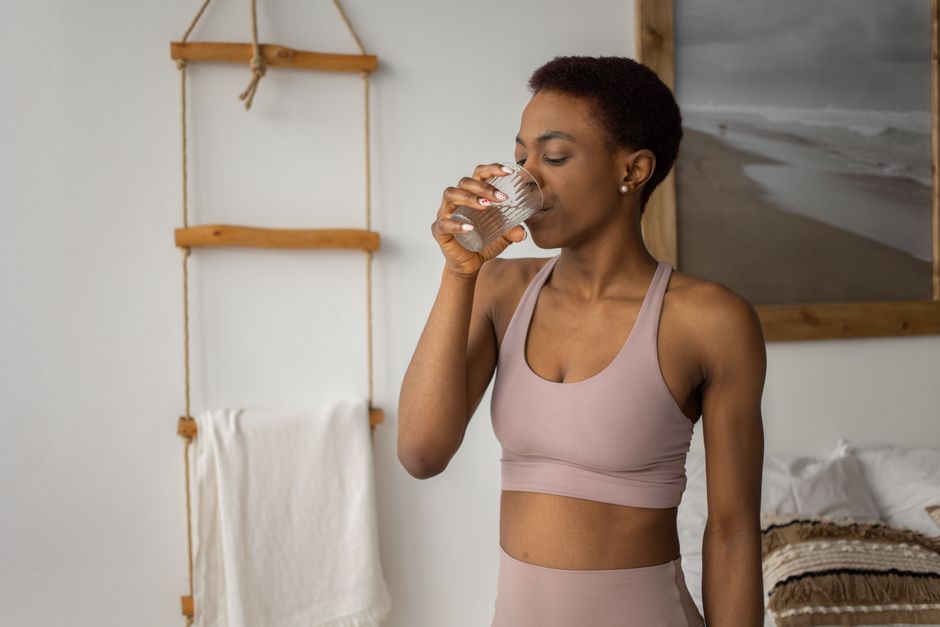
Rather than tracking every ounce, try building hydration into your existing schedule:
- Morning: Start with 12 to 16 ounces when you wake up. This replaces overnight losses and supports your digestive system before the day begins.
- Pre-workout window: Add 8 to 20 ounces in the hour or two before exercise, depending on your session length.
- During: Sip 4 to 8 ounces every 15 to 20 minutes.
- Post-workout: Rehydrate steadily over one to two hours alongside a recovery meal or snack.
- Rest of the day: Continue drinking to maintain pale yellow urine as your guide.
This rhythm supports not just workout performance but also digestion, focus, and energy throughout the day.
Choose one of these windows to focus on this week. If you rarely drink before workouts, start there. If post-workout recovery feels sluggish, add intentional rehydration after your next session and notice how your body responds. Small, consistent changes often produce the most lasting results. For more practical wellness guidance delivered weekly, consider joining the Clean Body Mentor newsletter.
This article is for general educational and informational purposes only and is not a substitute for medical advice, diagnosis, or treatment. Health needs vary by individual. Consult a qualified healthcare professional before making significant changes to your diet, exercise routine, supplements, medication, or treatment plan, especially if you have a medical condition, are pregnant or breastfeeding, take medication, or have concerns about your symptoms.
Sources
- American College of Sports Medicine. Exercise and Fluid Replacement Position Stand. (acsm.org)
- Casa, D.J. et al. “National Athletic Trainers’ Association Position Statement: Fluid Replacement for Athletes.” Journal of Athletic Training, 2000. (PubMed)
- Sawka, M.N. et al. “American College of Sports Medicine Position Stand: Exercise and Fluid Replacement.” Medicine and Science in Sports and Exercise, 2007.