

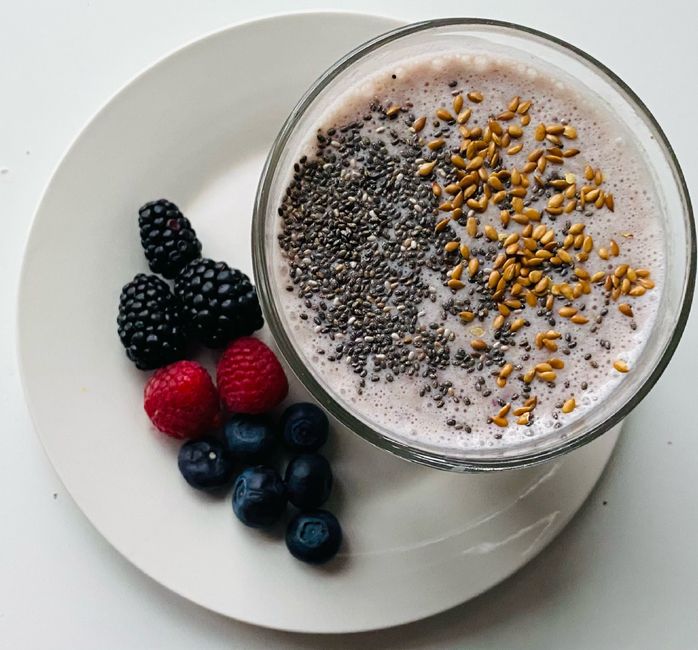
If you have ever eaten a bowl of oatmeal or a slice of toast and found yourself hungry again before 10 a.m., you are not imagining things. Carbohydrates without adequate protein and fat digest quickly, causing blood sugar to rise and then drop, which sends hunger signals rushing back sooner than you expect.
For plant-based eaters, building a high-protein breakfast that actually keeps you full until lunch takes some intentional pairing. The good news is you do not need eggs or meat to do it well. Legumes, seeds, nuts, and whole grains are genuinely capable of delivering the protein and fiber your body needs to hold steady energy through the morning.
Each combo below includes an approximate protein target, a brief note on why the pairing works, and a simple way to get started.
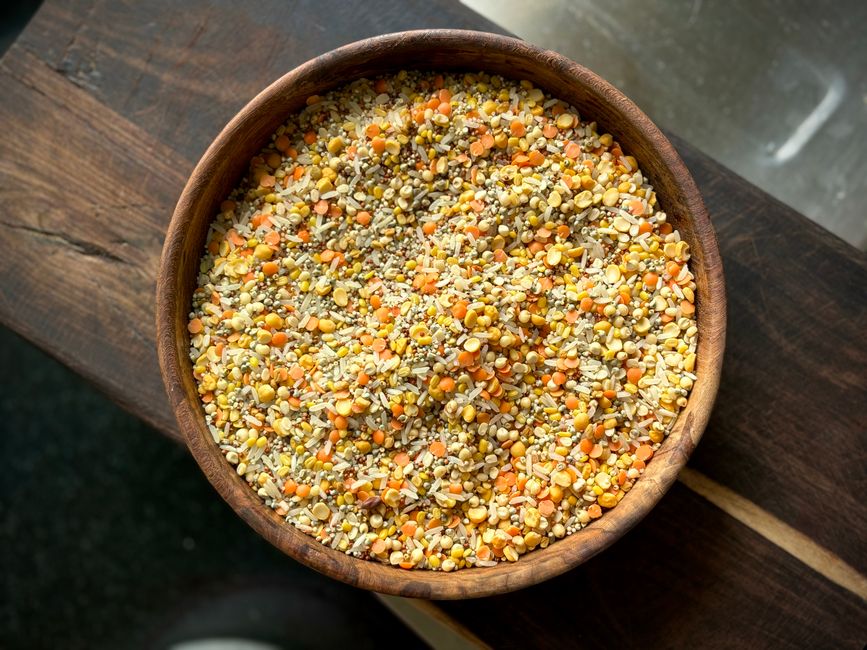
1. Savory Lentil Bowl with Tahini and Hemp Seeds
Approximate protein: 22-25 g
Cooked lentils are one of the most protein-dense plant foods you can eat, providing roughly 18 g of protein per cooked cup according to USDA FoodData Central. Pair them with two tablespoons of tahini (sesame paste, about 5 g protein and a healthy dose of monounsaturated fat) and a tablespoon of hemp seeds (about 3 g protein plus omega-3 fatty acids), and you have a breakfast bowl that covers protein, fiber, and fat all at once.
The fiber in lentils slows glucose absorption, while the fat from tahini further blunts the blood sugar curve. Add sliced cucumber, cherry tomatoes, and a squeeze of lemon for a savory start that feels more like a light lunch, which is exactly the point.
Easy start: Batch-cook lentils on Sunday and portion into jars for the week.

2. High-Protein Smoothie with Edamame, Spinach, and Almond Butter
Approximate protein: 20-24 g
Edamame is an underused smoothie ingredient. Half a cup of frozen shelled edamame delivers around 9 g of complete protein (it contains all nine essential amino acids) and blends surprisingly well with a frozen banana, a large handful of spinach, one tablespoon of almond butter, and unsweetened plant milk. The result is thick, naturally sweet, and filling.
Almond butter contributes roughly 3-4 g of protein per tablespoon along with healthy fat that slows digestion. Spinach adds iron and folate without significantly affecting flavor. If you want to explore how meal composition affects afternoon hunger patterns, this guide on afternoon energy crashes and food pairing explains the connection clearly.
Easy start: Freeze individual smoothie packs in zip-lock bags the night before.
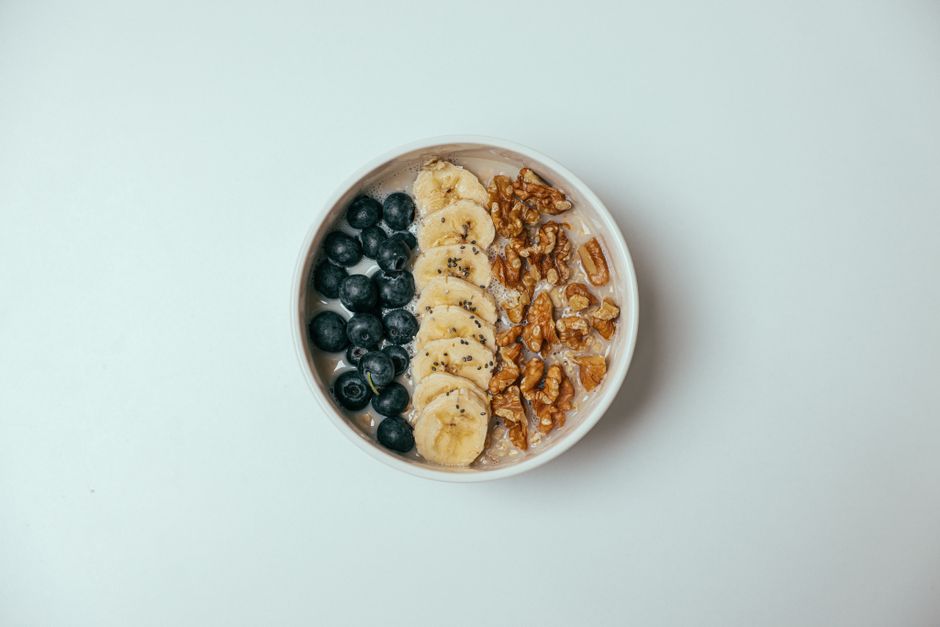
3. Chia Seed Pudding with White Bean Puree and Walnuts
Approximate protein: 16-20 g
This one surprises most people. Two tablespoons of chia seeds provide about 5 g of protein and nearly 10 g of fiber, but the real protein anchor is stirring in two to three tablespoons of pureed white beans (about 5-7 g protein). White beans have a mild, almost neutral flavor that disappears into pudding completely.
Top with a small handful of walnuts (roughly 4 g protein) and a few berries. The soluble fiber in both chia and white beans forms a gel in your digestive tract that slows glucose entry into the bloodstream. Research published in the journal Nutrients (2021) notes that soluble fiber intake is consistently associated with improved postprandial blood sugar control.
If you are new to higher-fiber plant foods and worried about digestive comfort, the practical guide on adding plant-based foods without gas or cramping is worth reading before you dive in.
Easy start: Stir the pudding together the night before and add toppings in the morning.

4. Whole-Grain Toast with Tempeh Crumble and Avocado
Approximate protein: 18-22 g
Tempeh is fermented soy with a firm, crumbly texture and around 15-16 g of protein per 85 g serving (USDA FoodData Central). Crumble it into a dry pan with a pinch of smoked paprika and garlic powder, cook for five to seven minutes until golden, and pile it onto two slices of 100% whole-grain toast.
Add half an avocado for monounsaturated fat and a sprinkle of red pepper flakes if you like heat. Whole-grain bread provides significantly more fiber than refined bread, which supports a more gradual blood sugar rise. The fat and protein from tempeh and avocado together make this a genuinely filling, balanced plant-based high-protein breakfast.
If you want to understand how protein distribution across your day shapes hunger hormones beyond breakfast, protein timing across your day offers a deeper look.
Easy start: Cook a batch of tempeh crumble and refrigerate for up to four days.
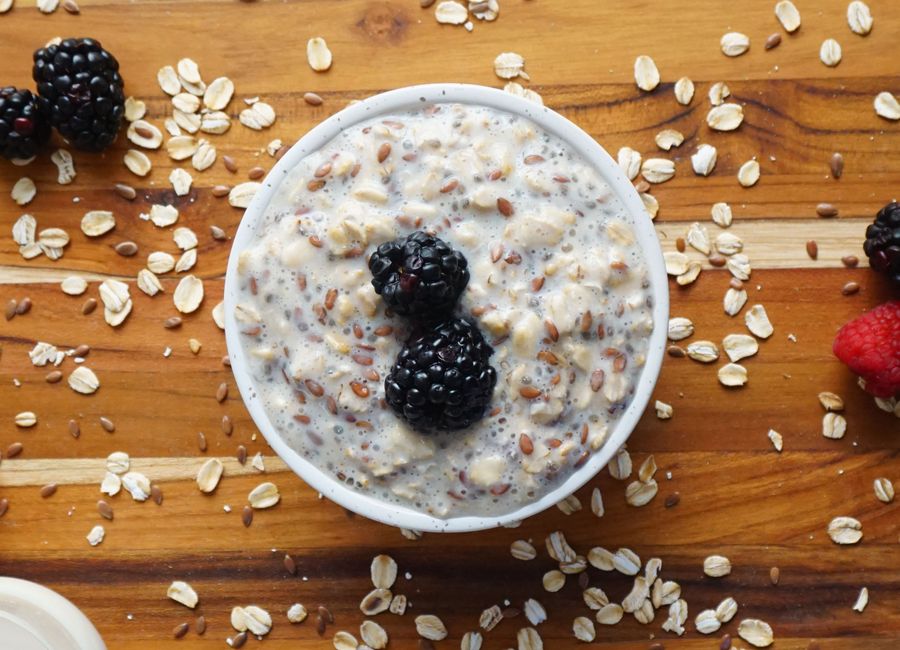
5. Overnight Oats with Pumpkin Seeds, Cottage-Style Soy Yogurt, and Peanut Butter
Approximate protein: 18-22 g
Oats alone are not a high-protein food, but they are an excellent base when you build around them. Use half a cup of rolled oats (about 5 g protein) combined with half a cup of plain soy yogurt (roughly 8-10 g protein), one tablespoon of natural peanut butter (4 g protein), and a tablespoon of pumpkin seeds (about 3 g protein).
Peanut butter adds fat to slow digestion, while pumpkin seeds contribute zinc and magnesium alongside their protein. Soy yogurt made from whole soybeans is one of the most protein-complete plant-based dairy alternatives available. Sweeten lightly with a few blueberries or half a mashed banana rather than added syrups.
Easy start: Assemble in a mason jar the night before and refrigerate overnight.

Why Protein Pairing Matters More Than Single Ingredients
Notice that none of these combos relies on one ingredient alone. Blood sugar stability comes from combining protein, fat, and fiber together rather than eating any of them in isolation. A handful of nuts is healthy; nuts paired with legumes and whole grains become a genuinely satisfying, blood-sugar-friendly meal.
If you find that even a solid breakfast still leads to a late-morning slump, it may be worth reviewing how protein sequencing and meal order affect blood sugar, since the order you eat foods can also influence your glucose response.
A Practical Starting Point
You do not need to overhaul your entire morning routine at once. Choose one of the five combos above that sounds most appealing, try it for a week, and pay attention to how your hunger and energy feel by mid-morning. That simple observation is more useful than any nutrition tracker for figuring out what works best for your individual needs.
For broader guidance on sustainable eating patterns and weight management, the Clean Body Mentor newsletter covers practical strategies each week without restriction or guilt. Small, consistent shifts are how real habits form.
This article is for general educational and informational purposes only and is not a substitute for medical advice, diagnosis, or treatment. Health needs vary by individual. Consult a qualified healthcare professional before making significant changes to your diet, exercise routine, supplements, medication, or treatment plan, especially if you have a medical condition, are pregnant or breastfeeding, take medication, or have concerns about your symptoms.
Sources
- USDA FoodData Central. Lentils, mature seeds, cooked, boiled, without salt. U.S. Department of Agriculture. fdc.nal.usda.gov
- USDA FoodData Central. Tempeh. U.S. Department of Agriculture. fdc.nal.usda.gov
- Dahl WJ, Stewart ML. Position of the Academy of Nutrition and Dietetics: Health Implications of Dietary Fiber. Journal of the Academy of Nutrition and Dietetics, 2015.
- Goff HD, et al. A review of the relationship of dietary fiber intake and health outcomes. Nutrients, 2021. (Soluble fiber and postprandial glycemia.)
- Messina M. Soy and Health Update: Evaluation of the Clinical and Epidemiologic Literature. Nutrients, 2016.