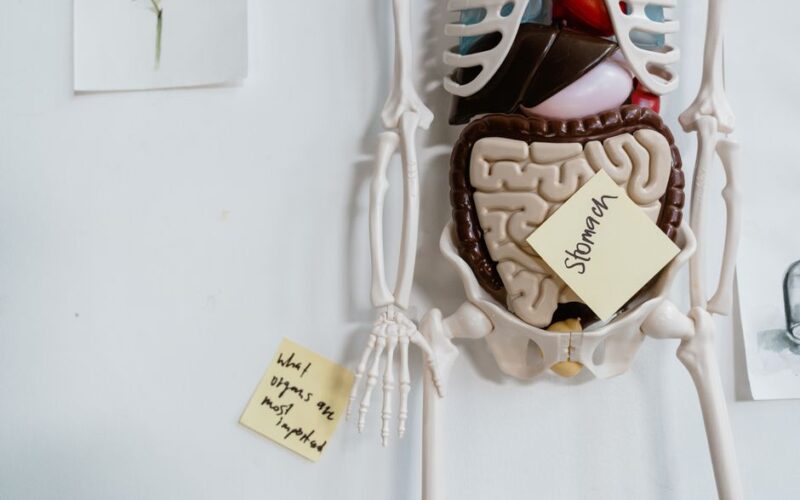

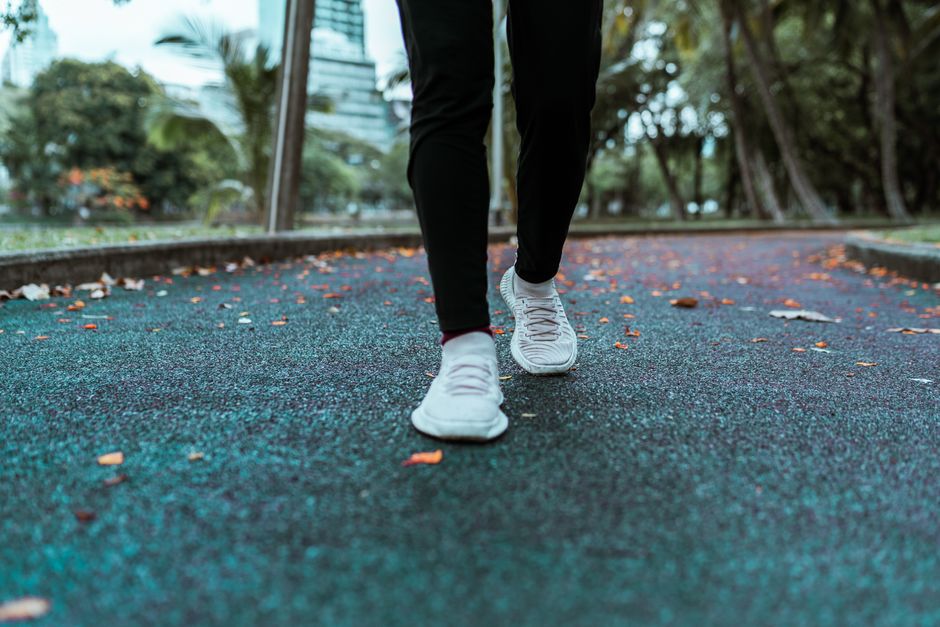
You finish lunch, sit back down at your desk, and within 30 minutes you feel sluggish, a little bloated, and vaguely foggy. Sound familiar? That post-meal drag is not inevitable. A short walk, even just 10 minutes, may be enough to shift how your body handles that meal, starting with blood sugar and ending with your gut.
This guide explains the science behind walking for digestion, clears up a few common misunderstandings, and gives you a realistic, no-pressure framework to weave post-meal walks into breakfast, lunch, and dinner without turning it into one more item on your wellness to-do list.
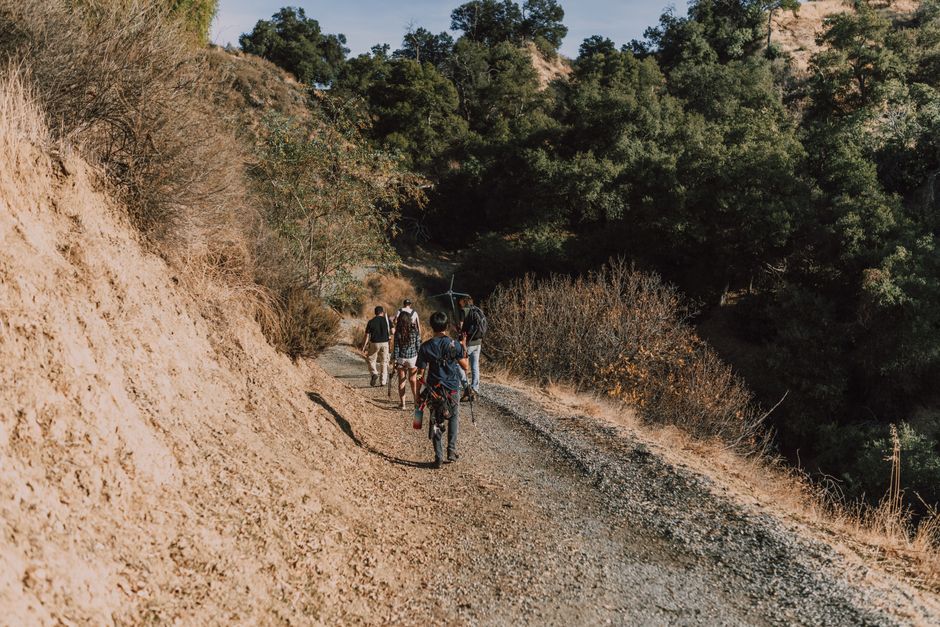
What Happens in Your Body When You Walk After Eating
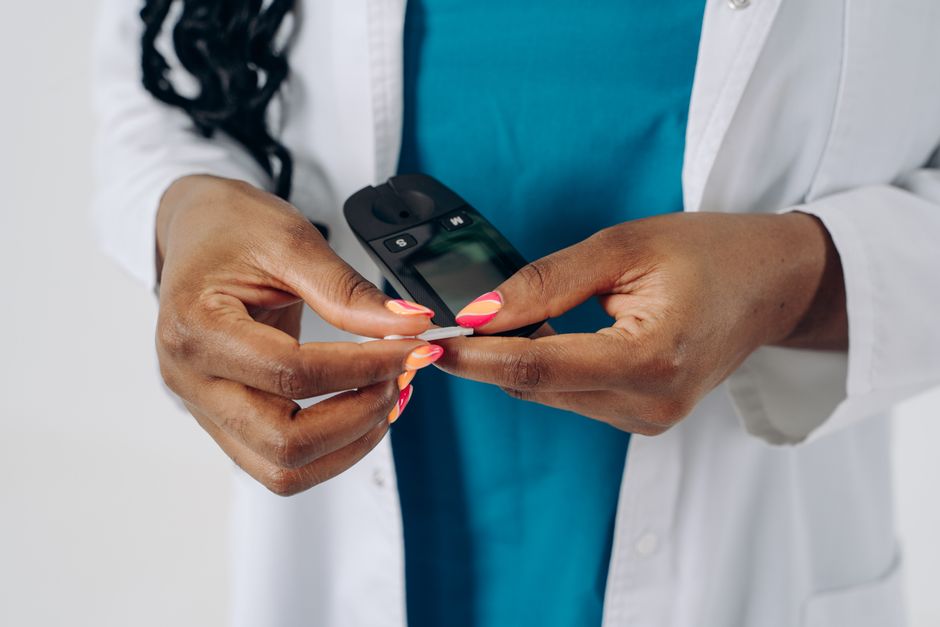
When you eat, your blood glucose rises as carbohydrates break down into sugar and enter your bloodstream. Your pancreas responds by releasing insulin to shuttle that glucose into your cells. This process is normal, but large, rapid spikes followed by steep drops are associated with fatigue, cravings, and, over time, metabolic stress.
Light physical activity after a meal helps blunt that spike in two meaningful ways. First, working muscles absorb glucose directly, even with less insulin involvement, through a pathway activated by muscle contractions. Second, walking speeds gastric motility, meaning food moves through your stomach and intestines more efficiently.
A 2022 meta-analysis published in Sports Medicine (Buffey et al.) found that just two to five minutes of light walking after eating produced a measurable reduction in postprandial blood glucose compared with sitting. A more extended 10-minute walk produced an even larger effect.
For digestion specifically, gentle movement activates the migrating motor complex, a pattern of muscular contractions in the gut that helps clear food residue and reduces the likelihood of bloating and gas. Staying still after eating can slow this process, which is partly why heavy meals followed by couch time often feel worse.
Why You Do Not Need to Make This a Workout
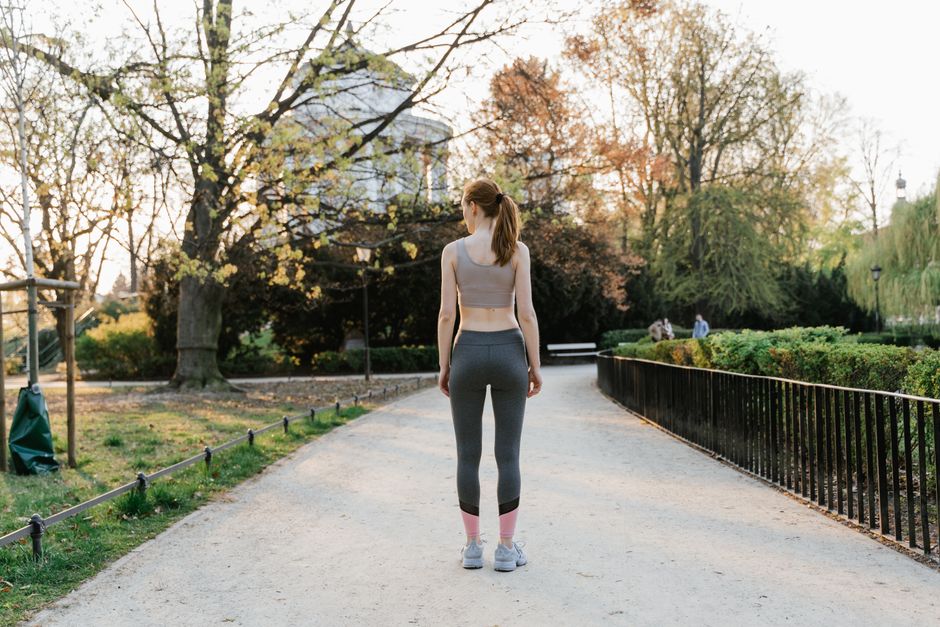
The phrase “exercise after meals” can feel intimidating, conjuring images of jogging or gym sessions on a full stomach. That is not what walking for digestion means.
The research consistently points to low-intensity movement, a casual stroll rather than a brisk power walk, as effective for post-meal glucose and digestive support. Intense exercise right after eating can actually redirect blood flow away from the digestive tract and toward working muscles, which may slow digestion instead of helping it.
You are aiming for a gentle 10-minute walk at a pace that lets you hold a conversation. That is it. No gear, no schedule rearrangement, no fitness baseline required.
If you are interested in building walking into a broader movement habit, Building a Walking Habit That Lasts: How to Progress From 10 Minutes to Daily Movement Without Burnout offers a gradual progression framework worth bookmarking.
A Realistic Three-Meal Framework
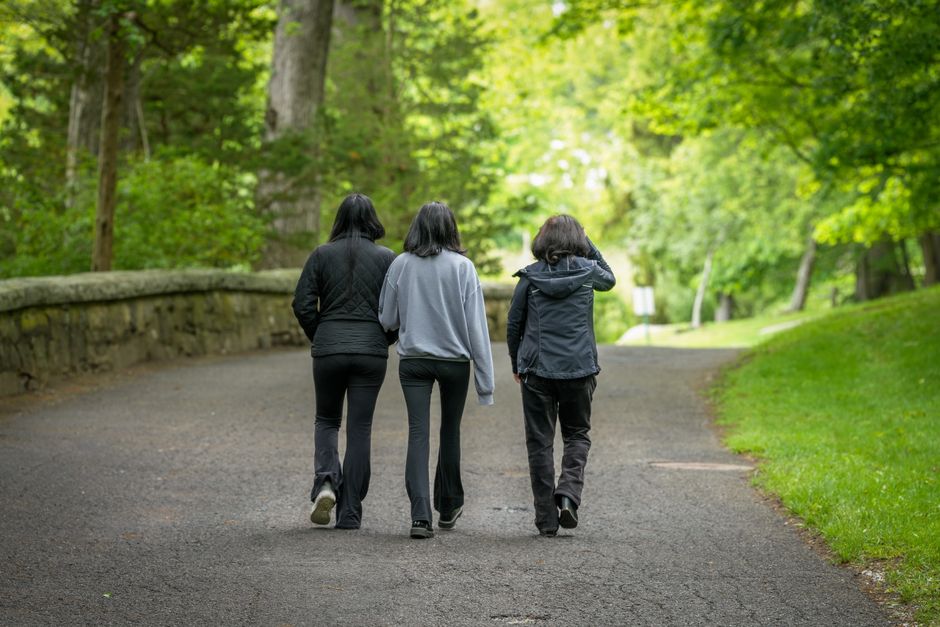
The challenge with post-meal walks is not motivation. It is logistics. Here is a practical approach for each meal of the day.
After Breakfast
Morning walks are often the easiest to protect because schedules are more predictable. Walk to a nearby errand, loop your neighborhood, or simply pace around the block before you open your email. Even five to seven minutes counts. If you have young children, this is a natural window to take them outside before the day ramps up.
After Lunch
This is where most people lose the habit. A full inbox and back-to-back meetings make sitting feel mandatory. A few practical workarounds: eat five minutes earlier than usual to create a buffer, take a walking phone call right after your meal, or walk to refill your water bottle in a building with stairs. The goal is to avoid sitting still immediately after eating, not to clock a specific distance.
Pairing your post-lunch movement with meal choices that already support steady energy can amplify the effect. Protein at Lunch: Why Mid-Day Protein Shapes Your 3pm Energy Better Than Caffeine is a helpful companion read for this reason.
After Dinner
Evening is when post-meal walks offer an extra benefit: they may support better sleep by reducing the blood sugar volatility that can interfere with rest. A gentle walk after dinner is also a natural transition to a lower-stimulation part of your evening.
Keep it short and calm. Fifteen minutes at a relaxed pace is plenty. Avoid vigorous walking close to bedtime if you are sensitive to elevated heart rate before sleep.
What you eat at dinner also influences how well digestion goes later. Meal Timing for Better Sleep: Why When You Eat Matters as Much as What You Eat explores the timing side of this equation in more detail.
The Gut Health Connection Beyond Blood Sugar
Blood sugar is the headline benefit, but walking for digestion does more than flatten glucose curves. Regular physical activity has been linked to a more diverse gut microbiome, and gut diversity is associated with stronger immune function, more stable mood, and better nutrient absorption. The research here is still developing, but it is promising enough that movement is now considered part of a gut-supportive lifestyle alongside food choices.
If you want to understand the broader picture of how your gut affects your body and mood, Gut Health and Mood: The Surprising Link Between Digestion and Mental Well-Being offers a clear, evidence-informed overview.
What you eat before those walks also matters. Digestion Speed and Meal Order: Why Eating Vegetables First Changes Blood Sugar and Energy covers how sequencing your food affects the glucose response your walk is working to smooth out.
How to Build the Habit Without Pressure
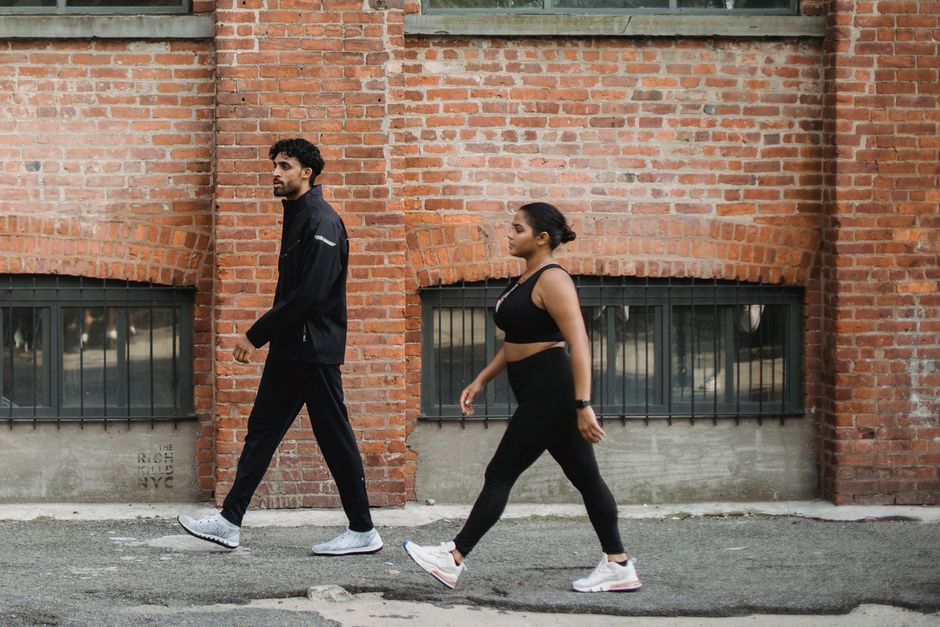
The most sustainable version of this practice starts with one meal, not three. Choose the meal where a short walk is easiest to fit, and do it consistently for two weeks before adding another. Habit research suggests that attaching a new behavior to an existing routine, a technique called habit stacking, significantly improves follow-through.
A simple formula: after I finish eating lunch, I take a 10-minute walk before returning to my desk.
Track it casually if it helps. A simple checkbox in a journal or a recurring phone reminder is enough. Skip the fitness app pressure.
If mobility limitations or a health condition affect your ability to walk, talk with a qualified healthcare professional about light movement alternatives, such as gentle standing or seated leg exercises, that may offer some of the same digestive benefits.

Sources
- Buffey, A. J., et al. (2022). “The Acute Effects of Interrupting Prolonged Sitting Time in Adults with Standing and Light-Intensity Walking on Biomarkers of Cardiometabolic Health.” Sports Medicine. Referenced for post-meal glucose and light walking data.
- National Institute of Diabetes and Digestive and Kidney Diseases (NIDDK). Information on gastric motility and digestive function. (niddk.nih.gov)
- American Diabetes Association. Standards of Medical Care in Diabetes. Referenced for postprandial glucose management guidance.
This article is for general educational and informational purposes only and is not a substitute for medical advice, diagnosis, or treatment. Health needs vary by individual. Consult a qualified healthcare professional before making significant changes to your diet, exercise routine, supplements, medication, or treatment plan, especially if you have a medical condition, are pregnant or breastfeeding, take medication, or have concerns about your symptoms.
If you take one thing from this article, let it be this: pick one meal today and take a short walk afterward. That single habit, practiced consistently, is more valuable than a perfect plan you never start. For more practical movement and nutrition guidance, explore the Walking for Mental Clarity: How Daily Movement Reshapes Your Mood and Focus guide, or sign up for the Clean Body Mentor newsletter for realistic weekly wellness ideas delivered without pressure.