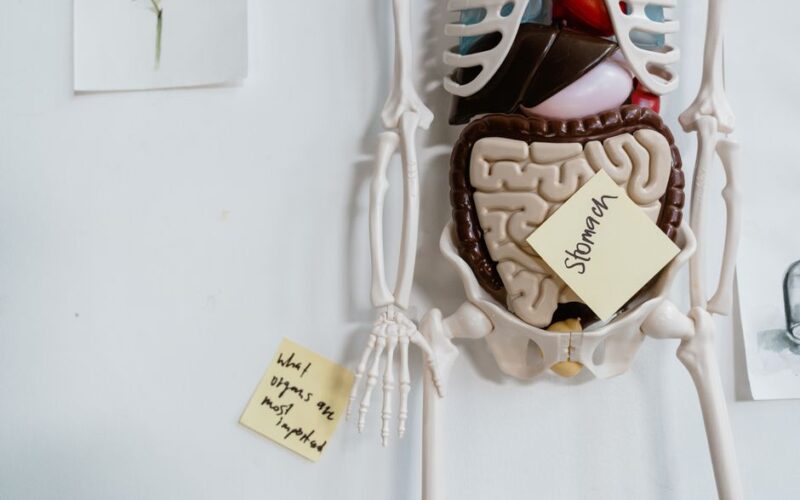


You probably spend a fair amount of thought on what goes on your plate. But the when often gets ignored, and it turns out timing plays a real role in how comfortably and efficiently your body processes food. Bloating after a late dinner, energy crashes at 2 p.m., or feeling heavy after eating too close to bedtime are not random, they often reflect a mismatch between meal timing and your body’s natural digestive rhythm.
This guide breaks down what research suggests about meal timing and digestion, and offers concrete steps you can start applying without adding stress or rigid rules to your day.

How Your Digestive System Follows a Daily Rhythm
Your gut is not the same organ at 8 a.m. that it is at 9 p.m. The digestive system operates on a circadian rhythm, the same internal 24-hour clock that governs sleep, hormone release, and metabolism. Research published in the journal Nature Reviews Gastroenterology and Hepatology (2015) highlights that digestive enzyme activity, gut motility, and even the gut microbiome composition shift across the day, with digestive capacity generally peaking during daylight hours and slowing in the evening.
This matters practically. Eating a large, complex meal late at night does not just feel heavier because you are tired. Your stomach acid secretion, bile production, and intestinal motility are genuinely lower in the evening. The result can be slower gastric emptying, more fermentation by gut bacteria, and a greater chance of reflux or bloating.
For a deeper look at how the timing of eating fits into your broader digestive comfort, the guide on Digestive Comfort and Meal Timing: How to Eat for Better Digestion and Sustained Energy is a useful companion.

Why Meal Spacing Matters as Much as Meal Size
A common pattern that disrupts digestion is erratic meal spacing: skipping breakfast, eating a modest lunch, then consuming most of your daily calories in a large dinner. This front-loading food at the back of the day pushes your digestive system hardest when it is least equipped to handle it.
Research from the American Journal of Clinical Nutrition and studies on time-restricted eating suggest that distributing calories more evenly across daylight hours, with consistent meal times, may support better blood sugar regulation and reduce postmeal energy crashes. Your digestive enzymes work more predictably when meals arrive at regular intervals, and your body has time to fully process one meal before the next arrives.
A practical spacing target for most adults is three to four hours between main meals. This gives the migrating motor complex (the wave of muscular activity that sweeps the small intestine between meals) time to do its job clearing residue and maintaining gut motility. Eating before this process completes can interrupt it, contributing to bloating and sluggish digestion.
Snack Timing for Sustained Energy: When to Eat Between Meals Without Afternoon Crashes covers how to fill gaps smartly when you genuinely need something between meals.

Practical Steps for Aligning Meal Timing With Your Body
These steps are designed to be adaptable to real life, not ideal lab conditions.
1. Anchor your first meal within one to two hours of waking.
Your cortisol and insulin sensitivity are favorable in the morning, and eating relatively soon after waking helps establish a consistent digestive rhythm for the rest of the day. A high-protein breakfast is especially effective here because protein slows gastric emptying and buffers blood sugar rises, keeping you fuller and more focused longer.
2. Make lunch your largest or most complex meal.
Digestive enzyme activity tends to be strongest in the late morning through early afternoon. If you are eating a meal that includes multiple food groups or a larger portion, midday is the time your body is best equipped to process it comfortably. This is not about perfection, it is about working with your biology when you can.
3. Downsize dinner and move it earlier.
Aim to finish your evening meal at least two to three hours before bed. This supports gastric emptying before you lie down and reduces the likelihood of acid reflux or disrupted sleep. A lighter dinner with lean protein, cooked vegetables, and moderate carbohydrates tends to digest more easily than a large, high-fat meal at 9 p.m. For more on how evening meals affect your rest, Meal Timing for Better Sleep: Why When You Eat Matters as Much as What You Eat offers a detailed breakdown.
4. Keep your eating window consistent.
You do not need to follow a strict intermittent fasting protocol to benefit from a consistent eating window. Simply aiming to eat within roughly the same eight to ten hour window each day can help synchronize your gut’s circadian rhythm and reduce late-night eating, which is where many people consume extra calories without genuine hunger.
5. Slow down and pay attention during meals.
Digestion begins in the mouth. Chewing thoroughly and eating without rushing gives your stomach time to signal satiety and prepares digestive juices before food reaches the small intestine. Rushing meals or eating while stressed activates the sympathetic nervous system, which genuinely suppresses digestive enzyme activity. Even five extra minutes at a meal can make a measurable difference in comfort.

What This Looks Like on a Busy Day
Here is a realistic example of how these principles might apply without overhauling your life:
- 7:30 a.m. – Breakfast with protein and fiber (eggs and whole grain toast, or a well-built smoothie with protein powder and oats)
- 12:30 p.m. – Your most substantial meal: a balanced plate with protein, complex carbohydrates, healthy fat, and plenty of vegetables
- 3:30 p.m. – A small snack if genuinely hungry (Greek yogurt, a handful of nuts, or hummus with vegetables)
- 6:30 to 7:00 p.m. – A lighter dinner at least two to three hours before bed
This pattern gives three to four hours between meals, keeps your eating window within about eleven hours, and concentrates your heaviest digestion during peak daylight capacity.
For help understanding how specific food combinations affect how you feel after eating, Digestion-Friendly Meal Combinations: Foods That Pair Well for Comfort and Sustained Energy is worth reading alongside this one.

One Action Worth Starting This Week
If you take only one step from this article, consider shifting your dinner thirty to forty-five minutes earlier than your current habit and making it slightly lighter. That single change touches both sleep quality and digestive comfort, two areas where many people notice a difference quickly.
When you feel ready to explore more, check out other Clean Body Mentor guides on eating for sustained energy and gut health, or sign up for the newsletter to get practical weekly wellness guidance delivered to your inbox.
This article is for general educational and informational purposes only and is not a substitute for medical advice, diagnosis, or treatment. Health needs vary by individual. Consult a qualified healthcare professional before making significant changes to your diet, exercise routine, supplements, medication, or treatment plan, especially if you have a medical condition, are pregnant or breastfeeding, take medication, or have concerns about your symptoms.
Sources
- Thaiss, C.A., et al. (2016). Microbiota diurnal rhythmicity programs host transcriptome oscillations. Cell. (Circadian patterns in gut microbiome activity)
- Liang, X., and FitzGerald, G.A. (2017). Timing the microbes: the circadian rhythm of the gut microbiome. Journal of Biological Rhythms.
- Jakubowicz, D., et al. (2013). High caloric intake at breakfast vs. dinner differentially influences weight loss of overweight and obese women. Obesity (Silver Spring).
- Garaulet, M., and Gomez-Abellan, P. (2014). Timing of food intake and obesity: a novel association. Physiology and Behavior.
- Smeets, A.J., and Westerterp-Plantenga, M.S. (2008). Acute effects on metabolism and appetite profile of one meal difference in the lower range of meal frequency. British Journal of Nutrition. (Meal spacing and gastric motility context)