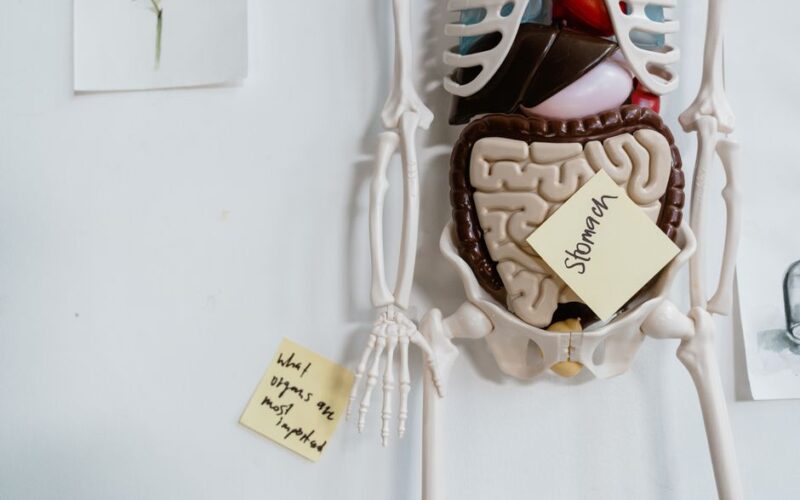


You eat reasonably well, you stay active, but somewhere in your early-to-mid forties something shifts. Energy dips hit harder in the afternoon, mood feels less predictable, and maintaining body composition starts to feel like a different game than it used to be. The food itself may not have changed much, but how and when your body uses it has.
This is not just anecdote. Research shows that hormonal changes beginning in perimenopause, particularly declining estrogen and progesterone, affect insulin sensitivity, muscle protein synthesis, and how the body distributes and stores energy. Understanding meal timing metabolism for women over 40 can help you work with those changes rather than against them.
This article reviews what the current evidence suggests about protein timing, meal frequency, and nutrient sequencing for women navigating midlife, and offers practical meal patterns that support metabolism, mood, and sustained energy without restriction.

Why Midlife Changes How Your Body Uses Food
Estrogen plays a broader metabolic role than most people realize. It supports insulin sensitivity, influences how muscle tissue responds to protein, and affects appetite-regulating hormones like leptin and ghrelin. As estrogen fluctuates and eventually declines through perimenopause and menopause, several things can shift:
- Muscle protein synthesis slows. Research published in the Journal of Physiology has shown that anabolic resistance, meaning reduced muscle-building response to protein, increases with age and is compounded by estrogen decline. This makes the distribution of protein across meals more important, not just the total daily amount.
- Insulin sensitivity decreases. Lower estrogen is associated with modest reductions in insulin sensitivity, which can make blood sugar stability harder to maintain and amplify energy crashes after high-carbohydrate meals.
- Appetite signals become less reliable. Hormonal fluctuations can disrupt hunger and fullness cues, making mindful, structured eating more useful as an anchor.
For a deeper look at the broader connection between hormonal health and eating patterns, the guide on Menopause and Metabolic Changes: Eating and Moving to Support Your Body During Transition offers helpful context.
The Protein Distribution Advantage
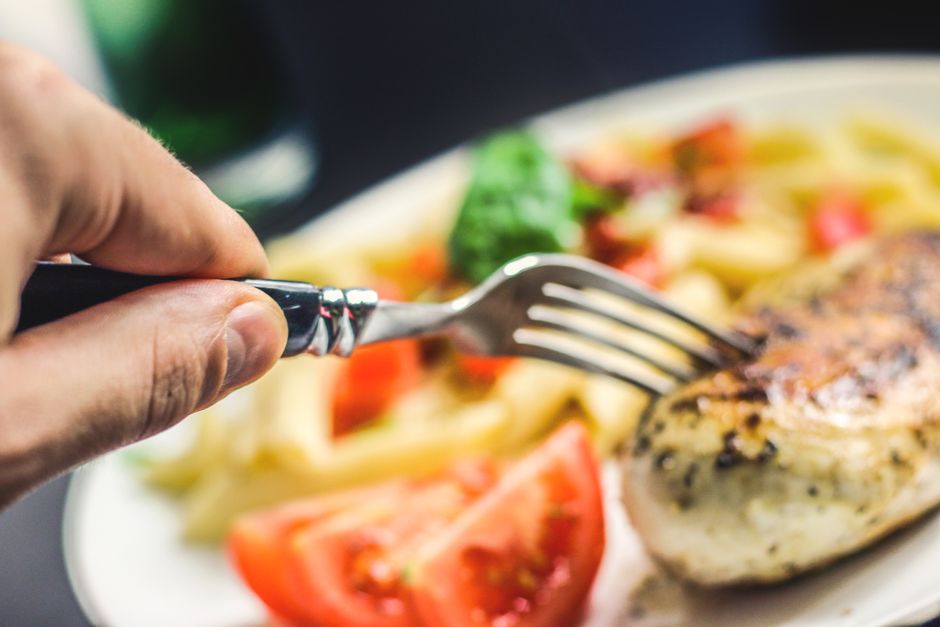
Most women get protein, but many load it into dinner and leave breakfast light. Research suggests this pattern may not serve midlife metabolism well.
A 2014 study in the Journal of Nutrition found that spreading protein intake evenly across three meals (roughly 25 to 30 grams per meal) stimulated muscle protein synthesis more effectively than skewing intake toward a single large meal, even when total daily intake was identical. Given that preserving muscle mass is one of the most important levers for metabolic health in women over 40, this matters considerably.
Practical targets based on current evidence:
- Breakfast: 25 to 35 grams of protein, eaten within 1 to 2 hours of waking. Eggs, Greek yogurt with added nuts, cottage cheese, or a protein-balanced smoothie are reliable options. Building a High-Protein Breakfast That Actually Keeps You Full Until Lunch has meal ideas worth exploring.
- Lunch: 25 to 30 grams of protein to sustain afternoon energy. Research suggests mid-day protein also helps buffer the well-known post-lunch energy dip better than carbohydrate-heavy meals. The article on Protein at Lunch: Why Mid-Day Protein Shapes Your 3pm Energy Better Than Caffeine explores this in more detail.
- Dinner: 25 to 30 grams, ideally eaten at least 2 to 3 hours before bedtime so digestion does not compete with sleep quality.
Snacks are optional and should be guided by genuine hunger rather than schedule. When you do snack, pairing a small protein source with fiber (for example, apple slices with almond butter, or hummus with vegetables) helps maintain blood sugar stability.

Meal Spacing and Metabolic Rhythm
Meal timing metabolism for women over 40 is not just about what goes into each meal but also how meals are spaced. A few evidence-informed patterns are worth considering:
Consistent meal windows. Eating within a reasonably consistent daily window, say 8 to 10 hours, aligns food intake with circadian biology. Research from the Salk Institute and published in Cell Metabolism suggests that time-restricted eating can support metabolic markers including insulin sensitivity and blood pressure, though most studies have been in mixed populations and results are not uniform across all women.
Front-loading calories earlier in the day. Some research suggests that a larger, protein-rich breakfast or lunch relative to dinner may support better glucose regulation and body composition over time. This does not mean skipping dinner; it means the evening meal does not need to be the largest of the day.
Avoiding long gaps between meals. For women experiencing blood sugar variability during perimenopause, going six or more hours without eating can amplify cortisol-driven hunger and lead to less balanced food choices later in the day. Aiming for meals every 4 to 5 hours with an optional protein-rich snack if genuinely hungry tends to keep energy and mood more stable.
For a broader look at how meal composition and spacing work together, the guide on Meal Timing for Hormonal Balance: Why When You Eat Shapes Your Metabolism and Mood covers foundational principles well.
Nutrient Sequencing: A Small Change With Measurable Impact
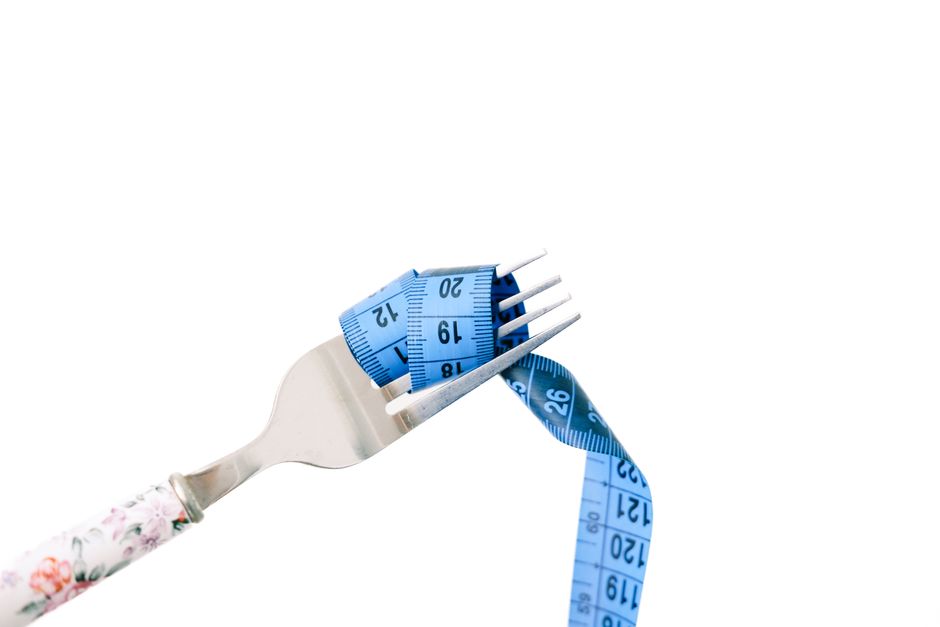
The order in which you eat food within a meal can affect post-meal blood sugar. Studies by researchers at Weill Cornell Medicine found that eating vegetables and protein before carbohydrates at the same meal reduced post-meal glucose and insulin spikes compared to eating carbohydrates first. For women managing insulin sensitivity changes in midlife, this is a low-effort habit with meaningful upside.
A simple sequencing approach:
- Start with vegetables or salad (fiber slows glucose absorption)
- Follow with protein and fat (further moderates the glycemic rise)
- Finish with starch or fruit
This does not require a rigid ritual at every meal, but applying it when carbohydrate-rich foods are on the plate, such as rice, pasta, bread, or fruit, may support more stable energy and reduce the post-meal crash that can affect mood and focus.

Mood, Energy, and the Bigger Picture
Meal timing metabolism for women over 40 ultimately connects to something beyond numbers on a scale. When blood sugar stays reasonably steady, energy is more predictable, decision-making feels clearer, and the emotional swings that perimenopause can intensify may be less pronounced.
None of this requires a rigid eating plan or calorie tracking. The patterns described here, distributed protein, consistent meal windows, balanced meal composition, and simple nutrient sequencing, are sustainable habits rather than short-term rules.
If you want to take one action from this article, start with breakfast protein. Aim for 25 to 30 grams within an hour or two of waking for one week and notice how your energy and appetite behave through mid-morning and into lunch. Small, consistent changes tend to reveal more than drastic ones.
For more practical weekly guidance on nutrition, movement, and whole-person wellness, consider joining the Clean Body Mentor newsletter.
This article is for general educational and informational purposes only and is not a substitute for medical advice, diagnosis, or treatment. Health needs vary by individual. Consult a qualified healthcare professional before making significant changes to your diet, exercise routine, supplements, medication, or treatment plan, especially if you have a medical condition, are pregnant or breastfeeding, take medication, or have concerns about your symptoms.

Sources
- Paddon-Jones D, Leidy H. “Dietary protein and muscle in older persons.” Current Opinion in Clinical Nutrition and Metabolic Care, 2014.
- Areta JL et al. “Timing and distribution of protein ingestion during prolonged recovery from resistance exercise alters myofibrillar protein synthesis.” Journal of Physiology, 2013.
- Sutton EF et al. “Early time-restricted feeding improves insulin sensitivity, blood pressure, and oxidative stress even without weight loss in men with prediabetes.” Cell Metabolism, 2018.
- Shukla AP et al. “Food order has a significant impact on postprandial glucose and insulin levels.” Diabetes Care, Weill Cornell Medicine, 2015.
- Mauvais-Jarvis F. “Estrogen and androgen receptors: regulators of fuel homeostasis and emerging targets for diabetes and obesity.” Trends in Endocrinology and Metabolism, 2011.