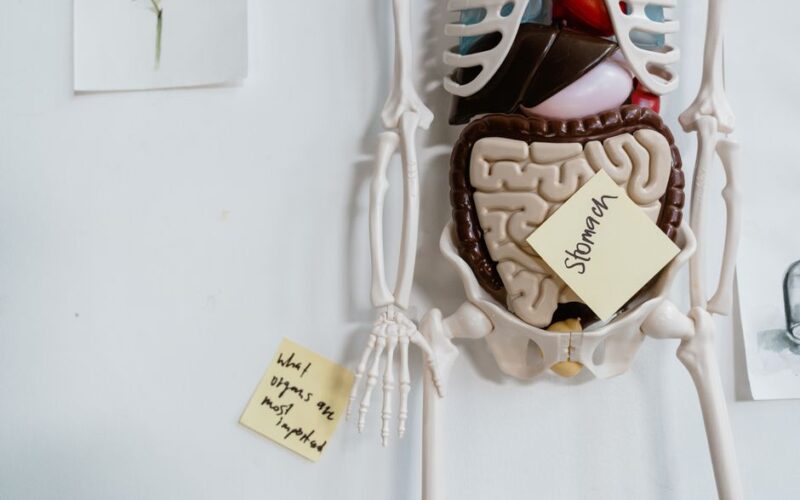

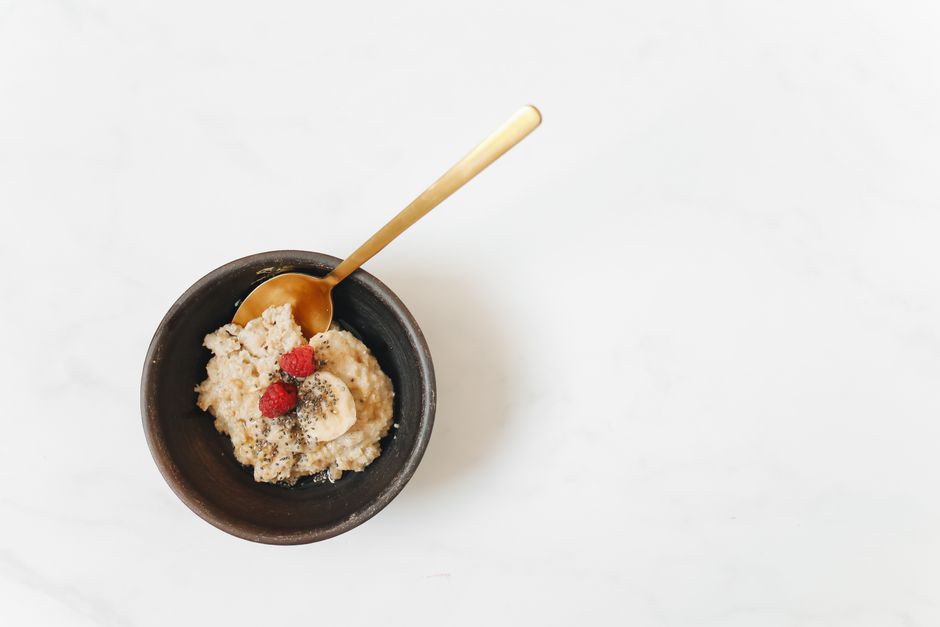
If your stomach swells every time you try to eat more vegetables or beans, your first instinct might be to back off fiber entirely. That instinct is understandable, but it usually points to the wrong problem.
Research published by the National Institutes of Health suggests that bloating from high-fiber foods is most often caused by a sudden increase in intake, the specific types of fiber consumed together, eating speed, or hydration timing rather than fiber itself. In fact, a diet consistently rich in fiber supports gut motility, feeds beneficial bacteria, and may help reduce chronic bloating over time.
The five recipes below are built with that reality in mind. Each one delivers meaningful fiber while minimizing the combinations and habits most likely to cause gas and discomfort. You will also find a short “why it works” note and a beginner modification for each.
Before you read on, if rushed eating is already part of your routine, Digestive Bloating From Rushed Meals: Why Chewing Speed and Pause Breaks Matter More Than Food Swaps is worth a quick look alongside these recipes.

1. Warm Lentil and Carrot Soup With Cumin
Ingredients: 1 cup red lentils (rinsed), 3 medium carrots (chopped), 1 small onion, 2 cloves garlic, 1 tsp ground cumin, 4 cups low-sodium vegetable broth, 1 tbsp olive oil, salt and lemon to taste.
Method: Saute onion, garlic, and cumin in olive oil for two minutes. Add carrots, lentils, and broth. Simmer 20-25 minutes until lentils are fully soft. Blend half the soup for a smoother texture, then stir together.
Why it works: Red lentils are lower in resistant starch than green or brown lentils, so they digest more gently. Thorough cooking breaks down the cell walls that trap fermentable compounds. Cumin has a long history of use for digestive comfort, and while clinical trials are limited, several small studies suggest it may support gas reduction. Blending part of the soup further reduces mechanical work for your gut.
Beginner modification: Start with half a cup of lentils and increase over two weeks as your body adjusts.
2. Roasted Zucchini and White Bean Bowl
Ingredients: 1 can (400g) white beans (rinsed and drained thoroughly), 2 medium zucchini (sliced into half-moons), 2 tbsp olive oil, 1 tsp smoked paprika, 1/2 tsp dried oregano, 2 cups cooked quinoa, fresh parsley.
Method: Toss zucchini and beans in olive oil and spices. Roast at 400 F for 22-25 minutes until edges are golden. Serve over quinoa and top with parsley.
Why it works: Rinsing canned beans removes a significant portion of the oligosaccharides that gut bacteria ferment rapidly. Roasting zucchini softens its fiber so it moves through your digestive tract more smoothly than raw. Quinoa provides additional fiber and protein without the same fermentation load as some grains. Together, these choices deliver a high-fiber meal that tends to be gentler than a raw salad with the same ingredients.
Beginner modification: Use half the beans and replace the other half with roasted sweet potato for a gentler start.
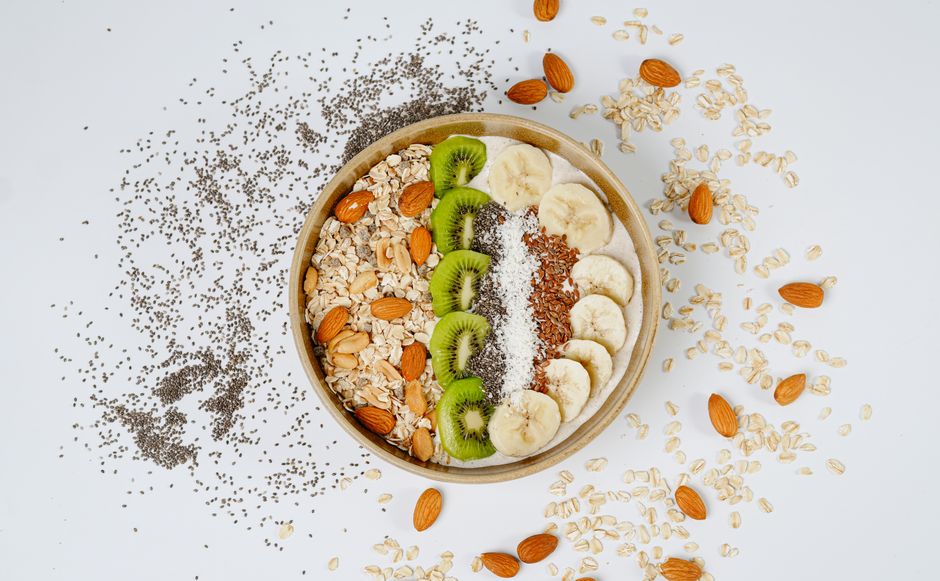
3. Oat and Chia Overnight Bowl With Kiwi
Ingredients: 1/2 cup rolled oats, 1 tbsp chia seeds, 1 cup unsweetened almond milk (or any milk), 1 tsp maple syrup, 2 ripe kiwi fruits (sliced).
Method: Stir oats, chia, and milk together. Refrigerate overnight. Top with kiwi in the morning.
Why it works: Rolled oats contain beta-glucan, a soluble fiber that the NIH recognizes for its role in supporting gut regularity without the sharp fermentation spike of insoluble fibers. Chia seeds form a gel when hydrated, which slows their movement and makes them far less gas-producing than dry or under-soaked seeds. Kiwi is particularly interesting: a small randomized trial published in the American Journal of Gastroenterology found that two kiwi fruits daily reduced constipation and bloating symptoms more than prunes in adults with functional gut concerns. This combination offers meaningful fiber in a format that digests gradually.
Beginner modification: Use only 1 tsp of chia seeds at first and work up to a full tablespoon over a week or two.
For more ideas on building breakfasts that keep you satisfied, see Seven High-Protein Breakfast Combos That Stop Morning Hunger by 10am.
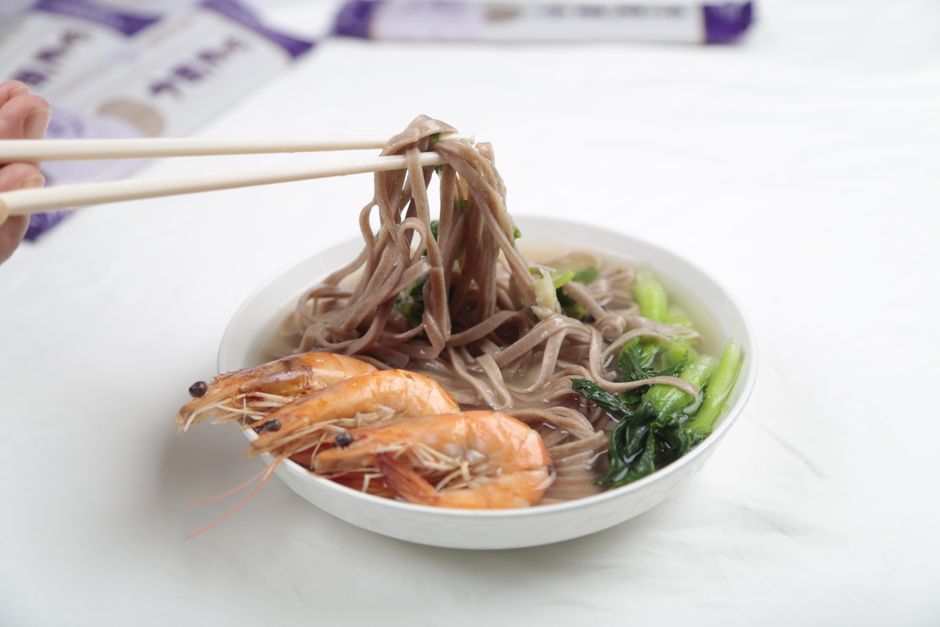
4. Ginger-Miso Broth With Bok Choy and Soba Noodles
Ingredients: 2 cups low-sodium vegetable broth, 1 tsp white miso paste, 1 tsp freshly grated ginger, 1 small bunch bok choy (halved), 80g soba noodles (cooked separately), 1 soft-boiled egg or 100g firm tofu (optional).
Method: Warm broth over medium heat. Whisk in miso and ginger. Add bok choy and simmer 4-5 minutes until tender. Serve broth over cooked noodles and top with protein of choice.
Why it works: Bok choy is a cruciferous vegetable, but cooking it significantly reduces its raffinose content, one of the carbohydrates most associated with gas from raw cruciferous vegetables. Ginger has demonstrated anti-nausea and gut motility effects in multiple small clinical studies. Miso introduces live cultures that may support a balanced gut environment, though fermented foods affect people differently. This meal provides fiber, hydration, and warmth, all of which may help move digestion along rather than stalling it.
Beginner modification: Use spinach instead of bok choy if you find cruciferous vegetables consistently difficult, even cooked.
If you also notice that hydration habits affect your comfort, Digestive Bloating From Hydration Timing: Why Drinking Water With Meals Feels Different Than Between Them pairs well with this recipe.
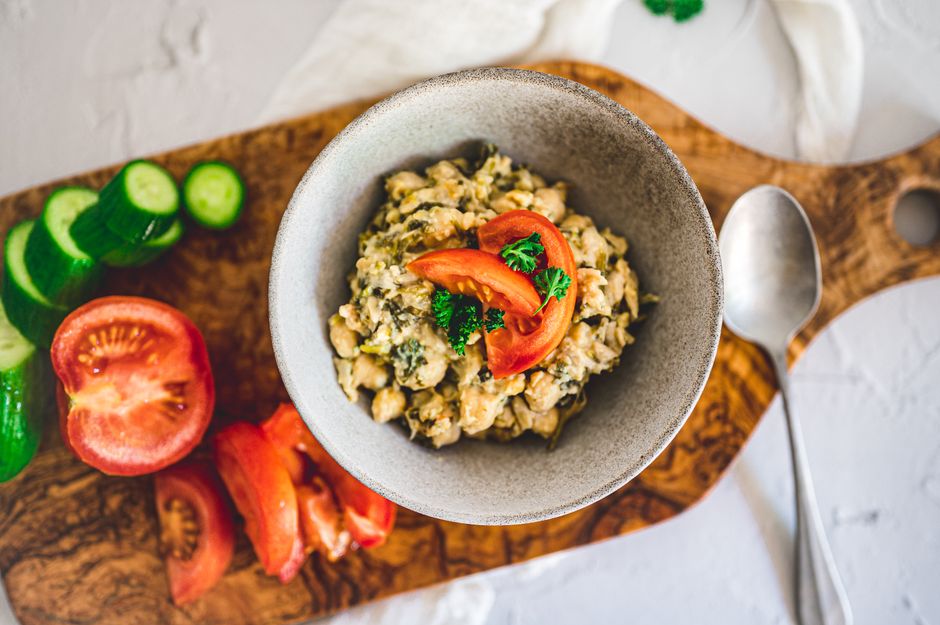
5. Smashed Cucumber, Chickpea, and Herb Salad (With a Key Prep Step)
Ingredients: 1 can chickpeas (rinsed, drained, and skins removed where easy), 3 mini cucumbers (smashed and roughly chopped), 1/4 cup fresh mint and parsley, juice of 1 lemon, 2 tbsp olive oil, 1/4 tsp fennel seeds (crushed), salt to taste.
Method: Combine all ingredients. Let sit 10 minutes before serving so flavors develop. Eat slowly and chew thoroughly.
Why it works: The prep step here matters: removing the loose outer skins of chickpeas reduces one layer of resistant starch and fiber that ferments quickly. Smashing cucumbers rather than slicing them breaks their cell walls and helps them release water, softening their texture before your gut even begins working. Fennel is traditionally used across culinary and herbal medicine traditions to reduce gas, and early evidence suggests it may relax intestinal muscles. This salad delivers real fiber and freshness while lowering the variables most likely to cause a bloated afternoon.
Beginner modification: Use half a can of chickpeas and fill the rest of the bowl with shredded romaine or cooked cooled grains, which ferment more slowly.
For a broader look at why afternoon bloating happens regardless of what you eat, How to Reduce Afternoon Bloating Without Cutting Carbs or Fats covers eating order and pace in more detail.
A Note on Gradually Building Fiber Tolerance
None of these recipes will work as well if you go from low-fiber eating to several servings of legumes in one day. The standard advice from registered dietitians and gastroenterologists is to add one new high-fiber food at a time, increase serving sizes gradually over two to four weeks, and keep fluid intake consistent. Your gut microbiome adapts to fiber over time, and that adaptation is the point. The discomfort most people associate with high-fiber meals bloating is usually a sign of a microbiome that has not yet built up the bacterial populations that handle fiber efficiently.
Choose one recipe from this list, try it two or three times this week, and pay attention to how you feel. Small, consistent changes tend to produce lasting digestive comfort far more reliably than overhauling everything at once.
If you are interested in the connection between gut function and how you feel mentally, Digestive Health and Mood: How Gut Function Changes Your Mental Well-Being Without Supplements is a good next read.
Sign up for the Clean Body Mentor newsletter for practical, evidence-informed wellness guidance delivered weekly.
Sources
- National Institutes of Health, Office of Dietary Supplements: Dietary Fiber fact sheet
- Chey WD et al. “Kiwifruit and functional constipation,” American Journal of Gastroenterology (2021)
- National Institute of Diabetes and Digestive and Kidney Diseases: Gas in the Digestive Tract
- Haniadka R et al. “A review of the gastroprotective effects of ginger,” Food and Function, Royal Society of Chemistry (2013)
This article is for general educational and informational purposes only and is not a substitute for medical advice, diagnosis, or treatment. Health needs vary by individual. Consult a qualified healthcare professional before making significant changes to your diet, exercise routine, supplements, medication, or treatment plan, especially if you have a medical condition, are pregnant or breastfeeding, take medication, or have concerns about your symptoms.