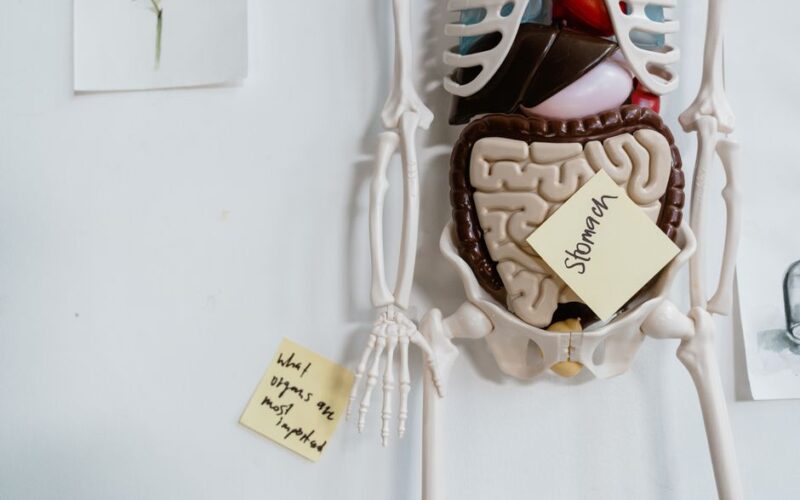


After a stretch of heavy holiday meals, a birthday dinner that went three courses deep, or even just a few back-to-back busy days of takeout and convenience food, your gut tends to send a clear message: slow down. Bloating, heaviness after meals, low energy, and a vague sense of digestive fatigue are all signals worth paying attention to.
Digestive rest day eating is not a cleanse or a fast or a punishment. It is a deliberate, nourishing approach to giving your gastrointestinal system a lighter workload for a day or two so it can recover its rhythm. Think of it as active recovery for your digestion, the way an athlete does lighter movement between hard training sessions.
Here is what actually happens in your gut during heavy eating periods, and how to build a genuinely satisfying lighter day without cutting out food groups or counting calories.

What Happens to Your Gut During Rich Eating Periods
Your digestive system relies on a coordinated effort: stomach acid, digestive enzymes, bile, gut motility, and the gut microbiome all work in sequence. When meals are consistently large, high in saturated fat, low in fiber, or eaten quickly under stress, this system can fall behind.
Research published in the journal Nutrients and data from the National Institute of Diabetes and Digestive and Kidney Diseases (NIDDK) point to slower gastric emptying, increased intestinal permeability risk, and shifts in gut bacteria composition as outcomes associated with prolonged high-fat, low-fiber eating patterns. The result is often what most people describe as feeling heavy, sluggish, or off.
Digestive stress compounds when meals are rushed, too. If this sounds familiar, Digestive Discomfort From Rushed Eating: Why Pace and Chewing Beat Food Restriction Every Time is worth reading alongside this guide.
The good news: your gut is remarkably adaptable. A day or two of lighter, fiber-rich, easily digested eating can genuinely help restore comfort, motility, and bacterial balance.

What a Digestive Rest Day Actually Means
A digestive rest day does not mean eating tiny portions, skipping meals, or eliminating anything. It means choosing foods that:
- Require less digestive effort to break down
- Support gut motility and healthy bowel movement
- Provide soluble and insoluble fiber your microbiome can use
- Keep you full and energized without overtaxing your system
You are not restricting. You are selecting. That framing matters, because hungry, deprived eating days tend to lead to overcorrection later. A well-designed lighter day should feel satisfying by the end of it.

How to Build Your Lighter Eating Day
Start With a Warm, Simple Breakfast
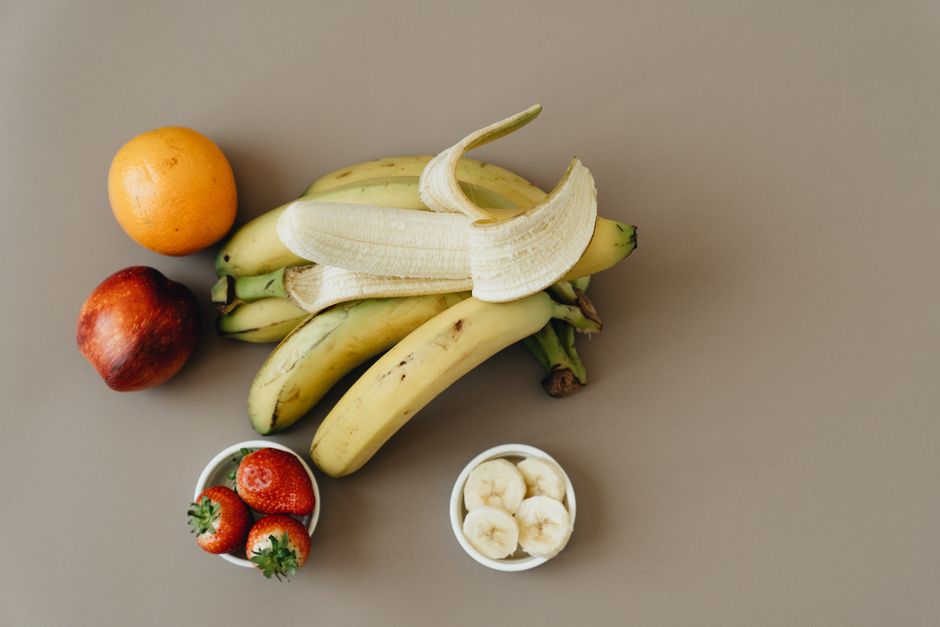
Heavy breakfasts (think bacon, eggs with cheese, pastries) require significant digestive effort early in the day. On a lighter day, try cooked oatmeal with banana and a drizzle of nut butter, or a small smoothie bowl with frozen berries, Greek yogurt, and ground flaxseed. Both options deliver fiber, protein, and natural sugars without overwhelming your gut first thing.
Warm foods tend to be gentler on digestion than very cold meals because they require less temperature adjustment in the stomach. Herbal teas like ginger or peppermint alongside breakfast may support gut comfort, though individual responses vary.
Build Lunch Around Vegetables and Easily Digested Protein
Midday is where your digestive fire tends to be strongest, making it a good window for your most filling meal. A well-constructed lighter lunch might include:
- A base of cooked greens (spinach, zucchini, or steamed broccoli)
- A palm-sized portion of lean protein (grilled chicken, white fish, eggs, or firm tofu)
- A serving of easily digested starch (white rice, sweet potato, or sourdough bread)
- A drizzle of olive oil and lemon rather than a heavy cream dressing
Note that cooked vegetables are generally easier to digest than raw on a rest day, especially for people who notice bloating from raw cruciferous vegetables. How to Pair Foods for Natural Energy Without Afternoon Crashes offers practical guidance on structuring balanced plates that also keep your energy stable.
Eat Dinner Earlier and Keep It Light
Evening digestion is slower because your body begins shifting toward rest. A lighter dinner on a digestive rest day works with that rhythm. Good options include: broth-based soups with soft vegetables and legumes, a simple grain bowl with roasted root vegetables and tahini, or scrambled eggs with sauteed greens.
Fat is the macronutrient that takes longest to digest, so pulling back on heavy oils, cheeses, and fatty cuts of meat in the evening tends to reduce overnight heaviness. You do not need to avoid fat entirely. Just keep portions moderate at this meal.
For more on how dinner structure affects your overnight comfort, see Building a Balanced Dinner for Stable Sleep: Why Protein Order and Meal Timing Matter More Than Carb Restriction.
Stay Consistently Hydrated
Water supports every stage of digestion, from enzyme activity to bowel transit. On a lighter eating day, consistent hydration matters even more because you may be eating more fiber than usual, and fiber needs fluid to do its job properly. Aim for steady sipping through the day rather than large amounts at once. Hydration Without the Rules: Why Individual Water Needs Vary and How to Find Your Baseline can help you find an approach that works for your body.
Add a Short Post-Meal Walk
Physical movement after meals supports gut motility. Even a 10-minute walk after lunch or dinner can meaningfully support gastric emptying, according to a 2022 review in Sports Medicine. You do not need intense exercise. Gentle movement is the goal.

What to Minimize (Not Eliminate) on a Rest Day
Rather than a strict avoid list, think of these as foods to reduce for one day:
- Fried or heavily processed foods
- Large portions of red meat or rich cheese
- Alcohol, which disrupts gut motility and gut bacteria balance
- High-sugar desserts in large amounts
- Very spicy foods if they tend to irritate your individual gut
Nothing here is permanently off the table. This is one day of intentional ease, not a new dietary identity.

How Often to Build in a Lighter Day
There is no universally correct frequency. Many people find that one lighter eating day after a heavy food weekend, holiday, or travel period feels enough. Others naturally gravitate toward a lighter pattern a couple of times per week based on appetite alone.
Listen to what your gut is actually telling you. Digestive discomfort, persistent bloating, or low energy after meals are useful signals, not inconveniences to push through. If gut symptoms are ongoing rather than occasional, that is worth discussing with a qualified healthcare professional rather than managing through food adjustments alone.
For a deeper look at how gut function connects to your overall wellbeing, Digestive Health and Mood: How Gut Function Changes Your Mental Well-Being Without Supplements explores the research on the gut-brain connection in practical terms.

One Realistic Place to Start
Choose one meal from the suggestions above and try it after your next rich eating period. Notice how you feel afterward, not in a rigid self-monitoring way, but with genuine curiosity. Small, consistent adjustments build over time into habits your digestive system genuinely benefits from.
If you want more practical weekly guidance on balanced eating and whole-person wellness, the Clean Body Mentor newsletter delivers it without the pressure.
This article is for general educational and informational purposes only and is not a substitute for medical advice, diagnosis, or treatment. Health needs vary by individual. Consult a qualified healthcare professional before making significant changes to your diet, exercise routine, supplements, medication, or treatment plan, especially if you have a medical condition, are pregnant or breastfeeding, take medication, or have concerns about your symptoms.
Sources
- National Institute of Diabetes and Digestive and Kidney Diseases (NIDDK). Digestive Diseases. U.S. Department of Health and Human Services. nih.gov/niddk
- Monda V, et al. “Exercise Modifies the Gut Microbiota with Positive Health Effects.” Oxidative Medicine and Cellular Longevity, 2017.
- Buffey AJ, et al. “The Acute Effects of Interrupting Prolonged Sitting Time in Adults with Standing and Light-Intensity Walking on Biomarkers of Cardiometabolic Health.” Sports Medicine, 2022.
- Nutrients journal, MDPI. Various reviews on dietary fat, fiber, and gut microbiome composition (general reference, nutrientsmdpi.com).