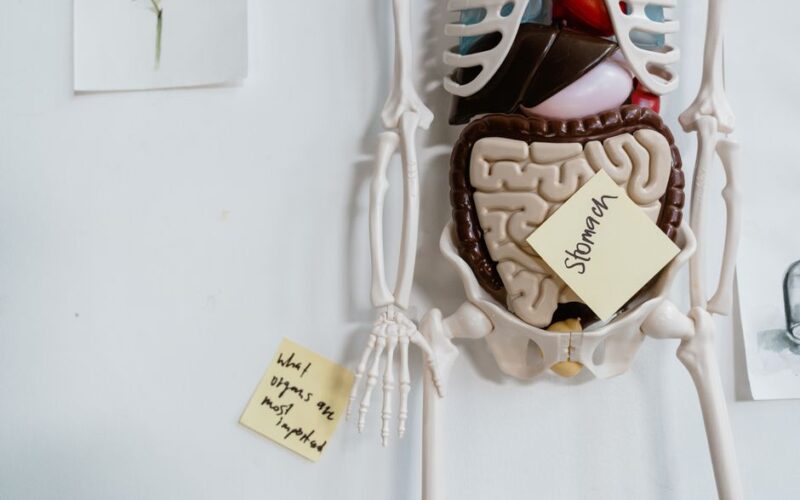

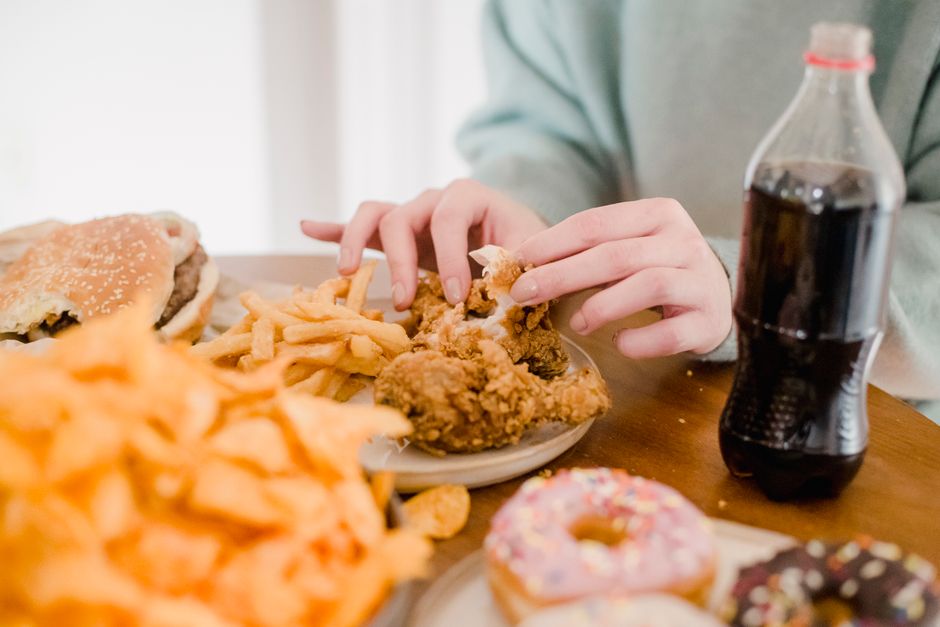
You finish lunch in eight minutes, get back to your desk, and twenty minutes later feel like you swallowed a balloon. Before you blame the bread or the beans, consider this: research suggests that eating speed and chewing habits can drive digestive bloating from eating too fast just as powerfully as the foods themselves, and sometimes more so.
Cutting carbs or going dairy-free might help some people. But if you are eating at a sprint, no food swap will fully solve the problem. Here is why pace and chewing behavior matter so much, and how to fix them with simple, repeatable methods.
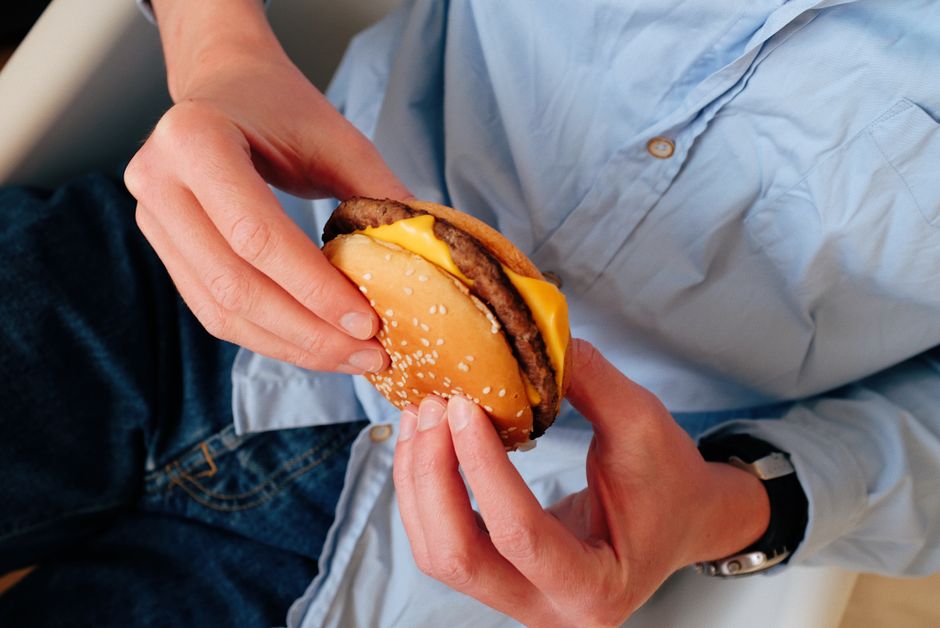
What Actually Happens When You Eat Too Fast
Digestion begins in the mouth. Saliva contains amylase, an enzyme that starts breaking down carbohydrates before food even reaches your stomach. When you rush, two things happen simultaneously and neither is helpful.
First, large, poorly chewed pieces arrive in your stomach before enzymes and stomach acid can process them efficiently. Your digestive system works harder, fermentation increases in the lower gut, and gas builds up. Second, you swallow more air. Every rushed bite, every sip taken too quickly, introduces excess air into your gastrointestinal tract. A study published in the journal Neurogastroenterology and Motility found that eating speed significantly influenced both swallowed air volume and the perception of fullness and discomfort.
The result is predictable: bloating, heaviness, and that familiar sluggish feeling about thirty minutes after a meal.
For a closer look at how eating pace affects the gut beyond just gas, the guide on Digestive Sluggishness vs. Nervous System Stress: Why Your Gut Slows When You Rush and What to Do About It explains the nervous system connection in helpful detail.
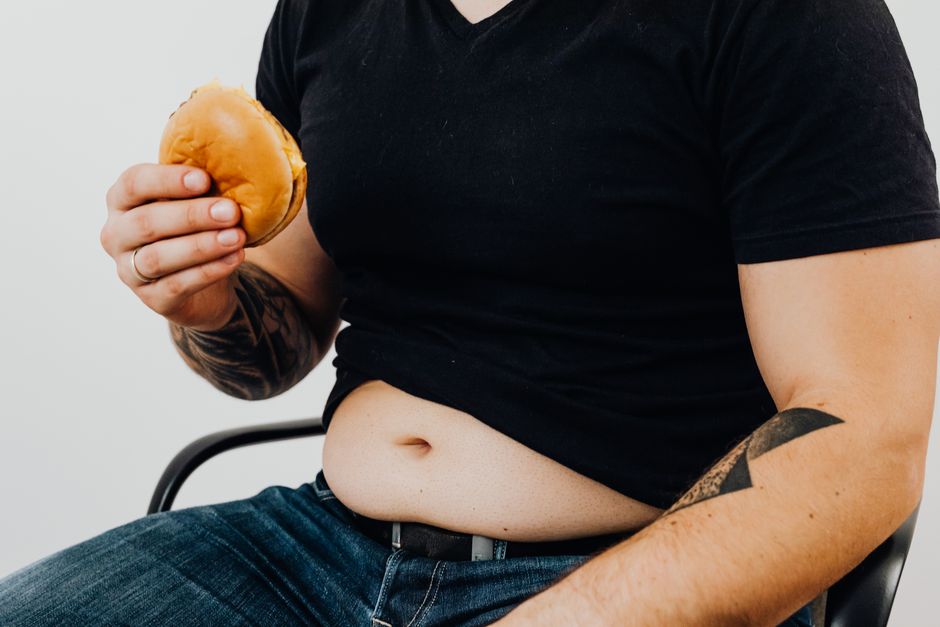
Why Food Swaps Often Miss the Real Problem
Blaming specific foods is understandable. FODMAPs, gluten, and lactose do cause bloating for people with specific sensitivities. But if you are eliminating foods and still bloated, the delivery method, meaning how fast and how incompletely you chew, may be the variable you have not adjusted yet.
Research from Kyushu University in Japan (published in the British Medical Journal Open) found that people who self-reported eating faster were significantly more likely to experience symptoms like abdominal bloating and discomfort compared to slower eaters, independent of what they ate. Eating speed influenced gut symptoms across different dietary patterns.
This matters because food restriction has real costs. Cutting whole food groups can affect nutrient variety, meal satisfaction, and long-term eating patterns. If speed is the root cause, restriction is an expensive fix for the wrong problem. The article on How to Reduce Afternoon Bloating Without Cutting Carbs or Fats explores this tradeoff with additional practical guidance.

The Chewing Target Method
Most people chew each bite roughly six to eight times before swallowing. For softer foods like rice or mashed vegetables, that is sometimes enough. For denser foods like meat, roasted vegetables, legumes, or whole grains, research and clinical nutrition guidance both suggest that chewing each bite twenty to thirty times produces significantly better mechanical breakdown before swallowing.
You do not need to count every bite at every meal. Instead, use this progression:
Week 1: Pick one meal per day, usually the one where you most often feel bloated afterward. Set an intention to chew each bite until the food loses most of its texture before swallowing. Notice how different this feels.
Week 2: Add a conscious count for the first five bites of that meal, aiming for twenty chews each. Once the rhythm is familiar, your body tends to continue it without the count.
Week 3 onward: Apply the same rhythm to a second meal. The goal is to make slower chewing a default rather than a daily exercise.
This is not about perfection. It is about giving your digestive system a basic mechanical advantage before food hits your stomach.
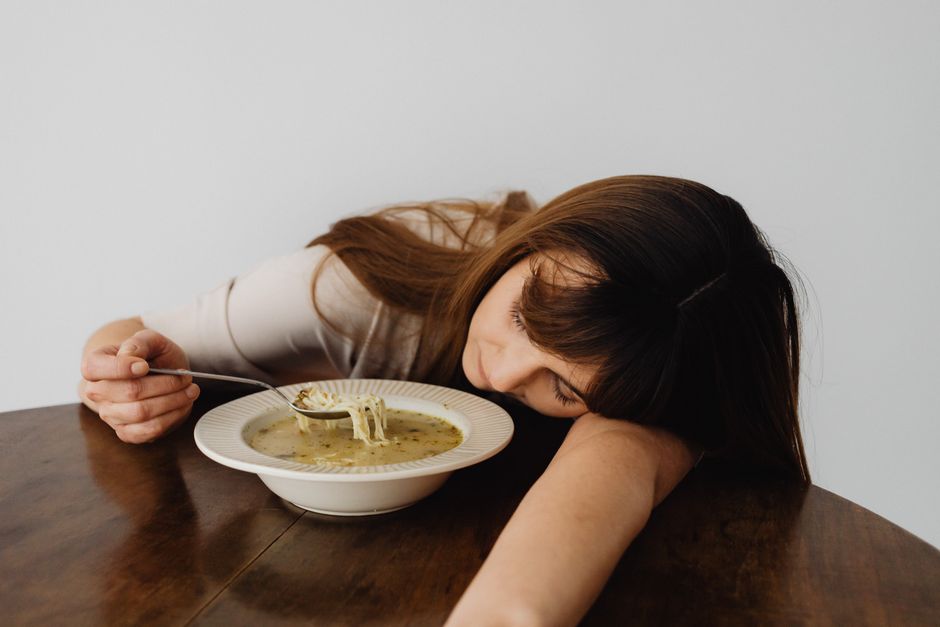
The Pause-Break Method: A Practical Reset Between Bites
Chewing targets address thoroughness. Pause breaks address overall pace. The two work together.
A pause break means putting your fork or spoon down between bites, not as a rigid rule, but as a behavioral anchor that slows the meal without requiring willpower. When your hands are empty, you naturally breathe more fully, swallow less air, and give your brain time to register incoming food.
The satiety signal from your gut to your brain takes roughly fifteen to twenty minutes. A meal eaten in under ten minutes bypasses this signal almost entirely. Pause breaks extend your eating window naturally without making meals feel clinical.
Try this structure for one meal today:
- Take a bite, chew thoroughly, swallow.
- Put your utensil down.
- Breathe once or twice through your nose.
- Pick up the utensil again.
This adds roughly two to four seconds between bites. Over a full meal, that small gap can extend your eating window by five to ten minutes, which may be enough to meaningfully reduce bloating from swallowed air and fermentation overload.
For people whose bloating also coincides with shallow breathing or desk posture, the article on Digestive Bloating From Tight Breathing and Shallow Movement is worth reading alongside this one.
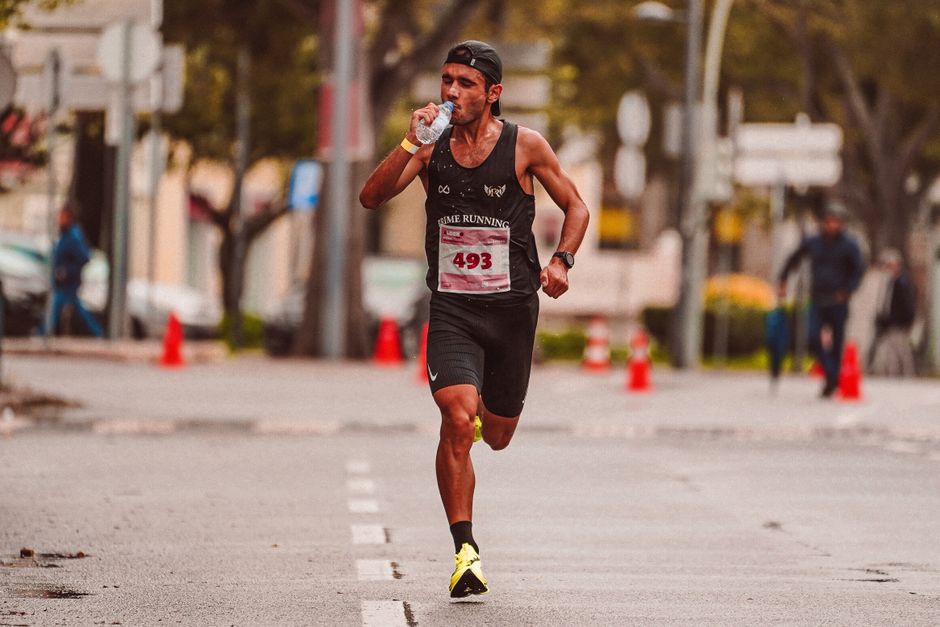
How Hydration Timing Interacts With Chewing Speed
One related variable worth noting: drinking large amounts of water during a rushed meal can dilute digestive enzymes temporarily and move food through the stomach before it is adequately broken down. This does not mean hydration is bad for digestion, but the timing and quantity of fluids during meals can amplify or reduce the effects of eating too fast.
The guide on Digestive Bloating From Hydration Timing: Why Drinking Water With Meals Feels Different Than Between Them covers this topic in full, and it pairs naturally with the chewing and pace strategies here.

Putting It Together Without Overhauling Your Life
You do not need to transform every meal. Start with whichever single strategy feels easiest:
- If you tend to eat distracted, the pause-break method gives you a physical anchor (put the fork down) that works even when your focus is elsewhere.
- If you eat slowly but still feel bloated, the chewing target method addresses mechanical breakdown rather than pace.
- If you drink a lot of water mid-meal, experiment with shifting most of your fluid intake to the thirty minutes before eating and watching whether bloating changes.
Consistency over a few weeks reveals more than any single experimental meal. Digestive patterns respond gradually, and the changes tend to be cumulative.
Choose one strategy from this article and practice it at your next meal. If you want more practical support, explore the Clean Body Mentor newsletter for weekly wellness guidance built around real habits, not radical overhauls.
This article is for general educational and informational purposes only and is not a substitute for medical advice, diagnosis, or treatment. Health needs vary by individual. Consult a qualified healthcare professional before making significant changes to your diet, exercise routine, supplements, medication, or treatment plan, especially if you have a medical condition, are pregnant or breastfeeding, take medication, or have concerns about your symptoms.
Sources
- Kokkinos, A. et al. “Eating Slowly Increases the Postprandial Response of the Anorexigenic Gut Hormones, Peptide YY and Glucagon-Like Peptide-1.” Journal of Clinical Endocrinology and Metabolism, 2010. (National Institutes of Health, PubMed)
- Yamane, M. et al. “Eating Speed and Obesity in Japanese Adults.” BMJ Open, 2017. Kyushu University, Fukuoka, Japan.
- Mioche, L. et al. “Mechanical properties of food and oral physiology.” Review in Archives of Oral Biology, summarized via NIH PubMed.
- U.S. National Library of Medicine, MedlinePlus: “Gas – flatulence,” for overview of swallowed air and gas mechanisms. (medlineplus.gov)