
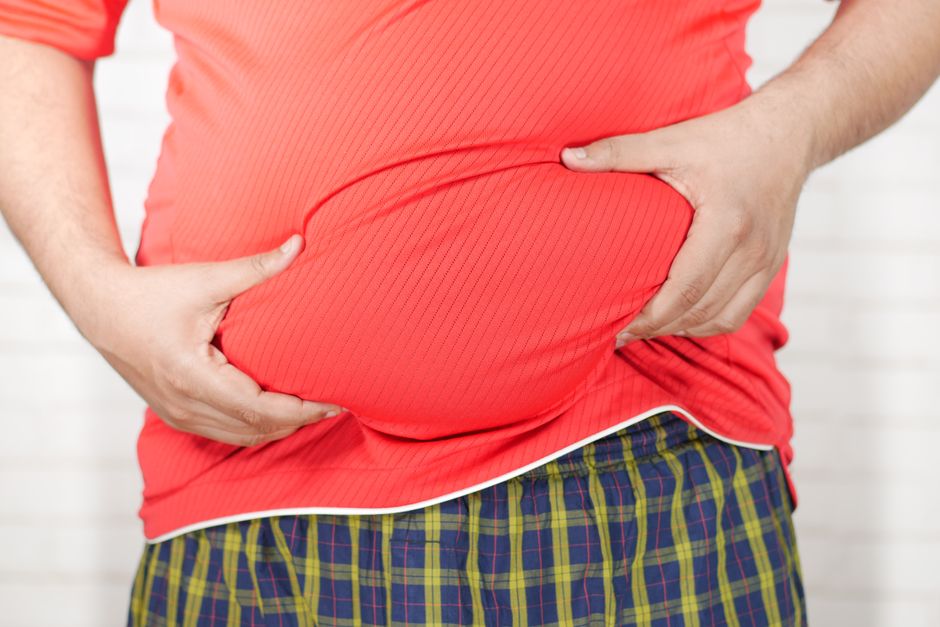
You finish a meal, feel uncomfortably full and bloated, and immediately wonder what you ate wrong. But here is a possibility worth considering: the food may not be entirely to blame. When you drink water, and how much you drink in one sitting, can meaningfully shape how your stomach feels in the hour that follows.
This is not about cutting out water or adding rigid rules to your eating routine. It is about understanding a simple physiological rhythm that most people have never been taught, and then adjusting your habits in ways that feel natural rather than restrictive.
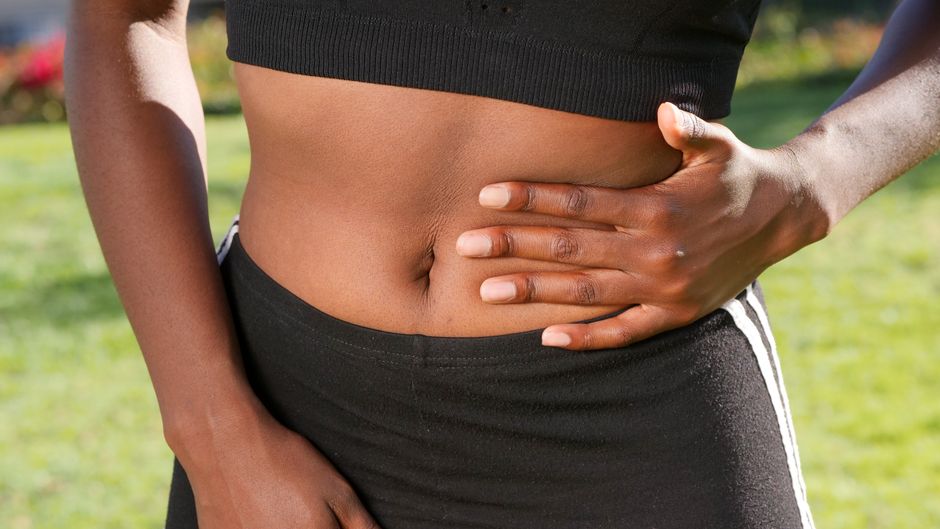
How Your Stomach Handles Fluid During a Meal
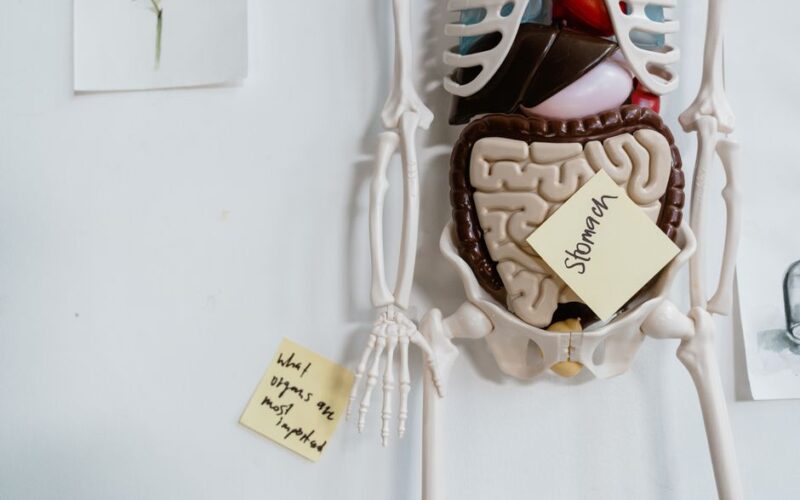
Your stomach is an acid-dependent chamber. It relies on gastric acid (primarily hydrochloric acid) and digestive enzymes to begin breaking down food, especially protein and dense starches. When you drink large volumes of water while eating, you dilute that gastric environment. The stomach responds by slowing its emptying rate, which means food stays in your stomach longer than it needs to.
A longer stomach transit time is not always bad, but when combined with a full meal, it can intensify the sensation of fullness, pressure, and bloating. Research published in the journal Gut has found that gastric emptying rate is sensitive to the volume and composition of what enters the stomach together. Flooding an already-working system with fluid shifts that balance.
This does not mean water during meals is harmful. Small sips to help chewing and swallowing are completely fine. The difference is between taking small sips and drinking a full glass or two while actively eating.
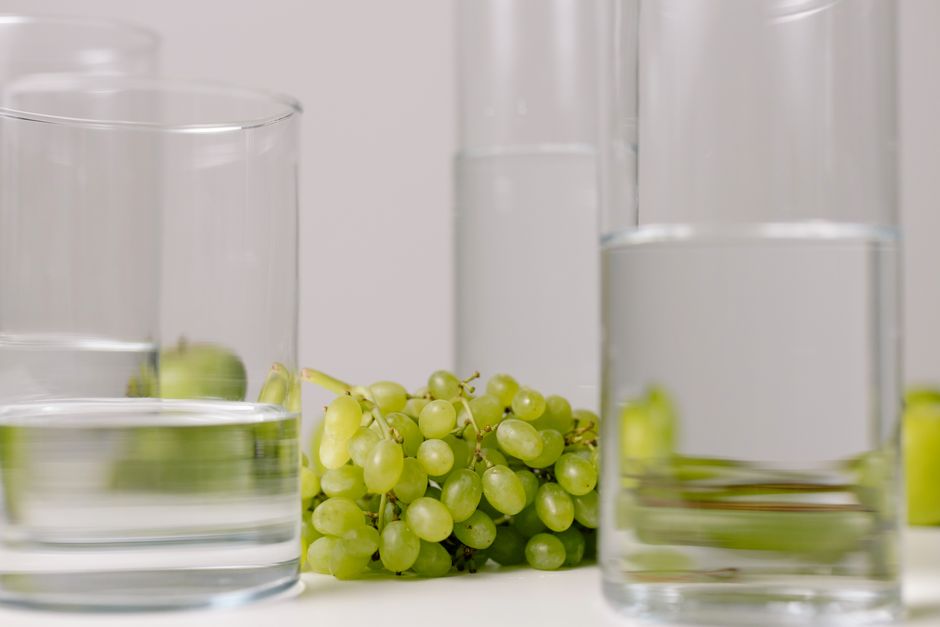
The Case for Drinking Water Before You Eat
Drinking water 20 to 30 minutes before a meal has a few practical advantages. First, it gives your gastric acid time to settle at its natural concentration before food arrives. Second, it can help you eat at a steadier pace because mild pre-meal hydration may reduce the urgency of thirst competing with hunger.
A small study from the European Journal of Nutrition suggested that drinking water before meals may modestly support feelings of fullness, which can help with portion awareness without requiring calorie counting. This kind of mindful approach fits naturally into a broader habit of eating at a pace that supports digestive comfort.
Pre-meal hydration also matters if you exercise before eating. If you have been active and arrive at the table dehydrated, your body is in a different state than if you are well-hydrated going in. For more on how hydration connects to movement, Hydration Timing Around Workouts covers that relationship in practical detail.
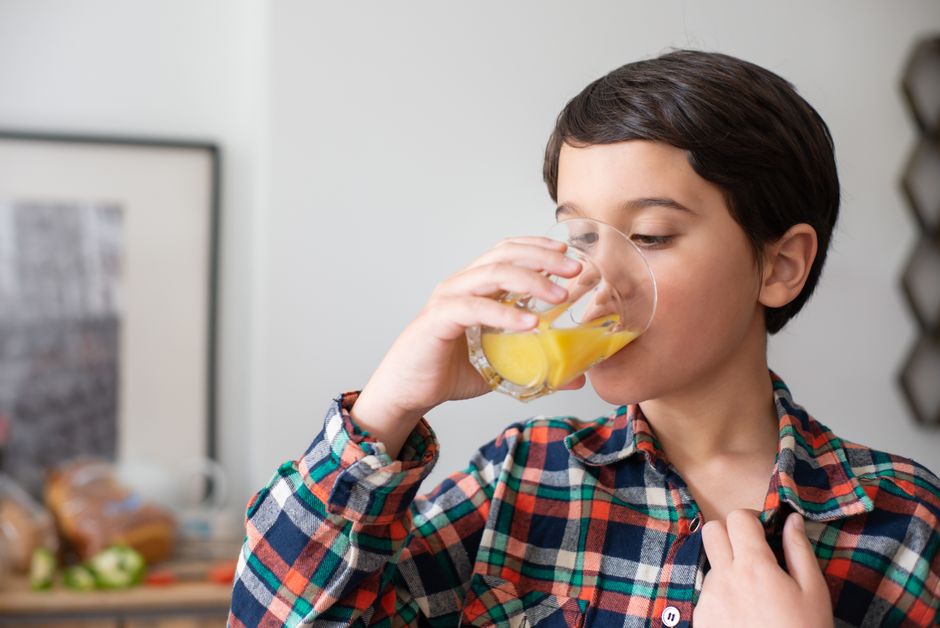
During the Meal: Small Sips Over Big Gulps
The goal here is not to eliminate water from your meals entirely. Forcing a dry meal to avoid any fluid is unnecessary and ignores the real issue, which is volume and pace rather than the presence of water itself.
A practical approach:
- Keep a glass of water nearby and sip when you feel a natural pause in eating.
- Avoid drinking a full glass right before swallowing a large bite.
- If you eat spicy or salty foods that make you thirsty, sip slowly rather than drinking continuously.
- Warm water or herbal tea during a meal tends to feel gentler on the stomach than cold water, though this is more anecdotal than strongly evidence-backed.
The key is treating water as a companion to your meal rather than something you gulp down alongside it. This connects to a broader point about eating pace. If you are eating slowly and chewing thoroughly, you naturally create small natural pauses where a sip of water fits comfortably, rather than drinking to compensate for eating too quickly.
If bloating after meals is a frequent experience for you, it is worth reading about how food pairing and eating pace affect digestive comfort, since water timing works best as one piece of a larger picture.
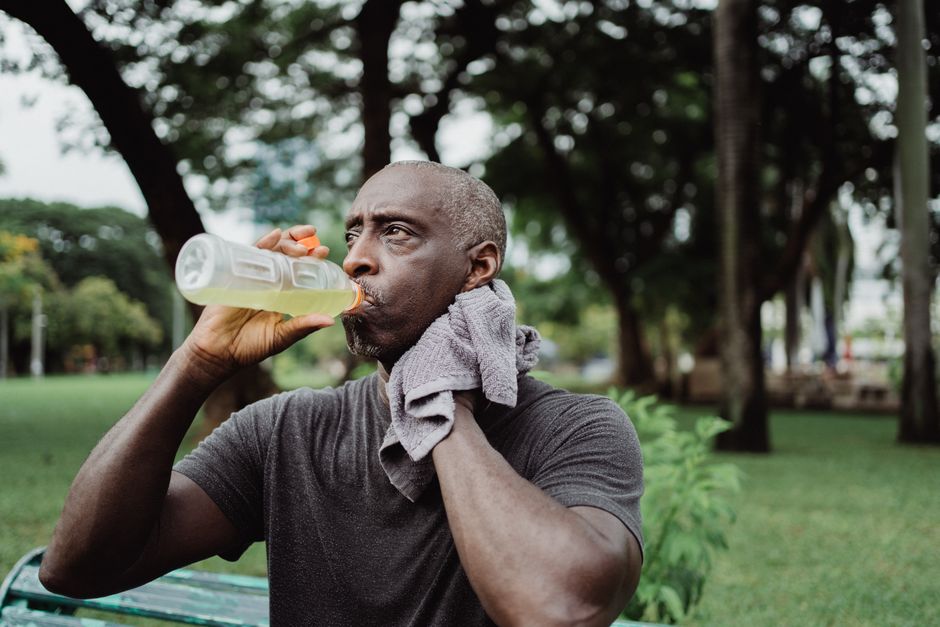
After the Meal: When Rehydrating Feels Best
Waiting 30 to 45 minutes after eating before drinking larger amounts of water lets your stomach complete its initial phase of gastric processing. By that point, food has begun moving into the small intestine, and your stomach is less crowded. Rehydrating at this stage feels easier on the body for many people and avoids the overfull, sloshing sensation that can follow drinking too much too soon after a large meal.
If you feel very thirsty right after eating, that can sometimes signal that the meal was high in sodium or that you entered the meal already dehydrated. Small sips are fine. But if you can pause 20 to 30 minutes before a full glass, your stomach will likely thank you.
Understanding your personal hydration baseline matters here too. How much water you actually need varies based on body size, activity level, climate, and diet, so the right rhythm for you may differ from general guidelines.
What This Looks Like in a Typical Day
Here is a simple, realistic pattern to try for one week:
- Morning: Drink 1 to 2 glasses of water before or alongside a light breakfast, where volume is smaller and easier to tolerate.
- Before lunch: Drink a glass of water 20 to 30 minutes before sitting down to eat.
- During lunch: Sip as needed, aiming for no more than half a glass during the meal itself.
- After lunch: Resume normal hydration 30 to 45 minutes after finishing.
- Before dinner: Same pattern as lunch, especially if dinner tends to be your largest meal.
This is not a rigid prescription. It is a starting point to observe whether your personal pattern of water timing digestion bloating improves. Everyone’s digestive system responds differently, and some people notice a meaningful change within a few days while others see little difference at all.
When Bloating Needs More Than a Timing Adjustment
Hydration timing can reduce mild bloating for many people, but it is not a fix for all digestive discomfort. If bloating is severe, persistent, or accompanied by pain, changes in bowel habits, or unexplained weight changes, those symptoms deserve attention from a qualified healthcare professional. Conditions such as irritable bowel syndrome, food intolerances, and other gastrointestinal issues can mimic meal-related bloating but require proper evaluation.
For everyday digestive support that goes beyond hydration, digestive enzyme myths versus evidence is a useful companion read if you are curious whether supplements might help.
Sources
- Calbet, J.A.L., and MacLean, D.A. (1997). Role of caloric content on gastric emptying in humans. Journal of Physiology. (Referenced for gastric transit principles.)
- Corney, R.A., Sunderland, C., and James, L.J. (2016). Immediate pre-meal water ingestion decreases voluntary food intake in lean young males. European Journal of Nutrition, 55(2), 815-819.
- Gut journal (general reference for gastric emptying research): BMJ Publishing Group.
This article is for general educational and informational purposes only and is not a substitute for medical advice, diagnosis, or treatment. Health needs vary by individual. Consult a qualified healthcare professional before making significant changes to your diet, exercise routine, supplements, medication, or treatment plan, especially if you have a medical condition, are pregnant or breastfeeding, take medication, or have concerns about your symptoms.
If this small shift in your daily routine sounds manageable, try choosing one meal today to apply the pre-meal hydration approach. Notice how your stomach feels an hour later. Small, consistent observations build the kind of self-awareness that makes sustainable habits stick. For more practical guidance delivered weekly, the Clean Body Mentor newsletter covers this kind of evidence-informed, real-life wellness in every issue.