

You have probably seen digestive enzyme supplements in health food stores, wellness ads, or someone’s smoothie routine. The claims sound compelling: better nutrient absorption, less bloating after meals, a calmer gut. But how much of that is evidence, and how much is marketing?
The honest answer is: it depends heavily on context. For some people with specific digestive conditions, enzyme supplements are genuinely useful. For many others, the body is already doing the job well, and targeted food choices can fill in the gaps more reliably and at far less cost.
This comparison breaks down what research actually shows, where the gaps are, and how to make a decision that fits your real situation.

What Digestive Enzymes Actually Do
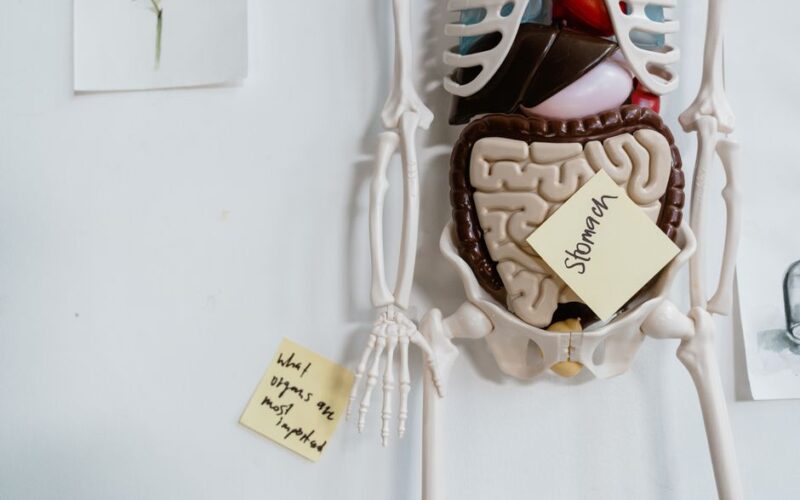
Your body naturally produces digestive enzymes at multiple points along the gastrointestinal tract. Salivary amylase starts breaking down carbohydrates in your mouth. Your stomach secretes pepsin for protein digestion. The pancreas releases lipase (for fats), protease (for protein), and additional amylase into the small intestine. The small intestine itself contributes enzymes like lactase and sucrase.
This system is well-designed and, in most healthy adults, produces enzymes in adequate quantities without supplementation. According to the National Institute of Diabetes and Digestive and Kidney Diseases (NIDDK), enzyme deficiencies serious enough to impair digestion are typically linked to conditions like exocrine pancreatic insufficiency (EPI), chronic pancreatitis, cystic fibrosis, or certain post-surgical changes.
Outside of those clinical scenarios, the digestive system generally keeps up with a normal mixed diet.
Where Supplement Claims Get Shaky
The wellness market frames digestive enzymes as broadly useful for bloating, heaviness after eating, and “optimizing” nutrient absorption. These claims tend to outrun the evidence.
A 2023 review in Nutrients noted that while enzyme supplementation shows consistent benefit in people with documented enzyme insufficiency (such as EPI or lactose intolerance), evidence supporting broad use in otherwise healthy adults remains limited and mostly based on small, short-term studies. The review also flagged that over-the-counter (OTC) enzyme products are not standardized the way prescription versions are, so potency and composition vary widely between brands.
Bloating and digestive discomfort are common complaints, but they rarely result from enzyme deficiency in healthy people. More often, they are tied to eating speed, fiber intake, food combinations, or stress. A guide like Digestive Discomfort From Rushed Eating: Why Pace Matters More Than Food Choices explores why slowing down at meals can ease symptoms that people might otherwise attribute to poor digestion.
If you want a fuller look at the research behind enzyme supplements, the related guide Digestive Enzymes and Nutrient Absorption: What Research Actually Shows and When They Help goes deeper into the clinical evidence.
When Enzyme Supplements Genuinely Help
There are real, well-supported use cases.
Exocrine pancreatic insufficiency (EPI): The pancreas fails to produce enough enzymes to digest food properly. Prescription pancreatic enzyme replacement therapy (PERT) is the evidence-based standard of care here, not OTC products.
Lactase supplements: People with lactose intolerance lack sufficient lactase to digest dairy comfortably. Taking a lactase supplement before eating dairy is well-supported and works reliably for most people. This is the strongest OTC enzyme use case.
Alpha-galactosidase (Beano and similar products): These help break down certain oligosaccharides in beans, cruciferous vegetables, and other high-fiber foods that the human gut cannot digest on its own. Research suggests they meaningfully reduce gas and bloating after eating these foods.
Post-surgical or pancreatic disease: Anyone whose digestive output is medically compromised may need prescription enzyme therapy guided by a gastroenterologist.
If you do not fit these categories, expensive broad-spectrum enzyme blends are unlikely to produce a measurable benefit over a well-structured diet.

What Whole Foods Do That Supplements Cannot Replicate
Several foods naturally contain digestive enzymes or compounds that support enzyme activity. Pineapple contains bromelain (a protease), papaya contains papain, raw honey contains amylase, and fermented foods like kefir, miso, and kimchi contain enzymes produced during fermentation.
More importantly, whole foods bring fiber, water, phytonutrients, and a matrix of compounds that work together in ways supplements cannot fully mirror. Fiber from vegetables and legumes feeds the gut microbiome, which in turn supports the environment where digestion happens. This is not just enzyme chemistry; it is ecosystem maintenance.
Eating patterns also matter significantly. Research consistently shows that slowing down, chewing thoroughly, and avoiding large portions in one sitting all reduce digestive discomfort. Digestive Comfort Through Eating Speed and Chewing: Why Pace Matters More Than Food Choices walks through the mechanics in practical terms. Similarly, how you build a meal, including food order and pairing, can influence how comfortable you feel afterward, which is something Digestion-Friendly Meal Combinations: Foods That Work Together for Energy and Comfort covers in detail.

A Practical Side-by-Side Look
| Situation | What tends to help most |
|---|---|
| Lactose intolerance | Lactase supplement or limiting dairy |
| Gas after beans or cruciferous vegetables | Alpha-galactosidase supplement or cooking methods |
| General post-meal bloating in healthy adults | Slower eating, smaller portions, fiber adjustments |
| Exocrine pancreatic insufficiency | Prescription PERT under medical supervision |
| Supporting overall gut health | Varied whole-food diet, fermented foods, adequate fiber |
| Nutrient absorption concerns without a diagnosis | Consult a registered dietitian before adding supplements |

How to Decide What You Actually Need
Start by ruling out the obvious. Is your bloating or discomfort linked to a specific food group (dairy, beans, wheat)? If yes, a targeted enzyme product or a food elimination approach with a registered dietitian can clarify the cause.
If your symptoms are more general, consider your eating habits before reaching for a supplement. Are you eating quickly? Is your fiber intake inconsistent? Are you under high stress, which can disrupt motility and digestive secretion? These are common, reversible contributors that do not require supplementation.
If digestive symptoms are ongoing, painful, or accompanied by unintentional weight changes, see a qualified healthcare professional. Conditions like EPI, inflammatory bowel disease, celiac disease, and small intestinal bacterial overgrowth (SIBO) require proper diagnosis before any supplement protocol makes sense.
For most people building healthier eating patterns, focusing on nutrient-dense whole foods, managing eating pace, and keeping fiber intake gradual and consistent will support digestion more sustainably than adding an OTC enzyme product. You can also explore how food timing and structure affect how your body handles meals in Digestive Comfort and Nutrient Absorption: Foods and Timing That Work Together for Energy and Wellness.
One Step Worth Taking
Choose one small, concrete change based on what resonated most here. If you suspect lactose is the issue, test a lactase supplement for a week. If rushed meals seem like the culprit, try slowing down and chewing more deliberately at your next dinner. Small, consistent actions tend to produce more lasting results than adding another supplement to the shelf.
For more practical, evidence-informed guidance on gut health and nutrition, browse the Clean Body Mentor nutrition hub or join the weekly newsletter for digestible, reader-first wellness content.
This article is for general educational and informational purposes only and is not a substitute for medical advice, diagnosis, or treatment. Health needs vary by individual. Consult a qualified healthcare professional before making significant changes to your diet, exercise routine, supplements, medication, or treatment plan, especially if you have a medical condition, are pregnant or breastfeeding, take medication, or have concerns about your symptoms.
Sources
- National Institute of Diabetes and Digestive and Kidney Diseases (NIDDK). Digestive Diseases overview. https://www.niddk.nih.gov/health-information/digestive-diseases
- Ianiro G, et al. (2023). Digestive enzyme supplementation in gastrointestinal diseases. Nutrients. PubMed/NCBI.
- Suarez F, et al. (1999). Bismuth subsalicylate vs alpha-galactosidase for prevention of gas-related symptoms. Digestive Diseases and Sciences. Referenced in multiple gastroenterology guidelines.
- Leung AKC and Leung AAM. (2019). Lactose intolerance: clinical features, diagnosis, management. Journal of Clinical Medicine Research. PubMed/NCBI.